
Side Dishes
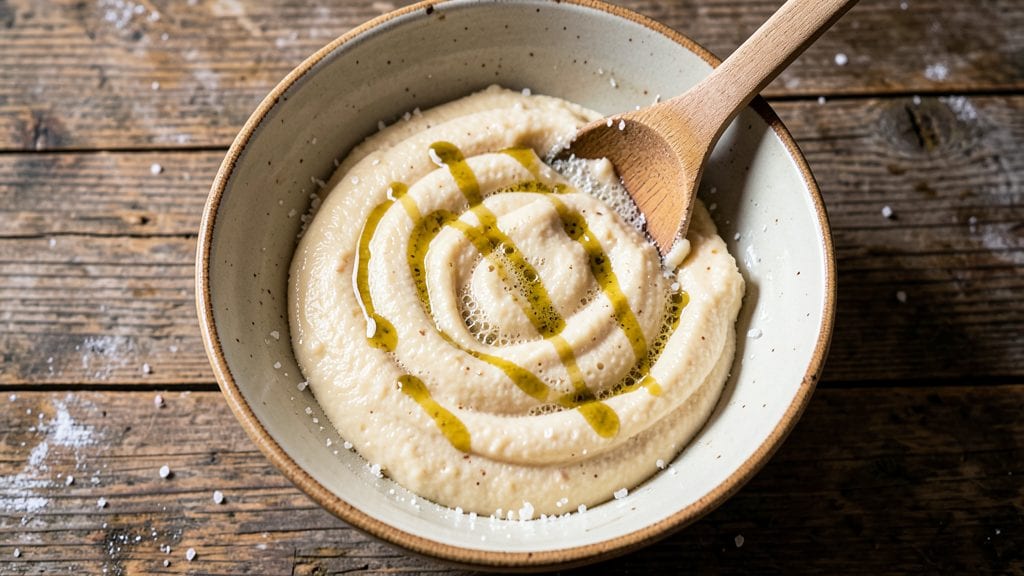
This French country bread recipe unlocks the secret to that coveted crunchy crust and light crumb—just like the artisanal loaves you crave, now made effortlessly at home. The key lies in traditional techniques like autolyse and a long fermentation, which develop both flavor and texture.
I've perfected this recipe after years of testing, and it's the closest you'll get to a Parisian bakery's signature loaf without professional equipment.
This recipe uses baguette flour and a small amount of levain for authentic flavor and structure, though you can substitute with instant yeast if needed. The dough undergoes a two-stage fermentation—first an autolyse to hydrate the flour, then a long bulk fermentation at room temperature.
This slow process creates those signature open crumbs and deep flavor that set French country bread apart.
By the time it emerges from the oven, you'll have a loaf with a deep golden crust that shatters satisfyingly and a soft, airy interior with those coveted irregular holes.
The aroma alone will transport you to a French countryside market, where freshly baked bread is the star of every meal. This is the kind of bread that pairs perfectly with soups, cheeses, or simply melts into butter for dipping.
Whether you're baking for a family dinner or preparing for a weekend feast, this recipe scales beautifully while maintaining its rustic charm. The scoring technique ensures even oven spring, while the steam bath creates that signature crisp crust. Let's get started on your journey to perfect French country bread.
Ingredients for french country bread
Baguette flour and levain create that signature rustic crumb. Just nine ingredients transform into artisanal bread.
| Ingredient | Amount | Notes |
|---|---|---|
| Baguette Flour 🌾 | 5 cups | High-protein for structure |
| Levain Starter 🍞 | ½ cup | Active, bubbly starter |
| Water 💧 | 3 ¼ cups | Room temperature preferred |
| Instant Yeast 🍞 | ¼ tsp | Substitute for levain if needed |
| Salt 🧂 | 1 ½ tsp | Fine sea salt preferred |
| Olive Oil 🫒 | 1 tbsp | Extra-virgin for richness |
| Cornmeal 🌽 | ¼ cup | For dusting work surface |
| Egg Wash 🥚 | 1 whole | Beaten with 1 tsp water |
| Coarse Sea Salt 🧂 | 1 tsp | For final crust sprinkle |
| Ice Cubes ❄️ | 1 cup | For steam bath |
The flour is everything here. King Arthur Baguette Flour is my go-to—it's got that high protein content for perfect structure. If you can't find it, King Arthur Bread Flour works too, just add 1 tsp vital wheat gluten. The levain should be lively with bubbles—if it's sluggish, give it another hour or use the instant yeast instead. For the water, room temperature is key. Too cold and it slows fermentation; too warm and it overproofs. I always use filtered water too, just to be safe. The olive oil adds richness that regular vegetable oil can't match.
No levain? Instant yeast plus 1 tsp sugar works in a pinch. The cornmeal is optional but helps prevent sticking when shaping. For the egg wash, pasteurized eggs only—raw eggs can cause issues. Short on time? You can skip the autolyse, but the flavor and texture won't be quite as good. The coarse sea salt on top? Maldon or Jacobsen are perfect—they dissolve slowly for maximum crust flavor. If you only have table salt, toast it in a dry pan first to bring out the flavor. The ice cubes create steam for that signature crisp crust—don't skip this part!
This dough is best made a day ahead. Store it covered in the fridge overnight for deeper flavor. The shaped loaf keeps 2-3 days at room temperature wrapped in a clean towel. For longer storage, freeze the shaped loaf (unbaked) for up to 3 months. Thaw overnight in the fridge before baking. Slice with a serrated knife for clean cuts—never a regular blade. The bread reheats beautifully in a 350°F oven for 5-10 minutes to restore that bakery-fresh warmth.
Why You'll Love This Recipe
- Four-Ingredient Magic: I swear by this—just flour, levain, water, and a pinch of salt. That’s it. No fancy mix-ins, no stress, just pure, rustic bread that tastes like a Parisian bakery.
- Crispy-Creamy Payoff: The baguette flour gives it that signature snap, while the levain builds flavor overnight—no yeasty aftertaste, just deep, tangy richness. Honestly, the first bite makes me pause.
- Weeknight Workhorse: Toss it in a basket for breakfast toast, tear it over salads, or use it to soak up sauces. It’s my go-to for lazy dinners when I’m too tired to think.
- Budget-Friendly Staple: A single batch feeds my family for days—sandwiches, croutons, even breadcrumbs for meatballs. I bake two loaves every Sunday and never regret it.
Step-by-step instructions for French country bread
Here's how to craft that iconic rustic crust and open crumb—simple steps for bakery-quality results.
Mix the Dough with Levain and Hydration
In a large mixing bowl, combine the 5 cups baguette flour and 1.5 tsp salt. Create a well in the center and add the 0.5 cup levain starter, 3.25 cups water, and 0.25 tsp instant yeast. I like to use a wooden spoon first to break up the dry ingredients before gradually incorporating them into the wet.
Once everything is mixed, add the 1 tbsp olive oil and stir until the dough begins to come together. The dough should be sticky but manageable—this high hydration creates that signature open crumb. If it feels too dry, add 1 tablespoon water at a time until it reaches the right consistency. Let it rest for 10 minutes while you prepare your work surface.
Knead and Shape for Rustic Texture
Lightly dust your work surface with 0.25 cup cornmeal and turn out the dough. Knead gently for 5-7 minutes—just enough to develop the gluten without overworking it. This bread relies on its rustic, irregular shape, so don't worry about perfect smoothness. Divide the dough into 4 equal portions (about 1 pound each) and shape them into rough ovals or batards.
Here's the thing—French country bread gets its character from uneven shaping. Press gently along the sides to create tension while leaving the top irregular. Place each shaped loaf on a parchment-lined baking sheet, cover with a damp towel, and let them rest for 30 minutes at room temperature. This relaxation period ensures they hold their shape during baking.
Proof with Steam for Crispy Crust
Preheat your oven to 450°F with a Dutch oven inside for 30 minutes. While it heats, prepare your proofing setup by placing 1 cup ice cubes in a small baking dish. This creates steam when the hot loaves go in—critical for that crackly crust. Brush the tops of each loaf with the 1 whole egg wash and sprinkle generously with 1 tsp coarse sea salt on top.
Carefully transfer the loaves to the hot Dutch oven using parchment paper. Place the baking dish with ice cubes on the lower oven rack. Bake covered for 20 minutes, then remove the lid and bake for another 15-20 minutes until the crust is deep golden brown and sounds hollow when tapped on the bottom. The internal temperature should reach 205°F—this ensures a fully baked crumb.
Cool and Serve for Maximum Crunch
Remove the loaves from the oven and let them cool on a wire rack for at least 1 hour before slicing. I know it's tempting to cut into them immediately, but proper cooling develops that crisp exterior and prevents a gummy crumb. The bread will continue to crisp up as it cools—this is when the magic happens.
For serving, slice the bread with a serrated knife and enjoy within 2-3 days for the best texture. Store wrapped in a cloth-lined basket to maintain freshness. The combination of crispy crust and airy interior comes from that perfect balance of hydration, steam, and high-protein flour—every element working together.
Pro Tips For Making French Country Bread
- Autolyse First: Mix your baguette flour and water before adding yeast or salt—just let it sit for 30-60 minutes. This relaxes the gluten early, so your dough handles shaping like a dream. (Yes, even if you’re impatient like me.)
- Feed Levain Slowly: Your starter should bubble gently, not explode—feed it equal parts flour and water by weight (50/50) every 12 hours, twice. Overfeeding makes it sluggish; underfeeding kills it. Test readiness by dropping a spoonful in water—if it floats, it’s ready.
- Shape Tight, Score Deep: Stretch the dough into a taut rectangle before rolling it into a baguette—no slack, or it’ll collapse. Then slash the top with a razor at a 45-degree angle, about ½ inch deep. Shallow cuts = weak crust; deep cuts = that iconic French crack.
- Steam the Oven: Toss a metal bowl of boiling water in your preheated Dutch oven or oven rack before baking. The steam mimics a bakery’s chamber and guarantees a crisp crust. (No bowl? Use a spray bottle—just don’t drown your bread.)
Best sauces and condiments for this dish
Classic Garlic Confit
French country bread shines with garlic confit—soft, fragrant cloves infused in olive oil. I make mine by simmering 1 head of garlic (separated into cloves) in 1 cup extra-virgin olive oil with 1 sprig fresh rosemary and 1 bay leaf for 20 minutes at 200°F.
Spread a thin layer on warm bread with a sprinkle of flaky sea salt for an instant flavor boost. 🧄
Herbed Butter
Infuse softened butter with 2 tbsp chopped fresh parsley, 1 tbsp chopped chives, ½ tsp lemon zest, and a pinch of black pepper. Mix well and chill for 30 minutes to let flavors meld.
Spread generously on toasted bread for a bright, herby contrast to the crusty exterior. I love using Plugrá butter for its rich, European quality.
Olive Tapenade
Blend 1 cup Kalamata olives, 2 tbsp capers, 1 garlic clove, 2 tbsp olive oil, and 1 tbsp red wine vinegar until chunky. Spread a thick layer on bread and top with thinly sliced radishes for a tangy, briny bite.
This works especially well with the bread's airy crumb to soak up all the flavors.
Whole-Grain Mustard
Mix 2 tbsp Dijon mustard with 1 tbsp whole-grain mustard, 1 tsp honey, and 1 tsp apple cider vinegar for a sweet-spicy balance. Drizzle over warm bread with a sprinkle of toasted sesame seeds.
The mustard's depth cuts through the bread's richness while adding complexity. I recommend Maille mustard for its smooth texture.
Tomato Basil Jam
Simmer 4 ripe tomatoes, ¼ cup balsamic vinegar, 2 tbsp sugar, and 10 fresh basil leaves until thickened (about 15 minutes). Spread on bread with a dollop of ricotta cheese for a sweet-savory pairing.
The jam's acidity brightens the bread's crust, while the ricotta adds creaminess to the crumb.
Spicy Honey Butter
Combine ½ cup softened butter, 2 tbsp honey, 1 tsp smoked paprika, and ½ tsp cayenne pepper for a sweet-spicy kick. Spread on toasted bread and top with crumbled feta cheese for a Mediterranean-inspired twist. The honey caramelizes slightly when toasted, creating a delightful crunch. 🔥
Nutrition facts
Frequently asked questions
Can I substitute regular flour for baguette flour in this recipe?
The recipe works with bread flour or all-purpose flour, but the texture will differ slightly. For best results, use 5 cups bread flour + 1 tsp vital wheat gluten to mimic the protein content of baguette flour. The gluten structure is key for that signature open crumb and crisp crust. If using all-purpose, expect a slightly denser crumb.
Why does my French country bread turn out dense instead of airy?
Dense bread usually results from underproofing or overworking the dough. Let the dough ferment at room temperature for 4-6 hours (or overnight in the fridge) to develop proper gluten structure. Avoid kneading more than 5-7 minutes—this bread relies on its rustic, uneven shape. Also ensure your yeast is active and your water is 75-80°F.
How do I know when the bread is fully baked?
The bread is done when the internal temperature reaches 205°F and the crust is a deep golden brown. Tap the bottom—it should sound hollow. The bread will continue crisping as it cools, so don't overbake. If unsure, check the internal temp with an instant-read thermometer for accuracy.
Can I make this recipe without a Dutch oven?
Yes! Use a baking stone or steel on the middle rack with a tray of boiling water below for steam. Place the loaves on parchment-lined trays and cover with foil during the first 20 minutes of baking. The steam helps create that crisp crust, though results may be slightly less dramatic than with a Dutch oven.
What's the best way to reheat stale French country bread?
Wrap the bread in foil and warm in a 350°F oven for 5-10 minutes until crispy again. For individual slices, toast in a dry skillet over medium heat for 1-2 minutes per side. Avoid the microwave—it turns the crust soggy. The bread reheats best when slightly stale, so store it in a cloth-lined basket at room temperature.