
Side Dishes
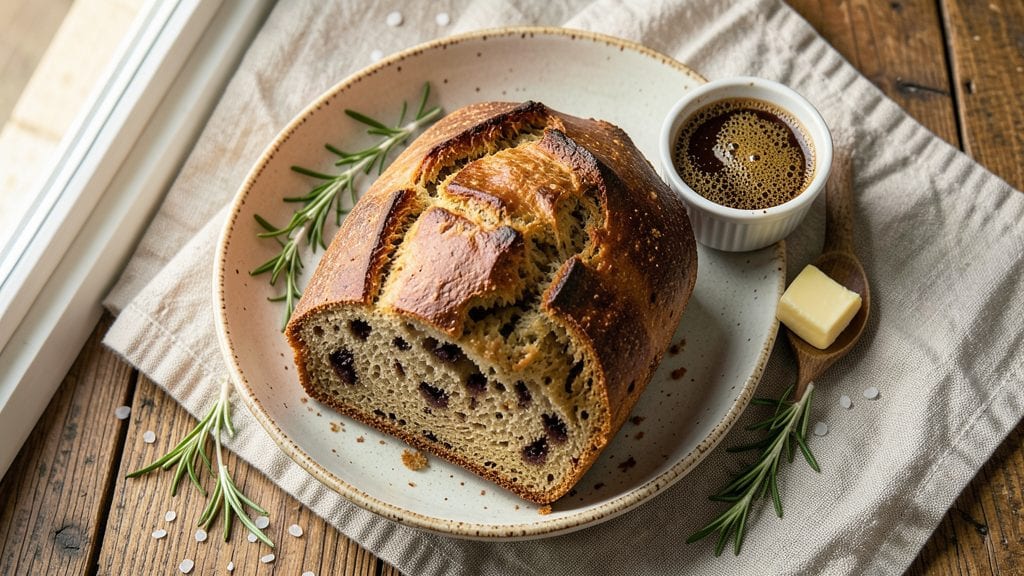
This Guinness stout bread recipe transforms a classic loaf into a rich, malty masterpiece with deep beer swirls and a crispy crust that crackles at every bite.
The dark stout adds a robust depth that pairs beautifully with the bread's tender crumb, creating a flavor profile that's both hearty and refined. I developed this recipe after years of experimenting with beer breads, refining the dough to achieve that perfect balance of airy texture and bold Guinness flavor.
The secret lies in the dough's fermentation and the way the stout integrates—it doesn't just flavor the bread, it transforms it. A slow rise allows the gluten to relax, while the beer's natural sugars create a subtle caramelization during baking.
The result is a loaf with a golden, crackling crust and a moist interior speckled with dark beer swirls that add visual appeal and layers of flavor. This isn't just bread; it's an experience.
Perfect for serving alongside soups, stews, or as a showstopping centerpiece for game day, this bread stays fresh for days when stored properly.
The crispy crust gives way to a tender interior that soaks up butter like a dream, while the Guinness swirls add a sophisticated touch that elevates any meal. Whether you're a home baker or a beer enthusiast, this recipe delivers professional-quality results with minimal effort.
Ready to impress? The process is straightforward—mix, rise, shape, and bake—but the transformation from simple ingredients to this crispy, flavorful loaf is nothing short of magical. Let's get started on creating your perfect Guinness stout bread.
Ingredients for guinness stout bread
Eight simple ingredients transform into a showstopping loaf with deep beer swirls and crispy crust magic.
| Ingredient | Amount | Notes |
|---|---|---|
| Guinness Stout 🍺 | 1 ½ cups | Cold, not warm, for best flavor |
| All-Purpose Flour 🌾 | 5 cups | Sifted for light texture |
| Active Dry Yeast 🍞 | 2 ¼ tsp | Freshly opened for best rise |
| Granulated Sugar 🍬 | ¼ cup | Feeds yeast for fermentation |
| Unsalted Butter 🧈 | ½ cup | Cold, cubed for easy mixing |
| Large Eggs 🥚 | 2 whole | Room temperature for smooth dough |
| Milk 🥛 | ½ cup | Warm for optimal yeast activation |
| Salt 🧂 | 1 ½ tsp | Kosher for balanced seasoning |
| Honey 🍯 | 1 tbsp | Enhances malty sweetness |
| Cornmeal 🌽 | ¼ cup | For dusting bread pan |
| Coarse Sugar 🍬 | ¼ cup | For golden crust |
| Sesame Seeds 🌱 | 1 tbsp | Optional for crunchy topping |
The Guinness is the star here—grab a cold bottle from the fridge, not room temperature. Guinness Draught works best, but any dark stout will do. If you're feeling fancy, Whole Foods or local craft breweries often carry specialty beers with extra depth. The flour? King Arthur or Gold Medal are my go-tos—they handle the beer's moisture better than budget brands. And that yeast? Freshly opened packets make all the difference—old yeast just won't rise right. Pro tip: if your kitchen feels chilly, warm the milk and butter slightly before mixing to help the yeast wake up faster.
No Guinness? Substitute with dark beer like porter or stout—just make sure it's cold. Short on honey? Maple syrup works too, though it adds a different depth. The sesame seeds are totally optional but give that extra crunch—skip them if you're allergic. For a quicker rise, instant yeast can replace active dry yeast at half the amount. And if your dough feels too sticky? Add 1-2 tbsp more flour, but don't overdo it or the crust will toughen. The key is balance—this dough should be soft but manageable, not gluey.
This loaf keeps beautifully—3-4 days at room temperature wrapped in a towel, or up to 1 week in the fridge. For longer storage, freeze the whole loaf—wrap it tightly in foil first, then a plastic bag. To reheat, warm in a 350°F oven for 10-15 minutes until the crust is crispy again. The best part? Slice it fresh—the interior stays moist for hours, while the crust stays crackly. Perfect for game day or as a centerpiece that'll have everyone asking for seconds.
Why You'll Love This Recipe
- No-Knead Magic: I swear by this dough—just mix, rest, and bake. The Guinness does all the work, giving it that rich depth without a single punch of effort from me.
- Rich Without Trying: That first sip of dark, malty flavor? It’s like biting into a stout beer, but in bread form. The butter and sugar balance it so well, you’ll forget it’s "healthy" (okay, fine, it’s not—but it’s worth it).
- Weeknight Workhorse: Toss a loaf in the oven while you prep dinner—it’ll be warm and ready by the time you sit down. Perfect for sandwiches, toast, or just tearing into with butter straight from the pan.
- Budget Booster: A single can of Guinness stretches into multiple loaves, and the rest of the ingredients are pantry staples. My wallet and my taste buds win every time.
Step-by-step instructions for Guinness stout bread
Here's how to create that perfect balance of rich beer flavor and crispy crust—every slice will be a masterpiece.
Activate the Yeast with Honey and Cold Guinness
In a small bowl, combine the 1.5 cups cold Guinness Stout, 1 tbsp honey, and 0.25 cup granulated sugar. Stir until the honey and sugar dissolve completely. Sprinkle the 2.25 tsp active dry yeast on top and let it sit for 5-10 minutes until it becomes foamy and bubbly. This step is crucial—it ensures your yeast is alive and ready to work its magic in the dough.
Here's the thing—using cold Guinness instead of warm water gives you better flavor control. The cold temperature activates the yeast slowly, preventing overproofing later. If your yeast doesn't bubble after 10 minutes, it's dead, and you'll need to start over. Trust me, this is the moment that matters for a perfect rise.
Mix the Dough and Develop the Gluten
In a stand mixer fitted with the dough hook attachment, combine the 5 cups all-purpose flour, 1.5 tsp salt, and the yeast mixture from Step 1. Mix on low speed for 1 minute until the ingredients come together. Add the 2 whole large eggs and 0.5 cup milk, mixing until just combined.
Next, add the 0.5 cup cold unsalted butter, cut into small cubes. Increase the speed to medium and knead for 5-7 minutes until the dough becomes smooth and elastic. You'll know it's ready when it forms a windowpane—stretch a small piece of dough between your fingers, and if it's thin enough to see light through, you've got this. If the dough sticks to your hands, add a little more flour, but don't overdo it.
First Rise and Prepare for Swirls
Transfer the dough to a lightly greased bowl, cover it with a damp towel, and let it rise in a warm place for 1-1.5 hours or until it has doubled in size. This is where the magic happens—the yeast ferments and creates air pockets that make your bread light and fluffy. Don't rush this step; patience pays off with a better texture.
While the dough rises, preheat your oven to 375°F. Once the dough has doubled, punch it down to release the air and divide it into two equal pieces. Roll each piece into a 12x16-inch rectangle on a floured surface. Spread 0.5 cup cold unsalted butter evenly over one of the rectangles, leaving a 1-inch border uncovered. Place the second rectangle on top and seal the edges by pinching them together.
Shape and Create the Iconic Swirls
Using a sharp knife, cut the dough into 1-inch strips from one edge to the other, but don't cut all the way through. Rotate the dough 90 degrees and cut again, creating a grid pattern. Gently press down on the cuts to separate the squares slightly, then twist each square 90 degrees to create the classic swirl pattern. This is the moment that makes this bread unforgettable—those beautiful beer-infused swirls.
Transfer the shaped loaf to a 9x5-inch loaf pan that's been lightly greased and dusted with 0.25 cup cornmeal. This ensures the bread won't stick and gives it that perfect crust. Let it rise again for 30-45 minutes until it's just above the rim of the pan. The dough should spring back slowly when poked with a finger—this is your cue that it's ready for the oven.
Bake to Crispy Perfection
Sprinkle the top of the dough with 0.25 cup coarse sugar and 1 tbsp sesame seeds for that irresistible crunch and golden crust. Bake in the preheated 375°F oven for 30-35 minutes until the top is deep golden brown and the internal temperature reaches 190°F. The bread should sound hollow when tapped on the bottom—this is your final sensory checkpoint.
Remove from the oven and let it cool in the pan for 10 minutes before transferring to a wire rack. This resting period prevents the bread from falling apart when you slice it. Real talk: the first slice is always the best—crispy crust, rich beer flavor swirling through the tender crumb, and that perfect balance of sweetness from the honey and sugar.
Pro Tips For Making Guinness Stout Bread
- Warm the Stout First: Guinness stout bread gets its depth from the beer, but cold stout just sits there like a wallflower. Heat it to 110°F (43°C) before mixing—it activates the yeast faster and lets the malt flavors bloom. I used to skip this, and my bread always tasted flat until I tried it.
- Weigh Your Flour: That "1 cup" on the package? It’s a lie. Scooping flour packs it differently every time, and your dough will either be too sticky or too stiff. Use a kitchen scale—this bread needs 350 grams of all-purpose flour, measured accurately. Trust me, your rise will thank you.
- Don’t Rush the First Rise: I know, you’re eager to bake. But let that dough double in a warm spot (like a turned-off oven with a bowl of hot water inside) for at least 1.5 hours—maybe longer if your kitchen’s cold. Rushing it leads to dense, sad bread. Patience here makes the difference between "meh" and "wow."
- Cold Butter for Layers: That butter in the dough isn’t just for flavor—it’s for those flaky layers. Cut the cold unsalted butter into small cubes and fold them into the dough last, keeping them as intact as possible. If they melt too soon, you’ll end up with a dense loaf instead of something light and buttery.
Creative variations of this dish
Spiced Rum Swirl
Replace the cold Guinness with 1.5 cups dark rum (like Kraken Black Spiced Rum) and 0.5 cup stout beer for a boozy twist. The rum adds a warm, caramelized depth that caramelizes beautifully during baking.
I like to brush the finished loaf with a mix of 2 tbsp melted butter and 1 tbsp rum after baking for extra richness. 🍷
Cheddar & Beer Loaf
Fold 1 cup sharp cheddar cheese (like Cabot Clothbound Cheddar) into the dough before shaping. The cheese melts into gooey pockets during baking, creating a savory contrast to the malty beer.
For extra flavor, sprinkle 1 tsp smoked paprika over the top before baking. This version pairs perfectly with spicy chili or BBQ. 🧀
Honey & Walnut Twist
Add 1 cup chopped walnuts to the dough and drizzle 2 tbsp extra honey over the butter layer before swirling. The walnuts add crunch, while the honey enhances the beer's caramel notes.
Toast the walnuts in a dry pan for 3-4 minutes before mixing to deepen their flavor. This variation works beautifully as a breakfast loaf with butter and jam. 🌰
Sourdough Starter Boost
Swap 1 cup of the flour for sourdough starter (fed and active) for a tangy depth. The starter replaces some of the yeast, giving the bread a complex, slightly sour note that complements the Guinness.
Let the dough rise longer—2-3 hours—since sourdough ferments slower. This version has a chewier texture and deeper flavor. 🍞
Cinnamon & Raisin Surprise
Fold in 1 cup raisins and 1 tsp cinnamon to the dough for a dessert-like loaf. The raisins soak up the beer's richness, while the cinnamon adds warmth. Brush the baked loaf with 2 tbsp melted butter and sprinkle with 1 tbsp cinnamon sugar for an extra-sweet finish.
Serve with vanilla ice cream for a decadent treat. 🍯
Whole Wheat & Seed Topping
Replace 2 cups of all-purpose flour with whole wheat flour for a nuttier, heartier loaf. Top with a mix of 1 tbsp sesame seeds, 1 tbsp flaxseeds, and 1 tbsp poppy seeds before baking.
The seeds add texture and a subtle earthiness that balances the beer's boldness. This version is perfect for hearty soups or sandwiches. 🌾
Nutrition facts
Frequently asked questions
Why does this recipe use cold Guinness instead of warm water?
Cold Guinness preserves the beer's fresh, crisp flavors while still activating the yeast. Warm water would overproof the dough and mute the stout's malty depth. The cold method creates a slower fermentation that enhances texture and flavor balance. Think of it like chilling wine—it brings out the best characteristics.
Can I make this bread without a stand mixer?
Mix by hand in a large bowl, then knead the dough on a floured surface for 8-10 minutes until smooth and elastic. The key is patience—work the dough vigorously to develop the gluten properly. A dough scraper helps prevent sticking. The texture will be just as good!
How do I know when the dough has risen enough?
Look for the dough to double in size and feel springy when poked gently with a finger. It should leave a slight indentation that slowly fills back in. For the final rise in the pan, it should reach just above the pan's rim—this ensures maximum oven spring. Overproofing leads to dense bread, so keep an eye on it!
What's the best way to store leftover Guinness bread?
Wrap the cooled loaf in a clean kitchen towel and store at room temperature for 2-3 days. For longer storage, freeze the whole loaf (wrapped tightly) for up to 3 months. To reheat, warm at 350°F for 10 minutes until the crust is crispy again. The interior stays moist for days!
Can I substitute Guinness with another dark beer?
Yes! Use any dark stout or porter—just ensure it's cold. Guinness Draught works best, but Black IPA or Imperial Stout add different flavor complexities. Avoid light beers like pilsners, as they lack the necessary malt depth. The beer's alcohol content also helps tenderize the crumb.