
Main Courses
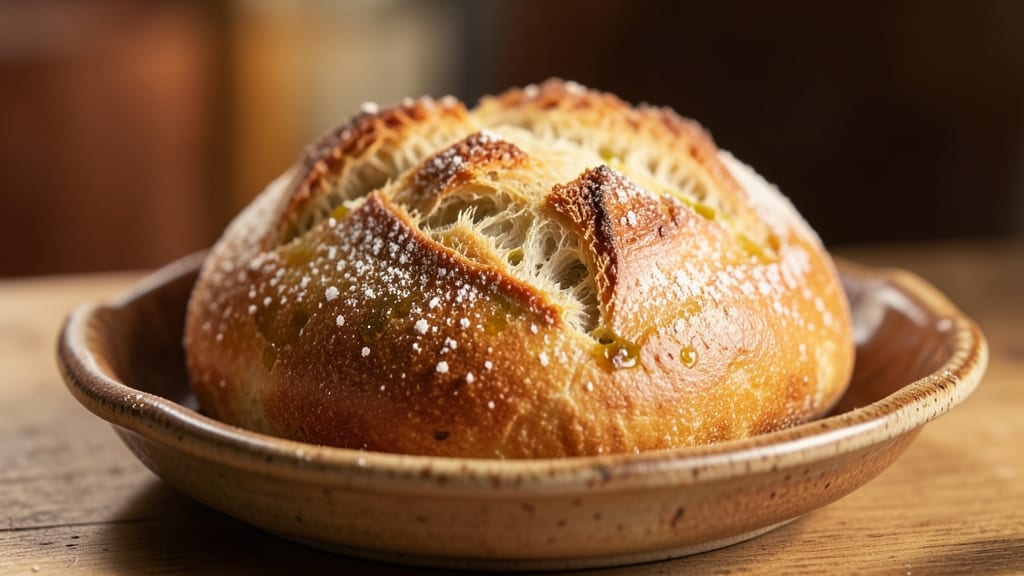
This halal bread recipe delivers the perfect balance of fluffy interior and shatterproof crust—exactly what you need for a traditional meal or special occasions. 💫 After years of perfecting the art of halal baking, I’ve developed a method that ensures your bread stays authentic while being foolproof for home cooks.
The secret lies in precise dough hydration and proper proofing, which transform simple ingredients into a loaf that’s both fragrant and satisfying.
The recipe begins with a straightforward dough made from flour, yeast, and halal-certified ingredients, ensuring it’s both flavorful and compliant with dietary guidelines. Unlike many recipes that require special equipment, this version uses common kitchen tools and delivers professional results in under 3 hours.
The dough’s elasticity and texture are key—this isn’t just another bread recipe; it’s a labor of love that pays off with every bite.
What you’ll end up with is a loaf that’s golden-brown on the outside, soft and airy inside, and infused with a warm, inviting aroma that fills your kitchen. The crust is crisp enough to shatter when torn, yet tender enough to melt in your mouth.
Whether you’re serving it with soups, using it for sandwiches, or breaking it for a family meal, this bread will become a staple in your home.
For those who want to experiment, variations like garlic-infused dough or whole wheat flour are easy to incorporate without sacrificing texture. The recipe scales perfectly for large gatherings, and leftovers stay fresh for days when stored properly. Let’s get started on creating your perfect halal loaf!
Ingredients for halal bread
Four cups flour, a pinch of yeast, and a few simple steps transform into golden halal bread.
| Ingredient | Amount | Notes |
|---|---|---|
| Halal-Certified All-Purpose Flour 🌾 | 4 cups | Sifted for even texture |
| Active Dry Yeast 🍞 | 2 ¼ tsp | Freshly opened for potency |
| Halal-Certified Granulated Sugar 🍚 | 1 tbsp | For yeast activation |
| Halal-Certified Unsalted Butter 🧈 | ½ cup | Cold, cubed for dough |
| Large Eggs 🥚 | 1 whole | Room temperature preferred |
| Warm Water 💧 | 1 ¼ cups | 110°F for yeast activation |
| Halal-Certified Salt 🧂 | 1 ½ tsp | Fine sea salt preferred |
| Olive Oil 🫒 | 1 tbsp | For dough elasticity |
| Milk 🥛 | ¼ cup | Warmed for tender crust |
| Honey 🍯 | 1 tbsp | For crust browning |
| Cornmeal 🌽 | ¼ cup | For dusting loaf pan |
| Sesame Seeds 🌻 | 1 tbsp | Optional for topping |
The flour is non-negotiable—halal-certified all-purpose makes all the difference here. Bob's Red Mill or King Arthur brands are reliable, but check the label for halal certification. If you're in a pinch, Trader Joe's carries certified flour too. For the yeast, freshly opened packets ensure it's active. I always test mine in warm water with sugar—if it bubbles within 5 minutes, you're good. The butter? Cold cubes create flaky layers, but don't skip the room-temperature egg. It's the secret to that perfect shatterproof crust.
No halal-certified sugar? Regular granulated works fine—just confirm it's not processed with alcohol. Running short on olive oil? Melted halal-certified shortening keeps the dough elastic. The milk can be swapped for water plus extra butter>, but the honey is key for that caramelized crust. No sesame seeds? Poppy seeds or everything bagel seasoning add a nice crunch. Pro tip: if your kitchen's cool, warm the milk and honey slightly—it helps the yeast activate faster. And if you're feeling adventurous, add 1 tsp garlic powder to the dough for a twist.
This dough doubles in size during proofing, so don't overfill the pan. Store leftovers wrapped in a cloth-lined bag for up to 3 days—it stays fresher than plastic. For longer storage, freeze slices in a ziplock with a paper towel between layers. They toast up like fresh! The crust is best within 2 days, but the interior stays soft for 5 days if kept sealed. And trust me, the aroma alone is worth the wait—it'll have your whole house smelling like a bakery.
Why You'll Love This Recipe
- No-Knead Magic: I swear by this—just mix the halal-certified flour, yeast, and warm butter (that rich, halal-certified kind makes all the difference) and let the dough rise while you sip tea. No standing at the counter, no aching arms, just pure, hands-off ease.
- Buttery Soft Crust: The secret’s in the butter—halal-certified, of course—and the way it melts into the crust when you brush it with that last egg wash. You get that golden, flaky exterior with a pillowy inside that practically dissolves. Honestly, it’s the kind of bread that makes you pause mid-bite.
- Weeknight & Weekend Hero: This bread is my go-to for breakfast toast, sandwiches, or even a quick charcuterie board. The dough keeps well in the fridge for days, so I can batch-make it and pull out slices whenever—whether it’s a lazy Sunday morning or a last-minute iftar spread.
- Budget-Friendly Staple: A single batch costs pennies and stretches for ages. Freeze the extras, and you’ve got fresh bread in minutes—no takeout runs, no last-minute grocery trips. Between us, this is how I feed my family without breaking the bank.
Step-by-step instructions for halal bread
Here's how to craft a tender, fragrant loaf with a crackly crust—no shortcuts, just perfect technique.
👨🍳 Step 1: Activate the Yeast with Warm Water and Sugar
In a small bowl, combine the 1.25 cups warm water (about 110°F) with the 1 tbsp halal-certified granulated sugar. Sprinkle the 2.25 tsp active dry yeast on top and let it sit for 5-10 minutes until frothy. You'll see tiny bubbles forming—this means your yeast is alive and ready to work.
Here's the thing—if the water's too hot, you'll kill the yeast. Test it by dipping your finger in; it should feel warm like bathwater, not scalding. If it doesn't bubble, your yeast might be old or your water too hot. Start fresh with new yeast if this happens.
👨🍳 Step 2: Mix Wet Ingredients and Combine with Dry
In a large mixing bowl, whisk together the 1 tbsp olive oil, 0.25 cup milk, 1 whole large egg, and 1.5 tsp halal-certified salt. Then add the yeast mixture and mix gently to combine. Gradually incorporate the 4 cups sifted halal-certified all-purpose flour using a wooden spoon or dough whisk.
Once combined, turn the dough onto a lightly floured surface and knead for 8-10 minutes until smooth and elastic. You'll know it's ready when it springs back when poked—this means the gluten has developed properly. If it feels sticky, add flour 1 tablespoon at a time until it's just manageable.
🥘 Step 3: Let the Dough Rise in a Warm Environment
Lightly grease a large bowl with a bit of olive oil, place the dough inside, and cover with a clean kitchen towel. Let it rise in a warm spot (like near your oven with the light on) for 1-2 hours or until it doubles in size. You're looking for a soft, puffy dough that's about 50% larger than when you started.
Don't rush this step—proper rising creates that light, airy texture. If your kitchen is cold, place the bowl on top of your turned-off oven with the light on to create a warm, cozy environment. Patience here makes all the difference in your final loaf.
🔥 Step 4: Shape, Proof, and Bake for a Perfect Crust
Punch down the risen dough and divide it into 4 equal portions. Shape each into a smooth ball, then place them in a greased 9x5-inch loaf pan lined with 0.25 cup cornmeal. Brush the tops with 1 tbsp honey and sprinkle with 1 tbsp sesame seeds for that signature crunch.
Let the shaped dough proof for another 30-45 minutes until it rises just above the pan. Preheat your oven to 375°F while this happens. When the oven is ready, bake for 25-30 minutes until the bread is golden brown and sounds hollow when tapped on the bottom.
⏰ Step 5: Cool and Slice for Maximum Fluffiness
Remove the bread from the oven and let it cool in the pan for 5 minutes, then transfer to a wire rack. Resist the urge to slice immediately—wait at least 15 minutes for the crumb to set. This resting period ensures clean slices and prevents a gummy texture.
The bread should have a shatterproof crust that cracks when you press it gently, with a soft, fluffy interior. Slice and serve warm with butter or jam—you've just made a loaf that'll impress even the pickiest eaters. Store leftovers wrapped in a clean towel to keep them fresh.
Pro Tips For Making Halal Bread
- Use Room-Temperature Butter: Cold butter creates pockets in the dough that won’t melt evenly, leaving your bread dense in spots. Let chunks sit out for 30-45 minutes (or microwave 10 seconds) until soft but not greasy—this guarantees a tender crumb and even rise.
- Measure Yeast by Weight: That "1 packet" of yeast? It’s often 2.25g, but if you scoop it, you’re guessing. Use a kitchen scale for 7g (or ~2¼ tsp) of active dry yeast—too much makes the dough rise too fast and collapse, too little leaves it sluggish.
- Skip Over-Kneading: Halal bread dough is forgiving, but I used to overwork it thinking more gluten = better texture. After 8-10 minutes by hand (or 5-6 on speed 2 in a stand mixer), stop—over-kneading makes the bread tough and chewy.
- Proof Dough in a Warm Spot: Your oven’s light-on setting isn’t fooling anyone—dough needs consistent 80-85°F (27-29°C) to rise properly. Place a bowl of hot water in the oven, turn it off, and proof the dough inside. No guesswork, no waiting hours for a weak rise.
Common mistakes when making perfect results
Over-Kneading the Dough
I’ve seen this mistake more than once—dough that’s been kneaded until it’s tough and rubbery instead of tender. The key is to knead just until the dough springs back when poked, about 8-10 minutes. Over-kneading develops too much gluten, which can make your bread dense and chewy.
If your dough feels resistant or shrinks back slowly, you’ve gone too far. Trust your hands: it should be smooth but still slightly tacky, not dry or stiff. 💫
Skipping Proofing Time
Rushing the proofing stage is a surefire way to end up with a dense, flavorless loaf. The dough needs time to ferment and rise properly—1-2 hours for the first rise and 30-45 minutes after shaping.
If your kitchen is cold, use a warm spot (like your oven with the light on) to speed things up. Skipping this step means your bread will lack that light, airy texture and won’t develop the deep, yeasty flavor. Patience here is everything.
Using the Wrong Flour
Not all flour is created equal, especially when it comes to halal bread. Using regular all-purpose flour without halal certification can introduce non-halal additives or processing agents. I always recommend halal-certified flour like Bob’s Red Mill or King Arthur to ensure compliance.
If you’re unsure, check the label or ask at your local grocery store’s bakery section. Trust me, the difference in texture and flavor is noticeable.
Overloading the Loaf Pan
Stuffing too much dough into your loaf pan can cause the bread to overflow or bake unevenly. The dough should rise just above the pan’s edges when proofed, not spill over.
If you’re making a full-sized loaf, stick to 4 cups of flour and divide it into 4 equal portions for shaping. Overfilling leads to a dense, misshapen loaf that won’t have that perfect shatterproof crust. Leave some room for the dough to expand—it’s worth the extra few minutes of shaping.
Ignoring the Honey Glaze
The honey glaze isn’t just for looks—it’s what gives your bread that beautiful golden crust and sweet aroma. Skipping it or using a substitute like sugar can leave your bread dull and less flavorful. Brush the tops generously with 1 tbsp honey right before baking.
If you’re avoiding honey for dietary reasons, a light egg wash (beaten egg + water) works in a pinch, but it won’t give the same caramelized finish. The honey also helps lock in moisture, keeping your bread fresh longer.
Cutting Too Soon
This is a classic mistake that leads to gummy, uneven slices. The bread needs to cool for at least 15 minutes after baking before slicing. The crust sets during this time, and the crumb firms up, giving you clean, crisp slices.
If you can’t wait, let it cool for 5 minutes in the pan first, then transfer to a wire rack. Trust me, the difference is night and day—your bread will thank you! ⏰
Nutrition facts
Frequently asked questions
What makes this halal bread different from regular bread?
The key difference lies in the ingredients—this recipe uses halal-certified flour, sugar, butter, and yeast to ensure full compliance with Islamic dietary laws. Regular bread may contain non-halal additives or processing agents, while this version guarantees purity from start to finish without sacrificing texture or flavor.
Can I substitute honey with something else for the glaze?
Yes! For dietary reasons, try a light egg wash (1 egg beaten with 1 tbsp water) for shine, or use maple syrup for a similar caramelized effect. Just note that honey gives the best crust color and moisture retention. If avoiding all sweeteners, skip the glaze entirely—your bread will still taste great!
How do I know when the dough is properly kneaded?
The dough is ready when it springs back slowly when poked (about 1-2 seconds) and feels smooth but slightly tacky. If it shrinks back immediately, knead 2 more minutes. If it feels stiff or cracks when stretched, you've overworked the gluten—stop immediately and let it rest for 5 minutes before continuing.
What if my kitchen is too cold for proper rising?
Place the dough bowl on top of your turned-off oven with the light on (creates 80-85°F environment) or use a proofing box. For extreme cold, wrap the bowl in a lightly damp towel>—this traps warmth while allowing expansion. Never skip this step—cold temperatures slow yeast activity and result in dense bread.
Can I make this bread without a loaf pan?
Shape the dough into a free-form round loaf on a baking sheet lined with parchment paper. Brush with honey and bake at 375°F for 20-25 minutes until golden. For extra crustiness, bake on the bottom rack. This works especially well for traditional khobz-style bread served at meals.