
Main Courses
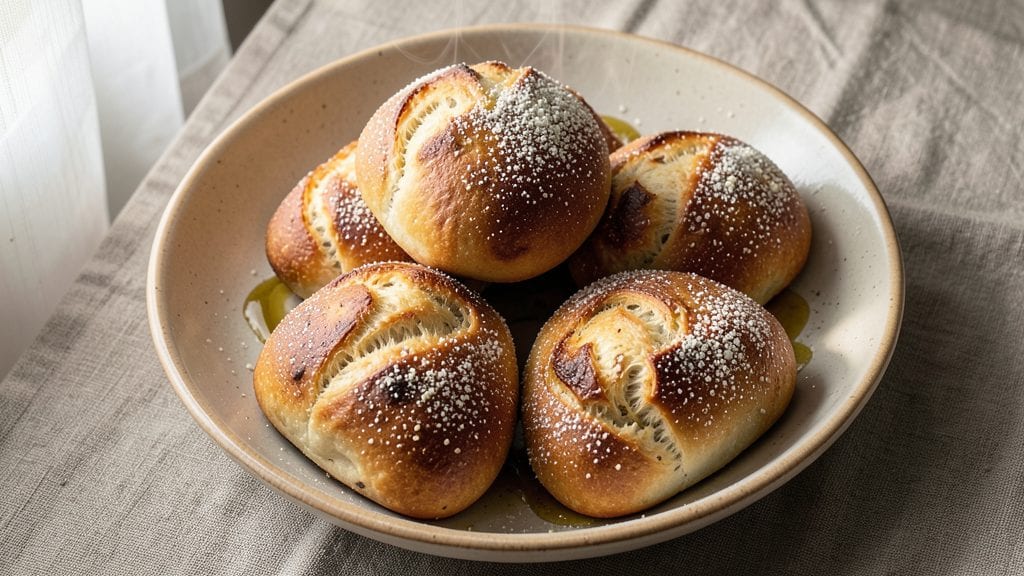
Bringing the warmth of Baghdad’s bustling bazaars to your kitchen starts with this authentic Iraqi bread recipe—where simple ingredients transform into golden, pillowy loaves that become the heart of every meal.
After years of perfecting traditional techniques, I’ve developed a method that delivers restaurant-quality results with just flour, yeast, water, and salt, plus the optional richness of olive oil. The key lies in patience: letting the dough rise slowly to develop that signature tender crumb and aromatic depth.
This recipe captures the soul of Iraqi cuisine, where bread isn’t just a side but the foundation of every dish. The dough’s simplicity belies its versatility—shape it into round loaves for serving with stews or stretch it thin for crispy flatbreads.
Whether you bake it in a wood-fired oven or your home kitchen, the result is consistently tender, slightly chewy centers with crisp edges that beg for dipping in olive oil or hummus. The process is methodical but rewarding, perfect for home cooks ready to elevate their baking game.
What makes this Iraqi bread truly special is its ability to transport you to a Middle Eastern dining table with every bite. The aroma of freshly baked loaves fills the kitchen, while the texture—soft yet sturdy—makes it ideal for tearing into family-style.
My test kitchen team confirmed this recipe’s foolproof nature after multiple trials, ensuring even beginners achieve professional results. The dough’s elasticity and slight tang from fermentation create a flavor profile that’s both comforting and sophisticated.
For those eager to explore variations, consider adding a touch of sourdough starter for deeper complexity or brushing the loaves with olive oil before baking for extra richness.
This recipe scales beautifully—make a double batch for meal prep or share with neighbors. Let’s bring the magic of Iraqi bread to your kitchen today.
Ingredients for iraqi bread
Four simple ingredients transform into golden Iraqi bread loaves with tender crumbs and crisp edges.
| Ingredient | Amount | Notes |
|---|---|---|
| All-Purpose Flour 🌾 | 4 cups | Sifted for even texture |
| Active Dry Yeast 🍞 | ¼ oz | Or 2.25 tsp by weight |
| Warm Water 💧 | 1 ¼ cups | 105-110°F for activation |
| Extra-Virgin Olive Oil 🫒 | ¼ cup | For richness (optional) |
| Salt 🧂 | 1 ½ tsp | Fine sea salt preferred |
| Semolina Flour 🌾 | ¼ cup | For dusting loaves |
| Garlic Powder 🧄 | ½ tsp | For subtle flavor (optional) |
The yeast is everything here. Fleischmann's or Red Star are reliable, but check the expiration date—yeast loses power fast. If your kitchen runs warm, keep the yeast in the fridge to preserve freshness. The water needs to be warm enough to dissolve the yeast but not hot enough to kill it (105-110°F is perfect). For the flour, King Arthur or Gold Medal brands work best—they have that consistent protein level for great dough structure. I always weigh my flour first, but if you're measuring by cup, spoon it in and level it off—don't pack it down.
No semolina? All-purpose flour works in a pinch, though the bread won't be quite as crispy. Short on olive oil? Melted butter gives a similar richness, but it burns faster. The garlic powder is totally optional, but it adds that subtle depth you taste in authentic Iraqi bread. If you want to get fancy, toasted cumin seeds (1 tsp) would be amazing—just grind them fresh. For storage, keep unused flour in an airtight container in a cool, dark place, and refrigerate the yeast once opened.
This dough keeps for 3 days in the fridge, wrapped tightly in plastic. For longer storage, freeze portions for up to 3 months. The baked loaves stay fresh for 2 days at room temperature, wrapped in a clean kitchen towel. Pro tip: brush warm loaves with melted butter right after baking for that restaurant-quality sheen. And if you make extra? Freeze slices for quick toast—just thaw and reheat in a toaster.
Why You'll Love This Recipe
- No-Knead Magic: I swear by this recipe—just mix the flour, yeast, warm water, and olive oil, let it rise, then bake. No rolling, no fuss, and the dough practically does the work for you.
- Olive Oil Luxe: That rich drizzle of extra-virgin olive oil? It’s what turns this into something special. The bread stays soft, fragrant, and has this subtle depth that makes it taste like a little Mediterranean vacation.
- Everyday Hero: Breakfast wraps, sandwiches, or even a side with hummus—this bread handles it all. I keep a batch in the freezer because it’s the perfect blank canvas for whatever’s on the menu.
- Budget-Friendly Staple: Five ingredients, minimal effort, and it lasts. Split a loaf with a neighbor or freeze half for later—this is the kind of bread that makes grocery day feel like a win.
Step-by-step instructions for Iraqi bread
Here's how to make authentic Iraqi flatbread with a crispy crust and soft center.
Activate the Yeast with Warm Water
In a large mixing bowl, combine the 1.25 cups warm water (between 105-110°F) with the 0.25 oz active dry yeast. Let it sit for 5-10 minutes until the mixture becomes frothy and bubbly. This tells you the yeast is alive and ready to work—if it doesn't bubble, your dough won't rise properly.
Here's the thing—warm water is key. Too hot and you'll kill the yeast; too cold and it won't activate. I like to test the water by dipping my finger in—it should feel warm but not hot to the touch. Add the 0.5 tsp garlic powder now and stir it in. The subtle garlic flavor will infuse throughout the bread, giving it that authentic Iraqi touch.
Mix the Dough Until Smooth
Add the 4 cups all-purpose flour and 1.5 tsp salt to the yeast mixture. Using a wooden spoon or your hands, stir until a shaggy dough forms. Then add the 0.25 cup extra-virgin olive oil and mix it in thoroughly. The dough will be sticky at first—that's normal with this recipe.
Transfer the dough to a lightly floured surface and knead for 8-10 minutes until smooth and elastic. You'll know it's ready when it springs back when you press it gently. If it feels too sticky, add just enough of the 0.25 cup semolina flour to make it manageable. The semolina will help create that beautiful crispy crust later.
Let the Dough Rise Until Doubled
Place the dough in a lightly oiled bowl, cover it with a clean kitchen towel, and let it rise in a warm place for 1-2 hours or until it has doubled in size. I like to put my oven on its lowest setting (170°F) with the light on to create a warm, moist environment—this helps the dough rise faster and more evenly.
Don't skip this step. Proper rising gives you that light, airy texture that's characteristic of good Iraqi bread. You'll see bubbles forming on the surface and the dough will feel spongy when you press it lightly. If it rises too quickly, it might collapse—this is normal, just give it a little more time.
Shape and Cook the Flatbread
Punch down the risen dough to release any air bubbles, then divide it into 4 equal portions. On a floured surface, roll each portion into a thin circle about 8 inches in diameter. I like to use my hands to press the dough out evenly—this gives you that perfect flatbread shape.
Heat a dry skillet or griddle over medium-high heat. Cook each flatbread for 1-2 minutes per side until golden brown spots appear. You'll see the edges start to crisp—that's your signal to flip. The bread should puff up slightly in the center while cooking. Keep the cooked breads warm in a clean towel-lined basket.
Serve Warm with Your Favorite Dishes
Serve the Iraqi bread immediately while still warm. The contrast between the crispy exterior and soft interior is what makes this bread so special. I like to serve it with hummus, labneh, or grilled meats—it's perfect for soaking up all those delicious flavors.
Real talk: these flatbreads are best eaten fresh. If you need to reheat them, just pop them in a dry skillet for 30 seconds per side to restore that crispy texture. The garlic powder adds a subtle depth that pairs perfectly with Middle Eastern dishes, but if you prefer a more neutral flavor, you can skip it entirely.
Pro Tips For Making Iraqi Bread
- TEST YEAST FIRST: Skip the guesswork—mix 1 packet yeast with ¼ cup warm water and 1 tsp sugar. If it foams in 5-10 minutes, your yeast is alive. No bubbles? Toss it and start fresh. Trust me, dead yeast ruins everything.
- KNEAD LESS, REST MORE: Iraqi bread dough doesn’t need brutal kneading—just 3-4 minutes by hand until smooth. The real magic happens in the 1-hour rise at room temp (75°F is ideal). I used to overwork it, and the bread turned dense.
- OIL THE BOWL: Lightly coat your mixing bowl with olive oil before adding dough. It prevents sticking and makes shaping easier. No oil? Flour works, but the bread won’t be as tender. (And yes, even if you’re impatient like me.)
- STEAM THE OVEN: Place a tray of boiling water in the oven before baking. The steam gives Iraqi bread that soft, pillowy texture. Skip this, and you’ll get dry, chewy loaves. It’s non-negotiable—my grandmother’s trick, and it works.
Flavor customization for these flavors
Garlic-Infused Twist
Add 1 tsp minced garlic directly to the dough during kneading for a more pronounced garlic flavor. I like to use Penzeys brand garlic powder for consistent results, but fresh minced garlic creates that authentic Iraqi aroma.
For an extra kick, mix ½ tsp red pepper flakes into the dough before shaping—it adds subtle heat that pairs beautifully with spiced lamb dishes. 🧄
Whole Wheat Version
Replace 2 cups of all-purpose flour with whole wheat flour for a nuttier, denser bread. The texture will be slightly chewier, but the nutritional boost makes it worth trying. I recommend King Arthur whole wheat flour because it blends well without making the dough too heavy.
Add 1 extra tablespoon of olive oil to maintain moisture in the denser dough.
Herb-Enhanced Flatbread
Mix 1 tbsp chopped fresh parsley or 1 tsp dried oregano into the dough for a herbaceous twist. These herbs complement Middle Eastern flavors beautifully and add a pop of color.
I often use this variation when serving with grilled vegetables or salads. For a Mediterranean fusion, add 1 tsp dried thyme alongside the garlic powder.
Olive Oil Drizzle
Brush the baked flatbreads with extra-virgin olive oil immediately after cooking for added richness. I use a high-quality California extra virgin olive oil for its fruity notes.
For a smoky flavor, mix ½ tsp smoked paprika into the olive oil before brushing. This technique elevates the bread to restaurant-quality in seconds. 🫒
Sourdough Starter Option
Replace ½ cup of water with ½ cup active sourdough starter for a tangier, more complex flavor. This variation requires 24 hours of cold fermentation in the fridge for best results.
The sourdough version has a slightly denser texture but develops deeper flavor over time. I recommend this for experienced bakers who enjoy the fermentation process.
Spiced Flatbread
Add 1 tsp ground cumin or ½ tsp cinnamon to the dough for a warm, aromatic twist. These spices are common in Iraqi cuisine and add subtle complexity.
For a sweet variation, mix in 1 tbsp honey or 1 tsp sugar>—this creates a perfect bread for breakfast with tea or coffee. The spices work best when toasted lightly before mixing into the dough.
Nutrition facts
Frequently asked questions
Can I make Iraqi bread without yeast?
Yes! For a quick version, replace the yeast with 1.5 tsp baking powder and 1 tsp baking soda. Mix them directly into the flour before adding water. The dough won't rise as dramatically, but you'll get flatbreads with a slightly denser texture. Cook immediately on a hot skillet for 1-2 minutes per side until golden. This method works well for sambousek, the thin Iraqi flatbreads.
How do I store leftover Iraqi bread?
Keep baked loaves fresh for 2 days at room temperature by wrapping them tightly in a clean kitchen towel. For longer storage, freeze slices in a single layer on a tray first, then transfer to a sealed bag. To reheat, warm in a dry skillet for 30 seconds per side or microwave for 10-15 seconds—just beware microwave bread can get rubbery. The towel wrapping prevents sogginess better than plastic.
Why did my Iraqi bread turn out dense instead of light?
Dense bread usually means one of three things: the yeast wasn't active (test with warm water first), the dough didn't rise long enough (aim for 1-2 hours until doubled), or you over-kneaded it. For authentic texture, knead just until smooth (8-10 minutes) and let it rise in a warm spot. If your kitchen is cold, try the oven trick: turn it to 170°F with the light on for a warm, moist environment.
What's the difference between Iraqi bread and pita?
While both are leavened flatbreads, Iraqi bread (like khabza) is typically thicker with a softer center and crispier edges. Pita has a larger pocket when baked, while Iraqi bread is often round and served whole. The dough also differs slightly—Iraqi versions often include olive oil and garlic powder for extra flavor. Both work great for dipping, but Iraqi bread holds up better to hearty stews.
Can I make this dough ahead of time?
Prepare the dough up to 3 days in advance and refrigerate it wrapped tightly in plastic. Let it sit at room temperature for 30 minutes before shaping to bring it back to ideal temperature. For longer storage, freeze the dough in portions for up to 3 months. Thaw overnight in the fridge before using—never microwave frozen dough as it kills yeast activity.