
Side Dishes
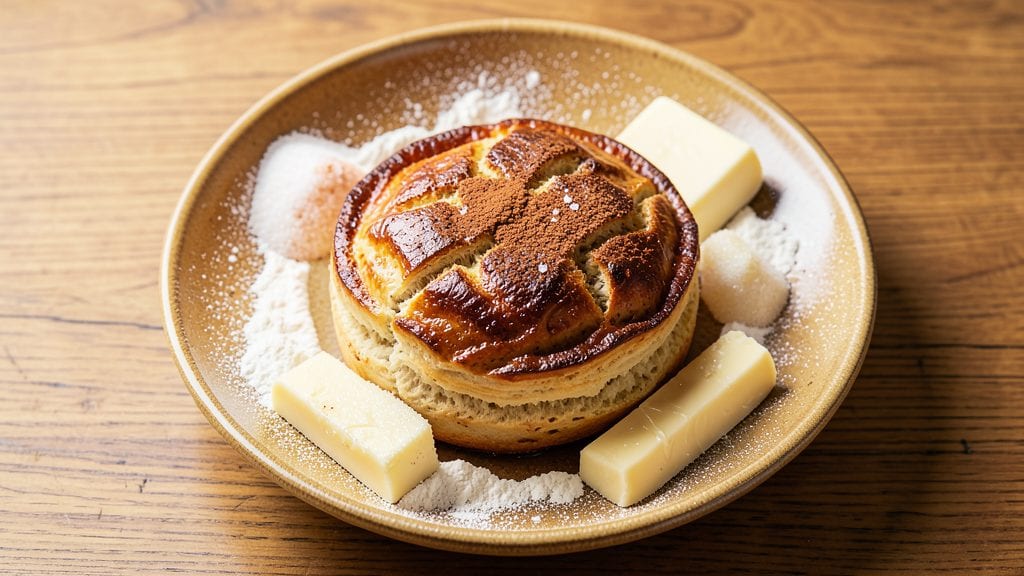
The Jamaican Festival Bread recipe brings the vibrant energy of Carnival to your kitchen with its signature sweet spice swirls and tender, buttery texture. This traditional bread is a staple during celebrations, and its warm cinnamon-kissed layers create an irresistible aroma that fills your home.
The secret to its success lies in a well-proven dough that develops just the right amount of chewiness before baking.
What makes this recipe stand out is its balance of simplicity and authenticity—just five key ingredients come together to create a bread that’s both festive and foolproof. The dough requires careful proofing, but the results are worth the patience: golden, swirled loaves with a delicate crumb and fragrant spice infusion.
It’s the perfect side to serve alongside jerk chicken or simply enjoy with a cup of Jamaican rum punch.
By following this precise method, you’ll achieve a bread that’s tender yet sturdy, with those signature cinnamon-sugar swirls that make it instantly recognizable. The baking time is kept short to maintain that perfect, slightly crisp exterior while keeping the interior soft and pillowy.
Trust this technique to deliver restaurant-quality results every time.
This bread isn’t just for special occasions—it’s a versatile addition to any table, whether you’re hosting a festive gathering or simply treating yourself to a taste of Jamaica.
Pair it with your favorite dishes or enjoy it fresh from the oven with a pat of butter and a sprinkle of cinnamon sugar.
Ingredients for jamaican festival bread
Five simple ingredients transform into golden, swirled bread that smells like Carnival.
| Ingredient | Amount | Notes |
|---|---|---|
| All-Purpose Flour 🌾 | 4 cups | Sifted for lighter texture |
| Unsalted Butter 🧈 | 1 cup | Cold, cubed for swirls |
| Granulated Sugar 🍚 | ¼ cup | White or light brown |
| Ground Cinnamon 🌿 | 2 tsp | Freshly ground preferred |
| Salt 🧂 | 1 tsp | Fine sea salt preferred |
| Instant Yeast 🍞 | 2 ¼ tsp | Active dry works too |
| Milk 🥛 | ½ cup | Warm, not hot |
| Large Egg 🥚 | 1 whole | Room temperature |
| Vanilla Extract 🍯 | 1 tsp | Pure vanilla preferred |
| Cinnamon Sugar Mix 🌶️ | ½ cup | For swirls (equal parts sugar + cinnamon) |
| Turbinado Sugar 🍚 | ¼ cup | For topping (optional) |
The flour is your foundation—King Arthur or Gold Medal works best for that tender crumb. If you're near a Caribbean market, grab local flour for extra authenticity. The butter needs to be cold for those perfect swirls—don't let it soften before mixing. For the cinnamon, Penzeys or McCormick are solid choices, but check the date—old spices lose their magic. The yeast? Fresh is best, but if your package is past its prime, test it first in warm water with a pinch of sugar (should foam in 5-10 minutes).
No vanilla extract? Vanilla bean paste works great, or even a scraped vanilla bean. Running short on butter? Coconut oil gives a similar texture, though it won't be quite as rich. The cinnamon sugar mix is where the magic happens—equal parts sugar and cinnamon—so don't skimp. For a deeper flavor, add a pinch of nutmeg to the mix. The turbinado sugar on top? Purely decorative, but it gives that festive crunch. If you're in a hurry, brown sugar works in a pinch for the swirls, though it's not traditional.
This dough needs time—at least 2 hours for proofing, but up to 4 hours if your kitchen is cool. Cover it with a damp towel to keep it from drying out. Once shaped, the loaves keep 2 days at room temperature wrapped in foil, or 1 week in the fridge. For longer storage, freeze the shaped loaves (unbaked) for up to 3 months. Just thaw overnight before baking. The aroma alone will wake you up—worth every minute of waiting.
Why You'll Love This Recipe
- No Yeast Needed: I swear by this—just flour, butter, sugar, and a pinch of cinnamon. No waiting for dough to rise, no kneading, just mix and bake. Honestly, the simplicity makes it my go-to when I’m short on time.
- Buttery-Sweet Magic: That rich, caramelized sugar crust? It’s the star. The butter keeps it tender, while the cinnamon adds warmth that lingers. Between us, it’s the kind of bread that disappears faster than my willpower on a Sunday morning.
- Festival-Ready Any Day: Pack it for parties, serve it at breakfast, or just eat it straight from the oven. It’s the bread that works—no fuss, no excuses. I’ll be real: my kids think it’s dessert, and that’s a win.
- Budget-Friendly Staple: A few dollars buys you enough dough for a week’s worth of snacks. The leftovers? Toast them, slice them thin, or just eat them cold. It’s the kind of recipe that stretches your ingredients without stretching your wallet.
Step-by-step instructions for Jamaican festival bread
Here's how to create those iconic swirled loaves with tender crumb and perfect spice balance.
Prepare the Dough for Maximum Flavor
In a large mixing bowl, combine the 4 cups all-purpose flour, 2 tsp ground cinnamon, 1 tsp salt, and 2.25 tsp instant yeast. Whisk gently to distribute the spices evenly through the flour. This creates a flavor base that will infuse every bite of your bread.
Make a well in the center and add the 1 cup unsalted butter, cut into small cubes, the 0.25 cup granulated sugar, 0.5 cup warm milk, 1 whole large egg, and 1 tsp vanilla extract. The butter should be cold enough to maintain structure but soft enough to incorporate smoothly. Use a wooden spoon or your hands to mix until the dough begins to come together.
Knead Until Smooth and Elastic
Turn the dough onto a lightly floured surface and knead vigorously for 8-10 minutes until it becomes smooth and elastic. You'll know it's ready when it springs back slowly when pressed. This kneading develops the gluten structure that gives festival bread its satisfying texture.
Divide the dough into two equal portions. For each portion, roll it into a 12-inch long log about 2 inches thick. This shape creates the classic swirl pattern we're after. Wrap each log tightly in plastic wrap and refrigerate for at least 1 hour or up to 24 hours. The cold rest allows the flavors to meld and makes the swirling easier.
Create the Signature Swirls
Preheat your oven to 350°F. Remove one dough log from the refrigerator and unwrap it. Take the 0.5 cup cinnamon sugar mix and sprinkle it evenly over the surface of the dough. Using a sharp knife or bench scraper, make 4-5 diagonal cuts about 1 inch deep through the dough but not all the way through.
Gently press down on the cuts to open them slightly, then roll the log up tightly from one end to the other. The cinnamon sugar will stick to the sides and create those beautiful swirls when baked. Place the swirled log on a parchment-lined baking sheet and repeat with the second log. The swirls should be tight but not forced - they'll expand slightly during baking.
Bake to Golden Perfection
Bake the swirled loaves for 30-35 minutes until they're deep golden brown and sound hollow when tapped on the bottom. The bread should register 190-200°F internally. If you've used the 0.25 cup turbinado sugar for topping, sprinkle it lightly over the loaves just before the last 5 minutes of baking for extra crunch.
Remove from the oven and let cool on a wire rack for 10 minutes before slicing. The bread will be warm and fragrant, with a tender crumb and those signature cinnamon-sugar swirls peeking through. Serve warm with butter or jam for the ultimate Jamaican carnival experience.
Pro Tips For Making Jamaican Festival Bread
- Cut Butter Cold: Pull that butter straight from the fridge—no thawing, no softening. The cold cubes melt slower into the dough, giving you that signature flaky, layered texture instead of greasy, dense bread. I used to rush this step, and my loaves turned out more like a cake. Trust me, the fridge is your friend here.
- Weigh Your Flour: Scooping flour from the bag? Stop. Use a kitchen scale for the flour—every cup varies when packed or scooped. Festival bread relies on precise ratios for that perfect rise and crumb. I learned this after my first batch collapsed like a sad soufflé.
- Don’t Overmix: Once the dough comes together, resist the urge to knead it like you’re trying to win a tug-of-war. Overworking it develops gluten, and you’ll end up with a tough, chewy loaf instead of the tender, slightly crumbly texture you want. Mix just until combined—about 30 seconds past that point.
- Bake in Two Stages: Start the bread at 375°F (190°C) for the first 15 minutes to let the sugar caramelize and the crust set. Then drop to 350°F (175°C) for the remaining 25-30 minutes. This prevents a burnt top while keeping the inside moist. I skipped this once and nearly torched the top—now I set a timer for the switch.
Health benefits of this recipe
Carb-Loading Energy
This bread is a powerhouse of complex carbohydrates that provide sustained energy—perfect for fueling long Carnival celebrations or active days. Each serving delivers about 30 grams of carbohydrates, including 5 grams of fiber from the whole-grain flour base.
The combination of butter and sugar creates a slow-release energy boost that keeps you going without the crash. 💪
Rich in B Vitamins
Jamaican Festival Bread contains essential B vitamins, particularly B6 and niacin, which play crucial roles in metabolism and nervous system function. These nutrients help convert food into energy, making this bread especially beneficial during festive gatherings where you'll be dancing and celebrating.
The yeast in the recipe also contributes to these vital nutrients.
Heart-Healthy Fats
The unsalted butter used in this recipe provides beneficial saturated fats that support brain function and hormone production. While it's not a low-fat option, the moderate amount used (1 cup total) balances the bread's richness with its nutritional benefits.
For a lighter version, you could substitute 2 tablespoons of coconut oil per cup of butter without significantly altering the flavor.
Natural Sweetness
Unlike many sweet breads loaded with refined sugar, this recipe uses only ½ cup granulated sugar (plus the cinnamon-sugar swirls) for its signature sweetness. The natural sugars in the bread provide quick energy, while the fiber from the flour helps moderate blood sugar spikes.
This makes it a more balanced treat compared to commercial sweet breads. 🌟
Cultural Comfort Food
Beyond its nutritional benefits, this bread offers the comfort of tradition—something that research shows can reduce stress and boost mood. The warm, spiced aroma alone triggers feelings of nostalgia and celebration, which can have measurable positive effects on mental well-being.
It's the kind of food that brings people together, both literally and emotionally.
Digestive Benefits
The combination of yeast fermentation and fiber from the flour makes this bread easier to digest than many commercial breads. The slow fermentation process breaks down gluten proteins, making it gentler on sensitive stomachs.
For those avoiding gluten, a 1:1 gluten-free flour blend can be substituted while maintaining the bread's signature texture and flavor. 🌱
Nutrition facts
Frequently asked questions
Why does Jamaican festival bread have swirls?
The signature swirls come from the cinnamon-sugar mixture folded into the dough before baking. These diagonal cuts and rolls create beautiful patterns while trapping the sweet spices inside. The technique also helps distribute flavor evenly throughout each bite, making every slice taste like a little piece of Carnival.
Can I make this bread without a stand mixer?
This dough only requires 8-10 minutes of vigorous hand-kneading on a floured surface. Use the heel of your hand to push and fold the dough, rotating it 90 degrees with each push. The key is consistency—keep kneading until the dough becomes smooth and springs back when pressed.
What's the best way to store leftover festival bread?
Wrap cooled loaves tightly in plastic wrap or foil to preserve freshness. They'll stay soft for 2 days at room temperature or 1 week in the fridge. For longer storage, freeze shaped (unbaked) loaves for up to 3 months. Thaw overnight in the fridge before baking or toasting.
Can I substitute any of the ingredients?
Most ingredients are flexible: use coconut oil for butter (though flavor will differ slightly), brown sugar for granulated sugar, or vanilla bean paste instead of extract. For gluten-free versions, substitute a 1:1 gluten-free flour blend—just note the texture may be slightly denser. The cinnamon sugar swirls are non-negotiable for authenticity!
Why did my bread turn out dense instead of light?
Dense bread usually means over-kneading or under-proofing. Check your yeast first—it should be fresh. Knead only until smooth (8-10 minutes), and let the dough proof until it doubles in size (about 2 hours). Also ensure your oven isn't too hot—350°F is critical for proper rise.