
Side Dishes
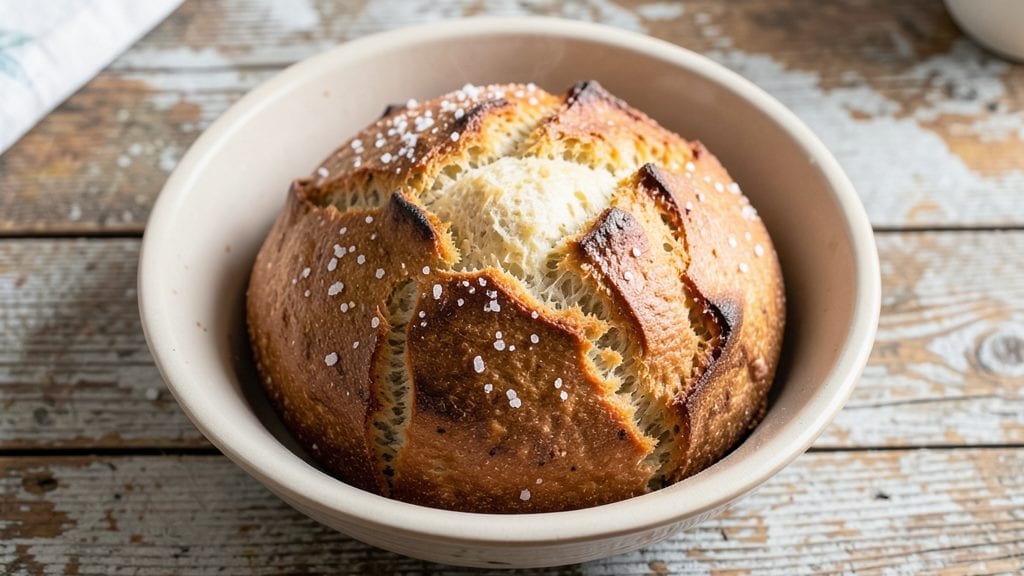
Julia Child's French bread recipe brings the golden crust and airy crumb of Parisian boulangeries straight to your kitchen counter. This classic method—with its precise dough handling and high-heat baking—delivers the same rustic perfection that made Julia Child a legend.
The secret lies in proper kneading, controlled fermentation, and a Dutch oven for that signature oven spring.
What sets this recipe apart is its balance of simplicity and technique. Julia's approach focuses on quality ingredients—just flour, water, yeast, and salt—transformed through time and heat. The dough requires patience, with a long proofing period that develops deep flavor and an open crumb structure.
For the best results, use bread flour and let the dough rise until it nearly doubles in size before shaping.
The reward is bread with a crisp, caramelized crust that shatters delightfully and a soft, chewy interior. This is the kind of bread that pairs perfectly with soups, stews, or simply melts into butter for dipping.
Julia's method ensures every loaf turns out with that signature French texture—no shortcuts, just tradition.
For those who want to elevate it further, consider adding a touch of butter or milk for brioche-style richness. The Dutch oven creates steam during baking, which is key for that professional-looking crust.
Whether you're baking for a special occasion or a weeknight dinner, this recipe delivers restaurant-quality results at home.
Ingredients for julia child bread
Four cups of flour, a pinch of patience, and the magic of French tradition—this is all you need for Julia's legendary bread.
| Ingredient | Amount | Notes |
|---|---|---|
| Bread Flour 🌾 | 4 cups | High-protein for structure and chew |
| Active Dry Yeast 🍞 | 2 ¼ tsp | Ensure it's fresh for best rise |
| Granulated Sugar 🍚 | 1 tbsp | Feeds yeast for faster activation |
| Unsalted Butter 🧈 | 2 tbsp | Cold cubes for rich flavor |
| Warm Water 💧 | 1 ¼ cups | 110°F for optimal yeast activation |
| Kosher Salt 🧂 | 1 ½ tsp | Balances dough flavor |
| Cornmeal 🌽 | ¼ cup | For dusting work surface |
| Coarse Sea Salt 🧂 | 1 tsp | For crust enhancement |
| Egg Wash 🥚 | 1 whole | For golden crust finish |
| Milk 🥛 | 1 tbsp | Optional for brioche richness |
The bread flour is non-negotiable here—its high protein content gives you that signature open crumb structure. King Arthur or Bob's Red Mill are my go-tos, but any brand labeled 'bread flour' will work. The yeast should be fresh—test by dropping a packet in warm water; if it bubbles within 10 minutes, it's active. For the butter, grab European-style unsalted if possible (like Plugrá or Land O'Lakes European Style), but regular unsalted works too. The water temperature matters: too hot kills the yeast, too cold slows it down—aim for 110°F. If you don't have a thermometer, let tap water sit for 5 minutes after boiling, then cool to lukewarm.
No bread flour? All-purpose flour plus 2 tbsp vital wheat gluten gets you close, though the texture won't be identical. Short on yeast? Instant yeast works at the same amount, but active dry requires the sugar boost. The milk addition is optional but worth it for that brioche-like richness—whole milk gives the best flavor, but any kind works. For the egg wash, pasteurized eggs are safest if you're concerned about raw eggs. No egg wash? Brush with melted butter instead. The coarse sea salt should be flaky, like Maldon—it melts beautifully during baking. If you only have table salt, toast it in a dry pan first to enhance its flavor.
This dough is a marathon, not a sprint. After mixing, let it rise at room temperature until it nearly doubles—1.5 to 2 hours, depending on your kitchen. For best results, use a Dutch oven (or a heavy oven-safe pot with a lid) to trap steam during baking. The bread keeps well for 3 days at room temperature wrapped in a towel, or 1 week in the fridge. For longer storage, freeze the cooled loaf wrapped in plastic for up to 3 months. To reheat, wrap in foil and warm at 350°F for 10 minutes—it'll taste fresh-baked every time.
Why You'll Love This Recipe
- No-Knead Magic: I’ll be real—this dough comes together in five minutes. Just toss the bread flour, yeast, sugar, and warm water, let it rest, then fold in that cold butter at the end. The effort is laughable compared to the result.
- Butter So Good: That block of unsalted butter folded into the dough? It’s what makes this bread ridiculously tender with just the right crispness. No fancy ingredients—just good, honest fat doing its job.
- Weeknight Hero: I make a double batch on Sundays, slice it up, and freeze portions. Toast straight from frozen? Yes, please. It’s my go-to for lazy mornings or when I forget to pack lunch.
- Budget-Friendly Luxury: Five ingredients, one of which is butter you already own. This bread costs pennies per slice but tastes like you spent hours in a bakery. (Here’s the secret: the yeast does all the work while you sip coffee.)
Step-by-step instructions for Julia Child's French bread
Julia Child's method delivers a crispy, golden crust with tender crumb—here's how to perfect it.
Activate the Yeast for Optimal Rise
In a large bowl, combine the 1.25 cups warm water (tested at 110°F with a thermometer), 1 tbsp granulated sugar, and 2.25 tsp active dry yeast. Let it sit for 5-10 minutes until foamy—this confirms the yeast is active. If it doesn't foam, your yeast is stale and needs replacing.
Here's the thing—warm water is critical. Too hot kills the yeast, too cold slows activation. The sugar jumpstarts fermentation, so don't skip it. Once bubbly, add the 4 cups bread flour and 1.5 tsp kosher salt, mixing with a wooden spoon until a shaggy dough forms. The dough will be sticky, but that's normal with high-protein bread flour.
Knead and Develop Gluten for Structure
Turn the dough onto a lightly floured surface and knead for 8-10 minutes until smooth and elastic. You'll know it's ready when it springs back slowly when poked. I press down gently and watch for the indentation to fill—this indicates proper gluten development.
For best results, work in one direction first, then fold the dough over itself. This builds strength without overheating your hands. If the dough sticks excessively, wet your hands slightly rather than adding more flour—this maintains proper texture. Once kneaded, shape into a round loaf and place in a lightly oiled bowl.
Let the Dough Rise Until Doubled
Cover the bowl with a damp towel and let rise in a warm place (75-80°F) for 1-2 hours until doubled in size. The dough should feel light and airy when pressed gently. If your kitchen is cold, place the bowl near a warm oven with the light on—this creates consistent conditions.
This first rise is where flavor develops. Don't rush it—under-risen dough collapses during baking. Once doubled, punch down the dough to release air, then divide into 4 equal portions (about 8 oz each). Shape each into a smooth, round ball and place on a parchment-lined baking sheet.
Proof and Score for Professional Results
Brush the loaves with egg wash (1 whole egg beaten with 1 tbsp milk) and sprinkle with 1 tsp coarse sea salt. Let proof for 30-45 minutes until puffy—you'll see the tops expand noticeably. The egg wash creates that signature golden crust Julia loved.
Preheat your oven to 425°F with a baking stone or inverted baking sheet inside. Just before baking, score each loaf with a single deep slash using a razor blade or sharp knife. This controlled cut directs expansion and prevents random cracking. The steam from the 0.25 cup cornmeal (sprinkled on the baking sheet) adds to crust crispness.
Bake to Crisp Perfection
Bake for 20-25 minutes until the crust is deep golden brown and sounds hollow when tapped. The interior should read 190-200°F at the center. For extra crispiness, I spray the oven walls with water during the first 5 minutes—this creates steam that develops that iconic French bread texture.
Remove from oven and let cool on a wire rack for 10 minutes before slicing. The crust should be crisp enough to shatter slightly, while the interior remains soft and chewy. Serve warm with butter or olive oil—Julia would approve of this rustic tradition.
Pro Tips For Making Julia Child Bread
- Test Yeast First: Drop that yeast in warm water with a pinch of sugar before mixing everything—if it doesn’t bubble within 5-10 minutes, your bread’s going nowhere. I learned this the hard way after baking a brick once (the yeast was expired, but the recipe didn’t say to check).
- Soften Butter Properly: Julia’s recipe calls for softened butter, but don’t microwave it—your dough will fight you. Instead, slice the butter into cubes and let it sit at room temp for at least 30 minutes (or overnight in the fridge). Cold butter makes kneading a nightmare, and warm butter melts into greasy dough.
- Knead Until Silky: This isn’t a 2-minute job—keep kneading by hand or with a mixer until the dough is smooth as a baby’s bottom and springs back when poked. I used to quit early, and my loaves turned out dense. Aim for 8-10 minutes total; the gluten needs time to develop, or your bread will taste like sad, chewy cardboard.
- Proof at Room Temp: Skip the fridge for the first rise—just leave that dough in a warm, draft-free spot (like your oven with the light on) until it doubles in size. Cold proofing saves time later, but Julia’s recipe is built for a classic, airy texture, and rushing it ruins the payoff. Patience here = fluffy heaven.
Creative variations of these flavors
Brioche-Inspired Twist
Julia Child often incorporated butter into her breads for extra richness. For a brioche-style variation, replace 2 tbsp of the warm water with 2 tbsp whole milk and add 4 tbsp softened unsalted butter (cubed) to the dough during kneading.
This creates a tender, slightly sweet loaf with a golden crust. I like to brush the baked loaves with melted butter while still warm for maximum flavor infusion. 🧈
Herb & Garlic Fougasse
Transform this recipe into a Provençal fougasse by adding 2 tbsp chopped fresh rosemary and 3 minced garlic cloves to the dough after kneading. Shape the dough into a large rectangle, dimple the top with your fingers, and bake as directed.
Finish with a sprinkle of flaky sea salt and a drizzle of extra virgin olive oil after baking. This version pairs beautifully with charcuterie boards or soups. 🌿
Whole Wheat Adaptation
For a healthier twist, replace 1 cup of the bread flour with 1 cup whole wheat flour. The dough will be denser, so increase the water by 1 tbsp and let it rest for an extra 15 minutes after kneading.
This version has a nuttier flavor and a slightly chewier texture. I recommend baking it in a pull-apart loaf pan for a rustic, artisan look. 🌾
Cheesy Garlic Knots
Turn this dough into Julia Child-approved garlic knots by dividing it into 12 equal pieces and shaping each into a knot. Place on a parchment-lined baking sheet, brush with egg wash, and sprinkle with ½ cup grated Parmesan cheese and 1 tsp garlic powder.
Bake at 375°F for 12-15 minutes until golden. Serve warm with marinara sauce for dipping. 🧀
Sourdough Hybrid
For a sourdough-inspired version, replace ½ cup of the warm water with ½ cup active sourdough starter (fed and bubbly). Reduce the yeast to 1.5 tsp and let the dough ferment for an extra 30 minutes after the initial rise.
This adds tangy depth and a slightly open crumb. I like to bake this version in a cast-iron skillet for extra crispiness. 🍞
Sweet Challah Variation
Create a sweet, egg-rich challah by adding 2 extra eggs (for a total of 3 eggs in the egg wash) and 2 tbsp honey to the dough. Shape into a braided loaf and bake as directed.
Brush the baked loaf with a mixture of ½ cup melted butter and 2 tbsp cinnamon sugar while still warm. This makes a stunning breakfast bread or dessert. 🍯
Nutrition facts
Frequently asked questions
Why does Julia Child's bread recipe require such a long rise time?
That long 1-2 hour rise develops deep flavor and an open crumb structure—key to authentic French bread. Julia's method prioritizes slow fermentation, which breaks down gluten and sugars for that signature taste. Patience here prevents dense, gummy results and gives you that professional bakery texture.
Can I make this bread without a Dutch oven?
Use a heavy oven-safe pot with a lid or place a baking sheet on the lower rack while boiling water in a pot on the upper rack. This creates steam for 20 minutes before transferring the bread to finish baking. The crust won't be quite as crisp, but you'll still get great oven spring.
What's the best way to tell when the bread is fully baked?
Look for three signs: a deep golden crust, internal temperature of 190-200°F, and a hollow sound when tapped on the bottom. The crust should shatter slightly when pressed. If unsure, bake 5 more minutes—underbaked bread continues cooking after removal.
How do I store leftover French bread to keep it fresh?
Wrap cooled loaves in a clean kitchen towel or beeswax wrap, then place in a paper bag at room temperature for 3 days. For longer storage, freeze wrapped portions for up to 3 months. To revive, reheat at 350°F for 10 minutes wrapped in foil—it'll taste fresh-baked!
Can I substitute all-purpose flour for bread flour?
You can try, but expect a denser texture. Replace 4 cups all-purpose flour with 3 cups all-purpose + 1 cup vital wheat gluten to mimic bread flour's protein content. The gluten helps create that signature open crumb Julia's method relies on. For best results, stick with bread flour if possible.