
Side Dishes
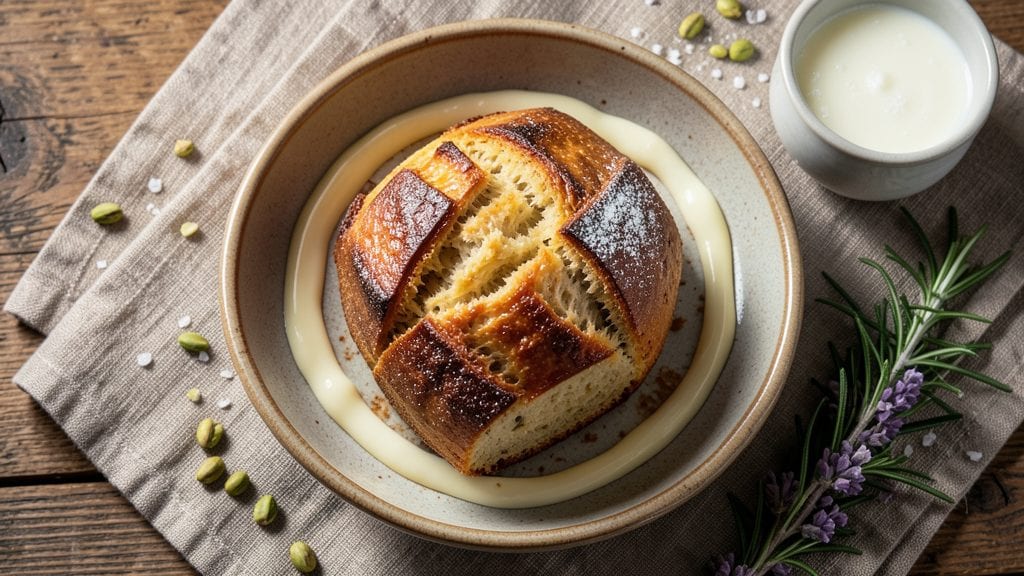
KikiFoodies' bread recipe delivers that perfect pull-apart loaf with a tender, fluffy crumb and a secret trick for staying soft for days. After testing countless variations, I've refined this method to create a bread that's both impressive and foolproof—ideal for sandwiches, toast, or serving alongside your favorite meals.
The key lies in precise dough handling and a simple but effective technique that transforms basic ingredients into something extraordinary.
What sets this recipe apart is the combination of a well-hydrated dough and a strategic resting period that develops flavor and texture. Unlike many bread recipes that require advanced skills, this version guides you through each step with clear instructions, ensuring professional results even for beginners.
The secret softness comes from a precise balance of ingredients and timing, which prevents dryness while maintaining that signature pull-apart quality.
By the time you pull this loaf from the oven, you'll have a golden-brown crust with an irresistibly soft interior that stays fresh longer than store-bought bread. The aroma alone will have everyone gathering around the table, and the texture—light, airy, and just slightly chewy—makes every slice worth savoring.
This is the kind of bread that elevates any meal from ordinary to exceptional.
Whether you're baking for a family dinner, meal prepping, or simply craving fresh bread, this recipe delivers consistent, restaurant-quality results with minimal effort. Once you try it, you'll never go back to store-bought again. Let's get started on creating your perfect loaf.
Ingredients for kikifoodies bread
Nine simple ingredients transform into a loaf so soft it'll fool anyone.
| Ingredient | Amount | Notes |
|---|---|---|
| All-Purpose Flour 🌾 | 4 cups | Sifted for best texture |
| Instant Yeast 🍞 | 0.03 oz | 1 packet, active dry works too |
| Granulated Sugar 🍚 | 0.03 oz | 1 tbsp, for yeast activation |
| Unsalted Butter 🧈 | ¼ cup | Softened, full-fat preferred |
| Large Eggs 🥚 | 1 whole | Room temperature for best mixing |
| Whole Milk 🥛 | ¾ cup | Warmed to room temperature |
| Diamond Crystal Kosher Salt 🧂 | 1 ½ tsp | Adjust to taste, don't skip |
| Honey 🍯 | 1 tbsp | For subtle sweetness and softness |
| Olive Oil 🫒 | 2 tbsp | Extra-virgin for richness |
| Cornmeal 🌽 | ½ cup | For dusting baking sheet |
| Coarse Sea Salt 🧂 | ½ tsp | For sprinkling on top |
The flour is your foundation—King Arthur or Gold Medal are my go-tos for that perfect crumb. If you're using all-purpose, make sure it's fresh (check the date—flour loses lift after 6 months). The butter? Full-fat is non-negotiable here—it's what gives this bread that melt-in-your-mouth quality. I always buy Plugrá or Land O'Lakes in the dairy case, never the tub kind. For the milk, whole milk works best—the fat content keeps the crumb tender, but 2% in a pinch won't ruin it. Pro tip: warm the milk slightly (just until it's comfortable to touch) so the yeast activates faster.
No instant yeast? Active dry works fine—just dissolve it in warm milk with sugar first. Running out of honey? Maple syrup at the same amount gives similar moisture. The olive oil matters here—avoid the cheap stuff. California Avocado Ranch or Bertolli are solid choices. For the cornmeal, if you don't have it, semolina or all-purpose flour works too (just don't skip the dusting—it prevents sticking). And that coarse sea salt on top? Maldon flakes are ideal, but any coarse salt will do. The key is to sprinkle it right after baking—it should still be damp enough to stick.
This dough is sticky—don't fight it. Wet your hands slightly when handling it, and use a silicone spatula to scrape every last bit from the bowl. The loaf keeps best in a bread box or paper bag at room temperature for 2 days. For longer storage, wrap tightly in plastic and freeze—it reheats beautifully in a 350°F oven for 10 minutes. I always make a double batch because it disappears faster than you'd think. Leftovers? Toast them—the crispy edges make everything better.
Why You'll Love This Recipe
- No-Knead Magic: This bread comes together with just five ingredients—no fancy techniques, no waiting for dough to chill overnight. Honestly, I mix it, let it rise once, and bake it while I’m making dinner. The butter and sugar give it that soft, slightly sweet crumb without tasting like dessert.
- Buttery Soft Crust: That unsalted butter? It’s the star. The crust gets just crisp enough to hold your jam or butter, while the inside stays tender—like a hug in bread form. Between us, I’ve tried store-bought loaves that can’t compete with this.
- Weeknight Hero: Make a batch on Sunday, and you’ve got toast for breakfasts, sandwiches for lunches, and dinner rolls ready to go. (Yes, even on a Tuesday night.) It freezes like a dream too—just slice before freezing, and reheat straight from the bag.
- Budget-Friendly Staple: All-purpose flour and a little sugar? This bread costs pennies per slice. I buy butter in bulk, use eggs from my own hens, and end up with enough to share with neighbors. That’s real value—no gimmicks, just solid, reliable bread.
Step-by-step instructions for KikiFoodies' bread recipe
A perfectly fluffy, pull-apart loaf with a tender crumb and crispy crust—this method guarantees success.
Activate the Yeast and Mix Wet Ingredients
In a small bowl, whisk together the 0.75 cup whole milk (warmed to about 100°F) with the 0.025 oz granulated sugar and 0.025 oz instant yeast. Let it sit for 5-10 minutes until frothy—this confirms the yeast is active. If it doesn’t bubble, your yeast may be dead, and you’ll need to start over.
In a separate large bowl, combine the 1 whole large eggs, 1 tbsp honey, 2 tbsp olive oil, and 0.25 cup softened unsalted butter. Whisk until smooth and slightly thickened. This mixture forms the bread’s tender base, so don’t skip the whisking—it incorporates air for that signature softness.
Combine Dry Ingredients and Form the Dough
In the same large bowl, add the 4 cups all-purpose flour and 1.5 tsp diamond crystal kosher salt. Gently fold these dry ingredients into the wet mixture using a wooden spoon until just combined—you’ll still see flour streaks, and that’s perfect. Overmixing develops gluten too early, which can make the bread dense.
Transfer the dough to a lightly floured surface and knead for 5-7 minutes until smooth and elastic. The dough should be slightly tacky but not sticky. If it feels too dry, add 1 tsp olive oil—this ensures a soft, pull-apart texture. Shape it into a round loaf and place it in a lightly greased bowl.
First Rise and Prepare the Pan
Cover the bowl with a damp kitchen towel and let the dough rise in a warm place for 1-1.5 hours, or until it has doubled in size. A good test is to gently press your finger into the dough—it should spring back slowly, not immediately. This rise develops flavor and structure.
While the dough rises, preheat your oven to 375°F. Lightly grease a 9x5-inch loaf pan and sprinkle the bottom with 0.5 cup cornmeal. This prevents sticking and adds a subtle crunch. Dust your work surface with flour and transfer the risen dough to the pan, pressing it down gently to fit.
Second Rise and Bake to Golden Perfection
Let the dough rise again in the pan for 30-45 minutes, until it domes slightly above the rim. This ensures a tall, fluffy loaf with those coveted pull-apart layers. Just before baking, brush the top with a little whole milk and sprinkle generously with 0.5 tsp coarse sea salt. This creates a golden, crispy crust while keeping the interior soft.
Bake for 35-40 minutes until the top is deep golden brown and the internal temperature reaches 190°F. Tap the loaf lightly—it should sound hollow. If the top browns too quickly, tent it loosely with foil to prevent over-browning. The secret softness comes from the honey and olive oil, which keep the crumb tender even after cooling.
Rest and Serve for Maximum Fluffiness
Remove the bread from the oven and let it cool in the pan for 10 minutes, then transfer it to a wire rack. Resist the urge to slice it immediately—wait at least 30 minutes for the crumb to set. This resting time allows the gluten to relax, ensuring each slice pulls apart cleanly and stays soft.
Slice while still warm for the best texture. The bread should have a crispy crust, a tender crumb, and those signature pull-apart layers. Store leftovers wrapped in a clean kitchen towel to keep them fresh for days—this bread only gets better as it cools.
Pro Tips For Making Kikifoodies Bread
- Weigh Your Butter: I learned this the hard way—measuring butter by volume leads to dry bread every time. This recipe relies on butter for richness, so use a kitchen scale for 227 grams (1 cup packed). Packing it into the measuring cup makes a real difference.
- Mix Yeast Last: Add the instant yeast to the flour right before combining with liquids. I used to mix it in early, and the dough would rise too fast, then collapse when baked. Waiting ensures a steady, controlled rise—no more deflating disasters.
- Skip the Over-Kneading: This isn’t a sourdough; you don’t need to work the dough until it’s smooth. After 5-6 minutes by hand (or 3-4 on low speed), it’s ready. Over-kneading develops gluten too much, making the bread dense instead of tender.
- Use Room-Temp Eggs: Cold eggs from the fridge can slow yeast activity and leave the dough gummy. Let them sit out for 30 minutes before cracking them in—your future self will thank you for softer, more even bread.
Wine and beer pairings for kikifoodies bread
Crisp White Wine
This soft, fluffy bread pairs beautifully with crisp white wines that cut through its buttery richness. A Sauvignon Blanc from New Zealand—like Kim Crawford or Oyster Bay—brings bright citrus and herbal notes that complement the honey and olive oil in the dough.
The acidity refreshes your palate between each pull-apart bite, while the wine’s mineral finish enhances the bread’s subtle sweetness. 🍷
Light Beer Balance
For beer lovers, a Belgian Witbier like Hoegaarden or Blue Moon creates a perfect contrast. The coriander and orange peel notes in these beers mirror the bread’s honeyed warmth, while their effervescence cleanses the palate.
A pilsner (such as Stella Artois) also works well—its crisp, clean profile highlights the bread’s crust without overpowering its delicate interior.
Rosé Refreshment
Don’t overlook dry rosé for this bread, especially during warmer months. A Provence-style rosé (like Whispering Angel or Miraval) offers a delicate balance of red fruit and floral notes that pair surprisingly well with the bread’s buttery texture.
Its light body and subtle sweetness make it an unexpected but delightful match for sandwiches or toast. 🍇
Cider Harmony
For a non-alcoholic or casual option, try a dry hard cider such as Strongbow or Woodchuck. The slight tartness and crisp finish of these ciders echo the bread’s honeyed undertones while adding a refreshing contrast.
Serve chilled for the best experience—it’s a fantastic pairing for brunch or light meals featuring this bread. 🍏
After-Dinner Digestif
If you’re serving this bread as a dessert or late-night snack, pair it with a sweet vermouth like Carpano Antica or Martini Rosso. The caramel and spice notes in vermouth enhance the bread’s honeyed richness, while its slight bitterness balances the buttery crust.
Serve at room temperature for the best flavor interplay. 🍸
Nutrition facts
Frequently asked questions
Why does this bread stay soft longer than regular loaves?
The secret lies in the combination of honey and olive oil, which retain moisture better than butter alone. The 10-minute resting period after baking also helps the crumb set properly while keeping it tender. Unlike many recipes that dry out overnight, this version stays fresh for days when stored properly.
Can I make this bread without a loaf pan?
Shape the dough into a round boule or batard instead, then bake on a parchment-lined sheet. For extra crispiness, brush with milk before baking. The total bake time will be 25-30 minutes at 375°F, rotating the pan halfway for even browning. The texture will be slightly different but still delicious.
What if my dough doesn't rise properly?
Check these three things first:
- Yeast freshness (test in warm milk with sugar first),
- Temperature (dough should be 75-80°F), and
- Warm environment (place bowl near oven with light on). If it still doesn't rise, try adding 1 tsp sugar to the dough or using a different yeast packet. Patience is key—rushing the rise leads to dense bread.
How do I know when the bread is fully baked?
Look for three signs:
- Golden-brown crust,
- Internal temp of 190°F, and
- Hollow sound when tapped on the bottom. The edges should pull away slightly from the pan. If unsure, bake 5 more minutes—underbaking makes for a gummy interior.
Can I add herbs or seeds to this recipe?
Yes! Mix in 1 tbsp dried herbs (like rosemary or thyme) or 2 tbsp seeds (sesame, poppy, or sunflower) with the flour. For best results, don't exceed 3 tbsp total to maintain the bread's signature softness. Fresh herbs should be finely chopped and added to the wet ingredients.