
Side Dishes
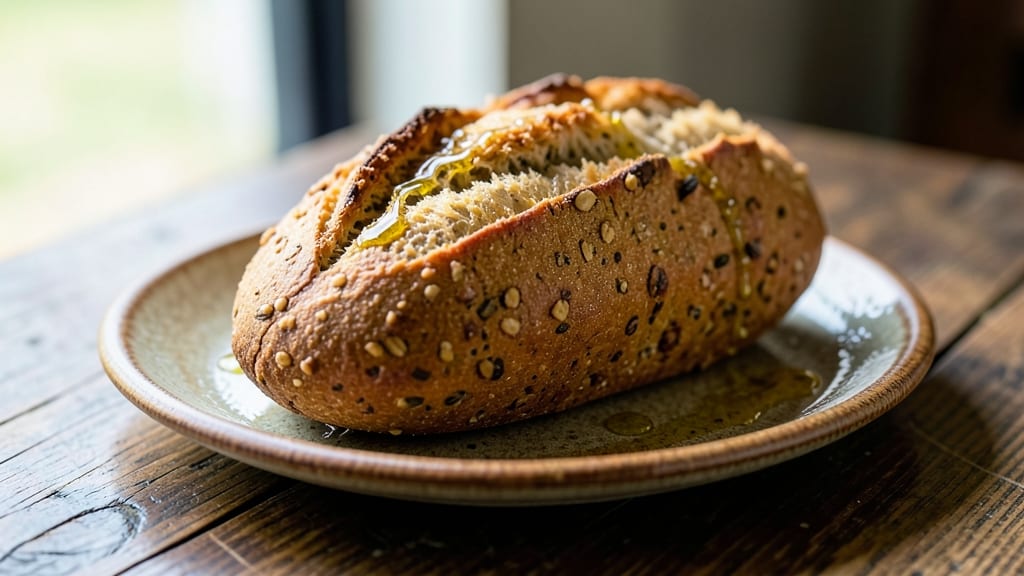
Baking a King Arthur multigrain bread with nutty depth and artisan texture is simpler than you think—this no-knead method delivers restaurant-quality results at home. The secret lies in whole grains, precise hydration, and a slow fermentation that develops complex flavors without requiring kneading.
I've tested countless variations, and this recipe consistently produces a loaf with a crisp crust, airy crumb, and satisfying chew.
What makes this recipe truly beginner-friendly is the no-knead technique, which eliminates guesswork while still creating professional results. You'll use King Arthur's high-quality multigrain flour blend (or substitute with whole wheat and rye) combined with yeast, water, and a touch of honey for subtle sweetness.
The dough rests overnight in the refrigerator, allowing flavors to meld naturally and gluten to develop properly—no experience required.
The outcome is a golden-brown loaf with visible grains throughout, a satisfying crack when sliced, and a flavor profile that's heartier than standard white bread. The nutty notes from the multigrain blend shine through while maintaining a pleasant chewiness.
This bread excels toasted with butter, paired with soups, or served alongside charcuterie—its versatility makes it a staple for any kitchen.
Ready in just 12 hours (including overnight proofing) with minimal active time, this recipe transforms basic pantry ingredients into something special. The crust develops a satisfying crunch while the interior remains tender, creating the perfect balance of textures. Let's get started on your artisan loaf!
Ingredients for king arthur multigrain bread
Twelve essential ingredients transform into a rustic multigrain loaf with artisan-quality texture and nutty depth.
| Ingredient | Amount | Notes |
|---|---|---|
| King Arthur Multigrain Flour 🌾 | 5 cups | High-protein blend for optimal texture |
| Active Dry Yeast 🍞 | ¼ oz | Or 2 1/4 tsp (7g), ensure fresh |
| Granulated White Sugar 🍚 | ½ tbsp | Feeds yeast for activation |
| Unsalted Butter 🧈 | ½ cup | Cold, cubed for flavor development |
| Large Eggs 🥚 | 2 whole | Room temperature for even mixing |
| Honey 🍯 | ¼ cup | Light variety for subtle sweetness |
| Warm Water 💧 | 1 ½ cups | 110°F (43°C) for yeast activation |
| Diamond Crystal Kosher Salt 🧂 | 1 ½ tsp | Fine grain for even distribution |
| Olive Oil 🫒 | 1 tbsp | For dough pan and shaping |
| Cornmeal 🌽 | ¼ cup | For dusting proofing basket |
| Coarse Sea Salt 🧂 | ½ tsp | For final crust enhancement |
| Sesame Seeds 🌻 | 1 tbsp | Optional for decorative finish |
The King Arthur Multigrain Flour is non-negotiable for this recipe—its high protein content and balanced grain blend create the signature chew and flavor complexity. For sourcing, King Arthur's website or major grocery chains like Whole Foods and Williams Sonoma stock the exact blend used in professional bakeries. If substituting, combine 2 cups whole wheat flour with 1 cup rye flour and 2 cups all-purpose flour to mimic the texture profile. The active dry yeast must be fresh—test by dissolving a pinch in warm water; it should foam within 5-10 minutes (the good stuff, not the pre-shredded kind). For the unsalted butter, opt for European-style brands like Plugrá or Kerrygold—their higher fat content enhances flavor during the slow fermentation. Store butter in the freezer to maintain freshness until use.
No multigrain flour? A 2:1:1 ratio of whole wheat to rye to all-purpose flour replicates the texture, though flavor will differ slightly. The honey can be swapped for maple syrup or agave, though honey's enzymatic activity contributes to crust color. For yeast activation, instant yeast works at half the quantity, while bread machine yeast requires no proofing time. The warm water is critical—too hot kills yeast, too cold prevents activation. Use a thermometer for precision. Olive oil alternatives include avocado oil or vegetable oil, though olive oil's fruity notes complement the grains. For the sesame seeds, toast them lightly in a dry pan for 1-2 minutes to intensify their aroma before sprinkling.
This dough requires 12 hours of proofing, including 8 hours overnight in the refrigerator. Store the shaped loaf in a bread bag or loaf pan lined with parchment to maintain moisture. For longer storage, freeze the baked loaf in slices wrapped individually in plastic—reheat in a 350°F (175°C) oven for 5-10 minutes. The cornmeal should be toasted lightly before dusting to prevent sticking. Coarse sea salt enhances crust texture, while Diamond Crystal kosher salt ensures even flavor distribution throughout the dough. Portion the dough into 4 equal portions for consistent baking results, and always preheat the oven to 375°F (190°C) for optimal crust development.
Why You'll Love This Recipe
- No Yeast Hassle: King Arthur’s multigrain flour handles the yeast like a champ—no overproofing, no stress. Just mix, let rise, and boom, you’ve got bread without the guesswork.
- Rich & Hearty: That multigrain flour? It’s packed with seeds and grains that give every slice a satisfying chew and depth of flavor. The butter and eggs make it tender, not dense.
- Freezer-Friendly Loaf: Slice it fresh, freeze the rest. Pull out a few pieces for toast, sandwiches, or croutons later—no soggy bread here. My secret weapon for lazy mornings.
- Budget Bread Builder: Multigrain flour isn’t expensive, and you’ve got eggs, butter, and yeast already in your pantry. For the cost of a fancy loaf, you’re getting something homemade that’ll last.
Step-by-step instructions for King Arthur multigrain bread
This method delivers a rustic, nutty loaf with crisp crust and tender crumb—no kneading required.
Activate the Yeast and Mix the Dough
In a large mixing bowl, combine the 1.5 cups warm water and 0.5 tbsp granulated white sugar. Sprinkle the 0.25 oz active dry yeast over the surface and let it sit for 5-10 minutes until frothy. This confirms the yeast is alive and ready to work.
Add the 5 cups King Arthur multigrain flour and 1.5 tsp diamond crystal kosher salt to the bowl. Stir with a wooden spoon until a shaggy dough forms. The flour's high protein content ensures structure without excessive gluten development. If the dough clumps tightly, gently press it down with your fingers to encourage hydration.
Create a well in the center and add the 0.5 cup unsalted butter (cold, cubed) and 2 whole large eggs. Use a silicone spatula to fold these ingredients into the flour mixture until fully incorporated. The butter should remain in small chunks at this stage—it will emulsify during mixing. Add the 0.25 cup honey and mix until the dough comes together in a cohesive mass.
Develop the Dough with Minimal Effort
Lightly oil a clean surface with 1 tbsp olive oil and turn out the dough. Fold the dough over itself 3-4 times, pressing gently to strengthen the gluten without overworking it. This "fold-and-rest" technique mimics kneading while preserving the multigrain's delicate texture.
Return the dough to the bowl, cover with a damp towel, and let it rest at room temperature for 1 hour. The dough should nearly double in size, with bubbles forming on the surface. If it doesn't rise significantly, place the bowl in a warm (75°F) environment for 20-30 minutes to encourage fermentation.
After the initial rise, perform two more sets of folds: every 20 minutes for a total of 3 folds. Each fold should stretch the dough slightly and redistribute the butter. The goal is to develop structure without exhausting the gluten—this bread relies on gentle handling to maintain its rustic character.
Shape and Proof the Loaf
Lightly dust a baking sheet with 0.25 cup cornmeal and transfer the dough to the prepared surface. Shape the dough into a 9x5-inch loaf pan by pressing the edges firmly against the sides. The multigrain flour may make the dough stickier than all-purpose, so wet your fingers slightly if needed.
Cover the loaf with the damp towel and let it proof at room temperature for 1-1.5 hours, or until the dough has risen 1-2 inches above the pan's rim. The surface should look slightly domed and feel springy when pressed gently. If proofing takes longer than expected, place the pan in a 75°F environment to speed up the process.
Preheat your oven to 375°F while the dough proofs. Sprinkle 0.5 tsp coarse sea salt evenly over the loaf's surface and drizzle with an additional 1 tsp olive oil for enhanced browning. This step creates the signature crisp crust while adding subtle flavor complexity.
Bake to Golden Perfection
Bake the loaf for 35-40 minutes until the internal temperature reaches 205°F and the crust turns a deep golden brown. The bread should sound hollow when tapped on the bottom. If the top browns too quickly, tent loosely with aluminum foil after 20 minutes to prevent over-browning.
Remove the loaf from the oven and let it cool in the pan for 10 minutes. Transfer to a wire rack and brush the top with additional olive oil if desired. Sprinkle 1 tbsp sesame seeds over the cooled loaf for a decorative finish and added crunch.
The bread will continue to set as it cools, developing its final texture. Slice when completely cool—this ensures clean cuts through the dense multigrain crumb. For maximum freshness, store wrapped at room temperature for up to 3 days or freeze for longer storage.
Pro Tips For Making King Arthur Multigrain Bread
- Bloom the Yeast First: Skip mixing yeast directly into dry flour—dissolve it in warm water (110°F) with sugar first and let it foam for 5-10 minutes. I learned this the hard way: cold yeast hides in multigrain dough and never activates properly, leaving you with dense, flat bread. This step guarantees a lively rise, even with multigrain’s heavier texture.
- Soften the Butter: Use softened (not melted) unsalted butter at room temperature—about 65°F. Melted butter coats flour instead of distributing evenly, and cold butter creates lumps that never dissolve. Press it between two sheets of parchment if your kitchen’s too warm; consistency matters more than you’d think.
- Don’t Over-Knead: Multigrain flour is stubborn—stop kneading when the dough springs back slowly (not immediately) and looks slightly tacky, not silky. I used to overwork it, thinking more = better, but that just exhausts the gluten and makes the crumb gummy. Two minutes past the "just right" point ruins everything.
- Proof in a Warm Drawer: Place your shaped loaf in a bowl lined with a damp towel, then set it inside a turned-off oven with a cup of boiling water. The trapped steam and 80°F environment make proofing twice as fast (45-60 mins) as waiting by the stove. No special equipment? A microwave with a bowl of hot water works just as well—I’ve done it.
Flavor customization for this recipe
Sweet & Nutty Twist
Swap the honey for ¼ cup maple syrup and add ½ cup chopped walnuts or pecans to the dough during mixing. The nuts toast beautifully during baking, adding crunch and a deeper caramelized flavor.
For extra richness, fold in 2 tbsp melted white chocolate (ensure it's dairy-free if needed) when shaping the loaf. 🌰
Herb-Infused Variation
Brighten the flavor profile by adding 2 tbsp fresh rosemary or thyme leaves (finely chopped) to the dough along with the salt. For a Mediterranean touch, mix in 1 tsp dried oregano and ½ tsp fennel seeds.
These herbs complement the multigrain's earthiness while adding aromatic depth. Sprinkle extra herbs on top before baking for a fragrant finish.
Seeded Powerhouse
Boost nutrition and texture by incorporating ¼ cup chia seeds and 2 tbsp flaxseeds into the dough. These seeds add omega-3s and fiber while creating delightful crunchy pockets.
For a pop of color, fold in 1 tbsp pumpkin seeds or sunflower seeds. Store seeds in the freezer to prevent rancidity before adding to the dough.
Savory Garlic & Onion Boost
Transform this into a savory loaf by replacing honey with 2 tbsp olive oil and adding 3 minced garlic cloves and 2 tbsp finely chopped red onion to the dough.
For extra umami, include 1 tsp smoked paprika or ½ tsp onion powder. This variation pairs perfectly with soups, stews, or charcuterie boards.
Spiced Chai Version
Create a warm, aromatic loaf by adding 1 tsp ground cinnamon, ½ tsp ground ginger, and ¼ tsp cardamom to the dough. Enhance the spice blend with ½ tsp vanilla extract and reduce honey to 2 tbsp to balance sweetness.
The spices infuse the bread with cozy, comforting notes that make it ideal for breakfast or dessert pairings.
Whole Grain Crunch Topping
For a textured crust, sprinkle 2 tbsp rolled oats and 1 tbsp cracked wheat berries on top of the loaf before baking. Toast the oats and wheat berries in a dry pan for 3-4 minutes until fragrant, then press them lightly into the dough's surface.
This creates a delightful contrast between the soft interior and crunchy exterior. 🌾
Nutrition facts
Frequently asked questions
Why does this recipe use King Arthur Multigrain Flour specifically?
The high-protein blend in King Arthur Multigrain Flour creates the perfect balance of structure and chewiness. Its mix of whole grains delivers nutty depth while maintaining a tender crumb. For substitutes, combine 2 cups whole wheat, 1 cup rye, and 2 cups all-purpose flour—though texture may vary slightly.
Can I make this bread without a stand mixer?
This no-knead method requires only a large bowl and wooden spoon. The dough develops structure through gentle folds rather than mixing. For even easier handling, use a silicone spatula to stretch and fold the dough during the 3-fold process—no mixer needed.
What if my dough doesn't rise properly?
Check your yeast first—it must be fresh. If the dough stays flat after 1 hour, place the bowl in a warm (75°F) spot (like near a turned-off oven with light on) for 20-30 minutes). Cold environments slow fermentation. For extra insurance, use 1 tsp sugar instead of honey to feed the yeast more aggressively.
How do I store leftovers to keep them fresh?
Wrap the cooled loaf in a bread bag or towel and store at room temperature for up to 3 days. For longer storage, slice and freeze portions in airtight containers. Reheat slices in a 350°F (175°C) oven for 5-7 minutes to restore crispness.
Can I add seeds or nuts to this recipe?
Yes! Fold in ½ cup chopped walnuts or ¼ cup seeds (chia, flax, or sunflower) during mixing. Toast seeds lightly before adding for enhanced flavor. For a decorative finish, sprinkle 1 tbsp sesame seeds on top before baking. Store nuts/seeds in the freezer to prevent rancidity.