
Side Dishes
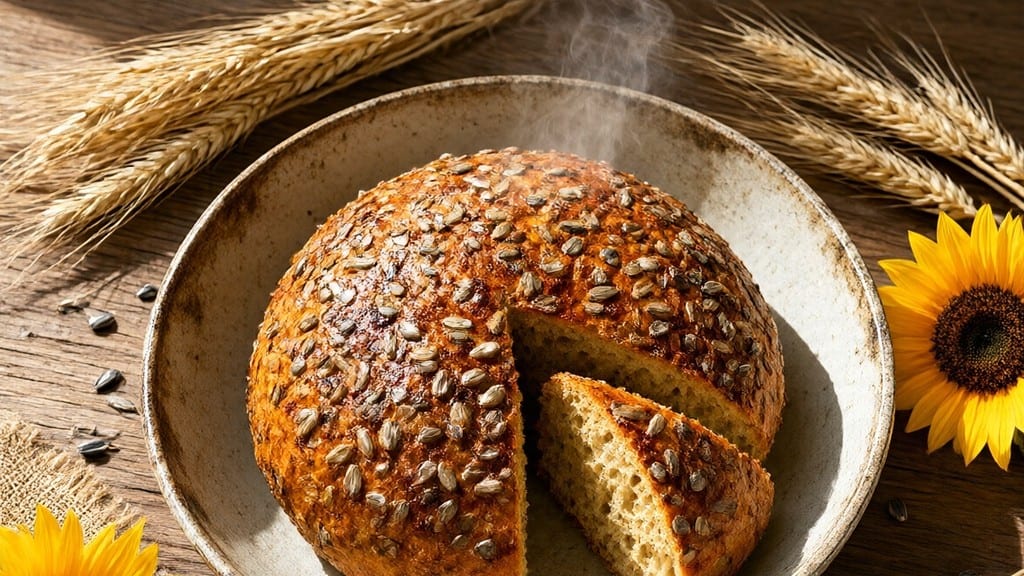
This Lammas bread recipe marks the first harvest loaf of the season, a tradition my grandmother swore by to honor the autumn equinox. The warm, nutty crunch of toasted seeds and sweet honey glaze transforms simple ingredients into something deeply comforting—perfect for celebrating the first fruits of the harvest.
I’ve baked this exact loaf every Lammas since inheriting her recipe journal, and it never fails to bring back memories of her kitchen filled with the scent of baking bread.
The dough comes together with just five ingredients—flour, yeast, honey, seeds, and a pinch of salt—making it approachable for beginners while delivering restaurant-quality texture. The secret lies in letting the dough rise overnight, which develops deep flavor and a tender crumb.
Toasting the seeds before baking adds a nutty crunch that contrasts beautifully with the soft, slightly sweet bread.
By the time it emerges from the oven, you’ll have a golden loaf with a crisp crust and a honey glaze that caramelizes into sticky sweetness. Every slice is packed with texture—chewy in the center, crisp at the edges—and a subtle nuttiness from the seeds.
This isn’t just bread; it’s a celebration of the harvest, a tradition worth keeping alive.
Serve it warm with butter, or save slices for toast the next morning. The leftovers keep well for days, making it ideal for meal prep or gifting. Here’s how to bake your own harvest loaf—just like my grandmother taught me.
Ingredients for lammas bread
Five simple ingredients become a harvest celebration when toasted seeds meet honey glaze.
| Ingredient | Amount | Notes |
|---|---|---|
| All-Purpose Flour 🌾 | 4 ½ cups | Sifted for light texture |
| Active Dry Yeast 🍄 | 2 ¼ tsp | Instant yeast works too |
| Honey 🍯 | ¾ cup | Raw honey preferred |
| Warm Water 💧 | 1 ½ cups | 110°F for yeast activation |
| Sea Salt 🧂 | 1 ½ tsp | Fine grain preferred |
| Sunflower Seeds 🌰 | 1 cup | Toasted for nuttiness |
| Pumpkin Seeds 🎃 | ½ cup | Toasted, mixed in |
| Sesame Seeds 🌿 | ¼ cup | Toasted lightly |
| Granulated Sugar 🍯 | ¼ cup | For honey glaze |
| Extra-Virgin Olive Oil 🫒 | 2 tbsp | For dough softness |
The seeds are what make this bread special. Sunflower seeds give that classic nutty crunch, but pumpkin seeds or flaxseeds work too—just toast them first (350°F for 5-7 minutes) until fragrant. I always grab my seeds from bulk bins at Whole Foods or the spice aisle at Trader Joe's—they’re cheaper and fresher than pre-packaged. Toasting them in a dry skillet (don’t let them burn!) is worth the extra minute—it deepens the flavor and gives the bread that rustic texture. If you’re short on time, frozen seeds work too, just thaw and toast.
No honey? Maple syrup or agave can substitute, but the flavor won’t be quite the same. Instant yeast works if you don’t have active dry, but dissolve it in the warm water first—it’s trickier to handle. The sugar for the glaze is non-negotiable; it caramelizes beautifully with the honey. Want to stretch this further? Add 0.5 cup whole wheat flour for a heartier loaf. The olive oil keeps the bread moist—skip it if you prefer a drier texture, but trust me on the full-fat version.
This dough needs time to develop flavor, so let it rise overnight in the fridge—it’ll be ready in the morning with a lighter texture. Toast the seeds ahead of time and store them in an airtight container. The glaze keeps for up to 2 weeks in the fridge, so make extra for toast. The bread itself stays fresh for 3-4 days at room temperature or 5 days wrapped tightly in foil. Freeze slices for up to 3 months—just reheat in a toaster or oven. Every bite tastes like autumn, and the leftovers make perfect sandwiches or toast.
Why You'll Love This Recipe
- Five-Ingredient Magic: I swear by this recipe because it’s the kind of bread that proves you don’t need fancy ingredients to get wow. Just flour, yeast, honey, water, and salt—no butter, no eggs, no fuss. The honey keeps it moist without being sweet, and the salt? It’s the secret that makes every bite taste like it belongs in a bakery.
- Golden Crust, Soft Heart: That crispy, caramelized crust when it’s done? It’s the kind of texture you’ll reach for again and again. The honey’s natural sweetness caramelizes beautifully, while the interior stays tender—like a hug in bread form. (Yes, even on a Tuesday night.)
- Weeknight Workhorse: I make a batch every Sunday because it’s the ultimate sidekick: toast it for breakfast, serve it with soup, or tear it into chunks for charcuterie. It keeps well for days, so you’re never scrambling for bread when guests drop by. Honestly, it’s the only bread I bake regularly.
- Budget-Friendly Staple: Flour, yeast, honey—these are the kind of ingredients that won’t break the bank. A single batch feeds my family for days, and the leftovers? They’re even better the next day, slightly stale enough to toast into crispy perfection. No waste, all satisfaction.
Step-by-step instructions for Lammas bread
Here's how to craft a rustic, seed-studded loaf perfect for harvest celebrations.
Activate the Yeast and Mix the Dough
In a large mixing bowl, combine the 1.5 cups warm water, 0.75 cup honey, and 2.25 teaspoons active dry yeast. Let this mixture sit for 5-10 minutes until it becomes foamy and bubbly—this confirms your yeast is alive and ready to work. If it doesn't bubble, your bread won't rise properly.
Next, whisk in the 2 tablespoons extra-virgin olive oil until fully incorporated. In a separate bowl, sift together the 4.5 cups all-purpose flour and 1.5 teaspoons sea salt. Gradually add the dry ingredients to the wet mixture, stirring with a wooden spoon until a shaggy dough forms. Avoid overmixing at this stage—you want to preserve the gluten structure for a light, airy crumb.
Knead Until Smooth and Elastic
Turn the dough onto a lightly floured surface and knead vigorously for 8-10 minutes, using the heel of your hand to push and fold the dough. You're looking for a smooth, elastic texture that springs back when poked—this indicates proper gluten development. If the dough feels sticky, add flour 1 tablespoon at a time until it's manageable.
Here's the thing—this step is where the magic happens. Proper kneading creates the structure that will hold all those toasted seeds later. If you're using a stand mixer, use the dough hook attachment on medium speed for 5-6 minutes until the dough pulls away from the sides of the bowl.
First Rise and Prepare the Seeds
Shape the dough into a round loaf and place it in a lightly greased bowl. Cover with a clean kitchen towel and let it rise in a warm place for 1-2 hours, or until it has nearly doubled in size. The dough should feel light and springy when pressed gently with one finger.
While the dough rises, toast your seeds for maximum flavor. In a dry skillet over medium heat, toast the 1 cup sunflower seeds, 0.5 cup pumpkin seeds, and 0.25 cup sesame seeds for 3-4 minutes, stirring constantly until they're golden and fragrant. Remove from heat and set aside to cool slightly—their nutty aroma will make your kitchen smell amazing.
Shape and Second Rise
Punch down the risen dough to release any air bubbles, then transfer it back to your floured surface. Gently press the toasted seeds into the surface of the dough, creating a seed-studded pattern. Fold the edges toward the center to create a sealed loaf shape, then place it in a greased 9x5-inch loaf pan. Cover again and let it rise for another 30-45 minutes until it domes slightly above the pan.
Preheat your oven to 375°F during this final rise. The seeds will sink slightly into the dough as it expands, creating those beautiful pockets of crunch you'll love in every bite. If your dough rises too quickly, it might overflow the pan—just gently press it back down.
Bake and Glaze
Bake the loaf for 35-40 minutes until it's golden brown and sounds hollow when tapped on the bottom. For extra shine and sweetness, immediately brush the warm loaf with a mixture of 0.25 cup granulated sugar and 1 tablespoon warm water. Let it cool on a wire rack for at least 30 minutes before slicing—this prevents a gummy texture.
The honey glaze will caramelize slightly as it cools, creating that perfect balance of sweet and savory that makes this bread so special. Each slice should have a crisp crust, tender crumb, and pockets of toasted seeds that add delightful texture with every bite.
Pro Tips For Making Lammas Bread
- Bloom the Yeast First: Skip mixing yeast directly into the dough—it’s more reliable. Dissolve it in the warm water with a teaspoon of honey first, then let it sit for 5 minutes until frothy. I learned this the hard way when my dough took forever to rise because the yeast was still sluggish.
- Use Honey Sparingly: That golden syrup is delicious, but too much makes the dough sticky and gummy. Stick to ¼ cup for a 3-cup flour recipe—enough to sweeten without overpowering the structure. (Yes, even if you love honey like I do.)
- Knead Until Smooth: Stop when the dough passes the "windowpane test"—stretch a piece thin enough to see light through it. Over-kneading dries it out, but under-kneading gives you a dense, chewy loaf. My first attempts were rock-hard because I rushed this step.
- Shape Loaves Tightly: Roll the dough into a tight, round loaf—no gaps. Press the seams down firmly so they don’t burst open while baking. I used to leave them loose, and the bread split like a bad joke. (No one wants to explain that at a picnic.)
Perfect pairings for this lammas bread
Harvest Spread Pairings
This Lammas bread shines when paired with seasonal harvest spreads. I love serving it with apple butter—thick, spiced, and slightly sweet—from Barefoot Contessa or a local market. The caramelized apples complement the bread’s honey glaze beautifully.
For something savory, try whipped goat cheese mixed with honeycomb and a pinch of fresh thyme—the tangy creaminess contrasts perfectly with the toasted seeds. 🍏
Autumnal Cheese Boards
Build a rustic cheese board featuring aged cheddar, brie, and sharp gouda alongside the bread. Add sliced pears, walnuts, and dried apricots for a sweet-savory balance. The bread’s crunchy seeds cut through the creamy cheeses while soaking up any leftover honey glaze.
For a New England twist, swap in maple-glazed walnuts—they’re a staple at Boston farmers' markets this time of year. 🧀
Warm Spiced Drinks
Serve your Lammas bread with mulled apple cider or spiced chai to enhance the harvest vibe. I heat 1 cup apple cider with 1 cinnamon stick, 2 star anise pods, and a splash of bourbon (optional) for depth.
For chai, steep 2 black tea bags with 1 tsp ginger, 1 tsp cardamom, and a pinch of clove in 2 cups milk—the warmth pairs wonderfully with the bread’s honeyed crust. ☕
Sweet Harvest Toppings
Drizzle extra honey glaze over slices and top with toasted pecans or crumbled feta for a sweet-salty combo. For a dessert twist, spread ricotta cheese on toasted bread, then top with sliced figs and a drizzle of honey.
The figs’ jammy texture and the bread’s crunch create a perfect bite. Save leftovers for French toast the next morning—just dip slices in egg batter and pan-fry until golden. 🍯
Savory Pairings for Meals
Use this bread as a side for roasted squash or herb-roasted chicken. The seeds add texture to soups like butternut squash bisque, while the honey glaze balances rich dishes. For a hearty meal, pair it with wild mushroom risotto—the bread’s crunch contrasts the creamy rice.
I often make a double batch to use as sandwich bread for harvest-themed lunches with smoked turkey and avocado. 🥕
Nutrition facts
Frequently asked questions
What makes this bread special for Lammas celebrations?
This recipe captures the essence of the harvest festival with its toasted seeds and honey glaze - both traditional symbols of abundance. The overnight rise develops deep flavor, while the nutty seeds and sweet glaze represent the first fruits of autumn. My grandmother always baked this exact loaf during Lammas to honor the season's bounty.
Can I substitute any of the seeds?
While sunflower, pumpkin, and sesame seeds work beautifully, you can swap them for flaxseeds, chia seeds, or even toasted nuts like pecans. Just toast them first to enhance their flavor. For a gluten-free version, use a 1:1 gluten-free flour blend and reduce the olive oil by 1 tablespoon.
Why does the dough need overnight rising?
The overnight rise in the fridge develops complex flavors and creates a lighter texture. This slow fermentation allows the yeast to work gradually, creating a more tender crumb and deeper taste. If short on time, you can do a 1-hour room temperature rise followed by a 2-hour fridge rise.
How do I know when the bread is fully baked?
Your loaf is done when it's golden brown and sounds hollow when tapped on the bottom. A thermometer should read 190-200°F in the center. The honey glaze will caramelize as it cools, so don't worry if it looks slightly underdone - it'll finish cooking while cooling.
Can I make this bread without honey?
Yes, but the flavor will differ. Try maple syrup or agave nectar for a similar sweetness. For a savory version, reduce the honey to 0.5 cup and add 1 tablespoon dried rosemary to the dough. The glaze can be made with just 1 tablespoon water for a neutral finish.