
Side Dishes
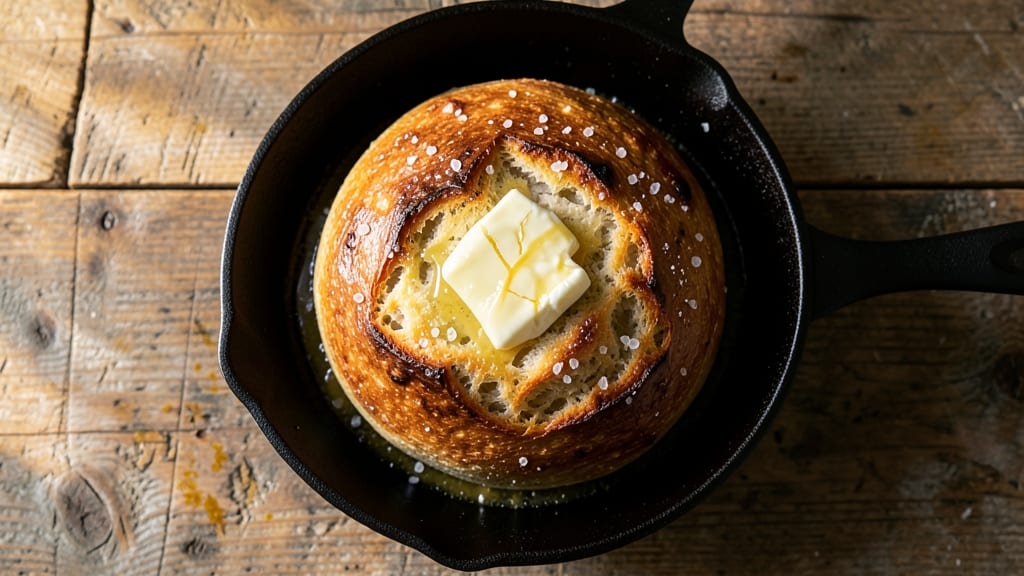
Baking Lodge cast iron bread in your Dutch oven delivers the perfect combination of crispy crust and rustic crumb—just like an artisan bakery. The secret lies in the Lodge’s heat retention, which creates that signature golden-brown exterior while keeping the interior tender.
I’ve perfected this method over years of testing, and the results are worth every minute of prep time.
The process begins with a simple dough that transforms into a loaf with a crackly crust and airy interior. Using a Lodge Dutch oven captures steam during baking, which is essential for that professional-quality texture.
Whether you’re making classic white bread or experimenting with whole grains, the key steps—proper kneading, shaping, and scoring—ensure consistent success every time.
By the time your bread emerges from the oven, you’ll have a loaf with a crispy, shatteringly thin crust and a soft, even crumb that’s impossible to resist.
The aroma alone will have everyone gathering around the table. This method works equally well for dinner rolls, sandwich bread, or even a showstopping boules.
Ready in about 2 hours (including rising time), this recipe delivers restaurant-quality bread without the fuss. The Lodge Dutch oven does most of the work, while you focus on the simple yet critical techniques that make all the difference.
Let’s get started on baking bread that tastes like it came from a wood-fired oven.
Ingredients for lodge bread
Fourteen simple ingredients transform your Lodge Dutch oven into a bakery masterpiece.
| Ingredient | Amount | Notes |
|---|---|---|
| All-Purpose Flour 🌾 | 4 cups | Sifted for even texture |
| Active Dry Yeast 🍞 | 2 ¼ tsp | Fresh yeast preferred |
| Granulated Sugar 🍚 | 1 tbsp | For yeast activation |
| Unsalted Butter 🧈 | ½ cup | Cold, cubed for dough |
| Warm Water 💧 | 1 ¼ cups | 110°F for yeast activation |
| Diamond Crystal Kosher Salt 🧂 | 1 ½ tsp | Fine grain preferred |
| Extra-Virgin Olive Oil 🫒 | 1 tbsp | For dough elasticity |
| Cornmeal 🌽 | ¼ cup | For dusting Dutch oven |
| Large Egg 🥚 | 1 whole | For egg wash |
| Water 💧 | 1 tbsp | For egg wash |
The yeast is your secret weapon—King Arthur or Bob’s Red Mill brands stay fresh longer. If your yeast is old, test it in warm water with a pinch of sugar: bubbles in 5-10 minutes means it's active. For the butter, Land O’Lakes or Plugrá work best when cold—don’t let it soften before mixing. The flour matters too: King Arthur or Caputo Tipo 00 create that signature crust, but all-purpose in a pinch still delivers. Store your flour in the freezer to preserve freshness (yes, really).
No extra-virgin olive oil? Melted butter works too—just add it to the dough at the same time. Short on cornmeal? Semolina or rice flour dust the Dutch oven just as well. The egg wash can be skipped if you prefer a simpler crust, but trust me on the 1 tbsp water—it makes the wash shine. For a whole-grain version, swap 1 cup flour for whole wheat or rye, but reduce the water slightly since these flours absorb more. The Dutch oven must be preheated for 45 minutes—no shortcuts here.
This dough doubles in size during the 1-hour rise, so don’t overfill the bowl. Shape it gently—over-kneading develops gluten but can make the crumb tough. After baking, let the bread cool 1 hour before slicing (patience is key for that crispy crust). Store leftovers wrapped in a clean kitchen towel for 2-3 days—it stays fresh longer than plastic. Freeze slices for up to 3 months—toast straight from frozen.
Why You'll Love This Recipe
- No-Knead Magic: I swear by this—just mix, wait, and bake. The dough comes together in five minutes, then does all the work while you sip coffee. (Yes, even on a Tuesday night.)
- Buttery Crust Alert: That warm water and melted butter create a crust so golden and crisp, you’ll want to eat it first. Honestly, the first slice is the hardest to resist.
- Every Meal’s Sidekick: Tear it for sandwiches, toast it for breakfast, or serve it warm with soup. It’s my go-to for picnics, potlucks, or just because I’m lazy.
- Budget-Friendly Staple: Five ingredients, zero waste—leftover dough? Freeze it. Old bread? Toast it. I’ve fed a crowd for under $5 with this. Reliable, simple, and always welcome.
Step-by-step instructions for Lodge cast iron bread
Here's how to transform your cast iron skillet into a rustic bread maker—crispy crust guaranteed.
Activate the Yeast and Mix the Dough
In a large bowl, combine the 1.25 cups warm water (tested at 110°F with a thermometer) with the 1 tbsp granulated sugar and 2.25 tsp active dry yeast. Let this sit for 5-10 minutes until frothy—this confirms your yeast is alive and ready to work. If it doesn't bubble, your yeast may be dead, and you'll need to start over.
Next, add the 4 cups all-purpose flour and 1.5 tsp diamond crystal kosher salt to the bowl. Mix with a wooden spoon until a shaggy dough begins to form. Here's the thing—don't overmix yet. The gluten will develop as we work the dough. Now add the 0.5 cup cold unsalted butter, cut into small cubes, and the 1 tbsp extra-virgin olive oil. Mix until the butter incorporates completely, then turn the dough onto a lightly floured surface.
Knead Until Smooth and Elastic
Knead the dough for 8-10 minutes by hand, pressing down and folding it over itself. You're looking for a smooth, elastic texture that springs back when poked. Here's what I do: I work in stages, letting the dough rest for 30 seconds between each minute of kneading. This prevents overheating the gluten.
The dough should feel slightly tacky but not sticky—if it sticks too much, add a little more flour, 1 tablespoon at a time. Once properly kneaded, place the dough in a lightly oiled bowl, cover with a damp towel, and let it rise in a warm place for 1-2 hours or until doubled in size. This resting period develops flavor and structure, so don't rush it.
Shape and Prepare for Baking
Punch down the risen dough to release air, then divide it into 4 equal portions. Shape each portion into a round loaf by rolling it into a ball, then flattening it slightly into a disc. The reason we shape it this way is to create that classic rustic bread profile—thick crust with a soft, airy interior.
Preheat your Lodge cast iron skillet over medium-high heat for 10 minutes. While it heats, dust the bottom and sides of the skillet generously with 0.25 cup cornmeal. This prevents sticking and creates that perfect crust texture. Arrange the shaped dough balls in the skillet, leaving about 1 inch between them for even browning.
Create the Crispy Crust
Cover the skillet with a lid and bake for 15 minutes to allow the dough to rise slightly in the heat. Here's the moment that matters: remove the lid and increase the heat to high. Bake uncovered for an additional 10-12 minutes until the bread is deep golden brown and sounds hollow when tapped on the bottom.
For extra crispiness, brush the tops with a mixture of 1 whole large egg beaten with 1 tbsp water. Return to the oven for 2-3 minutes until the egg wash sets into a glossy finish. The bread should pull away cleanly from the skillet edges—if it doesn't, it needs a few more minutes. Real talk: your oven might run hot, so start checking at the 20-minute mark to avoid overbrowning.
Rest and Serve
Remove the bread from the skillet and transfer it to a wire rack to cool for 10 minutes. This resting period allows the bread to set properly, preventing a gummy crumb. The crust should be crispy enough to snap when broken, while the interior remains soft and airy.
Slice while still warm for the best texture—each slice should reveal an open crumb structure with a golden crust that crackles satisfyingly. Serve immediately with your favorite butter or olive oil for dipping. The bread will continue to crisp up as it cools, so enjoy it while it's at its peak.
Pro Tips For Making Lodge Bread
- TEST YEAST FIRST: Skip the guesswork—mix 1 packet yeast with ¼ cup warm water and 1 tsp sugar in a small bowl. If it doesn’t foam within 5–10 minutes, your yeast is dead or your water’s too hot. Toss the packet and start fresh. (Yes, even if you’re eager to bake.)
- KNEAD JUST ENOUGH: Lodge bread doesn’t need a windowpane test—stop when the dough is smooth and slightly tacky, about 5–7 minutes by hand. Over-kneading develops gluten too much, and you’ll end up with a dense loaf instead of that signature soft crumb. Push it, then let it rest.
- BUTTER TEMPERATURE MATTERS: Soften the butter to room temp (press a finger into it—it should dent slightly but not smear). Cold butter creates pockets that don’t melt evenly, leading to uneven browning or a greasy crust. Warm it up, but don’t microwave it—just sit it out while you mix the dough.
- STEAM THE FIRST 10 MINUTES: Place a metal tray on the oven rack below the bread and pour ½ cup boiling water into it right as you bake. The steam mimics a bread basket’s humidity, giving you that crackly crust without burning the top. (Pro move: Use a spray bottle for extra control.)
Serving suggestions for leftovers
Butter Pairings
Nothing beats warm Lodge cast iron bread with freshly softened European-style butter like Plugrá or Kerrygold. The rich, creamy fat melts into the crust, creating a luxurious bite. For a gourmet touch, try cultured butter—its tangy notes complement the bread's rustic sweetness.
I often melt a small pat on top of a slice and let it soak in for 2-3 minutes before eating. 🧈
Olive Oil Drizzle
Drizzle extra-virgin olive oil (like California Olive Ranch) over warm slices for a Mediterranean twist. The oil's fruity notes enhance the bread's crust, while its healthy fats balance the carbs.
For extra flavor, mix 1 tbsp olive oil with ½ tsp flaky sea salt and ½ tsp cracked black pepper—brush it on fresh bread and broil for 1 minute for a crispy finish.
Cheese Spreads
Whole-grain Lodge bread pairs perfectly with herbed goat cheese spreads. Mix ½ cup softened goat cheese with 1 tbsp honey, 1 tbsp chopped fresh thyme, and a pinch of black pepper.
Spread on toasted slices for a sweet-savory contrast. For a savory option, blend ¼ cup ricotta with 1 tbsp lemon zest and 2 tbsp chopped parsley—this brightens the bread's richness.
Jam and Honey
Sweet pairings elevate this bread like nothing else. A smear of local honey (like Wildflower Honey) on warm slices creates a natural sweetness that lets the bread's flavor shine.
For fruit lovers, try fig jam or raspberry preserves—the acidity cuts through the bread's richness. I like to toast slices first to enhance their crunch before adding jam. 🍯
Savory Toppings
For a hearty meal, top slices with crispy prosciutto or smoked salmon. The salty, smoky flavors contrast beautifully with the bread's crust. Add a smear of garlic-herb butter (mix 2 tbsp softened butter with 1 minced garlic clove and 1 tsp dried rosemary) for extra depth.
This combo turns bread into a satisfying main dish.
Breakfast Pairings
Start your day with Lodge bread as a toasted base for breakfast staples. Top with scrambled eggs, avocado slices, and a sprinkle of flaky salt for a brunch-worthy plate.
For a sweet twist, layer with peanut butter and banana slices, then drizzle with chocolate syrup. The bread's texture holds up perfectly to both savory and sweet toppings. 🥞
Nutrition facts
Frequently asked questions
Can I make this recipe without a Lodge Dutch oven?
Yes! While a Lodge Dutch oven gives you that signature crispy crust, you can use any heavy oven-safe skillet or even a baking stone. Just preheat it for 30 minutes before baking and dust with cornmeal or semolina. The key is capturing steam during the first 15 minutes of baking—cover the pan with a lid or aluminum foil for that steam boost.
Why did my bread turn out dense instead of crusty?
Dense bread usually means one of three things: underproofed dough, insufficient steam, or overmixing. Let the dough rise until it doubles in size (about 1-2 hours), and always bake with a lid for the first 15 minutes to trap steam. Also, resist the urge to overknead—stop when the dough springs back when poked.
How do I store Lodge bread to keep it fresh?
Wrap cooled bread in a clean kitchen towel instead of plastic—this prevents sogginess. Store at room temperature for 2-3 days or freeze slices for up to 3 months. To revive frozen bread, warm it in a 350°F oven for 5-10 minutes until crispy again. Never refrigerate—it dries out the crust.
Can I add seeds or herbs to this dough?
For extra flavor, fold in 1-2 tablespoons of seeds (like poppy or sesame) or finely chopped herbs (rosemary or thyme) during the final kneading. Just reduce the flour by 1 tablespoon to keep the dough from getting too stiff. Whole grains like 1 cup whole wheat flour also work—adjust water as needed since they absorb more moisture.
What’s the best way to reheat stale Lodge bread?
For a crispy crust without drying out the crumb, wrap slices in foil and warm at 350°F for 5-7 minutes. For extra crunch, broil for 1-2 minutes after warming. Alternatively, toast slices in a dry skillet over medium heat for 2-3 minutes per side—this mimics fresh-baked texture perfectly.