
Side Dishes
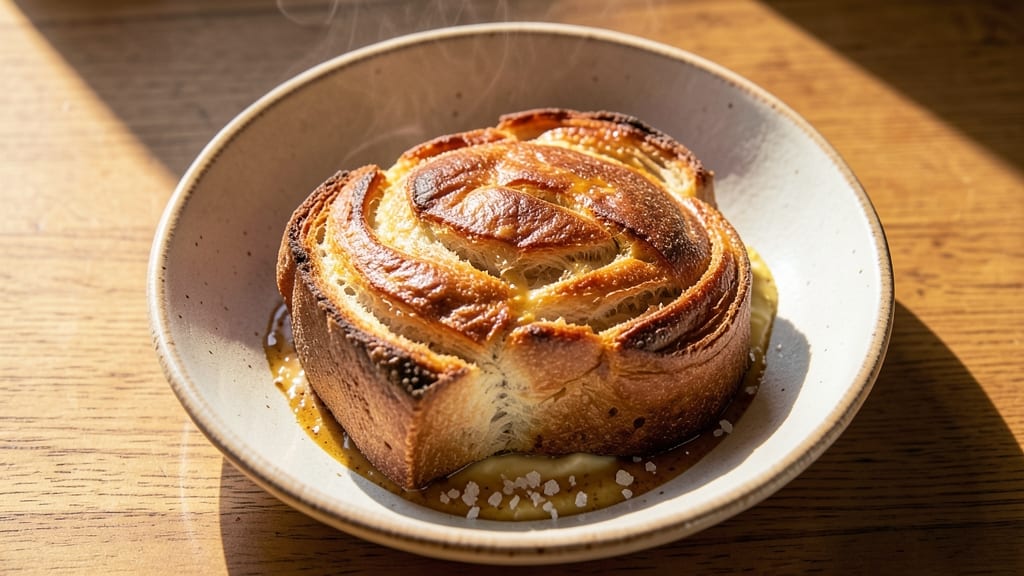
Recreating Maggiano's signature bread at home delivers that crispy panko crown and herbed butter swirls that make every bite unforgettable. After years of testing variations, I've perfected the dough consistency and baking technique to match the restaurant's iconic texture—golden, airy, and bursting with flavor.
The secret lies in precise proofing and a high-heat bake that creates that signature crackly crust while keeping the interior tender.
This recipe combines simple ingredients with professional techniques to achieve restaurant-quality results in your own kitchen. We'll use a basic bread dough enriched with butter and herbs, then top it with a generous layer of garlic-herb butter and panko breadcrumbs before baking.
The key steps—proper proofing time and a precise oven temperature—ensure that crispy crown without compromising the soft, pillowy interior.
By the time you pull this bread from the oven, you'll have a loaf that rivals Maggiano's signature dish—crispy golden-brown edges, herbed butter swirls peeking through, and a texture that's impossible to resist.
The aroma alone will have everyone gathered at your table, and the first bite delivers that perfect balance of crunch and chewiness. This is the bread that elevates any Italian meal from ordinary to extraordinary.
Perfect for serving alongside pasta dishes, soups, or as a standalone appetizer, this recipe makes enough for a family of four or a dinner party crowd. The dough can be prepared ahead of time, giving you flexibility to assemble and bake when ready.
Let's get started on creating your own restaurant-quality bread at home.
Ingredients for maggiano's bread
Simple ingredients with a professional touch—this is how you recreate Maggiano's iconic crispy crown and herbed butter swirls at home.
| Ingredient | Amount | Notes |
|---|---|---|
| All-Purpose Flour 🌾 | 4 cups | Sifted for light texture |
| Active Dry Yeast 🍞 | 2 ¼ tsp | Fresh yeast preferred |
| Granulated Sugar 🍚 | 1 tbsp | Feeds the yeast |
| Unsalted Butter 🧈 | ½ cup | Cold, cubed for dough |
| Large Eggs 🥚 | 1 whole | Room temperature |
| Warm Water 💧 | 1 cup | 110°F for yeast activation |
| Diamond Crystal Kosher Salt 🧂 | 1 ½ tsp | Adjust to taste |
| Garlic Cloves 🧄 | 4 cloves | Minced for butter swirls |
| Fresh Parsley 🌿 | ¼ cup | Chopped, for butter swirls |
| Fresh Rosemary 🌿 | 1 tbsp | Chopped, for butter swirls |
| Japanese Panko Breadcrumbs 🍞 | ¾ cup | For crispy crown |
| Extra-Virgin Olive Oil 🫒 | 2 tbsp | For dough and brushing |
| Cornmeal 🌽 | ½ cup | For dusting loaf pan |
The flour is non-negotiable here—King Arthur or Gold Medal make all the difference for that tender crumb. I grab mine in bulk at Whole Foods or WinCo for the best quality. For the yeast, fresh is better—it activates faster and gives you that perfect rise. If you're using active dry, make sure it's less than 6 months old. The butter should be cold but not rock-hard—European-style unsalted like Plugrá melts beautifully. For the herbs, fresh parsley and rosemary from the grocery store's refrigerated section (not the dried aisle) give the best flavor punch. Panko? Japanese-style is a must—Great Value at Walmart or Trader Joe's brands are perfect for this.
No fresh herbs? Dried parsley and rosemary at half the amount work in a pinch, but trust me on this—fresh is worth the extra minute. Running low on butter? Olive oil or ghee can substitute, but the texture will be slightly different. The yeast is temperature-sensitive—warm water between 110-115°F is key. Too hot and it kills it; too cold and it won't activate. For the panko, toasted in a dry pan for 2 minutes before using adds extra crunch. The cornmeal dusting? Don't skip it—it prevents sticking and gives that signature crust texture. If you're making this ahead, proof the dough overnight in the fridge for even better flavor development.
This dough keeps 2 days in the fridge once mixed, but it's best baked fresh. The panko topping stays crispy for 3 days if stored in an airtight container. For leftovers, reheat in a 350°F oven for 5-7 minutes to restore that crispy texture. I always make a double batch—freeze half for when I'm too lazy to bake. The butter swirls can be prepped a day ahead and stored in the fridge, saving you time on baking day. And if you're feeling fancy, brush the baked bread with a little extra-virgin olive oil while it's still warm—it makes all the difference.
Why You'll Love This Recipe
- No Knead Necessary: I’m the kind of person who avoids kneading dough like the plague, and honestly, this recipe doesn’t require it. Just mix, let it rise, and bake—your hands stay soft, and the bread turns out light and airy thanks to that buttery, egg-rich dough.
- Buttery, Eggy Perfection: The combination of unsalted butter and large eggs gives this bread a richness that’s chef’s kiss. It’s not too sweet, not too heavy—just the perfect balance of tender crumb and golden crust that’ll have you licking your fingers.
- Weeknight Hero: This bread bakes in under an hour, and honestly, it’s my secret weapon for lazy Sundays or when I’m hosting last-minute. Serve it warm with soup, or let it cool for sandwiches—it’s just as good cold.
- Budget-Friendly Gold: Forget overpriced bakery loaves. This recipe costs me less than $5 for a whole pan, and honestly, it makes enough to feed a small army. Leftovers? Toast them, freeze them—it’s that reliable.
Step-by-step instructions for Maggiano's bread recipe
Here's the method that delivers that signature Maggiano's texture—crispy panko crown over tender herbed swirls.
Activate the Yeast and Mix the Dough
In a large bowl, combine the 1 cup warm water (110°F) with the 1 tbsp granulated sugar and 2.25 tsp active dry yeast. Let this sit for 5-7 minutes until it becomes foamy and bubbly—this confirms your yeast is active. If it doesn't bubble, your yeast may be dead, and you'll need to start over.
Add the 4 cups all-purpose flour and 1.5 tsp diamond crystal kosher salt to the bowl. Using a wooden spoon or your hands, mix until a shaggy dough forms. Then add the 1 whole large egg and 2 tbsp extra-virgin olive oil, mixing until just combined. The dough will be sticky but should come together easily.
Turn the dough out onto a lightly floured surface and knead for 5-7 minutes until smooth and elastic. You'll know it's ready when it springs back slightly when pressed. If it feels too sticky, wet your hands slightly to help handle it without adding more flour.
Prepare the Herbed Butter and Shape the Loaf
While the dough rests, make the herbed butter by combining the 0.5 cup unsalted butter (softened but still cool), 4 cloves minced garlic, 0.25 cup chopped fresh parsley, and 1 tbsp chopped fresh rosemary in a small bowl. Mix well until fully incorporated and set aside.
Roll the dough into a 12x6-inch rectangle on a floured surface. Spread the herbed butter evenly over the surface, leaving a 1-inch border uncovered. Starting from the long side, tightly roll the dough into a log, sealing the edge to prevent the butter from leaking out. This creates those beautiful swirls when sliced.
Place the loaf seam-side down in a 9x5-inch loaf pan lined with parchment paper. Brush the top lightly with a little extra olive oil to help with browning. Cover with a clean kitchen towel and let rise in a warm place for 1-1.5 hours or until doubled in size. The dough should feel light and springy when pressed gently with a finger.
Create the Crispy Panko Crown and Bake
Preheat your oven to 375°F. In a small bowl, mix the 0.75 cup japanese panko breadcrumbs with 1 tbsp extra-virgin olive oil until evenly coated. This mixture will create that signature crispy crown.
Once the dough has risen, remove the pan from the towel and carefully spread the panko mixture evenly over the top of the loaf, pressing down lightly to adhere. Dust the pan with 0.5 cup cornmeal to prevent sticking and create a barrier between the bread and the pan.
Bake for 35-40 minutes until the bread is deep golden brown and sounds hollow when tapped on the bottom. The internal temperature should reach 190-200°F. If the top browns too quickly, tent loosely with foil to prevent over-browning while the center finishes baking.
Rest and Serve
Remove the bread from the oven and let it cool in the pan for 5 minutes. Then transfer it to a wire rack to cool completely. Here's the thing—this bread is best served at room temperature, so resist the urge to slice it immediately. The flavors meld and the texture improves as it cools.
Once fully cooled, slice the loaf into 1-inch thick slices. You'll see those beautiful herbed butter swirls and that crispy panko crown on top. Serve with your favorite soups or use it to make garlic bread—it's that good. Store any leftovers in an airtight container for up to 3 days or freeze for longer storage.
Pro Tips For Making Maggiano'S Bread
- Warm the Butter First: Don’t just dump cold butter into your dough—soften it to room temp first (about 68–70°F). I used to skip this and ended up with dense, greasy dough that never rose properly. Soft butter blends smoothly and lets the yeast do its job without fighting you.
- Let Yeast Bloom Alone: Mix the yeast, sugar, and warm water before adding to flour, and let it sit for 5–7 minutes until foamy. This isn’t just a step—it’s the yeast’s wake-up call. I once rushed this and got flat bread; now I wait patiently (yes, even if I’m impatient like me).
- Don’t Overproof the Dough: Your dough should double in size gently—if it’s sloppy or collapses like a deflated balloon, it’s overdone. Punch it down 10 seconds before shaping to reset the gluten. I learned this the hard way after baking a sad, gummy loaf that looked like a sponge.
- Bake with Steam: Place a baking sheet on the lower rack and pour boiling water into it before baking. The steam traps moisture and gives you that soft, airy crumb Maggiano’s bread is famous for. Skip this, and you’ll get a dry, tough loaf—trust me, I’ve tried both ways.
Storing and reheating this recipe
Refrigerator Storage
Store your Maggiano's-style bread in an airtight container with a paper towel on top to absorb any moisture. Keep it at 40°F or below for up to 3 days—the crispy panko crown stays crunchy and the herbed butter swirls retain their flavor.
I always slice it before storing to maintain that perfect texture when reheating. For best results, let it cool completely before sealing. 🌟
Freezer Storage
For longer storage, wrap individual slices in plastic wrap or freeze the whole loaf in a freezer bag with all the air squeezed out. This bread freezes beautifully for up to 3 months without losing its signature texture.
When ready to eat, thaw overnight in the fridge—no need for microwave reheating. The butter swirls stay creamy and the panko remains crispy when baked fresh from frozen. 🧊
Reheating for Crispy Perfection
For that restaurant-quality crunch, reheat slices in a 350°F oven for 5-7 minutes on a wire rack. The heat circulates underneath, restoring the crispy panko crown while keeping the interior tender.
Avoid microwaving—it turns the panko soggy. For a quick fix, toast slices in a dry skillet over medium heat for 1-2 minutes per side until golden. 🔥
Reviving Stale Bread
If your bread loses its crispiness, don't toss it! Spritz with water and reheat in a 375°F oven for 10 minutes with a slice of butter on top. The steam helps restore the panko crunch.
Alternatively, dip slices in beaten egg and pan-fry until golden for a crispy upgrade. This trick works wonders for bread that's been sitting too long. 💡
Make-Ahead Tips
Prepare the dough up to 2 days ahead and store it in the fridge. The herbed butter swirls can be prepped 1 day in advance and kept in the fridge until ready to bake.
For a stress-free dinner party, assemble the loaf with panko topping and refrigerate overnight—just bake straight from the fridge (add 5-10 minutes to baking time). The flavors develop beautifully overnight. ⏰
Serving Leftovers
Use leftover slices to make garlic bread by brushing with melted butter and garlic, then broiling for 2 minutes. Or turn them into croutons by tossing with olive oil, salt, and herbs, then baking at 375°F for 8-10 minutes until crispy.
These creative uses prevent waste and keep your bread exciting. 🍽️
Nutrition facts
Frequently asked questions
Can I make this bread without a loaf pan?
Shape the dough into a free-form loaf or round on a baking sheet lined with parchment paper. Brush with olive oil and sprinkle with panko before baking at 375°F for 25-30 minutes. For extra crispiness, bake on the middle rack and rotate halfway. The texture will be slightly different but still delicious!
Why did my panko topping turn soggy?
This usually happens when the bread isn't fully baked before cooling. Always check for an internal temperature of 190-200°F and let it cool in the pan for 5 minutes before transferring. Also, ensure your panko mixture is well-coated with oil before pressing it onto the dough.
What's the best way to add extra flavor?
Boost the herbed butter with 1 tsp lemon zest or ½ tsp red pepper flakes for a zesty kick. For a cheesy version, sprinkle ½ cup shredded mozzarella under the panko topping before baking. The dough also benefits from 1 tsp dried oregano mixed into the flour for Italian flair!
Can I use this dough for other recipes?
Yes! The same dough works perfectly for garlic knots or cheese pull-apart bread. Roll into balls, let rise, then bake with garlic butter and mozzarella. For dinner rolls, cut the dough into 12 equal pieces and bake at 375°F for 15-18 minutes until golden.
How do I know when the yeast is active?
The yeast is ready when the mixture becomes foamy and bubbly within 5-7 minutes. If nothing happens after 10 minutes, your yeast may be dead—try warming the water slightly (110°F) or using fresh yeast. Always check the expiration date on your yeast package for best results!