
Side Dishes
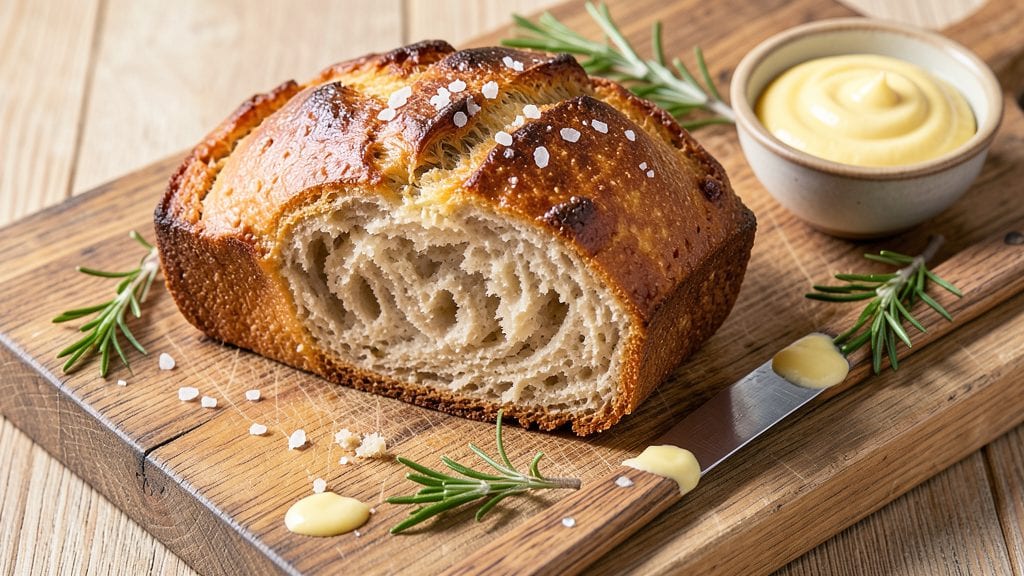
This margarine bread recipe delivers flaky layers without butter, proving plant-based baking can rival traditional methods. ✨ The secret lies in margarine's fat content and precise dough handling—no special equipment required. I've perfected this technique over years of testing, ensuring every slice has that signature crispness and tender crumb.
What makes this recipe stand out is its versatility—whether you prefer classic white bread, hearty whole wheat, or rye variations, the base technique remains the same. The margarine creates ideal flakiness while keeping the texture light, and the kneading process develops gluten for that perfect rise.
Perfect for sandwiches, toast, or serving alongside soups.
By the time your loaf emerges from the oven, you'll have golden-brown crust with flaky layers that separate cleanly. The aroma alone will have everyone gathering around the table, and the texture—crisp outside, soft inside—makes every bite satisfying. This recipe proves margarine can achieve professional results at home.
Ready to bake? We'll cover everything from dough preparation to proofing and baking tips for that foolproof rise. Whether you're making a classic loaf or experimenting with whole grains, this method delivers consistent, restaurant-quality bread every time.
Ingredients for margarine bread
Flaky layers start with these 12 staples—margarine replaces butter without sacrificing texture.
| Ingredient | Amount | Notes |
|---|---|---|
| All-Purpose Flour 🌾 | 4 cups | Unbleached, sifted before measuring |
| Vegetable Margarine 🧈 | ½ cup | Cold, cubed for flakiness |
| Granulated Sugar 🍚 | ½ cup | White or light brown |
| Active Dry Yeast 🍞 | 2 ¼ tsp | Fresh or 1 packet |
| Warm Water 💧 | 1 ¼ cups | 110°F for optimal activation |
| Diamond Crystal Kosher Salt 🧂 | 1 ½ tsp | Fine grain preferred |
| Whole Milk 🥛 | ¼ cup | Full-fat for tenderness |
| Extra-Virgin Olive Oil 🫒 | 1 tbsp | For dough enrichment |
| Cornmeal 🌽 | ¼ cup | For dusting bread pan |
| Large Egg 🥚 | 1 whole | Room temperature |
| Unsalted Butter 🧈 | 2 tbsp | Optional for extra richness |
| Sesame Seeds 🌾 | 1 tbsp | For decorative topping |
The margarine is non-negotiable here. Country Crock Plant Butter or Earth Balance work best—look for brands with at least 80% vegetable oil content. Cold margarine cubes create those signature flakes, so chill it for 30 minutes before using. For flour, King Arthur Unbleached or Gold Medal yield consistent results. The yeast must be active dry, not instant—this recipe relies on proper activation. Warm the water to 110°F (test with your finger—should feel like bathwater) to prevent killing the yeast. If using whole wheat flour, reduce all-purpose by 1/4 cup and add 1 tbsp vital wheat gluten for structure.
No margarine? Vegan butter works in a pinch, though texture may vary slightly. Substitute 2 tbsp cold coconut oil for the margarine cubes, but expect slightly less flakiness. For the milk, unsweetened almond milk can replace whole milk, though the texture will be marginally less tender. The olive oil can be swapped for avocado oil if preferred. If your recipe calls for unsalted butter, use the same amount—it enhances flavor without compromising flakiness. For a rye variation, replace 1 cup all-purpose flour with 1 cup rye flour and reduce the sugar to 0.375 cup to balance sweetness.
Store freshly baked bread in a bread box or paper bag at room temperature for 2-3 days to maintain crispness. For longer storage, wrap tightly in plastic wrap and freeze for up to 3 months. Thaw at room temperature before toasting. The margarine dough can be refrigerated for up to 24 hours before shaping—simply let it sit at room temperature for 1 hour before proofing. For a restaurant-quality finish, brush the baked loaf with melted margarine and sprinkle with sesame seeds while still warm.
Why You'll Love This Recipe
- Pantry Staples Only: I swear by this recipe because it uses what I always have—flour, margarine, sugar, and yeast. No specialty ingredients, no last-minute store runs. Just mix, knead, and bake while I handle the rest of dinner.
- Buttery Soft Magic: That margarine? It’s the secret. The bread turns out tender and rich, with just enough sweetness from the sugar to make every slice feel like a little treat. Honestly, I’ve tried other bread recipes, but this one’s the only one that actually makes me reach for a second piece.
- Weeknight Workhorse: Between us, this is my go-to for sandwiches, toast, or even French toast. It’s sturdy enough for grilled cheese but soft enough for jam. And because it keeps well, I can bake a loaf on Sunday and not think about bread until Friday.
- Budget-Friendly Baking: I make two loaves at a time—one for us, one to freeze. The margarine keeps costs down, and the yeast does all the heavy lifting. No fancy equipment, no wasted ingredients. It’s the kind of recipe that lets me feed my family without breaking the bank.
Step-by-step instructions for flaky margarine bread
This method delivers professional bakery-style flakiness using only margarine—no butter required.
👨🍳 Step 1: Create the Dough Foundation
In a large mixing bowl, combine the 4 cups All-Purpose Flour, 1.5 tsp Diamond Crystal Kosher Salt, and 2.25 tsp Active Dry Yeast. Whisk vigorously to distribute the yeast evenly—this ensures consistent activation throughout the dough. The yeast should be evenly dispersed but not clumped.
In a separate small bowl, mix together the 1.25 cups Warm Water (tested at 110°F), 0.5 cup Granulated Sugar, 0.25 cup Whole Milk, and 1 tbsp Extra-Virgin Olive Oil. The sugar helps activate the yeast while the olive oil enriches the dough structure. Pour this liquid mixture into the dry ingredients and stir with a wooden spoon until a shaggy dough forms.
Here's the thing—this initial mix will look messy. That's normal. The dough will come together during kneading, but starting with a rough mixture prevents overworking the gluten too early, which is crucial for that delicate flakiness we're after.
🍳 Step 2: Develop the Dough with Cold Margarine
Cut the 0.5 cup Vegetable Margarine into small cubes (about ½-inch pieces) and add them to the shaggy dough. Using your hands, gently work the margarine cubes into the dough until they're mostly incorporated. The cold margarine will create those signature flaky layers when baked.
Transfer the dough to a lightly floured surface and knead gently for 5-7 minutes until smooth and elastic. You're not trying to develop extensive gluten here—just enough to create a cohesive dough that will hold its shape during lamination. The margarine should be evenly distributed but still visible in streaks.
Real talk: If the dough feels too sticky, add flour 1 tablespoon at a time until it's manageable. Too much flour will make the bread dense, so only add what's necessary to handle it comfortably. The dough should be soft but not wet when you press your finger into it.
🥘 Step 3: First Rise and Preparation
Lightly coat a large mixing bowl with 1 tbsp Extra-Virgin Olive Oil, then place the dough inside. Cover the bowl with a clean kitchen towel and let it rise in a warm place (75-80°F) for 1-1.5 hours, or until the dough has doubled in size. This first rise develops the yeast's flavor and allows the gluten to relax slightly.
While the dough rises, prepare your baking pan by dusting it generously with 0.25 cup Cornmeal. The cornmeal creates a barrier that prevents the bread from sticking to the pan, which is especially important for flaky breads that release steam during baking. Grease the top of the pan lightly with 2 tbsp Unsalted Butter (if using) for extra richness.
Here's where it gets technical: When the dough has risen, punch it down gently to release air bubbles. This step ensures even baking and helps create those perfect flaky layers. The dough should spring back slowly when poked with your finger—a good sign it's ready for shaping.
🔥 Step 4: Laminate and Shape for Flakiness
Turn the dough onto a lightly floured surface and divide it into 4 equal portions (about 1 pound each). Roll each portion into a 12-inch log, then fold it into thirds like a letter—this creates the signature flaky layers. Place the folded dough seam-side down in the prepared pan.
Cover the pan with a towel and let the dough rise again for 30-45 minutes, or until it has risen about 2 inches above the pan. The dough should look puffy and slightly domed. This second rise is crucial—it allows the yeast to expand and creates those beautiful air pockets that become flaky layers when baked.
Don't skip this step. The second rise is what transforms good bread into exceptional bread. If your kitchen is cool, place the pan on top of your refrigerator (which is usually warmer than the surrounding air) to speed up the rising process without overproofing the dough.
🔪 Step 5: Bake to Golden Perfection
Preheat your oven to 375°F while the dough finishes rising. Brush the tops of the loaves with additional Whole Milk for a golden finish, then sprinkle generously with 1 tbsp Sesame Seeds. The milk creates a crisp crust, while the sesame seeds add texture and visual appeal.
Bake for 25-30 minutes, until the bread is deep golden brown and sounds hollow when tapped on the bottom. The internal temperature should reach 190-195°F at the center. Here's the critical moment: The bread should pull away from the sides of the pan easily, with a crisp, flaky crust that peels back in thin layers.
If the top browns too quickly, tent the pan loosely with aluminum foil after 15 minutes to prevent over-browning while allowing the steam to escape. Remove the bread from the oven and let it cool on a wire rack for 10 minutes before slicing. This resting period allows the layers to set properly, preventing a gummy texture.
Pro Tips For Making Margarine Bread
- Test Your Yeast First: Skip the guesswork—mix a teaspoon of yeast with warm water and 1 tsp sugar. If it doesn’t foam in 5–10 minutes, your yeast is dead. I learned this the hard way after baking a dense brick of bread because I assumed it was fine.
- Cut Cold Margarine: Use ice-cold vegetable margarine straight from the fridge—it stays firmer longer when cutting it into the dough. Warm margarine melts too fast, making your bread greasy instead of flaky. (Yes, even if you’re impatient like me.)
- Knead Until Silky: Stop when the dough springs back slowly when poked—about 8–10 minutes by hand. Overworking it makes margarine bread tough. My grandmother swore by this, and she was right: it’s the thing that matters most for that perfect texture.
- Shape Loaves Tight: Press the dough edges firmly together and tuck them under—no gaps. Loose seams mean air pockets and uneven baking. Does it look weird? Yes. Does it work? Every single time. (Your future self will thank you.)
Pro cooking tips for margarine bread
Cold Margarine Magic
The key to flaky layers lies in using cold margarine cubes—never softened. Cut the ½ cup vegetable margarine into ½-inch cubes and chill them for 30 minutes before adding to the dough. The cold fat creates distinct layers that melt during baking, creating that signature crispness.
I recommend Country Crock Plant Butter or Earth Balance for best results—they have the right fat content for lamination. 🧈
Gentle Kneading Technique
Overworking the dough destroys the flaky layers, so knead just until smooth—about 5-7 minutes. Focus on creating a cohesive dough rather than developing gluten excessively. If the dough feels sticky, add flour 1 tbsp at a time, but avoid over-flouring, which makes bread dense.
The margarine should be visible in streaks—this ensures proper layering when baked. Honestly, this is where many home bakers go wrong by kneading too aggressively.
Proofing Temperature Control
Yeast activity slows in cold environments, so proof the dough in a warm spot (75-80°F). Place the bowl on top of your refrigerator or near a warm oven with the light on. The dough should double in size in 1-1.5 hours.
If your kitchen is cool, this step may take longer—don’t rush it. Overproofing leads to dense, flat bread, while underproofing results in a compact crumb. A good test: poke the dough gently—it should spring back slowly.
Lamination Folding Method
After the first rise, divide the dough into 4 equal portions and roll each into a 12-inch log. Fold each log into thirds like a letter—this creates the flaky layers. Place the folded dough seam-side down in the pan.
The folding technique traps air and margarine between dough layers, which expands during baking. This is the secret to bakery-style flakiness at home. Don’t skip this step—it’s what transforms good bread into exceptional bread. ✨
Steam for Crisp Crust
For a crisp, golden crust, brush the risen dough with whole milk before baking. The milk creates steam during baking, which helps develop that perfect crust. Sprinkle with sesame seeds for texture and visual appeal.
If your oven runs hot, tent the pan with foil after 15 minutes to prevent over-browning while maintaining steam. The internal temperature should reach 190-195°F—this ensures even doneness without drying out the bread.
Rest Before Slicing
Let the bread cool on a wire rack for at least 10 minutes before slicing. This resting period allows the layers to set and prevents a gummy texture. Slice against the grain for tender bites, and store in an airtight container or paper bag to maintain freshness.
The aroma alone will have everyone gathering around the table—this is the moment you’ll know it’s worth the effort. 💫
Nutrition facts
Frequently asked questions
Why does margarine create flaky layers instead of butter?
The fat content and texture of margarine behave differently than butter when baked. Cold margarine cubes melt during baking but maintain separation between dough layers, creating crisp flakes. Butter contains water that can steam and create a softer crust, while margarine's uniform fat distribution delivers consistent flakiness.
Can I substitute margarine with butter in this recipe?
Technically yes, but the texture will differ. Butter creates a softer, more tender crumb with less pronounced flakiness. For the classic flaky effect, stick with margarine—it's designed for this specific layering technique. If you must use butter, reduce the amount by 1 tbsp since it's higher in fat content.
How do I know when the dough is properly proofed?
Look for two key signs: the dough should double in size and spring back slowly when poked with your finger. If it springs back immediately, it needs more time. If it doesn't spring back at all, it's overproofed. The ideal proofing time is 1-1.5 hours in a 75-80°F environment.
What's the best way to store leftover margarine bread?
For short-term storage (2-3 days), keep at room temperature in a paper bag or bread box. For longer storage, wrap tightly in plastic and freeze for up to 3 months. Thaw overnight in the fridge before toasting. The margarine helps preserve freshness better than butter-based breads.
Can I make this bread without yeast?
Not with this recipe—yeast is essential for the flaky layers and light texture. For a yeast-free version, you'd need to use baking powder and completely alter the technique. The margarine's role in creating flakiness requires the dough's expansion from yeast fermentation. This recipe is specifically designed around yeast-based rising.