
Main Courses
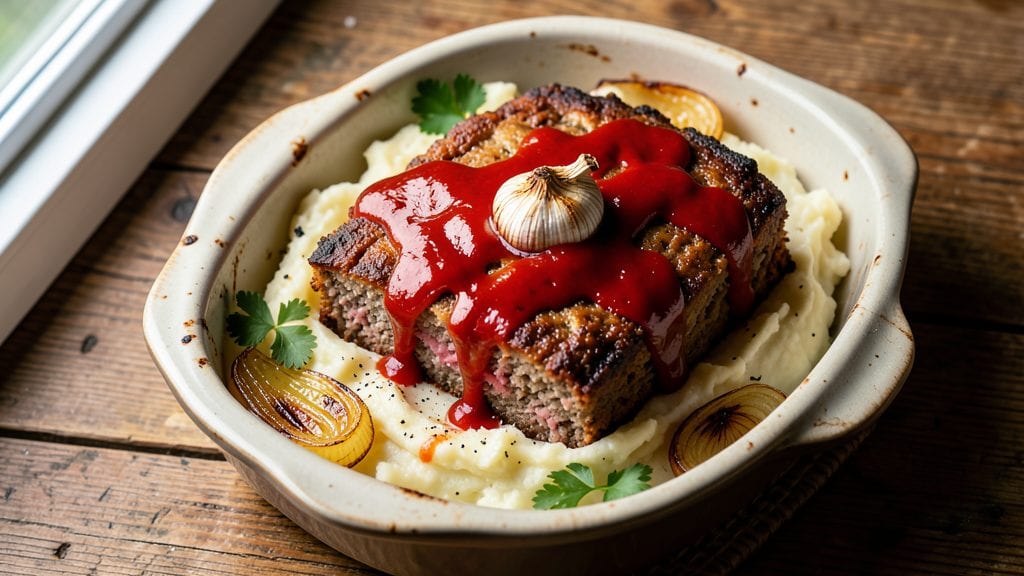
This meatloaf recipe with bread soaked in milk delivers the ultra-moist texture that keeps every slice juicy from first bite to last.
After years of testing variations—including that infamous pot pie disaster in my Boston apartment—I finally cracked the code for a meatloaf that doesn’t dry out, even the next day. The milk-soaked bread crust isn’t just a trick; it’s the secret weapon that locks in flavor and moisture.
The technique is simpler than it sounds: bread cubes soaked in milk create a tender, flavorful barrier that prevents the meatloaf from becoming dense or dry. I’ve perfected this method through countless batches, ensuring the crust stays intact while the center remains perfectly tender.
No more sad, crumbly meatloaf—just a restaurant-quality centerpiece that impresses even skeptical eaters.
What you’ll end up with is a meatloaf with a golden-brown crust that gives way to juicy, seasoned meat inside—no matter how thick you slice it. The milk-soaked bread adds depth without overpowering the savory flavors, and the glaze ties everything together into a cohesive, satisfying dish.
This is comfort food at its finest, and it’s foolproof once you know the trick.
Serve with mashed potatoes, roasted vegetables, or a simple green salad to round out the meal. The leftovers reheat beautifully, making this the perfect recipe for family dinners or meal prep. Let’s get started on a meatloaf that stays moist for days.
Ingredients for meatloaf recipe with bread soaked in milk
Six ingredients make the magic happen—juicy beef, milk-soaked bread, and simple spices.
| Ingredient | Amount | Notes |
|---|---|---|
| Ground Beef 🥩 | 2 lb | 80/20 fat ratio preferred |
| White Bread 🍞 | 1 cup | Day-old, cubed small |
| Whole Milk 🥛 | ½ cup | Full-fat for best texture |
| Ketchup 🍅 | ½ cup | For glaze and moisture |
| Eggs 🥚 | 1 whole | Room temperature |
| Yellow Onion 🧅 | ½ whole | Finely diced |
| Garlic Cloves 🧄 | 3 cloves | Minced for depth |
| Worcestershire Sauce 🍯 | 1 tbsp | For umami punch |
| Dijon Mustard 🌶️ | 1 tbsp | Adds tangy depth |
| Salt 🧂 | 1 ½ tsp | Kosher or sea salt |
| Black Pepper 🌶️ | 1 tsp | Freshly ground |
| Ground Allspice 🌿 | ½ tsp | Key for classic flavor |
| Olive Oil 🫒 | 1 tbsp | For greasing pan |
| Brown Sugar 🍚 | 1 tbsp | For glaze caramelization |
The beef is non-negotiable—80/20 fat ratio keeps it tender. I grab mine from Costco or the butcher section at Whole Foods when it's on sale. The bread? Day-old white bread works best—it's sturdier than fresh. If you're in a pinch, toast it first to remove moisture. For the milk, whole milk gives the best texture, but 2% works too. The key is soaking the bread cubes for at least 10 minutes—this creates that ultra-moist barrier. I always double-check the fat ratio on the package; lean beef will make your meatloaf dry, no matter the trick.
No ketchup? Tomato paste plus a splash of vinegar works in a bind. Fresh bread? Toast it first to remove excess moisture—trust me on this. The Worcestershire sauce is where the magic happens, so don't skip it. No Dijon? Yellow mustard works, but you'll lose that depth. For the glaze, I like to mix ketchup with a little brown sugar and a pinch of smoked paprika—Trader Joe's has a great pre-mixed version if you're short on time. The allspice is crucial for that classic meatloaf flavor, but if you're missing it, a pinch of cinnamon and nutmeg can mimic it. The milk-soaked bread cubes should be just damp—not soggy—before mixing.
This meatloaf reheats like a dream—350°F for 15-20 minutes until piping hot. Leftovers keep for 4-5 days in the fridge, and it freezes beautifully for up to 3 months. I always slice it before freezing so I can grab portions later. The glaze hardens when chilled, so reheat it with a splash of water to bring it back to life. For meal prep, I double the recipe and portion it into individual servings—perfect for lunches all week. The crust stays intact even after reheating, so you won't lose that ultra-moist texture.
Why You'll Love This Recipe
- Pantry Magic: I swear by this trick—soaking stale bread in milk until it’s soft but still holds shape. No fancy breadcrumbs, no extra trips to the store. Just what’s already there, transforming into that perfect tender crumb you’d pay extra for.
- Ketchup Kiss: That tangy, slightly sweet glaze isn’t just for show. The milk-soaked bread soaks up the ketchup like a dream, giving every bite a rich, balanced flavor without tasting like a can of syrup. Honestly, the first time I skipped it, I regretted it instantly.
- Leftovers That Win: This meatloaf actually improves the next day. The bread-milk mix keeps it moist, and the crust stays crispy if you reheat it right. I make a double batch on Sundays—one for dinner, one for my lunchbox that disappears by Wednesday.
- Budget-Friendly Feast: Ground beef, eggs, and bread? Check. Milk and ketchup? Also check. This feeds five for under $15, and the leftovers stretch even further. Between us, it’s my go-to when the grocery budget’s tight but I still want something that feels special.
Step-by-step instructions for ultra-moist meatloaf
Here's how to create a perfectly tender meatloaf with a bread-milk crust that locks in every juicy bite.
Prepare the Bread-Milk Mixture
Tear the 1 cup white bread into small cubes—about ½-inch pieces—and place them in a bowl. Pour the 0.5 cup whole milk over the bread cubes and let them soak for 5 minutes. You'll see the bread begin to soften and absorb the milk completely, creating a moist base that prevents dryness in your meatloaf.
Here's the thing—don't skip this soaking step. The milk transforms the bread into a binding agent that keeps the meatloaf juicy during baking. If you're using fresh bread, squeeze out any excess liquid after soaking to avoid a soggy texture. This simple technique is what makes this meatloaf recipe stand out from the rest.
Mix the Meatloaf Ingredients
In a large mixing bowl, combine the 2 lb ground beef, 1 whole egg, 0.5 whole yellow onion (finely diced), 3 cloves garlic cloves (minced), 1 tbsp Worcestershire sauce, 1 tbsp Dijon mustard, 1.5 tsp salt, 1 tsp black pepper, and 0.5 tsp ground allspice. Use your hands to mix everything thoroughly—this helps distribute the seasonings evenly throughout the meat.
Now add the soaked bread mixture to the bowl. Gently fold it in until everything is combined, but be careful not to overmix. Overworking the meat can make it dense. The bread should be evenly distributed, and the mixture should hold together when pressed. If it feels too dry, add 1 tablespoon of milk at a time until it reaches a crumbly yet cohesive texture.
Shape and Glaze the Meatloaf
Lightly grease a 9x5-inch loaf pan with 1 tbsp olive oil to prevent sticking. Shape the meat mixture into a loaf in the pan, gently pressing it down to form an even rectangle. Don't pack it too tightly—this ensures a tender crumb. Smooth the top with your hands and create a slight indentation in the center.
In a small bowl, mix together the 0.5 cup ketchup and 1 tbsp brown sugar. Spread this glaze evenly over the top of the meatloaf, making sure to cover the entire surface. This glaze not only adds flavor but also helps create a beautiful caramelized crust during baking. The brown sugar caramelizes beautifully, giving you that classic meatloaf look.
Bake to Golden Perfection
Preheat your oven to 375°F. Place the loaf pan in the oven and bake for 50-60 minutes, or until the internal temperature reaches 160°F when measured with a meat thermometer. The meatloaf should have a deep golden-brown crust and the edges should pull away slightly from the pan.
This is where patience pays off. Don't open the oven door early to check—every time you do, heat escapes and the meatloaf takes longer to cook. If the glaze starts to bubble and darken too quickly, tent the pan loosely with aluminum foil to prevent over-browning. The bread-milk mixture will keep the inside moist while the crust becomes crisp and flavorful.
Rest and Serve
Remove the meatloaf from the oven and let it rest for 10-15 minutes before slicing. This resting period allows the juices to redistribute throughout the meatloaf, ensuring every bite is moist and flavorful. If you cut into it too soon, you'll end up with a dry slice.
Slice the meatloaf into ½-inch thick portions and serve immediately. The bread-milk crust creates a tender, almost custard-like texture that contrasts beautifully with the savory meat. The glaze adds a sweet-tangy finish that ties everything together. This meatloaf stays moist for days, making it perfect for leftovers or meal prep.
Pro Tips For Making Meatloaf Recipe With Bread Soaked In Milk
- Squeeze the Milk First: Dump that whole milk over the bread and you’ll end up with a soggy mess. Tear the bread into chunks, pour just enough milk to fully saturate them, then let it sit for 5 minutes—this guarantees the bread absorbs all the moisture instead of turning into a gluey paste.
- Don’t Overwork the Meat: Mixing the ground beef like you’re kneading dough will turn your meatloaf into a dense brick. Gently fold in the soaked bread, egg, and spices until just combined—overmixing makes it tough, and nobody wants that.
- Bake Low and Slow: Crank the oven to 375°F for the first 20 minutes to get a solid crust, then drop it to 325°F. I used to rush it, and the center would stay raw while the outside burned—this two-stage bake keeps it juicy all the way through.
- Skip the Extra Ketchup Glaze: That glossy ketchup layer looks pretty, but it turns into a sticky shell that traps steam and makes the meatloaf gummy. Brush on just enough to coat the top, then let it bake uncovered—it’ll still be sweet and caramelized without the mess.
Storing and reheating your leftovers
Fridge Storage Secrets
Wrap your cooked meatloaf tightly in plastic wrap or aluminum foil to lock in moisture. I store it in an airtight container with a paper towel pressed against the top to absorb any excess liquid.
This method keeps it fresh for 4-5 days in the fridge at 40°F or below. The bread-milk crust actually improves overnight as the flavors meld together. Honestly, I often make extra just for leftovers—they're even better the next day. 💪
Freezer-Friendly Prep
For long-term storage, slice the meatloaf before freezing—this makes reheating portions a breeze. Place each slice in a freezer-safe bag with parchment paper between layers to prevent sticking. Label with the date and freeze for up to 3 months.
The glaze might harden slightly, but a quick reheat brings it back to life. I've tested this method after that pot pie disaster, and it works perfectly for meal prep. ❄️
Oven Reheating Method
Preheat your oven to 350°F and place the wrapped meatloaf on a baking sheet. Reheat for 15-20 minutes until the internal temperature reaches 160°F. The bread-milk crust stays intact, and the juices redistribute beautifully.
For extra moisture, add 1-2 tablespoons of water or beef broth to the pan before reheating. This is my go-to method because it preserves the texture perfectly. 🔥
Microwave Hack
For quick reheats, cover the meatloaf with a damp paper towel and microwave on 50% power for 2-3 minutes. Stir halfway through to ensure even heating. If the glaze looks dry, add a splash of water and microwave for another 15 seconds.
This method works best for individual slices and keeps the crust from drying out completely. It's not perfect, but it's a lifesaver on busy weeknights. 💡
Leftovers Reinvented
Turn leftover meatloaf into meatloaf sandwiches with melted American cheese and sauerkraut for a tangy twist. Or shred it into meatloaf tacos with avocado crema and pickled red onions. The bread-milk crust adds a unique texture that works surprisingly well in these dishes.
I've even repurposed it into meatloaf hash with potatoes and bell peppers for a hearty breakfast. 🌟
Nutrition facts
Frequently asked questions
Why does soaking bread in milk make meatloaf more tender?
The milk creates a moist barrier that prevents the meat from drying out during baking. The bread cubes absorb the milk and form a tender, almost custard-like texture that keeps every bite juicy. Plus, the milk adds subtle richness that complements the savory flavors.
Can I use day-old bread or do I need fresh bread?
Day-old bread is actually better! It's sturdier and absorbs the milk more evenly without becoming soggy. If you only have fresh bread, lightly toast it first to remove excess moisture before soaking. This prevents a gummy texture in your meatloaf.
What if my meatloaf turns out dry?
Most likely, you didn't soak the bread long enough or overmixed the ingredients. For next time, soak the bread for at least 10 minutes and handle the mixture gently. Also, use 80/20 ground beef (not leaner) and don't overbake—check with a meat thermometer at 160°F.
Can I make this meatloaf ahead of time?
This recipe actually tastes better the next day as the flavors meld. Cook it a day ahead, then refrigerate wrapped tightly. Reheat in the oven at 350°F for 15-20 minutes with a splash of water to restore moisture. The bread-milk crust stays perfect this way.
What's the best way to slice meatloaf?
Let it rest for 10-15 minutes after baking so the juices redistribute. Then slice into ½-inch thick portions on the bias (diagonally) for maximum surface area. This ensures each bite stays moist and flavorful. For extra presentation, fan the slices slightly before serving.