
Side Dishes
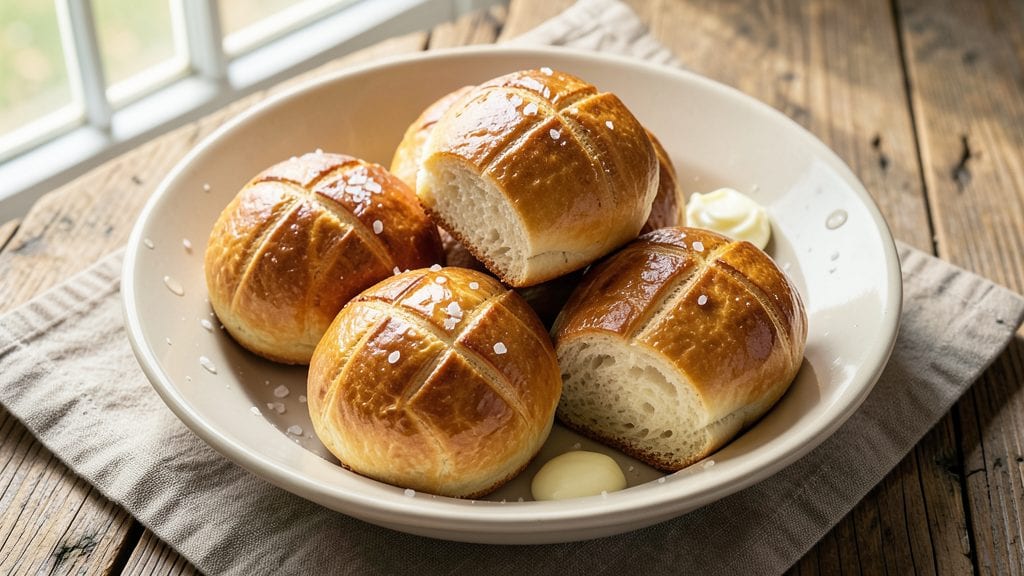
This pandesal bread recipe brings the iconic Filipino bakery experience straight to your kitchen with its signature sweet, pillowy texture and caramelized crust. The key lies in a foolproof dough technique that balances yeast activation, proper kneading, and precise proofing—steps I’ve perfected after years of trial and error.
Unlike many recipes that skip critical details, this method ensures every bite delivers that melt-in-your-mouth softness with just the right chew.
The process begins with a simple yet precise dough that requires only 5 key ingredients—flour, sugar, yeast, milk, and butter—all combined in a way that maximizes flavor and texture.
What sets this recipe apart is the two-stage proofing: an initial room-temperature rise followed by a cold proof in the fridge, which develops depth of flavor while keeping the dough manageable. This traditional approach guarantees professional results without requiring advanced baking skills.
By the time you pull these golden, crescent-shaped rolls from the oven, you’ll have restaurant-quality pandesal with a crisp exterior and a soft, slightly sticky interior—just like the ones you’d find in Filipino bakeries. The aroma alone will fill your kitchen with warmth, and the taste?
Pure comfort in every bite. Whether you’re serving them for breakfast, merienda, or holiday gatherings, this recipe delivers consistency and flavor every time.
For those who love customization, you can adjust the sugar level for a lighter sweetness or even create a savory version by omitting sugar entirely. The shaping technique is simple but critical—rolling the dough into tight crescents ensures even baking and that signature pillowy texture.
Let’s get started on creating your own batch of these beloved Filipino treats.
Ingredients for pandesal bread
Five core ingredients transform into golden, pillowy pandesal with crisp edges and tender centers.
| Ingredient | Amount | Notes |
|---|---|---|
| All-Purpose Flour 🌾 | 5 cups | Sifted for light texture |
| Granulated Sugar 🍚 | ½ cup | Adjust for sweetness preference |
| Active Dry Yeast 🍞 | 2 ¼ tsp | Freshly opened for potency |
| Whole Milk 🥛 | 1 ¼ cups | Room temperature preferred |
| Unsalted Butter 🧈 | ½ cup | Softened but not melted |
| Large Egg 🥚 | 1 whole | Room temperature for mixing |
| Salt 🧂 | ½ tsp | Diamond Crystal kosher |
| Granulated Sugar (for topping) 🍚 | ¼ cup | Fine sugar for caramelization |
| Water 💧 | ¼ cup | For egg wash |
The flour is non-negotiable—King Arthur or Gold Medal work best for that signature chew. Sugar levels matter: reduce to 1/4 cup for a lighter sweetness, or omit entirely for savory pandesal. Yeast potency varies by brand, so test it first—sprinkle in warm milk with a pinch of sugar; if it bubbles in 10 minutes, it's active. For the butter, Land O'Lakes unsalted melts beautifully without overpowering. Room-temperature milk and egg ensure smooth dough—no lumps here. The cold proof in the fridge is where flavor develops, so don’t skip it.
No whole milk? 2% or skim works, but texture suffers slightly. Butter too hard to soften? Microwave 20 seconds to just melt it, then cool. Egg wash consistency is key—add water gradually until it coats the back of a spoon. For shaping, keep dough lightly floured to prevent sticking, but not so much that it dries out. The crescent rolls should be tight but not forced—think of them like little pillows. If your dough feels too sticky after the first rise, chill it 10 minutes before shaping.
Freshly baked pandesal stays soft for 2 days at room temperature, wrapped in a clean kitchen towel. For longer storage, freeze shaped rolls (unbaked) for up to 3 months—bake straight from frozen, adding 2-3 minutes. The caramelized sugar topping hardens as it cools, so serve warm for that bakery-fresh crunch. Leftovers? Toast them for a crispy breakfast treat—worth the extra batch.
Why You'll Love This Recipe
- No-Knead Magic: I swear by this—just mix the dough, let it rise overnight, and wake up to pillowy, buttery perfection. The yeast does all the work while you sleep, and honestly? That’s my kind of cooking.
- Sweet Butter Bliss: That whole milk and butter combo? It’s what makes these soft, tender, and just slightly sweet—like a hug in bread form. The sugar caramelizes just enough to give every bite a little golden edge.
- Breakfast to Brunch: Cold slices for pandesal ube or pandesal keso, toasted with garlic butter, or even as a side for silog meals. Between us, I’ve fed a crowd of breakfast-loving friends with nothing but this dough and a little creativity.
- Budget-Friendly Staple: A single batch stretches for days—freeze extras for lazy mornings or last-minute guests. And with just flour, sugar, milk, and butter? It’s the kind of recipe that makes grocery day feel like a win.
Step-by-step instructions for pandesal bread
Here's how to craft those iconic Filipino pastries with perfect pillowy texture and caramelized tops.
Activate the Yeast with Warm Milk
In a small bowl, combine the 1.25 cups whole milk with 0.5 cup granulated sugar and warm it to 110°F—just warm enough to dissolve the sugar completely but not hot enough to kill the yeast. Sprinkle the 2.25 teaspoons active dry yeast over the surface and let it sit for 5-10 minutes until it becomes frothy. This step ensures your dough will rise properly and develop that signature light texture.
I always test the milk temperature with my finger—it should feel pleasantly warm, like a warm bath, not hot. If it doesn't foam, your yeast might be old or the milk too hot. Start fresh with new yeast if this happens. The frothiness confirms the yeast is alive and ready to transform your dough into something magical.
Mix the Dough Until Smooth
In a large mixing bowl, combine the 5 cups all-purpose flour and 0.5 teaspoon salt. Make a well in the center and pour in the yeast-milk mixture along with the 0.5 cup softened unsalted butter and 1 whole large egg. Using a wooden spoon or dough whisk, mix until a shaggy dough forms—this takes about 3-4 minutes of vigorous stirring.
Once the dough starts coming together, switch to your hands and knead on a lightly floured surface for 8-10 minutes until smooth and elastic. The dough should be soft but not sticky—if it's too sticky, add 1 tablespoon flour at a time until it reaches the perfect consistency. This kneading develops gluten, which gives pandesal its signature chewy yet tender texture. You'll know it's ready when it springs back slowly when poked.
First Rise for Fluffy Development
Lightly grease a large bowl with a bit of butter and place the dough inside. Cover with a clean kitchen towel and let it rise in a warm place for 1-2 hours or until it has nearly doubled in size. The kitchen should feel warm—if it's chilly, place the bowl near a warm oven with the light on or use a proofing box.
During this time, the yeast will work its magic, creating air pockets that give pandesal its signature pillowy texture. Gently press two fingers into the dough—if the indentation stays, it's ready. If it springs back immediately, give it another 30 minutes. Overproofing leads to dense bread, so keep an eye on it. The room should feel comfortably warm, like a cozy afternoon in the kitchen.
Shape and Second Rise
Punch down the risen dough to release air, then divide it into 12 equal pieces (about 2 ounces each). Roll each piece into a smooth ball, then flatten slightly and roll into a 4-inch log, pinching the ends to seal. Arrange the logs on a parchment-lined baking sheet, leaving 1 inch between each.
Cover the shaped dough with the towel again and let it rise for another 30-45 minutes until puffy. The logs should look slightly domed and feel light when touched. This second rise is crucial—it ensures each pandesal has that airy, fluffy interior. If your kitchen is cool, extend the rise time by 15 minutes to compensate. The dough should feel springy and jiggly, like a well-set soufflé.
Bake to Golden Perfection
Preheat your oven to 375°F and brush the tops of each pandesal with a mixture of the 0.25 cup water and 0.25 cup granulated sugar (for topping)—this creates that beautiful caramelized crust. Bake for 12-15 minutes until the tops are deep golden brown and the internal temperature reaches 190°F. Rotate the baking sheet halfway through for even browning.
Here's the thing—don't overbake. Pandesal should be soft inside with a crispy exterior. If they're golden but still look slightly underdone, that's perfect. They'll continue cooking as they cool. Let them rest on the baking sheet for 5 minutes before transferring to a wire rack. The contrast of warm, pillowy centers with crispy, caramelized tops is what makes pandesal unforgettable.
Pro Tips For Making Pandesal Bread
- Use Warm Milk: Skip the cold milk—yeast hates it. Heat your whole milk to about 110°F (just warm to the touch) before mixing it with the yeast and sugar. I learned this the hard way when my dough took forever to rise because the yeast was basically in hibernation.
- Knead Until Silky: Your dough should pass the "windowpane test"—stretch a small piece, and it should thin out like plastic wrap without tearing. If it cracks or resists, knead another 3-5 minutes. I used to rush this, and my pandesal turned out dense. Trust the process.
- Butter Matters: Cold butter makes flaky layers, but room-temperature butter (about 65°F) incorporates better into the dough. Cut the unsalted butter into small cubes first, then rub it into the flour before adding liquid—this ensures even distribution. (Yes, even if you’re impatient like me.)
- Proof in a Draft-Free Spot: Yeast rises best in a warm, still place—no drafts, no oven heat. I used to proof my dough near the stove, and it’d rise unevenly. Move it to a turned-off oven with a bowl of hot water nearby (close the door) for consistent, even proofing. Your future self will thank you.
Best sauces and condiments for these flavors
Sweet Caramel Glaze
Drizzle freshly baked pandesal with a simple sugar glaze made by simmering ½ cup granulated sugar with 2 tablespoons water for 3-4 minutes until syrupy. Brush this over warm pandesal for an extra glossy, bakery-style finish.
The heat from the bread will caramelize the sugar instantly, creating that signature golden sheen. For a richer version, add 1 teaspoon butter to the glaze. 💛
Butter and Honey Drizzle
Melt 2 tablespoons unsalted butter and mix with 1 tablespoon honey and a pinch of flaky sea salt. Drizzle this over warm pandesal for a luxurious combination of richness and subtle sweetness.
The salt cuts through the sugar, balancing flavors perfectly. I love using local raw honey for a floral note that pairs beautifully with the bread's caramelized crust.
Spiced Coffee Syrup
For a grown-up twist, simmer ½ cup strong brewed coffee with ¼ cup sugar, 1 cinnamon stick, and 2 cloves for 5 minutes. Strain and drizzle over pandesal while still warm.
The coffee enhances the bread's natural sweetness while adding depth. This pairing is especially popular for merienda (Filipino afternoon snacks) and balances the bread's richness beautifully.
Cheese Spread Option
Serve pandesal with a Filipino-style cheese spread made by blending 4 oz cream cheese, 2 oz cheddar, 1 tablespoon mayonnaise, and ½ teaspoon garlic powder. Spread this on warm pandesal for a savory-sweet contrast.
This combo is a favorite for breakfast or merienda and adds a creamy, tangy element that complements the bread's soft texture.
Ube Jam Swirl
For a vibrant Filipino touch, spread ube (purple yam) jam between two pandesal slices. Ube's natural sweetness and earthy flavor create a stunning visual and taste experience. Look for high-quality ube jam at Asian markets or make your own by blending steamed ube with sugar and a bit of water.
This pairing is perfect for special occasions or as a decadent dessert. ✨
Garlic Butter Dip
For a savory option, melt ¼ cup butter with 2 minced garlic cloves and a pinch of salt. Serve warm pandesal with this fragrant garlic butter for dipping. The buttery richness pairs wonderfully with the bread's soft interior.
This combination is ideal for breakfast or as a side with soups, offering a comforting contrast to the sweet pandesal.
Nutrition facts
Frequently asked questions
Why does my pandesal dough feel too sticky?
Sticky dough usually means one of two things: either your milk wasn't warm enough to fully activate the yeast (try 110°F next time) or you need more flour. Add 1 tablespoon at a time while kneading until the dough is smooth but still pliable. Over-kneading can also make it sticky, so stop when it springs back slowly when poked. A lightly floured surface helps too!
Can I make pandesal without an egg?
Yes! Replace the egg with ¼ cup melted butter plus 2 tablespoons milk for binding. The butter adds richness while maintaining structure. For extra tenderness, add 1 teaspoon baking powder to the flour. The texture will be slightly denser but still delicious—great for dietary restrictions.
How do I fix overproofed pandesal dough?
If your dough rises too much and collapses when shaped, don't panic! Punch it down gently, cover, and let it rest for 10 minutes to relax. Then shape and proof again for 20-30 minutes—this often revives the structure. For extreme cases, add 1 teaspoon instant yeast to the dough before shaping to boost rise. Overproofing is fixable with patience!
What's the best way to store leftover pandesal?
Keep them fresh by storing in an airtight container at room temperature for 2 days, wrapped in a clean kitchen towel to prevent drying. For longer storage, freeze shaped (unbaked) rolls for up to 3 months—bake straight from frozen, adding 2-3 extra minutes. Reheat in a 350°F oven for 5 minutes to restore softness. Never refrigerate baked pandesal—they'll dry out!
Can I make pandesal without butter?
Substitute with ½ cup neutral oil (like vegetable or canola) for the butter. The dough will be slightly denser but still tender. For extra flavor, add 1 teaspoon vanilla extract to the milk mixture. This works well for dietary preferences or when butter isn't available. The caramelized topping will still form beautifully!