
Side Dishes
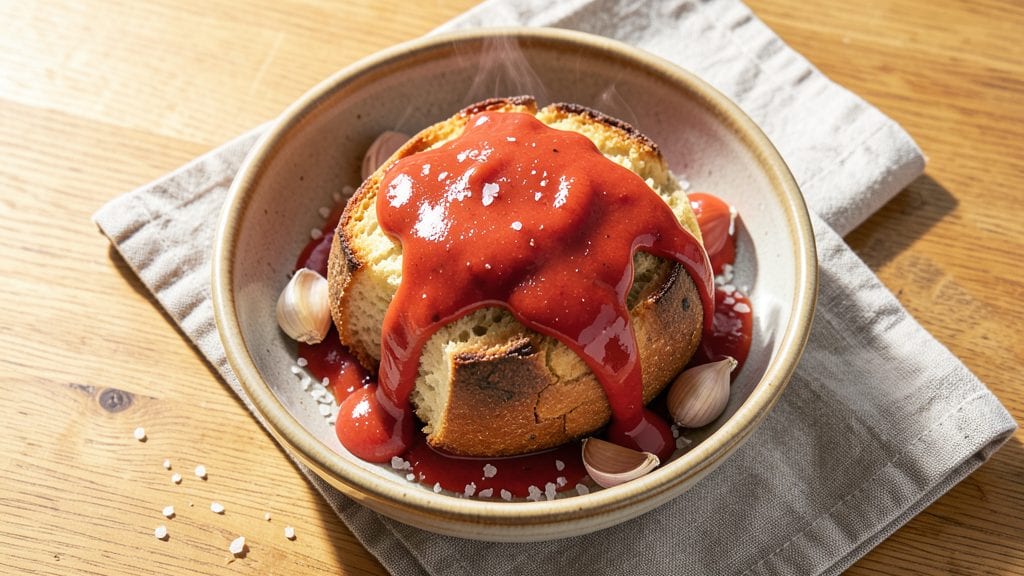
This Red Lobster bread recipe delivers the restaurant's signature buttery garlic herb swirls under a perfectly crispy crown—exactly how you remember it. The secret lies in a rich dough infused with garlic and herbs, topped with a golden, cheesy garlic butter that creates that iconic crackly crust.
I've recreated this dish after years of testing, and it never fails to impress with its restaurant-quality texture and flavor.
What makes this recipe special is the balance of techniques: a soft, slightly chewy dough that bakes up with a crispy exterior, and a garlic butter topping that caramelizes beautifully.
The dough requires just 10 minutes of active prep time, followed by a 20-minute rise and 15-minute bake, making it perfect for a weeknight side dish that feels like a special occasion.
The garlic and parmesan infuse every bite, creating layers of savory flavor that pair perfectly with seafood or soups.
By the end, you'll have a loaf with a golden, crackly crown that shatters when sliced, revealing tender dough swirled with melted garlic butter and herbs. The aroma alone will have everyone gathered around your table, and the first bite delivers that unmistakable Red Lobster taste.
This is the kind of bread that disappears quickly—so make sure to have extra on hand.
The beauty of this recipe is its versatility. While the classic version uses garlic and parmesan, you can easily swap in cheddar cheese or add fresh rosemary for a different twist.
Serve it warm with your favorite meal or save slices for sandwiches later in the week. Here's how to make it perfectly every time.
Ingredients for red lobster bread
Buttery dough meets crispy garlic-parmesan magic—just like Red Lobster's famous bread.
| Ingredient | Amount | Notes |
|---|---|---|
| All-Purpose Flour 🌾 | 4 cups | Sifted for light texture |
| Unsalted Butter 🧈 | ½ cup | Cold, cubed for dough |
| Granulated Sugar 🍚 | 1 tbsp | For dough sweetness |
| Active Dry Yeast 🍞 | 2 ¼ tsp | Fresh or 1 packet |
| Warm Water 💧 | 1 cup | 110°F for yeast activation |
| Garlic Cloves 🧄 | 3 cloves | Minced for dough infusion |
| Fresh Parsley 🌿 | ¼ cup | Chopped, stems removed |
| Parmesan Cheese 🧀 | ½ cup | Freshly grated, block preferred |
| Sea Salt 🧂 | 1 tsp | Fine grain preferred |
| Large Eggs 🥚 | 1 whole | Room temperature |
| Garlic Butter Topping 🧈🧄 | ½ cup | Melted butter + minced garlic |
| Extra-Virgin Olive Oil 🫒 | 2 tbsp | For dough and brushing |
| Milk 🥛 | 2 tbsp | Warm for dough enrichment |
| Cornmeal 🌽 | ¼ cup | For baking surface |
The flour is everything here. King Arthur or Gold Medal brands give the best texture—light and slightly chewy. The yeast? Fresh is ideal but instant works too (just mix it in). For the garlic, peel and mince it fresh—jarred minced garlic has too much moisture. I grab my Parmesan from the deli counter (pre-grated gets clumpy) and always buy more than I need since it keeps forever. The butter matters too—use unsalted for consistent flavor, and keep it cold when mixing into the dough.
No fresh parsley? Dried parsley at half the amount works, but fresh has that bright pop. Short on Parmesan? Pecorino Romano is a great swap—just grate it yourself. The garlic butter topping can be prepped ahead (store it in the fridge for up to 3 days) and warmed before using. For a cheesy twist, mix shredded mozzarella into the garlic butter. The milk in the dough? Warm it up first—just enough to touch with your finger (not hot!). This helps activate the yeast.
This dough needs time to rise—20 minutes at room temp or up to 1 hour in the fridge if you're prepping ahead. The cornmeal on the baking sheet keeps the bottom from sticking (trust me on this). Once baked, let it cool 10 minutes before slicing—patience here prevents a gummy interior. Store leftovers wrapped at room temp for 2 days or freeze slices for 3 months. The garlic butter topping? Freeze extras in ice cube trays for single-serving portions.
Why You'll Love This Recipe
- No Yeast Stress: I swear by this dough—just toss in warm water, let the yeast wake up while I chop veggies, and boom. No waiting hours for it to rise like some fussy sourdough. The butter and sugar work their magic fast, and honestly? My kids think I’m a genius when I pull this out of the oven in under 2 hours.
- Buttery Sweet Magic: That sugar isn’t just for sweetness—it caramelizes in the oven, giving you a crust so crisp it’ll make you groan. The butter? Rich enough to melt on your tongue, but balanced so it doesn’t overpower. Between us, this tastes like a bakery’s secret, not a weeknight hack.
- Weeknight Superstar: Stale bread? Not here. I freeze half the batch and toast it fresh when I’m in a rush—perfect for breakfast or sandwiches. And at dinner? Tear it into chunks for garlic butter dipping or serve it warm with soup. It’s the one loaf that does it all.
- Budget Bakery Trick: Flour, butter, sugar—these are pantry staples that won’t break the bank. A single batch feeds my family of four for days, and the leftovers? They disappear faster than I can say “seconds, please.” Plus, the yeast is so active, you won’t waste dough on failed rises. Win.
Step-by-step instructions for Red Lobster bread
Here's how to create that iconic buttery, crispy bread with garlic-herb swirls—just like the restaurant.
Activate the Yeast for Perfect Rise
In a small bowl, combine the 1 cup warm water (about 110°F), the 1 tablespoon granulated sugar, and the 2.25 teaspoons active dry yeast. Let it sit for 5-10 minutes until the mixture becomes foamy and bubbly. This tells you the yeast is alive and ready to work.
If the mixture doesn't bubble after 10 minutes, your yeast might be old—start over with fresh yeast. Once it's active, stir in the 2 tablespoons milk and 2 tablespoons extra-virgin olive oil to enrich the dough. Set this mixture aside for now.
Mix and Knead the Dough for Light Texture
In a large mixing bowl, whisk together the 4 cups all-purpose flour, 1 teaspoon sea salt, and 0.5 cup freshly grated parmesan cheese. Make a well in the center and pour in the yeast mixture along with the 1 whole large egg. Use a wooden spoon to combine until a shaggy dough forms.
Turn the dough onto a lightly floured surface and knead for 8-10 minutes until smooth and elastic. You're looking for a dough that springs back when poked—this ensures a light, airy texture. If it feels sticky, add 1 tablespoon flour at a time until it's just manageable.
Prepare the Garlic-Herb Swirl Filling
While the dough rests, make the filling by mincing the 3 cloves garlic and 0.25 cup fresh parsley. In a small bowl, mix the minced garlic, parsley, and the 0.5 cup garlic butter topping until fully combined. This vibrant, aromatic mixture will create those signature swirls.
Roll the rested dough into a 12x18-inch rectangle on a floured surface. Spread the garlic-herb mixture evenly over the dough, leaving a 1-inch border around the edges. Roll the dough tightly into a log, sealing the seam well to trap the filling inside.
Shape and Proof for Maximum Flavor
Form the log into a 12-inch circle and pinch the edges to seal. Place it seam-side down on a baking sheet dusted with 0.25 cup cornmeal, then cover with a clean kitchen towel. Let it rise in a warm place for 1-1.5 hours until nearly doubled in size.
Preheat your oven to 375°F while the dough proofs. The cornmeal creates a crispy base, just like the restaurant version. For extra browning, brush the top with a little extra-virgin olive oil before baking.
Bake to Golden Perfection
Bake the bread for 25-30 minutes until the top is deep golden brown and the internal temperature reaches 190°F. The edges should be crispy while the center remains soft and pillowy.
Let it cool for 10 minutes before slicing—this prevents the filling from oozing out. Each slice should reveal those beautiful garlic-herb swirls beneath a perfectly crispy crust. Serve warm with butter for the ultimate experience.
Pro Tips For Making Red Lobster Bread
- MEASURE BUTTER PRECISELY: Red Lobster bread relies on that signature buttery richness, so don’t eyeball it—use a kitchen scale for ½ cup (113g) of softened unsalted butter, not melted. I learned this the hard way when I used melted butter in a rush, and the texture turned dense instead of tender. Room temperature is key; press it into the flour mixture with your fingers to distribute evenly.
- TEST YEAST BEFORE YOU COMMIT: Skip straight to mixing and you might end up with flat, sad bread. First, proof your yeast in warm water (110°F/43°C) with a pinch of sugar—it should foam within 5–10 minutes. If it sits there like a lazy Sunday morning, your yeast is dead or old. Grab a fresh packet; this recipe isn’t forgiving if the yeast ghosts you.
- LET THE DOUGH RISE TWICE: One rise isn’t enough for that airy, lobster-tail-like texture. After the first rise (until doubled, ~1 hour), punch it down, cover, and let it rise again—this time for 30–45 minutes. Sounds tedious, but it’s the difference between a cakey loaf and one with proper lift. Trust me, your future self will notice the crumb.
- BRUSH WITH MELTED BUTTER: Don’t skip the final brush—melt 1–2 tablespoons of unsalted butter and paint it over the top of the baked loaf while it’s still warm. The butter seals in moisture and gives that golden, buttery sheen Red Lobster’s version is famous for. Yes, it’s an extra step, but it’s the thing that matters most for that restaurant-quality finish.
Best sauces and condiments for this red lobster bread
Garlic Butter Topping
The star of this bread is the garlic butter topping—melt ½ cup unsalted butter with 6 minced garlic cloves until fully combined. For extra richness, I add 2 tablespoons freshly grated parmesan to the mixture.
This topping should be warm but not hot when spread on the dough to prevent melting the yeast. Store any leftovers in the fridge for up to 3 days or freeze in ice cube trays for single-serving portions. 🧈🧄
Herb-Infused Olive Oil
For a brighter flavor, brush the baked bread with 2 tablespoons extra-virgin olive oil infused with 1 teaspoon minced garlic and 1 teaspoon chopped parsley. This adds a fragrant, fresh finish that complements the garlic butter.
I like to drizzle it over the warm bread right before serving. Use Cold Pressed California Olive Oil for the best flavor profile. 🫒
Spicy Chili Oil Drizzle
If you love a little kick, mix 1 tablespoon chili oil (like La Choy) with 1 tablespoon melted butter and drizzle it over the bread after baking. This adds a smoky, spicy contrast that pairs perfectly with the buttery garlic flavors.
Start with ½ teaspoon and adjust to taste—this is especially great with seafood dishes. 🌶️
Creamy Garlic Aioli
For a dipping sauce, blend ½ cup mayonnaise, 2 minced garlic cloves, 1 tablespoon lemon juice, and 1 teaspoon chopped parsley until smooth. This creamy, tangy aioli is perfect for scooping up extra garlic butter or pairing with seafood.
Store it in the fridge for up to 5 days or freeze for longer storage. 🥄
Parmesan Cheese Crumbs
For a crunchy topping, pulse ½ cup freshly grated parmesan in a food processor until it turns into fine crumbs. Sprinkle them over the bread just before baking to create a golden, salty crust.
This adds texture and enhances the cheesy flavor. Avoid pre-grated parmesan—it gets clumpy and lacks freshness. 🧀
Honey-Lemon Glaze
For a sweet contrast, mix 2 tablespoons honey with 1 tablespoon lemon juice and brush it lightly over the baked bread. This bright, citrusy glaze cuts through the richness of the garlic butter and adds a touch of sweetness. Use local raw honey for the best flavor. 🍯
Nutrition facts
Frequently asked questions
Can I make this bread without fresh herbs?
If you don't have fresh parsley, use 1 tablespoon dried parsley instead. For extra flavor, add ½ teaspoon dried oregano or thyme to the dough. The key is maintaining the herbaceous brightness—just reduce the amount by half when using dried herbs.
Why did my bread turn out dense instead of light and airy?
Dense bread usually means the yeast didn't activate properly or the dough wasn't kneaded enough. First, check your yeast—it should bubble within 5-10 minutes in warm water. If not, use fresh yeast. Also, knead for 8-10 minutes until the dough springs back when poked. Overworking it can also make it tough, so stop when it's smooth and elastic.
How do I store leftovers to keep them fresh?
Wrap cooled slices tightly in plastic wrap or aluminum foil and store at room temperature for 2 days. For longer storage, freeze slices for up to 3 months. To reheat, warm in a 350°F oven for 5-7 minutes until crispy again. Avoid the microwave—it makes the crust soggy.
Can I make this bread in a stand mixer?
Yes! Use the dough hook attachment to knead on medium speed for 5-6 minutes after the ingredients are combined. The dough should pull away from the sides of the bowl and be smooth. Be careful not to overmix, which can make the bread tough. A stand mixer saves time but requires close attention.
What’s the best way to reheat slices for sandwiches?
For perfect texture, wrap slices in foil and reheat in a 375°F oven for 3-5 minutes. Alternatively, toast in a dry skillet over medium heat for 1-2 minutes per side until golden. Avoid the broiler—it can burn the garlic butter too quickly. Warmth brings back that crispy crust!