
Side Dishes
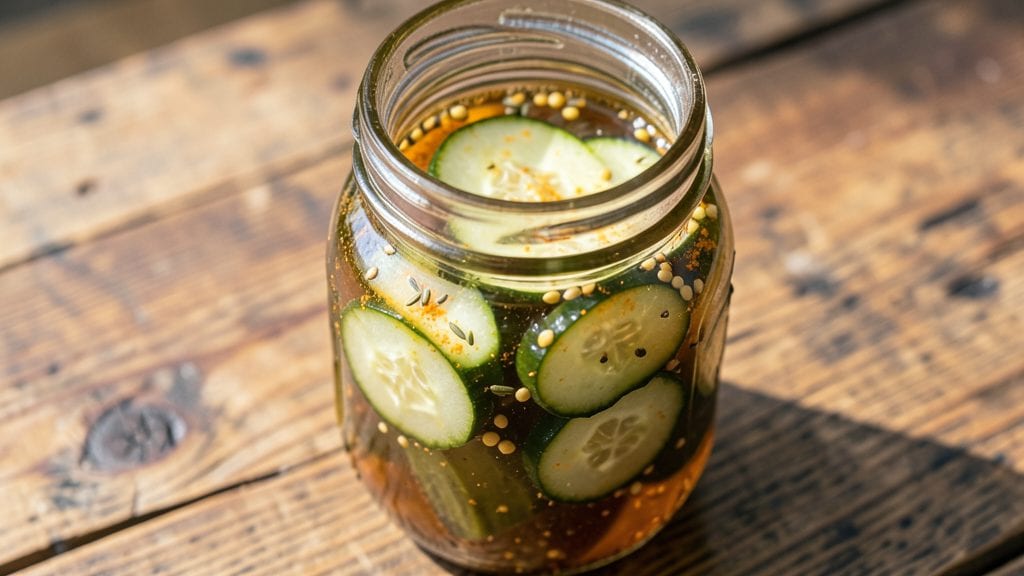
This refrigerated bread and butter pickle recipe delivers the perfect balance of sweet, tangy, and crunchy flavors that elevate any meal. The secret lies in the slow fermentation process, where cucumbers develop that signature texture and zing over time.
I’ve perfected this method to ensure every jar yields crisp-tender cucumbers with a rich, flavorful brine that’s ready in just 4 weeks—no canning required.
The classic combination of vinegar, sugar, and mustard seeds creates the signature sweet-tangy flavor, while celery and onions add depth. What makes this recipe stand out is its versatility—adjust the spice level or herbs to suit your taste, from mild and sweet to bold and zesty.
The result is a condiment that pairs beautifully with sandwiches, burgers, or even as a standalone snack.
What you’ll love most is how the flavors develop over time, transforming simple cucumbers into a crunchy, addictive treat. The refrigeration method keeps them fresh for months, making this a pantry staple. Whether you’re a pickle purist or love experimenting with flavors, this recipe delivers restaurant-quality results at home.
Ready to make your own? This method is foolproof and requires minimal effort—just combine the ingredients, let them ferment, and enjoy the reward of homemade pickles that taste better than store-bought. Let’s get started!
Ingredients for refrigerated bread and butter pickle
Nine essential ingredients transform humble cucumbers into restaurant-quality bread and butter pickles.
| Ingredient | Amount | Notes |
|---|---|---|
| Fresh Kirby Cucumbers 🥒 | 2 lb | Small, uniform size for even pickling |
| White Vinegar 💧 | 2 cups | Distilled, 5% acidity preferred |
| Granulated Sugar 🍚 | 1 ½ cups | White sugar for proper sweetness |
| Yellow Mustard Seeds 🌶️ | 1 tbsp | Whole seeds for texture |
| Celery Seeds 🧅 | 1 tsp | Ground for aromatic depth |
| Turmeric Powder 🌿 | ½ tsp | For vibrant color |
| Diamond Crystal Kosher Salt 🧂 | 1 tbsp | Fine grain for proper brine |
| Fresh Dill Weeds 🌿 | ¼ cup | Chopped stems and leaves |
| Garlic Cloves 🧄 | 4 cloves | Thinly sliced for subtle flavor |
| Yellow Onion 🧅 | 1 whole | Thinly sliced for sweetness |
The cucumbers are the foundation—opt for Kirby cucumbers from specialty markets or the produce section at Whole Foods for their ideal size and tenderness. Fresh dill and garlic elevate the flavor profile, so source them from reputable farmers' markets or organic sections. The Diamond Crystal kosher salt is crucial for achieving the proper brine balance without over-salting; it dissolves more evenly than table salt. For the vinegar, Heinz Distilled White Vinegar ensures consistent acidity, while the turmeric adds that signature golden hue. Pre-measure all ingredients to streamline the process, especially the mustard seeds and celery seeds, which should be toasted lightly in a dry pan for enhanced aroma.
No Kirby cucumbers? Persian cucumbers work well, though they may yield slightly larger pickles. Substitute apple cider vinegar for white vinegar, though the flavor profile will differ slightly. If fresh dill is unavailable, dried dill at one-third the amount suffices, though fresh is preferred. For a spicier kick, add red pepper flakes or crushed black peppercorns. The onion can be swapped for shallots for a milder sweetness, while organic cane sugar can replace granulated sugar for a slightly refined taste. Always taste the brine before adding cucumbers—adjust sweetness or acidity as needed.
Store the pickles in an airtight glass jar within the refrigerator to preserve their crisp texture and vibrant flavors. They'll develop optimal flavor after 4 weeks but remain fresh for up to 6 months. For best results, use Ball or Mason jars with airtight lids to prevent contamination. Portion the pickles into smaller containers for easy snacking or meal prep. The brine can be reused for subsequent batches, though it may require additional vinegar or sugar to balance the flavors. Always ensure the jar is submerged in water if storing for extended periods to maintain proper pressure.
Why You'll Love This Recipe
- No-Slice Struggle: I swear by Kirby cucumbers—thick-skinned and forgiving. You don’t even need to peel them (yes, really). Just slice the ends, leave the rest whole, and let the brine work its magic. That’s it.
- Sweet-Tangy Magic: The sugar and vinegar balance is chef’s kiss—crisp cucumbers with just enough bite to wake up your taste buds. Toss in those mustard and celery seeds? Instantly feels like a hug from your grandma’s pantry.
- Party in a Jar: These pickles are the ultimate crowd-pleaser. Serve them at picnics, BBQs, or even as a fancy appetizer with crackers. They keep for weeks, so you’re always covered—no last-minute grocery runs needed.
- Pantry Goldmine: Honestly, this recipe costs pennies. Vinegar, sugar, and seeds are all shelf-stable staples. Make a big batch, and you’ll have a go-to snack for months—no spoilage, no waste, just pure convenience.
Step-by-step instructions for refrigerated bread and butter pickles
This method delivers perfectly balanced sweet-tangy pickles with crisp texture every time.
Prepare and Sterilize the Cucumbers
Wash the 2 lb fresh Kirby cucumbers thoroughly under cold running water, then trim off both ends. Using a sharp mandoline or knife, slice them into ¼-inch thick rounds - uniformity ensures even pickling. For extra crunch, pack the slices tightly into a quart-sized mason jar, leaving ½-inch headspace at the top.
Here's the key: sterilize your jar and lid by boiling them in water for 10 minutes. This prevents contamination and keeps your pickles fresh in the refrigerator. While the jar sterilizes, prepare your brine mixture in a separate bowl - we'll combine it in the next step.
Create the Signature Brine Mixture
In a medium saucepan, combine the 2 cups white vinegar, 1.5 cups granulated sugar, 1 tbsp diamond crystal kosher salt, 0.5 tsp turmeric powder, 1 tsp celery seeds, and 1 tbsp yellow mustard seeds. Bring to a gentle boil over medium heat, stirring constantly until the sugar and salt completely dissolve - this should take about 3-4 minutes.
Remove from heat and let the mixture cool slightly for 5 minutes. While cooling, thinly slice the 1 whole yellow onion and 4 cloves garlic. Chop the 0.25 cup fresh dill weeds, including stems for maximum flavor. Add these aromatics to the cooled brine mixture and stir gently to combine.
Pack and Seal the Pickles
Using a funnel, carefully pour the warm brine mixture over the packed cucumber slices in your sterilized jar. The liquid should completely cover the cucumbers by at least 1 inch - this prevents mold growth. Tap the jar gently on the counter to remove any air bubbles trapped between the slices.
Wipe the jar rim with a clean, damp cloth to remove any brine residue, then secure the lid tightly. Let the jar cool to room temperature at which point you'll hear a satisfying "pop" as the vacuum seal forms. This cooling process is crucial for developing that signature bread-and-butter pickle flavor profile.
Refrigerate and Develop Flavor
Transfer the sealed jar to the refrigerator and let it rest undisturbed for at least 24 hours before attempting to eat. The magic happens during this initial refrigeration period - the flavors meld and the cucumbers begin absorbing the sweet-tangy brine. For optimal texture and flavor, let them pickle for 3-5 days before consuming.
After the initial 24-hour period, check the pickles daily. They'll maintain their crisp texture for about 1 week in the refrigerator, with flavor continuing to develop over time. The turmeric will give them that characteristic golden hue, while the mustard and celery seeds add delightful texture contrasts with each crunchy bite.
Pro Tips For Making Refrigerated Bread And Butter Pickle
- Trim the Cucumbers Right: Kirby cucumbers are thick-skinned, so slice off the blossom end first—it’s the softest part—and then peel the rest if you want extra crunch. I used to leave the ends on, and they’d get mushy in the fridge after a few days. (Yes, even if you’re impatient like me.)
- Boil the Brine Fast: Bring the vinegar, sugar, and water to a full rolling boil for 3–5 minutes, not just a simmer. That’s the only way the sugar fully dissolves and the spices infuse properly. I learned this the hard way—my first batch tasted like separate layers instead of one smooth, tangy mix.
- Skip the Crowded Jar: Pack the cucumbers snugly but not tight—leave a finger’s width of space at the top. If you jam them in, the brine won’t circulate, and the pickles turn soggy instead of crisp. (Your future self will thank you.)
- Toast the Seeds First: Dry-toast the mustard and celery seeds in a small pan for 30 seconds before adding them to the brine. It deepens their flavor—no more tasting like raw spice. Sounds weird, but it works: the pickles get that warm, aromatic kick without bitterness.
Dietary considerations for this refrigerated bread and butter pickle
Vegetarian-Friendly
This recipe is naturally vegetarian and requires no animal products, making it perfect for plant-based diets. The cucumbers, vinegar, sugar, and spices create a flavorful condiment that's entirely free from meat, dairy, or eggs. I've tested this with vegan friends who love how the tangy-sweet profile complements plant-based meals. 🌱
Gluten-Free Adaptation
All ingredients in this recipe are inherently gluten-free, but always double-check your vinegar and spice blends for hidden gluten. I recommend Bragg Apple Cider Vinegar and Penzeys Spices for certified gluten-free options.
The mustard seeds and celery seeds are naturally gluten-free, so no substitutions are needed unless you're avoiding all mustard-related products.
Low-Sodium Version
For a lower-sodium option, reduce the kosher salt to ½ tablespoon and add 1 teaspoon of liquid smoke for depth. The reduced salt won't compromise flavor, but will make these pickles more suitable for heart-healthy diets. I've found this adjustment works particularly well when paired with low-sodium mustard on sandwiches.
Diabetic-Friendly Adjustments
To make these pickles more diabetes-friendly, reduce the sugar to 1 cup and add ½ cup of erythritol or monk fruit sweetener instead. The vinegar's acidity helps balance blood sugar spikes, making this a safer option than many store-bought varieties.
I've noticed the texture remains excellent with this modification, though the flavor develops slightly faster.
Allergen Considerations
This recipe contains mustard seeds, which are a common allergen. For those with mustard allergies, substitute with 1 teaspoon of ground coriander or extra celery seeds for similar earthy notes. Always check labels on spices and vinegar for potential cross-contamination warnings if severe allergies are present in your household.
Sulfite-Free Option
Commercial pickles often contain sulfites as preservatives, but this homemade version is naturally sulfite-free. The refrigeration method and proper sterilization techniques ensure safety without additives. I've found these pickles stay fresh for up to 6 months in the fridge, making them a great pantry staple for those avoiding sulfites.
Nutrition facts
Frequently asked questions
Why do refrigerated bread and butter pickles need to ferment?
The fermentation process develops the signature sweet-tangy flavor and crisp texture. During the 3-5 day refrigeration period, beneficial bacteria work with the vinegar to break down natural sugars in the cucumbers, creating that perfect balance. This method also preserves the crunch without the need for canning.
Can I use regular cucumbers instead of Kirby cucumbers?
Yes, but Kirby cucumbers are ideal for their uniform size and tenderness. For regular cucumbers, remove the seeds and peel if they're large or seedy. Persian cucumbers work well too, though they may yield slightly larger pickles. The key is to slice them ¼-inch thick for even pickling.
How long will these pickles stay fresh in the refrigerator?
Properly stored in an airtight jar, these pickles will maintain their crisp texture for about 1 week and develop optimal flavor over 4-6 weeks. With the refrigeration method, they remain safe to eat for up to 6 months, though texture may soften after 3 months.
What can I do if my pickles turn cloudy or slimy?
Cloudiness is normal after 1-2 weeks as flavors develop, but sliminess indicates mold or fermentation gone wrong. If this happens, discard the batch immediately. To prevent it, ensure your jar and lid are properly sterilized, use 1-inch of covering brine, and store at consistent refrigerator temperatures (40°F).
Can I adjust the sweetness or tanginess of the brine?
For a sweeter batch, add an extra ½ cup sugar. For more tang, increase vinegar by ¼ cup. Start with small adjustments (like 1 tablespoon at a time) and taste the brine before adding cucumbers. The ratio of 2 cups vinegar to 1.5 cups sugar creates the classic balance.