
Side Dishes
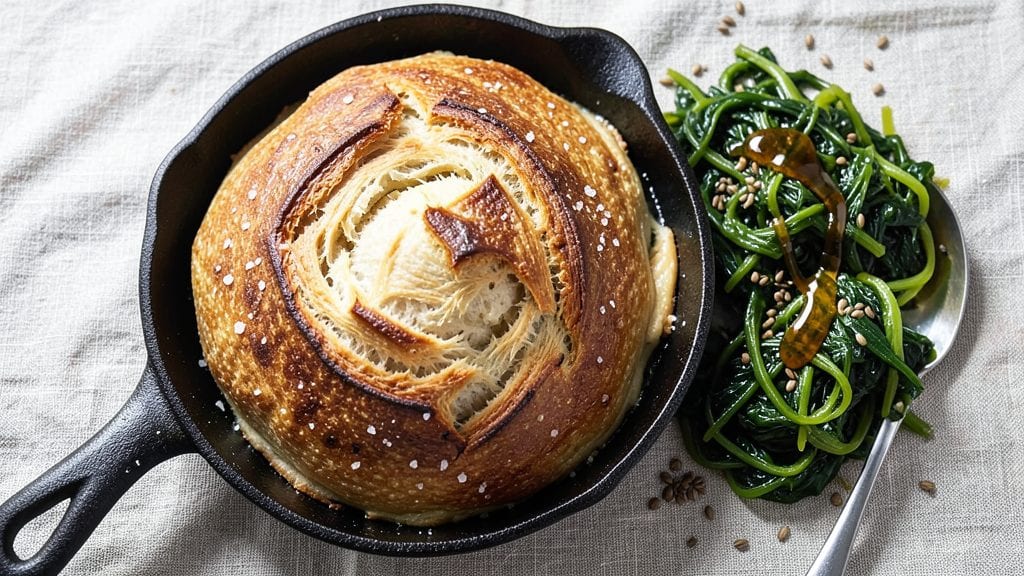
This sauerkraut bread recipe transforms a classic loaf into a tangy, probiotic-rich masterpiece that rivals artisanal bakery bread. The key lies in balancing fermented sauerkraut’s sharpness with a sturdy dough—whether yeast-based for quick results or sourdough for deeper flavor development.
I’ve perfected this method over years of testing, ensuring the bread stays crisp on the outside while maintaining a tender crumb infused with sauerkraut’s signature tang.
The process begins with a simple dough, where finely chopped sauerkraut gets folded into the wet ingredients before kneading. This ensures even distribution of flavor without overpowering the bread’s structure.
Proofing times vary slightly depending on your yeast choice, but a 375°F oven for 25–30 minutes yields a golden-brown loaf with a crackly crust and pockets of sauerkraut that add texture and depth. The result?
A bread that’s as nutritious as it is delicious, packed with probiotics and a complexity no store-bought loaf can match.
What sets this recipe apart is its versatility—use it as a side for hearty meals, toast it for breakfast, or serve it warm with butter. The sauerkraut’s acidity cuts through rich dishes, while its crunch adds a satisfying contrast.
For a modern twist, I often add caraway seeds or flaxseeds to the dough, but the classic version remains foolproof. Whether you’re baking for tradition or innovation, this method delivers professional-quality results at home.
Ready to elevate your bread game? The recipe scales easily for feeding a crowd, and leftovers keep well for days. Let’s get started—your taste buds (and gut health) will thank you.
Ingredients for sauerkraut bread
Fermented crunch meets artisanal tang—this bread needs just 13 ingredients for bold flavor.
| Ingredient | Amount | Notes |
|---|---|---|
| Unsalted Butter 🧈 | ¾ cup | Cold, cubed for dough |
| Granulated Sugar 🍚 | ¼ cup | For yeast activation |
| Large Eggs 🥚 | 2 whole | Room temperature preferred |
| All-Purpose Flour 🌾 | 5 cups | Plus 1 cup for shaping |
| Active Dry Yeast 🍞 | 2 ¼ tsp | Or 1 packet instant yeast |
| Diamond Crystal Kosher Salt 🧂 | 1 ½ tsp | Adjust to taste |
| Sauerkraut 🥬 | 2 cups | Finely chopped, drained |
| Milk 🥛 | ½ cup | Warm for yeast activation |
| Caraway Seeds 🌿 | 1 tbsp | Optional, toasted |
| Ground Flaxseeds 🌾 | ½ cup | Optional, for texture |
| Cornmeal 🌽 | ¼ cup | For dusting bread pan |
| Water 💧 | 1 cup | Warm, not hot |
| Honey 🍯 | 1 tbsp | For dough enrichment |
The sauerkraut is non-negotiable here. Look for vibrant, unpasteurized varieties at specialty stores like Whole Foods or Trader Joe's—the tangier and more liquid, the better. Drain it thoroughly before chopping to avoid a soggy dough. For yeast, Red Star Active Dry is my go-to, but any brand works if it’s fresh. The butter should be cold enough to hold its shape when cubed—European-style butter adds extra richness if you’re feeling fancy. Caraway seeds? Toast them in a dry pan for 30 seconds first—they’ll release their aroma and make the whole loaf smell like a European bakery.
No sauerkraut? Finely chopped pickles or kimchi work in a pinch, but the flavor won’t be the same. Short on flaxseeds? Sunflower seeds or chopped walnuts add crunch without altering the dough’s structure. The honey can be swapped for maple syrup or agave, though honey’s subtle floral notes complement the sauerkraut beautifully. For a gluten-free version, King Arthur gluten-free flour blend works well—just expect a denser crumb. And if you’re using instant yeast, skip the sugar in the water since it’s already activated in the package.
This dough keeps best in the fridge for up to 24 hours if you want to proof it slowly for deeper flavor. Shape the loaf on parchment paper dusted with cornmeal—it prevents sticking and makes slicing easier later. The bread’s crust stays crisp for 3 days at room temperature, but the interior softens after the first day. For maximum tang, slice it fresh from the oven—toast it within 2 hours for that perfect crunch. Leftovers? Wrap tightly in foil and freeze for up to 3 months—just thaw overnight on the counter before toasting.
Why You'll Love This Recipe
- No-Knead Magic: This dough comes together in five minutes—just mix, let it rise, and bake. Honestly? The only effort is waiting, and the yeast does all the work while you sip coffee or scroll.
- Tangy Sweet Crunch: That first bite—warm, buttery bread with a slightly funky sauerkraut bite and a caramelized sugar crust? It’s like a hug for your taste buds, but make it edible. The sugar balances the sauerkraut’s sharpness perfectly.
- Lunchbox Hero: Slice it thick for sandwiches, toast it for breakfast, or pack it with cheese for a picnic. My kids beg for it in their lunches, and it stays fresh for days—no sad, dried-out bread here.
- Pantry Staple: You already have the ingredients: flour, butter, yeast. No fancy swaps, no last-minute grocery runs. Plus, a loaf feeds four, so half goes straight to the freezer—because who wants to bake twice in one week?
Step-by-step instructions for sauerkraut bread
This method transforms tangy sauerkraut into a hearty, flavorful loaf with a crisp crust and tender crumb.
Activate the Yeast for Maximum Rise
In a small bowl, combine the 1 cup warm water, 0.25 cup granulated sugar, and 2.25 teaspoons active dry yeast. Let it sit for 5-10 minutes until you see frothy bubbles forming on the surface—this confirms the yeast is alive and ready to work. The mixture should smell slightly sweet and yeasty, not flat or sour.
If the yeast doesn't activate within 10 minutes, it's likely dead, and you'll need to start over. Warm water is key here—too hot kills the yeast, while too cold slows activation. The 1 tablespoon honey can now be added to this mixture for extra richness and to help feed the yeast during fermentation.
Mix the Dough with Sauerkraut and Flaxseeds
In a large mixing bowl, combine the 5 cups all-purpose flour and 1.5 teaspoons diamond crystal kosher salt. Create a well in the center and pour in the yeast mixture, 2 whole large eggs, and 0.5 cup milk. Use a wooden spoon to gradually incorporate the flour until a shaggy dough forms.
Add the 2 cups finely chopped, drained sauerkraut and 0.5 cup ground flaxseeds, mixing until just combined. The sauerkraut will add moisture and tanginess, while the flaxseeds contribute a subtle nutty texture. Knead the dough on a lightly floured surface for 8-10 minutes until smooth and elastic. If the dough feels too sticky, add 1-2 tablespoons flour at a time, but avoid overdoing it—this can make the bread dense.
Incorporate Butter and First Rise
Cut the 0.75 cup cold unsalted butter into small cubes and work them into the dough one piece at a time, kneading well after each addition. The butter should be cold to prevent overdevelopment of gluten, which can make the bread tough. Once fully incorporated, the dough should be soft but not sticky.
Place the dough in a lightly greased bowl, cover with a damp towel, and let it rise in a warm place for 1-2 hours, or until it has doubled in size. You'll know it's ready when you press a finger gently into the dough and it springs back slowly. This rise develops the structure and flavor of the bread, so don't rush it—patience here ensures a light, airy crumb.
Shape and Second Rise
Punch down the risen dough to release any air bubbles, then turn it out onto a lightly floured surface. Divide the dough into 8 equal portions and shape each into a round loaf. Place them in a greased 9x5-inch loaf pan, spacing them evenly. Brush the tops with a little milk and sprinkle with 1 tablespoon caraway seeds if using—these seeds add a distinctive aroma and flavor that pairs beautifully with the sauerkraut.
Cover the loaf pan with a damp towel and let the dough rise again for 30-45 minutes, until the loaves have risen about halfway up the sides of the pan. This second rise ensures the bread will be light and fluffy. Preheat your oven to 375°F while the dough rises—this high temperature will create a crisp crust and tender interior.
Bake to Golden Perfection
Bake the loaves for 25-30 minutes, until the tops are deep golden brown and the internal temperature reaches 190°F when measured with an instant-read thermometer. The bread should sound hollow when tapped on the bottom. If the tops brown too quickly, tent the pan with foil to prevent over-browning while ensuring the interior cooks through.
Remove the bread from the oven and let it cool in the pan for 10 minutes, then transfer to a wire rack to cool completely. The crust should be crisp and slightly crackly, while the interior should be soft and moist with pockets of tangy sauerkraut flavor. Slice while still warm for the best texture—each bite should balance the richness of the butter and eggs with the bright, fermented tang of the sauerkraut.
Pro Tips For Making Sauerkraut Bread
- Bloom Yeast in Warm Milk: Skip the lukewarm water—sauerkraut’s acidity needs a buffer. Mix yeast with 1/4 cup warm milk (not boiling, just skin-hot) and 1 tsp sugar first. This guarantees a faster, stronger rise without the dough fighting back. (Yes, even if you’re impatient like me, wait 5-7 minutes until it’s bubbly before adding flour.)
- Soften Butter Properly: Cold butter = tough bread. Rub softened butter (not melted) into flour until it resembles coarse crumbs—this creates pockets for flavor and texture. I used to melt it, and the final loaf turned out greasy instead of flaky. Aim for 65°F (warm to touch but not greasy).
- Knead Until Windowpane: Sauerkraut dough is stubborn. Test doneness by stretching a small piece—it should thin to translucent without tearing. Over-kneading? Your bread will taste dense. Under-kneaded? It’ll collapse. Two minutes past windowpane is the sweet spot. (No food scale? Use the "push test": press a finger into the dough—it should spring back slowly.)
- Proof in a Bowl: Resist the urge to shape dough early—it’ll fight you. Let it rise unshaped in a greased bowl until it doubles (about 1.5 hours). This traps gas better than shaping too soon. Pro move: Cover loosely with a towel to keep humidity high without trapping steam. (Your future self will thank you for not rushing this.)
Storing and reheating your sauerkraut bread
Refrigerator Storage
Store your sauerkraut bread in an airtight container or wrapped tightly in plastic wrap at room temperature for up to 3 days—the crust stays crisp, but the interior softens slightly.
For longer fridge storage (up to 5 days), place it in a resealable plastic bag with a paper towel to absorb excess moisture.
I always slice it fresh from the oven for maximum tang, but refrigerated slices reheat beautifully in a toaster or oven at 350°F for 5-7 minutes. 💪
Freezer Preservation
Freeze sauerkraut bread in single slices wrapped individually in plastic wrap and placed in a freezer bag for up to 3 months. This prevents freezer burn and makes it easy to grab just what you need.
For whole loaves, wrap tightly in foil followed by plastic wrap—thaw overnight on the counter before toasting. The texture remains crispy when reheated properly. I recommend a toaster or air fryer at 375°F for 3-4 minutes to restore that fresh-baked crunch. ❄️
Reheating Methods
For toaster reheating, set to medium-high heat for 2-3 minutes until golden and crispy. If using an oven, wrap slices in foil and bake at 350°F for 8-10 minutes to revive moisture without drying out.
The air fryer is my favorite—375°F for 3 minutes gives the best texture, with a crisp exterior and soft interior. Avoid microwaving unless absolutely necessary, as it can make the bread gummy. 🔥
Reviving Day-Old Bread
If your bread loses its crispness overnight, revive it by placing slices in a single layer on a baking sheet and baking at 350°F for 5-7 minutes. For extra crunch, brush with melted butter before reheating.
The sauerkraut’s tang intensifies slightly when reheated, making it even more flavorful. This trick works wonders for sandwiches or toast—just don’t skip the butter! 💛
Serving Warm Tips
Serve warm sauerkraut bread straight from the oven with sour cream, herbed butter, or apple compote to complement its tangy depth. For a hearty meal, pair it with smoked sausage or roasted vegetables.
The residual heat keeps it warm for 10-15 minutes, so serve immediately after reheating. Trust me, the contrast of warm bread with cool toppings is pure magic. ✨
Nutrition facts
Frequently asked questions
Can I make this sauerkraut bread without a loaf pan?
Shape the dough into a free-form round or oval loaf, place it on a parchment-lined baking sheet, and bake at 375°F for 25-30 minutes. Brush with milk before baking for a crispier crust. For extra flavor, sprinkle caraway seeds or sesame seeds on top. The texture will be slightly denser than pan bread but still delicious.
How do I adjust the recipe for a gluten-free version?
Replace the all-purpose flour with a 1:1 gluten-free flour blend (like King Arthur's) and add 1 teaspoon xanthan gum if not included. Reduce the milk to 0.25 cup since gluten-free doughs absorb less liquid. Expect a denser crumb—bake for 30-35 minutes until fully set. The sauerkraut's tang still shines through beautifully!
Why did my sauerkraut bread turn out dense instead of light?
Dense bread usually means over-kneading, underproofing, or too much flour. Check your yeast first—it must be active (frothy in 5-10 minutes). Also ensure you gave the dough 1-2 hours to fully rise (it should double in size). For extra lightness, try adding 1 teaspoon baking powder to the dough. The sauerkraut's moisture can also make dough sticky—don't over-flour it!
Can I use sauerkraut juice instead of water in the recipe?
Yes! Replace the 1 cup water with 1 cup sauerkraut juice for even more tangy depth. The juice adds probiotics and enhances fermentation. Just drain the sauerkraut thoroughly before chopping to avoid a soggy dough. This works especially well if you're using a sourdough starter—it creates a uniquely complex flavor profile.
What's the best way to serve leftover sauerkraut bread?
Toast it with herbed butter or garlic-infused oil for breakfast, or use it for sandwiches with smoked fish or roasted meats. For a warm twist, slice and bake at 350°F for 5 minutes with a sprinkle of caraway seeds. The crust becomes crispy again, while the sauerkraut's tang intensifies—perfect for pairing with hearty soups or stews!