
Side Dishes
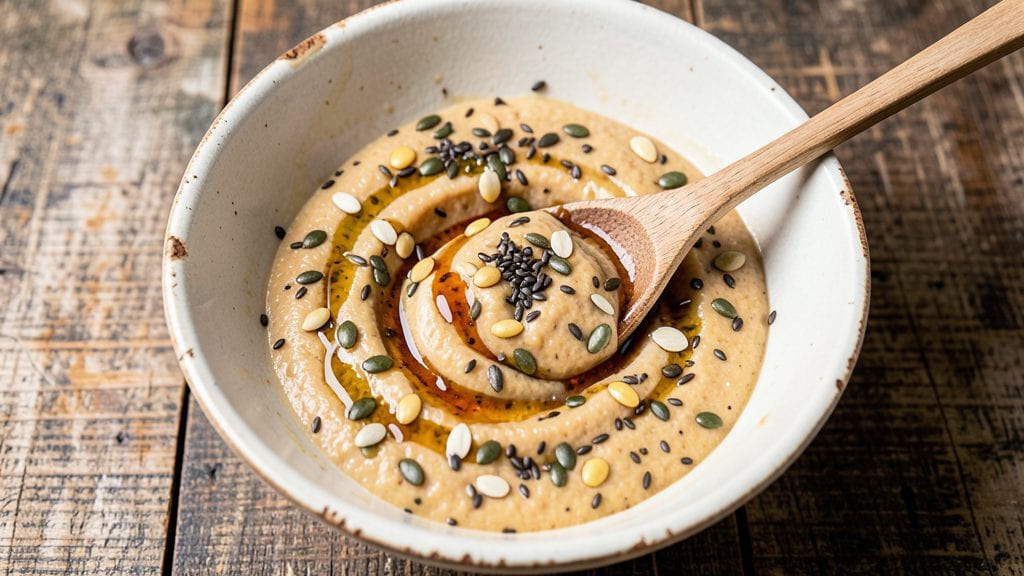
Mastering seed sourdough bread transforms your kitchen into a bakery, delivering nutty crunch and airy lightness in every slice. This recipe combines the tangy depth of sourdough with the textural contrast of seeds—sunflower, pumpkin, or flax—creating a loaf that’s both rustic and refined.
The key lies in precise hydration control and seed integration, ensuring they distribute evenly without sinking to the bottom.
Unlike commercial bread, this method develops flavor through slow fermentation, resulting in a crust that crackles with golden perfection and a crumb so tender it nearly dissolves. Vegan adjustments replace butter and honey with plant-based oils and maple syrup, proving this loaf works for every dietary preference.
The process may seem intricate, but breaking it into manageable stages—starter prep, dough mixing, proofing, and baking—makes it accessible even for beginners.
What awaits you is a loaf with a crisp exterior, an open crumb structure, and pockets of nutty seeds that add both visual appeal and satisfying texture. The aroma alone will draw everyone to the table, while the taste balances sour tang with sweet, toasty seed notes.
Whether you’re baking for a weekend brunch or meal prepping for the week, this recipe delivers professional-quality results at home.
Ready to elevate your bread game? This guide covers every step—from nurturing your starter to scoring the dough—with troubleshooting tips to ensure success. Let’s create a loaf that rivals artisanal bakeries, one seed at a time.
Ingredients for seed sourdough bread
Pantry staples meet artisanal technique—just 12 ingredients transform into a loaf with golden crust and nutty pockets.
| Ingredient | Amount | Notes |
|---|---|---|
| Active Sourdough Starter 🍞 | ½ cup | 100% hydration, bubbly and active |
| All-Purpose Flour 🌾 | 3 ½ cups | Unbleached, high protein preferred |
| Sunflower Seeds 🥜 | ½ cup | Raw, unsalted, toasted lightly |
| Pumpkin Seeds 🎃 | ½ cup | Raw, unsalted, toasted lightly |
| Flaxseeds 🌱 | ¼ cup | Ground for even distribution |
| Maple Syrup 🍁 | ¼ cup | Grade B for robust flavor |
| Extra-Virgin Olive Oil 🫒 | ¼ cup | Fruity, high-quality preferred |
| Diamond Crystal Kosher Salt 🧂 | 1 ½ tsp | Fine grain for even dissolving |
| Cold Water 💧 | 1 ½ cups | Chilled from refrigerator |
| Active Dry Yeast 🍄 | ¼ tsp | For backup fermentation |
| Sesame Seeds 🌻 | 2 tbsp | Optional for topping |
| Poppy Seeds 🌼 | 1 tbsp | Optional for topping |
The sourdough starter is your flavor foundation. Store-bought discs from King Arthur or Bob's Red Mill work in a pinch, but a well-fed, bubbly homemade starter delivers that signature tang. Look for 100% hydration—it’s more forgiving for beginners. If your starter’s sluggish, add a pinch of sugar or a splash of maple syrup to kickstart activity. The seeds? Trader Joe’s carries toasted varieties in bulk, but raw seeds toast beautifully in a dry pan for 3-4 minutes—just until fragrant. For flaxseeds, grind them fresh in a coffee grinder to avoid clumping. The maple syrup should be Grade B—it’s richer and less processed than Grade A.
No sunflower seeds? Pepitas or sesame seeds work equally well, though texture varies slightly. Swapping pumpkin seeds for walnuts? Toast them first—they’ll add a deeper nuttiness. Running low on maple syrup? Agave nectar or date syrup keeps it vegan, though flavor shifts subtly. The olive oil matters here—skip the cheap stuff. California Extra Virgin from Whole Foods or local markets shines in this recipe. For the yeast, if your starter’s sluggish, the 0.25 tsp active dry yeast acts as a backup, ensuring rise even if fermentation slows. Prefer a different seed blend? Stick to roughly 1.25 cups total—any more risks sinking the dough.
This dough keeps for 3 days in the fridge, wrapped tightly in plastic. For longer storage, freeze shaped loaves (unbaked) for up to 3 months)—thaw at room temp before baking. The seeds release oils over time, so store them in the freezer if you’re not using them within 2 weeks. Baked loaves? Cool completely, then slice and freeze individual portions for toast on the go. Pro tip: Spritz the crust with water before baking for that artisanal bakery shine—worth the extra 30 seconds.
Why You'll Love This Recipe
- No-Knead Magic: I swear by this—just toss in your starter, fold in those seeds, and let the dough do the work. No standing at the counter, no arm workout, just a bowl and a little patience. (Yes, even on a Tuesday night.)
- Crunchy Nutty Crunch: That first bite? Sunflower and pumpkin seeds add a satisfying crunch, while flaxseeds sneak in earthy depth. It’s like a toasted seed salad in every slice—no extra work, just flavor.
- Meal Prep MVP: This bread freezes like a dream, so I bake a loaf on Sunday and pull out what I need for toast, sandwiches, or charcuterie boards all week. Less planning, more delicious.
- Budget Boost: Seeds are cheap, and a sourdough starter lasts forever. You’re basically making gourmet bread on a grocery-store budget—crusty, nutty, and way better than store-bought. (My wallet thanks me.)
Step-by-step instructions for seed sourdough bread recipe
This method delivers a loaf with perfect crumb structure and nutty crunch every time.
Mix the Wet Ingredients and Hydrate the Dough
In a large mixing bowl, combine the 0.5 cup active sourdough starter, 0.25 cup maple syrup, 0.25 cup extra-virgin olive oil, and 1.5 cups cold water. Stir vigorously with a wooden spoon until fully incorporated—this creates a smooth, slightly sticky batter. The syrup and oil will emulsify with the water, forming a cohesive base for the dough.
Next, add the 3.5 cups all-purpose flour and 1.5 tsp diamond crystal kosher salt all at once. Mix with a dough whisk or your hands until a shaggy dough forms. Here's the thing—don't overmix yet. You want to preserve the gluten development for later when we'll add the seeds. The dough should look rough and slightly tacky, with some dry flour still visible.
Cover the bowl with a damp towel and let it rest at room temperature for 30 minutes. This initial hydration allows the flour to fully absorb the liquid, making the final kneading easier. You'll notice the dough begin to relax and develop a smoother texture during this time.
Incorporate Seeds and Develop the Dough
After the rest period, add the 0.5 cup sunflower seeds, 0.5 cup pumpkin seeds, and 0.25 cup ground flaxseeds to the bowl. Using your hands, gently fold these seeds into the dough until evenly distributed. The seeds should be fully incorporated but not ground into the dough—you want visible pockets of nutty texture throughout the final loaf.
Now we'll develop the gluten. Turn the dough onto a lightly floured surface and knead for 8-10 minutes by hand, or use a stand mixer with a dough hook attachment on medium speed for 5-6 minutes. You're looking for a smooth, elastic dough that springs back slowly when poked. The seeds will make the dough denser than traditional bread dough, so don't be surprised if it feels heavier. If it's too sticky, add 1 tablespoon flour at a time until it comes together cleanly.
Once properly kneaded, the dough should be just slightly tacky to the touch but not sticky. Form it into a loose ball, place it back in the bowl, and cover again. Let it rise at room temperature for 1-2 hours, or until it has nearly doubled in size. You'll know it's ready when the dough feels light and springs back when gently pressed.
Shape and Proof the Loaf
Punch down the risen dough to release any large air bubbles, then turn it onto a lightly floured surface. Shape it into a round boule by pulling the edges toward the center and tucking them underneath. This creates surface tension that helps the bread expand evenly during baking. For extra crunch, press the 2 tbsp sesame seeds and 1 tbsp poppy seeds lightly onto the top surface.
Place the shaped boule seam-side up in a well-floured banneton or bowl. Cover with a damp towel and let it proof in the refrigerator overnight (12-16 hours). Cold fermentation enhances the flavor development and gives you that perfect open crumb structure. The dough should rise significantly but not double—it's the slow cold rise that creates the signature texture.
Bake for Maximum Crisp and Crunch
Preheat your oven to 450°F with a Dutch oven inside for at least 30 minutes. This step is crucial—you want the Dutch oven to be scorching hot when you add the dough. Remove the Dutch oven from the oven and carefully invert the dough (use a well-floured towel if needed) into it. It should make a satisfying thud as it lands.
Bake covered for 30 minutes, then remove the lid and bake uncovered for an additional 15-20 minutes until the bread reaches an internal temperature of 205-210°F. The crust should be deep golden brown with dark spots, and you should hear a hollow sound when you tap the bottom. If the crust isn't dark enough after 20 minutes, return it to the oven for 5 more minutes—this is where the beautiful caramelization happens.
Remove the bread from the Dutch oven and let it cool on a wire rack for at least 1 hour before slicing. This resting period allows the steam inside to redistribute, preventing a gummy crumb. The seeds will be perfectly toasted and crunchy, while the interior remains tender and airy. Slice with a serrated knife for clean cuts that showcase the beautiful open crumb structure.
Pro Tips For Making Seed Sourdough Bread
- Toast Your Seeds First: Pop sunflower and pumpkin seeds in a dry pan for 3-4 minutes until fragrant—this deepens their nutty flavor and prevents them from turning bitter in the dough. I learned this the hard way after a batch tasted bland; now I never skip it.
- Hydrate Flaxseeds Properly: Mix ground flaxseeds with 3x their weight in water (so 1 tbsp flax + 3 tbsp water) and let sit for 10 minutes before adding to the dough—this ensures they bind like egg wash without clumping. Skip this, and your loaf might feel dense.
- Autolyse Before Mixing: Combine flour and water first (let it rest 30-60 minutes) before adding starter and seeds—this relaxes the gluten and makes the dough easier to handle later. I used to mix everything at once, and the dough always fought me.
- Score Deeply, Steam Early: Use a sharp razor to slash the dough before baking, then spray the oven walls with water for 2-3 minutes—this guarantees a crisp crust and prevents a sunken center. My first attempts without scoring ended up looking like sad pancakes.
Creative variations of this seed sourdough bread
Nutty Seed Blends
Experiment with seed combinations to tailor flavor and texture. My go-to mix uses ½ cup sunflower seeds and ½ cup pumpkin seeds for a balanced crunch, but swap in walnuts or pecans for richer depth.
For a lighter touch, try chia seeds or sesame seeds—they add subtle nuttiness without overpowering. Toast seeds in a dry skillet for 3-4 minutes before adding to enhance their aroma and prevent sinking during baking. 🌰
Herb-Infused Variations
Elevate your loaf by incorporating fresh herbs into the dough. Fold in 1 tbsp finely chopped rosemary or thyme during the kneading stage for an earthy aroma that pairs beautifully with seeds.
For a Mediterranean twist, add 1 tsp dried oregano and ½ tsp red pepper flakes—the heat cuts through the richness of the seeds. Herbs distribute evenly when mixed into the dough, so avoid adding them as a topping. 🌿
Sweet Seed Loaf
Transform your sourdough into a breakfast staple by sweetening the dough. Replace ½ cup cold water with ½ cup warm coffee or chai tea, then add ¼ cup raisins or dried cranberries along with the seeds.
For extra sweetness, increase the maple syrup to ⅓ cup. This version tastes amazing toasted with almond butter or as a base for French toast. The seeds add crunch that balances the soft, sweet crumb. 🍯
Whole Grain Boost
Swap 1 cup all-purpose flour for whole wheat or rye flour to add fiber and heartiness. The seeds will complement the nuttier, denser texture of whole grains beautifully. For best results, use a 50/50 blend—too much whole grain can make the dough heavy.
Add an extra 1 tbsp olive oil to compensate for the absorption differences in whole grains. This variation adds a satisfying chewiness that pairs perfectly with the seeds. 🌾
Spiced Seed Bread
Infuse warmth into your loaf with spices. Add 1 tsp cinnamon and ½ tsp cardamom to the dough for a subtly sweet, aromatic twist. For a savory option, mix in ½ tsp smoked paprika and ¼ tsp coriander—these spices enhance the nutty flavors of the seeds.
Sprinkle the top with everything bagel seasoning before baking for a gourmet finish. The spices meld beautifully during the long fermentation, creating layers of flavor. 🌶️
Seed Topping Techniques
For a decorative finish, press seeds into the dough before baking. Mix 2 tbsp sesame seeds, 1 tbsp poppy seeds, and 1 tsp flaxseeds with 1 tbsp water to create a seed paste.
Spread this over the shaped boule before proofing—it adheres beautifully and adds a stunning visual contrast. Alternatively, sprinkle seeds directly on top after shaping for a rustic look. The paste method ensures seeds stay put during baking. ✨
Nutrition facts
Frequently asked questions
Why do my seeds sink to the bottom of the bread?
Seeds are heavier than dough, so they sink if not properly incorporated. Gently fold them into the dough after the initial rest period, then knead thoroughly for 8-10 minutes by hand. For even distribution, lightly toast seeds first—they'll float better and add extra flavor. If they still sink, reduce the quantity by ¼ cup or use lighter seeds like chia.
Can I make this bread without a Dutch oven?
Yes, but expect a less crispy crust. Preheat a baking sheet in the oven for 30 minutes at 450°F, then bake covered with foil for 30 minutes before uncovering. For extra shine, brush the loaf with water before baking. A baking stone also works—place it on the lower rack and bake uncovered for 20-25 minutes after the initial covered phase.
How do I know when my sourdough starter is ready?
Your starter should be bubbly, have doubled in size within 4-6 hours after feeding, and pass the float test. Drop a small spoonful in water—if it floats, it's active. For seed bread, use a starter that's 100% hydration (equal parts flour and water) for better texture. If sluggish, feed it 1:1:1 (flour:water:starter) with a pinch of salt and wait 8 hours before using.
What if my dough doesn't rise enough during cold proofing?
Cold proofing slows fermentation, but if the dough rises minimally, try these fixes: Increase proofing time by 4-6 hours or move it to a warmer spot (like near the oven). For extra lift, add ¼ tsp active dry yeast during mixing. If it still fails, your starter may be weak—feed it 24 hours before baking to revive it.
Can I replace seeds with nuts for a richer flavor?
Swap seeds for ½ cup chopped walnuts or pecans, but chop them finely to avoid texture issues. Toast nuts first for 3-4 minutes to enhance flavor. For even distribution, pulse nuts in a food processor until coarse. Walnuts add earthiness, while pecans bring buttery sweetness—both pair beautifully with the sourdough tang.