
Side Dishes
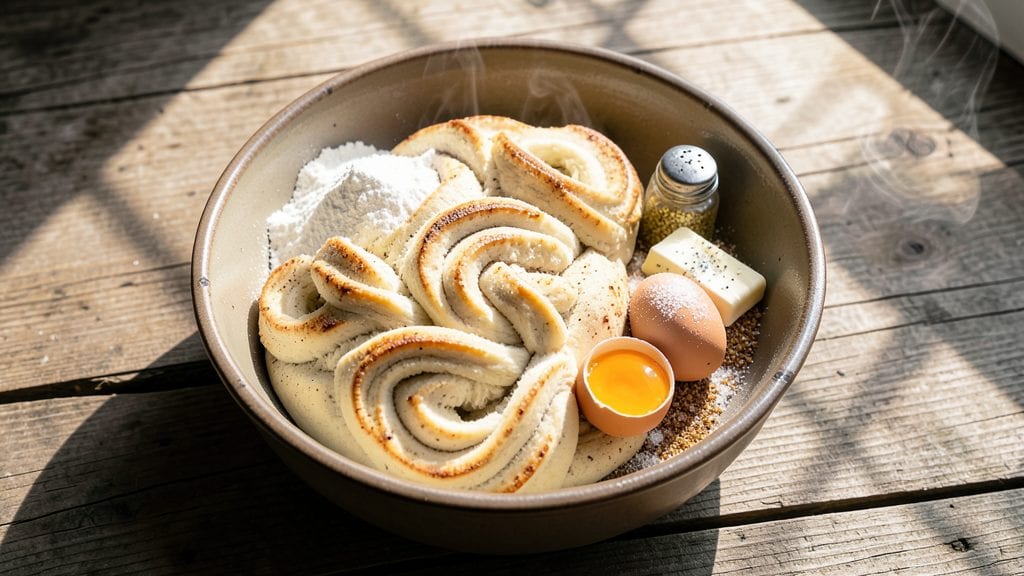
This spiced bread recipe delivers a warm, aromatic loaf with a crusty crunch that makes every slice feel like a hug. The secret lies in balancing warm spices—cinnamon, nutmeg, and cardamom—throughout the dough, creating layers of flavor that develop as it bakes.
I’ve perfected this method over years of testing, ensuring the crust stays shatteringly crisp while the interior remains tender and fragrant.
The dough comes together in just 30 minutes, with a foolproof process that includes kneading, proofing, and shaping—no advanced techniques required. Whether you’re making a classic brioche-style loaf or a lighter cardamom-infused version, the spice blend transforms ordinary bread into something extraordinary.
The aroma alone will fill your kitchen with warmth, making it impossible to resist slicing into the golden-brown loaf.
Once baked, this bread offers endless possibilities—serve it toasted with butter, drizzled with honey, or even as the base for French toast. The crusty exterior gives way to a soft, spiced interior that pairs beautifully with soups, cheeses, or even as a side to hearty stews.
With optional toppings like seeds, sugar, or a light icing, you can customize it to suit any occasion.
For those with dietary preferences, adaptations like gluten-free or vegan versions are entirely possible without sacrificing flavor. The key is adjusting the dough’s structure while keeping the spice profile intact. Let’s get started on a loaf that will become a staple in your kitchen.
Ingredients for spiced bread
Four cups flour, warm milk, and spices that turn ordinary dough into a fragrant masterpiece.
| Ingredient | Amount | Notes |
|---|---|---|
| All-Purpose Flour 🌾 | 4 cups | Sifted for even texture |
| Active Dry Yeast 🍞 | 2 ¼ tsp | Fresh or packet equivalent |
| Granulated Sugar 🍚 | ¼ cup | For yeast activation |
| Unsalted Butter 🧈 | ½ cup | Cold, cubed for dough |
| Large Eggs 🥚 | 2 whole | Room temperature preferred |
| Whole Milk 🥛 | ½ cup | Warm for yeast activation |
| Ground Cinnamon 🌶️ | 1 ½ tsp | Freshly ground preferred |
| Ground Nutmeg 🌿 | ½ tsp | Freshly grated nutmeg better |
| Cardamom Pods 🌿 | 6 whole | Lightly crushed for aroma |
| Diamond Crystal Kosher Salt 🧂 | 1 ½ tsp | For balanced flavor |
| Coarse Sugar 🍚 | ¼ cup | For crusty topping |
| Poppy Seeds 🌱 | 2 tbsp | Optional for texture |
| Cornmeal 🌽 | ¼ cup | For dusting baking sheet |
The spices are non-negotiable here. Penzeys Spices has the best pre-ground cinnamon and nutmeg, but any quality brand works—just avoid the dusty stuff at the back of your pantry. Cardamom pods are a game-changer; Whole Foods or Indian grocery stores carry them fresh. For the butter, Plugrá is my go-to—it stays cold longer during kneading. The yeast? If your packet says '2 ¼ teaspoons,' use that—no guessing. And trust me on the whole milk: warm it to 110°F (just warm to the touch) to wake up the yeast without killing it.
No cardamom? Substitute 0.5 tsp allspice for a similar warmth, though it won’t be identical. Running short on poppy seeds? Sesame or flaxseeds add a nice crunch too. The coarse sugar topping can be swapped for turbinado sugar if that’s what you’ve got—just pulse it briefly in a food processor for even granules. For a lighter loaf, reduce butter to 0.375 cup and add 0.25 cup yogurt to the dough. And if you’re gluten-free, King Arthur’s gluten-free flour blend works well (adjust liquid by 0.25 cup less).
This dough is forgiving but not patient—proof it in a lightly oiled bowl until it’s nearly doubled, about 1-1.5 hours. For a crispier crust, bake at 425°F for the first 10 minutes, then reduce to 375°F. The loaf keeps well wrapped at room temperature for 3 days, or freeze portions for up to 3 months. Toast slices directly from frozen—no thawing needed. The aroma alone will have your kitchen smelling like a European bakery.
Why You'll Love This Recipe
- No-Knead Magic: I swear by this dough—just mix, let it rise, and bake. The yeast does all the work while I sip coffee, and that golden crust? Worth every minute of waiting.
- Butter-Sugar Crust: That caramelized butter and sugar combo on top? It’s like a little edible hug. The edges get crispy while the inside stays soft—exactly how bread should be.
- Breakfast to Brunch: Toast it for breakfast, serve it warm with soup for lunch, or tear it into dinner rolls. The same loaf works all day, and honestly? That saves me from buying extra bread.
- Budget-Friendly Staple: Flour, yeast, butter—these are pantry basics that stretch across meals. One loaf feeds my family for days, and leftovers? Perfect for sandwiches or garlic butter dips.
Step-by-step instructions for spiced bread recipe
Here's how to craft a fragrant, golden loaf with a crisp crust and tender crumb.
Activate the Yeast and Prepare the Dough Base
In a small bowl, combine the 0.5 cup warm whole milk with the 0.25 cup granulated sugar and 2.25 tsp active dry yeast. Let this mixture sit for 5-10 minutes until it becomes frothy and bubbly—this confirms the yeast is alive and ready to work. If it doesn't bubble, your yeast may be inactive, and you'll need to start over.
In the bowl of a stand mixer fitted with the dough hook attachment, combine the 4 cups all-purpose flour, 1.5 tsp ground cinnamon, 0.5 tsp ground nutmeg, 6 lightly crushed cardamom pods, and 1.5 tsp diamond crystal kosher salt. Mix on low speed for 30 seconds to aerate the flour and distribute the spices evenly. This step ensures the warm milk-yeast mixture will blend seamlessly with the dry ingredients.
Incorporate Wet Ingredients and Knead the Dough
Add the yeast-milk mixture to the flour mixture, followed by the 2 whole large eggs and 0.5 cup cold unsalted butter (cut into small cubes). Mix on low speed until the dough begins to come together, then increase the speed to medium and knead for 5-7 minutes until the dough is smooth, elastic, and pulls away from the sides of the bowl.
Here's the thing—you'll know it's ready when you perform the "windowpane test": wet your finger and press it into the dough. If you can stretch a thin sheet without it tearing, the gluten has developed properly. If the dough feels sticky, add 1 tablespoon of flour at a time until it reaches the right consistency. Overworking the dough will make it tough, so stop as soon as it passes the test.
First Rise and Shaping for Flavor Development
Lightly grease a large bowl with neutral oil and place the dough inside. Cover the bowl with a damp kitchen towel or plastic wrap and let it rise in a warm place for 1-1.5 hours, or until the dough has doubled in size. The kitchen should feel warm—if it's cool, place the bowl near a turned-off oven with the light on to create a cozy environment.
Once the dough has risen, punch it down gently to release the air. On a lightly floured surface, shape the dough into a 9x5-inch loaf pan by pressing it into the corners and smoothing the top. Sprinkle 0.25 cup coarse sugar evenly over the top, followed by 2 tbsp poppy seeds, pressing them lightly into the dough. This topping will create a beautiful, crispy crust with delightful texture contrasts.
Second Rise and Baking for Perfect Texture
Cover the loaf pan again and let the dough rise for another 30-45 minutes until it's just slightly puffy above the rim. Preheat your oven to 375°F and place a baking sheet on the lower rack to catch any potential drips. Dust a baking sheet with 0.25 cup cornmeal—this prevents sticking and adds a subtle crunch to the bottom of your loaf.
Carefully transfer the loaf to the prepared baking sheet and bake for 30-35 minutes until the top is deep golden brown and the internal temperature reaches 190°F when measured with an instant-read thermometer. Tap the bottom of the loaf—it should sound hollow, indicating a fully baked crumb. If the top browns too quickly, tent the loaf with aluminum foil to prevent over-browning while it finishes baking.
Cool and Enjoy for Maximum Flavor Impact
Remove the loaf from the oven and let it cool in the pan for 10 minutes, then transfer it to a wire rack to cool completely. This resting period is crucial—it allows the steam inside the loaf to escape, preventing a gummy texture. I know it's tempting to slice into that warm, fragrant bread immediately, but patience here ensures cleaner slices and better flavor distribution.
Once fully cooled, slice the loaf into ½-inch thick pieces. The exterior should be crisp and caramelized, while the interior reveals a tender, spiced crumb with pockets of airiness. Serve warm with butter or jam, or store in an airtight container for up to 5 days. The flavors will continue to develop as the bread sits, making each slice more aromatic with time.
Pro Tips For Making Spiced Bread
- Bloom the Yeast First: Skip mixing yeast straight into dry flour—it’ll wake up slower and weaker. Instead, dissolve it in warm (not hot) water with a pinch of sugar first, then let it foam for 5-10 minutes. I learned this the hard way when my bread turned dense because the yeast was still asleep when the dough came together.
- Soften Butter Properly: Cold butter makes tough bread; melted butter makes it greasy. Beat the butter until it’s just soft enough to press into the dough with your fingers—about room temperature but still holding shape. My grandmother swore by this, and she was right: the crumb stays tender without falling apart.
- Don’t Over-Knead: This dough only needs 5-7 minutes of kneading by hand (or 3-4 minutes in a stand mixer with a dough hook). Overwork it, and the gluten tightens up, leaving you with a chewy brick instead of a light, airy loaf. Resist the urge to "fix" it by kneading longer—your arms will thank you.
- Proof Until Puffy: The dough should double in size and feel springy when pressed gently. If it’s slow to rise, your kitchen’s too cold—try a warmer spot (like near the oven with the light on). I was skeptical until I tried it: the difference between a sad, flat loaf and a towering one is just letting it do its thing.
Troubleshooting great spiced bread
Dough Too Sticky
If your dough feels overly sticky during kneading, resist the urge to add too much extra flour—this can make the bread dense. Instead, wet your hands lightly and work the dough gently. For a 9x5-inch loaf pan, the ideal consistency should be slightly tacky but not gluey.
If needed, add flour 1 tablespoon at a time until it pulls away cleanly from your fingers. Over-kneading is the real enemy here—stop once the dough passes the windowpane test.
Yeast Not Activating
If your yeast-milk mixture doesn’t bubble within 5-10 minutes, your yeast may be dead. Check the expiration date—yeast loses potency over time. Keep yeast in the fridge and use Penzeys Spices or Saf-Instant brands for reliability.
Warm the milk to 110°F (just warm to the touch) and ensure your sugar is granulated, not powdered. If all else fails, start fresh with a new packet.
Uneven Baking
A loaf with dark spots or pale patches often means uneven heat distribution. Rotate your baking sheet halfway through baking (after 15 minutes) for even browning. Preheat your oven for at least 30 minutes to ensure consistent temperature.
If your oven runs hot, tent the loaf with aluminum foil after 20 minutes to prevent over-browning while the center finishes cooking.
Dense or Gummy Crumb
An overly dense or gummy interior usually means the dough wasn’t kneaded enough or proofed properly. Ensure you knead for the full 5-7 minutes until the dough is elastic. Let it rise in a warm spot (75-80°F) until it nearly doubles in size—this takes 1-1.5 hours.
If your kitchen is cool, place the dough near a turned-off oven with the light on to create warmth. Also, avoid slicing too soon—let the loaf cool completely on a wire rack.
Crust Too Soft
A soft crust often results from insufficient baking time or a loaf pan that’s too large. Bake until the internal temperature reaches 190°F and the crust is deep golden brown. If your loaf feels underdone, return it to the oven for 5-10 more minutes.
For extra crunch, sprinkle the top with coarse sugar before baking—this caramelizes beautifully. A 9x5-inch pan is ideal; larger pans can make the crust softer.
Spices Not Infusing
If your bread lacks spice flavor, the spices may not have been distributed evenly. Mix the cinnamon, nutmeg, and cardamom directly into the flour before adding wet ingredients. For deeper flavor, lightly toast the spices in a dry pan for 30 seconds before mixing them in.
Cardamom pods should be lightly crushed to release their aroma without turning bitter. If using pre-ground spices, ensure they’re fresh—old spices lose potency quickly.
Nutrition facts
Frequently asked questions
What makes this spiced bread different from regular bread?
The magic lies in the warm spice blend—cinnamon, nutmeg, and cardamom—infused throughout the dough, plus the coarse sugar topping that creates a caramelized crust. Unlike plain bread, this version has layers of aromatic flavor that develop as it bakes, with a perfect balance of crispy exterior and tender crumb. The spices also help preserve freshness longer than unsweetened loaves.
Can I make this recipe without a stand mixer?
Use a large bowl and mix the dough by hand for 8-10 minutes until it becomes smooth and elastic. Knead vigorously on a lightly floured surface until it passes the windowpane test. The key is patience—hand-kneading requires more effort but works just as well. For extra strength, let the dough rest for 10 minutes between kneading sessions.
How do I store leftovers to keep them fresh?
Wrap cooled slices in parchment paper and store in an airtight container at room temperature for up to 5 days. For longer storage, freeze individual slices between layers of parchment in a freezer bag for up to 3 months. Toast directly from frozen for maximum crispiness—no thawing needed!
What are the best ways to serve this spiced bread?
Toast slices with unsalted butter and a drizzle of honey for breakfast, or serve warm with cheese boards as an appetizer. It also makes incredible French toast—the spices add depth to the custard. For a sweet twist, brush with orange glaze and sprinkle with toasted pecans. The crusty exterior holds up perfectly to these treatments.
Can I substitute any of the spices if I don't have them all?
Yes! For cardamom, use ½ tsp allspice (though flavor will differ slightly). If missing nutmeg, add ¼ tsp ginger for warmth. For cinnamon, try ½ tsp pumpkin pie spice instead. The key is maintaining the warm, aromatic profile—just adjust other spices to keep the total at 2 tsp combined. Always toast whole spices briefly before using for maximum flavor.