
Breakfast & Brunch
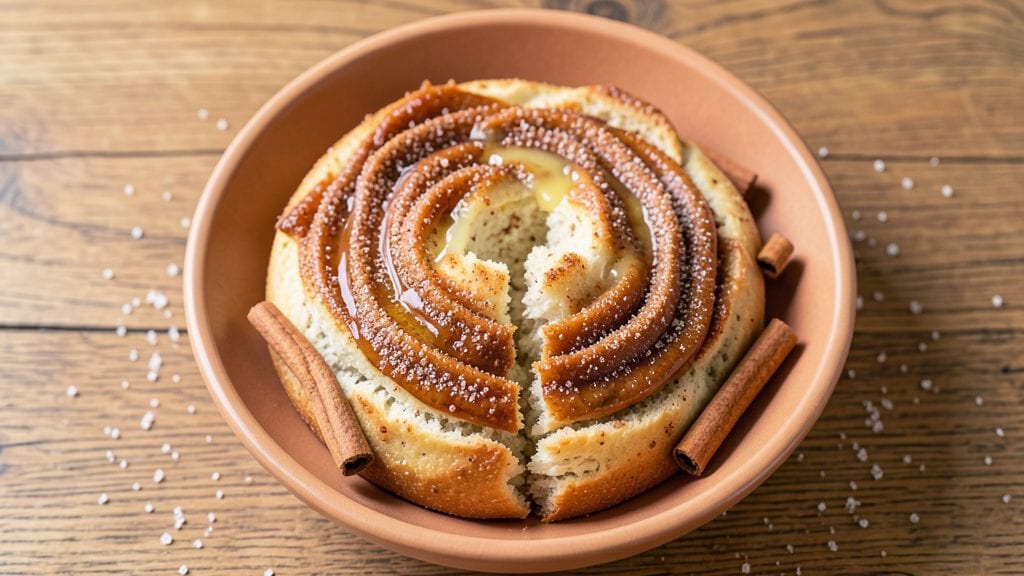
This sweet cinnamon bread recipe delivers the perfect balance of buttery richness and warm spice that makes every morning feel like a celebration.
I remember standing on a stool in my Nonna's kitchen, watching her shape dough with practiced ease while the scent of cinnamon filled the air—it's that same comforting aroma I recreate here.
The secret lies in properly activating the yeast and letting the dough rise twice, which develops that signature tender crumb and golden crust.
The process is straightforward but requires patience: mix the dough, knead until smooth, let it rise, then shape it into a classic loaf with a cinnamon-sugar swirl before baking. A simple glaze of powdered sugar and milk adds that final touch of sweetness.
What you'll end up with is a loaf that's soft yet slightly crisp, with pockets of cinnamon-sugar that melt into every bite—exactly what you need for breakfast or a cozy afternoon treat.
This recipe works beautifully as a standalone loaf or as part of a brunch spread, and it freezes well for those busy mornings. The dough's forgiving nature makes it perfect for beginners, while the cinnamon swirl adds a professional touch.
Whether you're baking for family or treating yourself, this bread delivers on its promise of warmth and comfort in every slice.
For extra indulgence, try adding a cream cheese filling or swirling in chopped nuts—these variations elevate the classic recipe without complicating the process. Let's get started on creating your perfect loaf.
Ingredients for sweet cinnamon bread
Buttery dough, warm cinnamon swirls, and a tender crumb—this is your go-to for cozy mornings.
| Ingredient | Amount | Notes |
|---|---|---|
| All-Purpose Flour 🌾 | 4 ½ cups | Spooned and leveled measurement |
| Granulated Sugar 🍚 | ½ cup | White or light brown |
| Instant Yeast 🍞 | 2 ¼ tsp | Ensures proper activation |
| Salt 🧂 | 1 tsp | Fine sea salt preferred |
| Unsalted Butter 🧈 | ½ cup | Cold, cubed for dough |
| Milk 🥛 | ¾ cup | Warm (110°F) for yeast |
| Large Eggs 🥚 | 1 whole | Room temperature |
| Ground Cinnamon 🌶️ | ½ cup | Freshly ground for warmth |
| Light Brown Sugar 🍚 | ¼ cup | Packed measurement |
| Powdered Sugar 🍚 | ¼ cup | For glaze |
| Heavy Cream 🥛 | 2 tbsp | For glaze |
| Vanilla Extract 🌿 | 1 tsp | Pure vanilla preferred |
The flour is your foundation—King Arthur or Gold Medal brands are my go-tos for that perfect rise. Instant yeast is a game-changer here, activating faster than active dry, so no waiting around. For the cinnamon, Penzeys or McCormick offer the freshest grind—trust me, it makes a difference. The butter? Use unsalted (like Land O'Lakes or Plugrah) and keep it cold until mixing. Warm milk is key—110°F is ideal for activating the yeast without killing it. I always grab large eggs from the store—they're consistent and make the dough extra tender.
No instant yeast? Active dry works too—just dissolve it in warm milk first. Swap brown sugar for white if needed, but the molasses in brown sugar adds depth to the flavor. No vanilla extract? A splash of vanilla syrup or even a pinch of vanilla bean paste works. For the glaze, powdered sugar is non-negotiable—it dissolves smoothly. No heavy cream? Milk or half-and-half in a pinch, though the glaze will be thinner. The cinnamon-sugar mix can be prepped ahead—just store it in a jar until ready to use.
This dough is a keeper—let it rise overnight in the fridge for even more flavor. The baked loaf stays fresh for 2-3 days at room temperature, wrapped in a towel. For longer storage, freeze slices between parchment paper—perfect for quick toasts. The glaze sets fast, so assemble it just before serving. Pro tip: Brush extra glaze on the sides for that bakery-style shine.
Why You'll Love This Recipe
- No-Knead Magic: I swear by this dough—just mix, let it rise, and forget it. The butter and sugar do all the work while you sip coffee, no fussing required.
- Warm Spice Hug: That first pull-apart bite? Pure cinnamon-sugar bliss. The yeast gives it a soft, pillowy texture while the butter keeps it rich—like a hug from your grandma’s kitchen.
- Breakfast or Snack Star: Slice it thick for French toast, toast it thin for a quick snack, or pack it for lunches. It’s my go-to for lazy mornings or after-school treats—no guilt, just joy.
- Budget-Friendly Staple: Flour, sugar, butter—these are pantry basics that stretch into something special. A single batch feeds the whole family, and leftovers? They vanish faster than you can say "second helping."
Step-by-step instructions for sweet cinnamon bread
Here's how to create a golden, fragrant loaf with a buttery rise and perfect cinnamon swirl.
Mix the Dough for a Light, Airy Texture
In a large mixing bowl, combine the 4.5 cups all-purpose flour, 2.25 teaspoons instant yeast, 1 teaspoon salt, and 0.5 cup granulated sugar. Whisk gently to distribute the dry ingredients evenly—this prevents lumps that could affect yeast activation.
Next, add the 0.5 cup cold unsalted butter (cut into small cubes) to the dry mixture. Use a pastry cutter or your fingers to work the butter into the flour until the mixture resembles coarse crumbs with pea-sized butter pieces. This creates pockets that will make your bread incredibly tender.
Make a well in the center and pour in the 0.75 cup warm milk (about 110°F) and 1 whole large egg. Stir with a wooden spoon until a shaggy dough forms. Here's the thing—don't overmix. You want to preserve the gluten development just enough to create structure, but not so much that the bread becomes tough.
Knead Until Smooth and Elastic
Turn the dough onto a lightly floured surface and knead for about 8-10 minutes by hand. You're looking for a dough that's smooth, elastic, and springs back slowly when poked. If it feels too sticky, add 1 tablespoon of flour at a time until it comes together nicely.
This kneading step is where the magic happens. It develops the gluten network that gives your bread its structure, while the butter creates those irresistible flaky layers. For best results, use the "windowpane test"—stretch a small piece of dough thin enough to see light through it without tearing.
Once the dough is properly kneaded, place it back in the mixing bowl, cover with a clean kitchen towel, and let it rise in a warm place for 1 hour or until it has doubled in size. You'll know it's ready when you poke it gently and the indentation stays put—this means the yeast has done its job activating the dough.
Prepare the Cinnamon Filling and Shape the Loaf
While the dough rises, mix together 0.5 cup ground cinnamon, 0.25 cup light brown sugar, and 2 tablespoons heavy cream in a small bowl. This fragrant filling is what makes this bread so irresistible. The cinnamon should be freshly ground for maximum warmth and aroma—pre-ground cinnamon loses its potency quickly.
Once the dough has risen, punch it down to release the air and turn it onto a lightly floured surface. Roll it out into a 12x15-inch rectangle about ¼-inch thick. Spread the cinnamon mixture evenly over the surface, leaving a ½-inch border around the edges. This prevents the filling from leaking out during baking.
Starting from the long side, tightly roll the dough into a log, sealing the seam as you go. Place the sealed side down in a 9x5-inch loaf pan that's been lightly greased with butter. The dough should fit snugly in the pan—if it doesn't, let it rest for 10 minutes before trying again. Cover with a towel and let it rise for another 30-45 minutes until it's just above the pan's rim.
Bake to Golden Perfection
Preheat your oven to 350°F. Before baking, brush the top of the dough with a mixture of 0.25 cup powdered sugar and 1 teaspoon vanilla extract diluted with 1 tablespoon warm water. This creates that beautiful caramelized crust while adding extra sweetness.
Bake for 45-50 minutes until the bread is deep golden brown and sounds hollow when tapped on the bottom. The internal temperature should reach 190-200°F when measured with an instant-read thermometer. If the top browns too quickly, tent the pan with aluminum foil to prevent over-browning while it finishes cooking.
Remove from the oven and let the bread cool in the pan for 10 minutes before transferring to a wire rack. This resting period allows the filling to set slightly and prevents the bread from falling apart when you slice it. For best flavor, serve warm with a pat of butter or a dusting of powdered sugar.
Pro Tips For Making Sweet Cinnamon Bread
- Measure Butter Cold: Pull that butter straight from the fridge—no softening needed. I used to melt it in my haste, and the bread turned out dense and greasy. Cold butter creates flaky layers that make every bite worth the wait.
- Use Warm Milk: Skip the cold milk—yeast loves warmth. Mix your liquid ingredients with milk heated to about 110°F (just warm to the touch), then let it cool slightly before adding yeast. This jumpstarts fermentation and saves you from waiting for a sluggish rise.
- Don’t Overmix the Dough: Once you’ve combined the wet and dry ingredients, stop after 2 minutes—just until everything is barely incorporated. Overworking the dough develops gluten, which turns your soft, pillowy cinnamon bread into a chewy loaf. Resist the urge to "fix" it.
- Brush with Simple Syrup: After baking, brush the warm loaf with 1 tablespoon of simple syrup (equal parts sugar and water, heated until dissolved). This isn’t just for looks—it keeps the bread moist for days and enhances that caramelized cinnamon flavor. (Yes, even if you’re impatient like me.)
Best sauces and condiments for these flavors
Cream Cheese Swirl
For a rich twist, spread 4 oz softened cream cheese mixed with 1 tbsp vanilla extract over the rolled dough before adding the cinnamon-sugar layer. The cream cheese melts into the bread, creating pockets of tangy sweetness that balance the cinnamon perfectly.
I first tried this variation after seeing my Nonna make it for Easter—it became an instant family favorite. 💛
Maple-Glazed Finish
Replace the powdered sugar glaze with a maple syrup glaze—mix ¼ cup pure maple syrup with 1 tbsp heavy cream and brush it on after baking.
The syrup caramelizes beautifully, adding a deep, earthy sweetness that complements the cinnamon. For extra flair, sprinkle with toasted pecans—they add crunch and a buttery contrast.
Spiced Rum Drizzle
Add 1 tbsp spiced rum (like Captain Morgan) to the cinnamon-sugar mixture before rolling it into the dough. The rum infuses the bread with warm, boozy notes that caramelize during baking.
For a grown-up touch, drizzle 2 tbsp warmed rum over the baked loaf and let it soak in for 5 minutes before serving. This works especially well with coffee or tea in the morning. ✨
Nutty Crunch Layer
Sprinkle ½ cup chopped walnuts or pecans over the cinnamon-sugar mixture before rolling the dough. The nuts toast during baking, adding a satisfying crunch that contrasts the soft bread.
I like to toast the nuts separately in a dry pan for 2-3 minutes until fragrant before mixing them in—this intensifies their flavor. Store-bought nut mixes work, but freshly toasted nuts always taste better.
Vanilla Bean Infusion
Boost the vanilla flavor by scraping 1 vanilla bean into the dough before kneading. The seeds add depth and a floral aroma that pairs beautifully with cinnamon. If you don’t have a vanilla bean, add 1 tsp vanilla bean paste to the glaze for a similar effect.
The paste also works well in the cinnamon-sugar mixture—just mix it in with the cream before spreading it on the dough.
Caramelized Onion Topping
For a savory-sweet contrast, top the baked loaf with ¼ cup caramelized onions. Cook 1 large onion, thinly sliced, in 1 tbsp butter over low heat for 25-30 minutes until golden and jammy.
Spread the onions over the bread just before serving—they add a deep, sweet complexity that elevates the cinnamon swirl. This variation is a showstopper for brunch gatherings. 🍚
Nutrition facts
Frequently asked questions
Why does my cinnamon bread dough need two rises?
The first rise develops the yeast and creates air pockets, while the second rise after shaping ensures the dough is light and fluffy. This double-rise technique gives your bread that perfect airy texture and helps the cinnamon filling distribute evenly. Skipping the second rise can make the bread dense, so don’t rush it—let it rise until it’s just above the pan’s rim for that tender crumb.
Can I use active dry yeast instead of instant yeast?
Yes! If you only have active dry yeast, dissolve it in the warm milk first before mixing it into the dry ingredients. Let it sit for 5-10 minutes until foamy, which confirms the yeast is activated. This mimics the instant yeast’s quick action, though the dough might need a slightly longer first rise.
How do I prevent the cinnamon filling from leaking out during baking?
Leave a ½-inch border of plain dough around the edges when spreading the cinnamon mixture, and roll the dough tightly to seal the seam. If the dough feels too loose, let it rest for 10 minutes before shaping again. A well-sealed log will keep the filling contained and create a clean swirl when sliced.
Is it okay to freeze cinnamon bread?
Slice the cooled loaf and wrap each piece tightly in plastic wrap, then place the slices between parchment paper in a freezer bag. Frozen slices stay fresh for up to 3 months. To reheat, toast or warm in the oven at 350°F for 5-7 minutes until warmed through. This is a lifesaver for busy mornings!
Why does my bread taste flat?
Flat-tasting bread often means the yeast wasn’t properly activated. Double-check that your warm milk was 110°F and the yeast was dissolved or mixed thoroughly. Also, ensure your dough doubled in size during the first rise—if it didn’t, the yeast may have died. For extra assurance, let the dough rise overnight in the fridge for deeper flavor and a lighter texture.