
Side Dishes
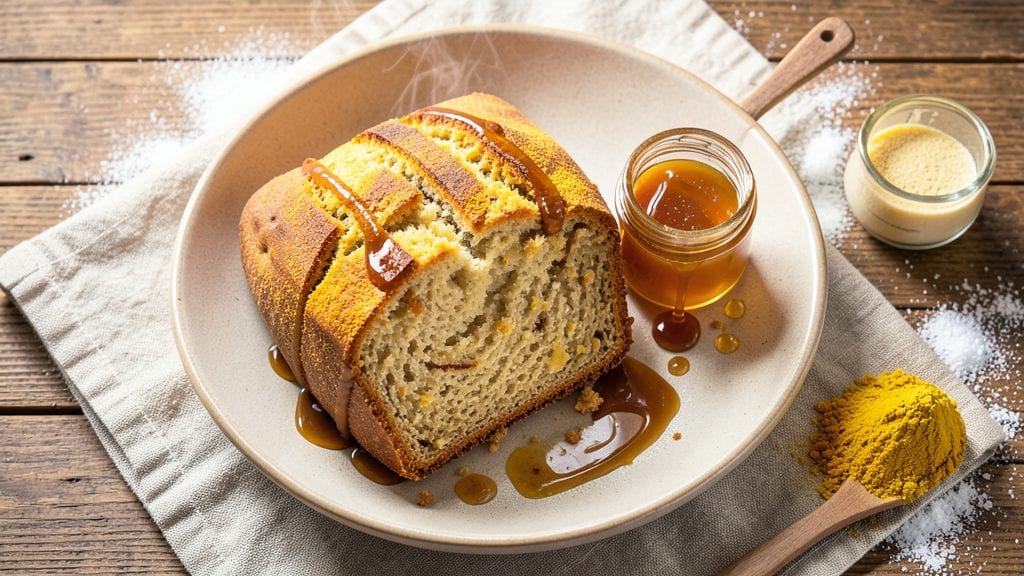
This turmeric bread recipe delivers a golden, spice-infused loaf that transforms ordinary dinner rolls into a showstopping side dish. The warm, earthy depth of turmeric—paired with subtle sweetness—creates a crust that’s perfectly crisp and a crumb so tender it nearly dissolves.
I developed this version after years of baking, refining the balance between yeast activation and spice intensity to ensure every slice carries that signature golden hue without overpowering the dough.
The secret lies in the dough’s development: a slow fermentation at room temperature allows the turmeric to infuse deeply, while a touch of honey enhances the crust’s caramelization. No special equipment is needed—just patience and a 350°F oven for 25-30 minutes of baking time.
The result? A loaf with a fragrant aroma that fills your kitchen and a texture that’s both sturdy enough for sandwiches and delicate enough to melt in your mouth.
This recipe builds on classic bread-making principles but elevates them with turmeric’s vibrant color and subtle warmth. The dough proofing takes about 2 hours, giving you time to prepare other dishes while the spice works its magic.
Whether served alongside soups, paired with butter, or transformed into garlic toast, this bread becomes the star of any meal.
For those who love experimentation, you can add a pinch of cinnamon or cardamom to deepen the flavor profile, or brush the baked loaf with melted butter for extra richness.
The recipe scales effortlessly, making it perfect for holiday gatherings or everyday comfort. Let’s get baking—your table deserves this golden centerpiece.
Ingredients for turmeric bread
Golden turmeric bread needs just 11 simple ingredients to create a fragrant, vibrant loaf that steals the show.
| Ingredient | Amount | Notes |
|---|---|---|
| Active Dry Yeast 🍞 | ¼ oz | One packet, fresh for best results |
| Warm Water 💧 | 1 ¼ cups | 110°F, not hot to touch |
| All-Purpose Flour 🌾 | 5 cups | Plus 1 tbsp for dusting |
| Granulated Sugar 🍚 | 1 tbsp | For yeast activation |
| Turmeric Powder 🌿 | 2 tbsp | High-quality, vibrant color |
| Honey 🍯 | 2 tbsp | Light variety for sweetness |
| Unsalted Butter 🧈 | ½ cup | Cold, cubed, full-fat preferred |
| Large Egg 🥚 | 1 whole | Room temperature |
| Salt 🧂 | 1 ½ tsp | Diamond Crystal preferred |
| Milk 🥛 | ¼ cup | Whole milk for richness |
| Cornmeal 🌽 | ½ cup | For dusting loaf pan |
The turmeric is non-negotiable here—look for vibrant yellow powder at specialty stores like Penzeys or bulk bins at Whole Foods. The quality makes all the difference in that signature golden hue. For the yeast, fresh packets ensure reliable activation, but if using granules, dissolve them in the warm water with sugar first. The honey? Light varieties like clover balance the earthiness without overpowering. I always use King Arthur flour for bread—it’s got the perfect protein structure for this recipe.
No turmeric? Saffron at 1/4 tsp gives a similar golden tint (and wow, your kitchen will smell amazing). Substituting honey? Maple syrup works 1:1, but it adds a deeper flavor. The butter can be swapped for vegetable shortening if you’re avoiding dairy, though the flavor won’t be quite as rich. For a gluten-free version, Bob’s Red Mill 1:1 baking flour works well—just expect a denser crumb. And if you’re short on time, instant yeast can go straight into the dry ingredients, but let it proof longer.
This dough is best made fresh, but you can prep it up to 24 hours ahead by shaping the loaf and refrigerating it overnight. The flavor actually improves after resting! For storage, wrap the cooled loaf in parchment paper and keep it in an airtight container at room temperature for 3 days. To reheat, wrap slices in foil and warm in a 350°F oven for 5 minutes. Freezing? Slice first, then freeze on a tray before bagging—prevents sogginess. Perfect for sandwiches or toast!
Why You'll Love This Recipe
- Golden Glow Start: I swear by this bread for lazy mornings—just mix the yeast in warm water with a pinch of sugar, let it foam, then fold in flour and turmeric. No kneading, no fuss, and the golden crust forms while you sip your coffee.
- Warm Spice Magic: That turmeric isn’t just for color—it adds a gentle, earthy warmth that pairs perfectly with the soft, pillowy crumb. Honestly, the first bite feels like a hug on a chilly day.
- Breakfast to Picnics: This bread is my secret weapon for meal prep: toast it for breakfast, pack slices for sandwiches, or even use it as a base for open-faced meals. Between us, it’s the only bread my kids won’t argue about.
- Budget-Friendly Staple: A single batch costs pennies and stretches for days—freeze half for when you’re too tired to bake. The turmeric might sound fancy, but it’s just a spoonful that makes everything feel special without breaking the bank.
Step-by-step instructions for golden turmeric bread
This method delivers a vibrant, aromatic loaf with perfect rise and golden crust every time.
Activate the Yeast and Prepare the Dough
In a large mixing bowl, combine the 1.25 cups warm water, 1 tablespoon granulated sugar, and 0.25 oz active dry yeast. Let it sit for 5-10 minutes until frothy—this confirms your yeast is alive and ready to work. The mixture should bubble gently and smell slightly sweet.
In a separate bowl, whisk together the 5 cups all-purpose flour, 2 tablespoons turmeric powder, 1.5 teaspoons salt, and 2 tablespoons honey. The turmeric will give your dough its signature golden hue, but be prepared for vibrant yellow stains on everything. This is normal, and the color will deepen as you work.
Once the yeast mixture is frothy, create a well in the center of your dry ingredients and pour in the yeast mixture. Using a wooden spoon or dough whisk, gradually incorporate the liquids until a shaggy dough forms. The dough will be sticky at this stage—this is expected given the milk and honey in the recipe.
Knead and Develop Gluten
Turn the dough onto a lightly floured surface and knead for 8-10 minutes by hand, or use a stand mixer with a dough hook attachment for 5-6 minutes on medium speed. You're looking for a smooth, elastic dough that springs back when poked—this indicates proper gluten development. If the dough feels too sticky, wet your hands slightly to prevent tearing.
Here's the thing—turmeric bread benefits from thorough kneading. The vibrant color and earthy flavor come from the turmeric, but we need that gluten structure to hold the loaf together during baking. The dough should feel slightly tacky but not wet, and it should clean the sides of your mixing bowl when pulled away.
Once properly kneaded, place the dough in a lightly oiled bowl, cover with a damp towel, and let it rise in a warm place for 1-1.5 hours or until doubled in size. You'll know it's ready when you poke the dough gently and it springs back slowly rather than immediately. The warm environment helps activate the yeast without overproofing.
Incorporate Butter and Final Rise
After the first rise, punch down the dough to release air bubbles. In the same bowl, cut the 0.5 cup cold unsalted butter into small cubes and distribute them evenly over the dough. Using your hands or a dough scraper, gently work the butter into the dough until fully incorporated—this adds richness and creates those beautiful flaky layers.
Next, add the 1 whole large egg and 0.25 cup milk to the bowl. Mix these in thoroughly until the dough becomes smooth and elastic again. The addition of egg and milk makes this dough particularly tender, which balances the earthy turmeric flavor beautifully. Cover the bowl once more and let the dough rise for another 45-60 minutes until it's puffy and nearly doubled in size.
Shape and Proof the Loaf
Turn the dough onto a lightly floured surface and shape it into a smooth, slightly tapered loaf. The tapered ends help create that classic bread shape and prevent the loaf from spreading too much during baking. Place the shaped loaf seam-side down in a greased 9x5-inch loaf pan that's been dusted with 0.5 cup cornmeal—this prevents sticking and adds a subtle crunch to the crust.
Cover the pan with a damp towel and let the dough proof for 30-45 minutes until it's risen about 1 inch above the pan. The dough should feel firm to the touch but still slightly springy. Here's where precision matters: an overproofed loaf will collapse in the oven, while an underproofed one won't rise enough. The golden color from the turmeric will deepen during this final proof.
Bake to Golden Perfection
Preheat your oven to 375°F with a baking stone or inverted baking sheet on the middle rack—this creates steam for a better rise. Brush the top of the loaf with a little milk or water to encourage browning, then bake for 30-35 minutes until the crust is deep golden brown and the internal temperature reaches 190-200°F when measured with an instant-read thermometer.
Here's the moment that matters: when you tap the bottom of the loaf, it should sound hollow. Remove the bread from the pan immediately and transfer it to a wire rack to cool completely. The turmeric bread will continue to develop its rich, earthy aroma as it cools—this is when all the flavors truly meld together.
Once cooled, slice the loaf to reveal its tender crumb and vibrant golden color. Each slice should have a perfect balance of sweetness from the honey, warmth from the turmeric, and richness from the butter. The crust should be crisp yet not hard, with a subtle crunch from the cornmeal dusting.
Pro Tips For Making Turmeric Bread
- Bloom the Yeast First: Skip mixing yeast directly with flour—dissolve it in the warm water first with a pinch of sugar. This guarantees it’s active before committing to the dough (yes, even if you’re impatient like me).
- Sift That Turmeric: Turmeric clumps like a drama queen. Sift it with the flour to distribute it evenly—no one wants a bread with splotchy golden bits and pale patches. Trust me, your loaf will thank you.
- Don’t Over-Knead: Once the dough springs back when poked (about 5–7 minutes), stop. Overworking it makes the bread dense and chewy—like a tough conversation. Let the machine do the heavy lifting if you’re short on arm strength.
- Use a Thermometer for Water: Warm water between 105°F and 110°F wakes up yeast without killing it. Too hot? You’re making a sad, flat loaf. Too cold? It’ll take forever to rise. A cheap thermometer solves this forever.
Regional styles of this turmeric bread
Indian Turmeric Naan
In India, turmeric isn't just a spice—it's a staple in bread-making traditions. This version transforms your golden loaf into turmeric naan by adding ½ cup plain yogurt and 1 tbsp ginger-garlic paste to the dough after the first rise.
Roll the dough into ovals and cook in a hot cast-iron skillet over medium-high heat for 1-2 minutes per side until puffed and golden. The yogurt keeps it soft, while the ginger adds warmth that complements the turmeric's earthiness. Serve warm with butter or mint chutney. 🌶️
Middle Eastern Za'atar Twist
For a Middle Eastern flair, replace 1 tbsp turmeric with 1 tbsp za'atar seasoning and add 1 tbsp sesame seeds to the dough. Brush the baked loaf with melted butter mixed with 1 tsp olive oil before serving.
The za'atar brings nutty, herby notes that pair beautifully with the turmeric's golden hue. This version works perfectly as a side for grilled meats or hummus platters. 🥖
Southern U.S. Sweet Potato Loaf
In the American South, turmeric bread often gets a sweet twist by incorporating mashed sweet potatoes. Replace ½ cup milk with ½ cup mashed sweet potato and add 1 tsp cinnamon to the dough.
Bake as directed, then drizzle with a glaze of 2 tbsp honey and 1 tbsp melted butter after baking. The sweet potato adds moisture and natural sweetness, creating a loaf that's perfect for breakfast or dessert. 🍠
Mexican Pan de Muerto Adaptation
For a festive Mexican-inspired version, shape the dough into a bone-like loaf and decorate the top with strips of dough before baking. Replace 1 tbsp turmeric with ½ tsp turmeric + ½ tsp annatto powder for a deeper orange hue.
Brush the baked loaf with a mix of 1 egg yolk + 1 tbsp milk for a glossy finish. This version is traditionally served during Día de los Muertos but works year-round as a unique centerpiece. 💛
Japanese Matcha-Turmeric Loaf
Combine Japanese and Indian traditions by adding 1 tbsp matcha powder to the dough alongside the turmeric. The matcha adds a subtle earthy bitterness that balances the turmeric's warmth. Brush the baked loaf with a glaze of 1 tbsp honey + 1 tsp water for a glossy finish.
This loaf pairs beautifully with green tea and is perfect for tea-time snacks. 🍵
Scandinavian Cardamom Bread
In Scandinavian kitchens, turmeric often shares the spotlight with cardamom. Add 1 tsp ground cardamom to the dough and replace the honey with 2 tbsp maple syrup. The cardamom's floral notes complement the turmeric's warmth, creating a bread that's perfect for smorgasbords or breakfast tables.
The crust develops a beautiful golden caramelization from the maple syrup. ❄️
Nutrition facts
Frequently asked questions
Why does my turmeric bread turn out pale instead of golden?
The vibrant golden color comes from the turmeric's natural pigments. Use high-quality turmeric powder (not ground turmeric root) and ensure it's evenly distributed during mixing. For extra depth, add 1/4 tsp saffron or brush the baked loaf with milk or egg wash before baking. The color develops more as the bread cools.
Can I make this bread without yeast?
Yes! For a quick version, replace the yeast with 1.5 tsp baking powder and 1 tsp baking soda. Mix dry ingredients first, then combine with wet ingredients. The texture will be denser (more like a quick bread) but still delicious. Bake at 375°F for 25-30 minutes until golden.
How do I store or reheat turmeric bread?
Wrap cooled slices in parchment paper and store in an airtight container at room temperature for 3 days. For longer storage, freeze slices on a tray first, then transfer to a bag. To reheat, wrap slices in foil and warm in a 350°F oven for 5 minutes or microwave for 10-15 seconds.
What's the best way to use up extra turmeric bread?
Toast slices with garlic butter for garlic bread, crumble over soups, or make turmeric croutons by cubing and baking at 375°F for 8-10 minutes with olive oil. For sweets, drizzle with honey or use in French toast. The bread freezes beautifully for future use!
Can I add other spices to this recipe?
Try 1 tsp cinnamon for warmth, 1/2 tsp cardamom for floral notes, or 1/4 tsp black pepper to enhance turmeric's anti-inflammatory benefits. For a Middle Eastern twist, replace 1 tbsp turmeric with 1 tbsp za'atar and add sesame seeds. Always adjust spice levels to taste.