
Side Dishes
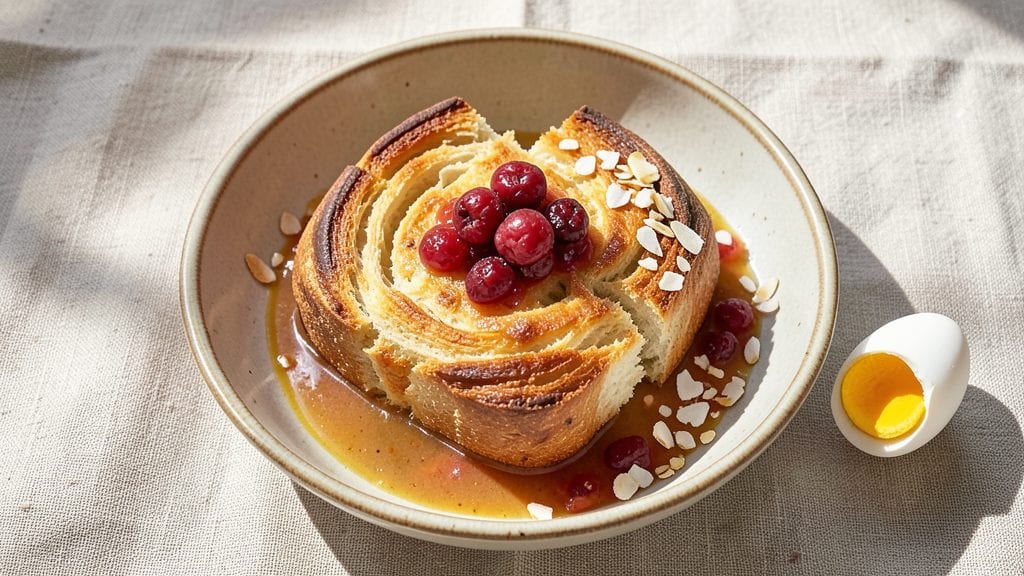
This ulu bread recipe brings the warm, tropical flavors of Hawaii to your kitchen with its signature toasted coconut crown and tender crumb. Inspired by traditional Hawaiian baking techniques, this sweet bread combines breadfruit flour with coconut milk for a unique texture and aroma that transports you to the islands.
The toasted coconut topping adds a delightful crunch and visual appeal that makes it perfect for special occasions or as a centerpiece for brunch.
What sets this recipe apart is the use of breadfruit flour, which gives the bread its slightly sweet, nutty flavor and dense yet tender crumb. The dough is enriched with coconut milk and a touch of brown sugar, creating a moist interior that stays fresh for days.
The secret to the toasted coconut crown lies in baking the bread until golden and then quickly toasting the coconut topping for that signature crunch.
By the time you pull this loaf from the oven, you'll have a beautiful, fragrant bread with a crispy coconut crown that's impossible to resist. The aroma alone will have everyone gathering around the table, eager for a taste of Hawaii.
Serve it warm with butter or honey, or use it as a base for French toast—this bread is versatile enough for any meal.
Perfect for those who love unique baking challenges or want to explore Hawaiian cuisine, this recipe delivers restaurant-quality results with minimal effort. The dough requires just a few simple steps, and the baking process is straightforward, making it accessible for both beginners and experienced bakers alike.
Let's get started on creating your own tropical masterpiece.
Ingredients for ulu bread
Tropical flavors meet tender crumb in this Hawaiian-inspired loaf with a coconut crown topping.
| Ingredient | Amount | Notes |
|---|---|---|
| Breadfruit Flour 🌾 | 3 cups | Substitute with cassava flour if unavailable |
| All-Purpose Flour 🌾 | 1 cup | For structure and lift |
| Granulated Sugar 🍚 | ½ cup | Light brown sugar for deeper flavor |
| Active Dry Yeast 🍞 | 2 ¼ tsp | Or 1 packet instant yeast |
| Coconut Milk (Full-Fat) 🥥 | 1 cup | Canned, not carton |
| Large Eggs 🥚 | 2 whole | Room temperature for best results |
| Unsalted Butter (Softened) 🧈 | ½ cup | Full-fat for richness |
| Salt 🧂 | 1 tsp | Fine sea salt preferred |
| Vanilla Extract 🌿 | 1 tsp | Pure vanilla preferred |
| Sweetened Shredded Coconut 🥥 | 2 cups | Unsweetened works too |
| Toasted Coconut Flakes 🥥 | ½ cup | For topping crown |
| Honey 🍯 | 2 tbsp | For brushing dough |
| Warm Water 💧 | ¾ cup | 110°F for yeast activation |
The breadfruit flour is the heart of this recipe—it gives that signature sweet, nutty flavor. Trader Joe's and Asian markets usually carry it, but if you can't find it, cassava flour works in a pinch (though texture will differ slightly). The coconut milk should be full-fat canned, not the carton kind—it makes all the difference. For the yeast, make sure it's fresh: drop a pinch in warm water with a little sugar, and if it bubbles within 5 minutes, it's good to go. I always grab my coconut from Costco—cheaper and lasts forever. The shredded coconut needs to be sweetened for that perfect balance, but if you only have unsweetened, just add a teaspoon of sugar to the mix.
No breadfruit flour? Cassava flour is your best bet, but expect a slightly denser texture. Running short on coconut milk? Substitute with heavy cream, though the flavor won't be quite the same. For the coconut crown, if you can't find toasted flakes, toast regular flakes in a dry pan for 3-4 minutes until golden. The honey brushing is non-negotiable—it adds that glossy finish and subtle sweetness. If you're feeling fancy, add a pinch of cardamom to the dough for an extra Hawaiian touch. And pro tip: if your dough feels too sticky, chill it for 15 minutes before shaping—it makes all the difference.
This bread keeps beautifully—3-4 days at room temperature wrapped in a towel, or 1 week in the fridge. For longer storage, slice and freeze portions—3 months in an airtight bag. The coconut crown stays crispy if you reheat slices in a 350°F oven for 5 minutes. I always make two loaves—one for toast in the morning, one for French toast on weekends. The aroma alone will have your whole house smelling like Hawaii, so bake when you're ready for company (or just when you want to feel like you're on vacation).
Why You'll Love This Recipe
- I’ll be real: breadfruit flour isn’t cheap, but you only need a little to stretch this dough far. Mix it half-and-half with all-purpose flour, and suddenly you’ve got a budget-friendly loaf that feels special. It’s my go-to when I’m low on ingredients but still want something homemade.
- No Yeast Hassle: Honestly, the yeast just dissolves into the warm coconut milk—no kneading, no waiting for it to bloom. Mix, let it rise once, and you’re done. That’s right, even if you’re the kind of person who burns toast, this bread turns out soft and golden every time.
- Sweet & Savory Swap: Here’s what sold me—the breadfruit flour gives it this subtle caramel sweetness that pairs perfectly with savory meals. Slather it with butter for breakfast, or tear it into salads for a tropical crunch. It’s the kind of bread that makes you question why you ever bought store-bought.
- Leftovers That Last: Between us, this bread stays fresh for days if you wrap it tightly. I’ve reheated slices in the toaster for three mornings straight, and they’re still fluffy. Plus, the coconut milk keeps it moist longer than your average loaf—no sad, dry ends here.
Step-by-step instructions for ulu bread
This tropical sweet bread delivers a tender crumb and irresistible coconut crown every time.
Activate the Yeast and Mix Wet Ingredients
In a small bowl, combine the 0.75 cup warm water (around 110°F) with the 2.25 tsp active dry yeast. Let it sit for 5-10 minutes until it becomes frothy—this confirms your yeast is active. If it doesn't bubble, start over with fresh yeast.
In a separate large bowl, whisk together the 1 cup coconut milk (full-fat), 0.5 cup softened unsalted butter, 0.5 cup granulated sugar, 1 tsp salt, and 1 tsp vanilla extract until smooth. The mixture should be creamy but not greasy. I like to use a hand mixer for this step—it ensures everything is fully incorporated without overworking the dough later.
Combine Dry Ingredients and Form the Dough
In the same large bowl, gradually add the 3 cups breadfruit flour and 1 cup all-purpose flour to the wet ingredients. Mix on low speed until just combined—you'll still see some flour streaks, and that's perfect. Overmixing develops gluten, which can make the bread dense.
Make a well in the center and add the 2 whole large eggs, one at a time. Mix on low speed until the dough comes together. The dough should be soft and slightly sticky but not wet. If it feels too dry, add 1 tablespoon warm water at a time until it reaches the right consistency. This dough should hold its shape when pressed gently but still feel pliable.
Knead and Let the Dough Rise
Turn the dough onto a lightly floured surface and knead for 5-7 minutes until smooth and elastic. You'll know it's ready when it springs back slowly when poked. If the dough feels too sticky, wet your hands slightly as you knead—this prevents it from sticking to your fingers.
Place the dough in a lightly greased bowl, cover it with a clean kitchen towel, and let it rise in a warm place for 1-2 hours, or until it has doubled in size. I like to place the bowl near a slightly turned-on oven light to create a warm, consistent environment. Poke the dough gently—if it leaves an indentation that doesn't spring back immediately, it's ready for shaping.
Shape and Second Rise
Punch down the risen dough to release any air bubbles. Divide it into 8 equal portions (about 4 oz each) and shape each into a smooth, round ball. Place them on a parchment-lined baking sheet, leaving about 2 inches between each ball. This gives them room to expand as they rise.
Cover the baking sheet with a towel and let the dough rise again for 30-45 minutes, until the balls have puffed up noticeably. The tops should look slightly domed and feel firm to the touch. This second rise is crucial—it ensures a light, airy texture in your bread.
Bake and Add the Coconut Crown
Preheat your oven to 350°F. Brush the tops of the dough balls with 2 tbsp honey, then press 2 cups sweetened shredded coconut lightly into the surface of each ball. This creates that iconic ulu bread texture and flavor. Sprinkle the remaining 0.5 cup toasted coconut flakes evenly over the top for extra crunch.
Bake for 25-30 minutes, until the tops are golden brown and the internal temperature reaches 190°F. The bread should sound hollow when tapped on the bottom. Let the bread cool on a wire rack for 10 minutes before serving—this prevents the coconut crown from turning soggy.
Pro Tips For Making Ulu Bread
- Bloom the Yeast Warm: Mix your yeast with the coconut milk and a pinch of sugar first—just 5 minutes in a warm spot (like your oven with the light on) until frothy. I learned this the hard way after skipping it; the breadfruit flour can steal heat, leaving your dough sluggish and dense.
- Sift the Breadfruit Flour: Breadfruit flour is heavier than all-purpose, so sift it with your AP flour before mixing—this cuts out lumps and ensures even distribution. I was skeptical until I tried it; the texture of the dough becomes smoother, and the rise is more consistent.
- Don’t Over-Knead the Dough: This dough is delicate—knead just until it pulls away from the bowl (about 5-6 minutes by hand). Overworking it with breadfruit flour makes the gluten tough, and your loaf will turn out gummy instead of light. Trust your instincts; it’s ready sooner than you think.
- Use Room-Temp Coconut Milk: Cold coconut milk slows fermentation and weakens the rise. Let it sit at room temperature for 30 minutes before adding it to the dough—this keeps the yeast happy and gives you a taller, airier loaf. I know, I know, but trust the process.
Health benefits of these flavors
Nutrient-Rich Breadfruit Flour
Breadfruit flour is the star of this recipe, packed with complex carbohydrates for sustained energy and fiber to support digestion. A 1-cup serving provides about 15% of your daily fiber needs, helping keep you full longer.
The flour also contains small amounts of potassium and magnesium, essential minerals for heart health and muscle function. 🌱
Healthy Fats from Coconut
The coconut milk and toasted coconut flakes add medium-chain triglycerides (MCTs), a type of healthy fat that boosts metabolism and provides quick energy. These fats are easier for your body to digest than long-chain fats, making them ideal for breakfast or post-workout snacks.
Just 1 cup of coconut milk contains about 13 grams of fat, mostly from these beneficial MCTs.
Protein for Muscle Recovery
While not a high-protein bread, this recipe still delivers 5-6 grams of protein per serving thanks to the eggs and butter. The protein helps with muscle repair and keeps you feeling satisfied.
For an extra boost, consider adding 1 scoop of vanilla protein powder to the dough—it blends seamlessly and adds about 15 grams of protein per serving without altering the texture significantly.
Natural Sweetness Without Refined Sugar
The brown sugar and honey provide natural sweetness with minimal refined sugar. Brown sugar contains trace minerals like calcium and iron, while honey has antioxidant properties that support immune function.
Using 2 tablespoons of honey instead of granulated sugar reduces the glycemic impact while keeping the bread moist and flavorful.
Low Glycemic Index Option
If you're watching blood sugar levels, this bread offers a lower glycemic index than traditional white bread due to the breadfruit flour and fiber content. The combination of fiber, healthy fats, and natural sweeteners helps stabilize blood sugar.
For an even better option, replace half the granulated sugar with monk fruit sweetener—it adds sweetness without affecting blood glucose levels.
Rich in Antioxidants
The toasted coconut flakes contribute antioxidants like polyphenols, which help combat oxidative stress in your body. Coconut also contains lauric acid, a compound with antimicrobial properties that supports overall health. The vanilla extract adds a touch of eugenol, another antioxidant that may help reduce inflammation. 💪
Nutrition facts
Frequently asked questions
What makes this bread different from regular Hawaiian sweet bread?
This recipe uses breadfruit flour instead of traditional wheat flour, giving it a naturally sweet, nutty flavor and denser yet moist texture. The key difference is the toasted coconut crown baked directly into each piece, creating that signature crunchy exterior. Most Hawaiian sweet breads use white flour and sugar, but this version stays true to traditional Pacific flavors while offering a unique texture contrast.
Can I make this bread without breadfruit flour?
Yes! The best substitute is cassava flour (1:1 ratio), though the texture will be slightly denser. For a lighter version, mix 2 cups breadfruit flour with 1 cup all-purpose flour. If you can't find either, whole wheat flour works in a pinch, but the flavor won't be as authentic. The coconut elements will still shine through, though.
Why does my coconut crown turn soggy?
This happens when the bread cools too quickly or isn't fully baked. Always let the bread cool on a wire rack for 10 minutes before serving. For extra crispiness, bake for 30 minutes (instead of 25) and broil for 1-2 minutes at the end. Store in an airtight container with a paper towel underneath to absorb moisture. Reheat slices at 350°F for 5 minutes to restore crunch.
How do I know when the bread is fully risen?
Press the dough gently with your finger. If it leaves an indentation that doesn't spring back immediately, it's ready. For the second rise, the dough balls should look doubled in size and feel firm to the touch. A good test is the "poke test"—if the dough jiggles slightly when tapped, it's perfect. Overproofing can make the bread dense, so don't let it rise beyond this point.
Can I make this bread gluten-free?
Replace the all-purpose flour with a 1:1 gluten-free baking blend (like Bob's Red Mill) and use a gluten-free breadfruit flour alternative if available. Add 1 tsp xanthan gum to help bind the dough. Note that gluten-free versions may require 5-10 extra minutes in the oven. The coconut crown will still crisp up beautifully.