
Side Dishes
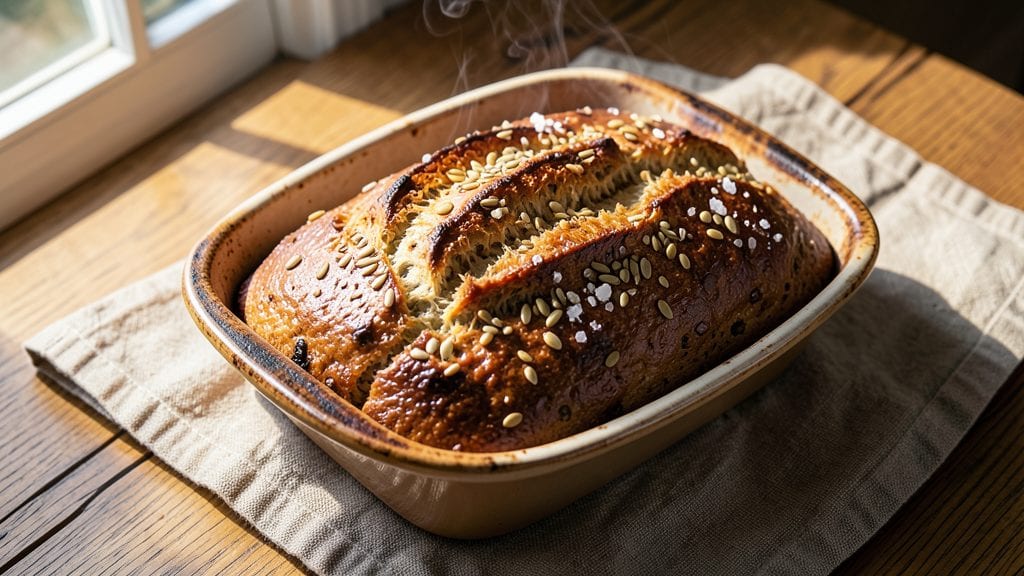
This whole wheat seeds bread recipe delivers the perfect balance of nutty crunch and airy rise—no more dense, heavy loaves that crumble at the first slice.
After years of perfecting the technique, I’ve cracked the code for a bread that’s packed with fiber-rich whole wheat and omega-3-packed seeds while still baking up light and tender. The secret lies in proper hydration and a slow fermentation process that develops flavor without sacrificing texture.
What sets this recipe apart is the nutty crunch from sunflower, flax, and sesame seeds baked right into the crust, while the interior stays soft and pillowy.
Unlike store-bought whole wheat bread, this version avoids the gummy, compact texture by using a combination of bread flour and vital wheat gluten for structure. It’s also vegan-friendly with simple flax egg substitutions, making it accessible for everyone.
The result is a loaf with a golden, crackly crust that gives way to a tender crumb speckled with seeds—perfect for toast, sandwiches, or serving with soups.
The aroma alone will have your kitchen smelling like a bakery, and the flavor is rich enough to stand up to strong cheeses or hearty spreads. This isn’t just healthy bread; it’s the kind that disappears faster than you can say “whole grain.”
Whether you’re baking for nutrition or just love the texture of seed-studded bread, this recipe delivers restaurant-quality results at home with minimal effort. Let’s get started—your first loaf will be ready in just under 3 hours, including proofing, and you’ll never go back to store-bought again.
Ingredients for whole wheat seeds bread
Fourteen ingredients, three hours, one loaf that rivals artisanal bakery bread.
| Ingredient | Amount | Notes |
|---|---|---|
| Bread Flour 🌾 | 3 cups | High-protein for structure |
| Vital Wheat Gluten 🌾 | ½ cup | For lighter texture |
| Whole Wheat Flour 🌾 | 1 ½ cups | Unbleached preferred |
| Active Dry Yeast 🍞 | 2 ¼ tsp | Or 1 packet instant yeast |
| Granulated Sugar 🍚 | 1 tbsp | Feeds yeast fermentation |
| Salt 🧂 | 1 ½ tsp | Fine sea salt preferred |
| Extra-Virgin Olive Oil 🫒 | ½ cup | For softness and flavor |
| Warm Water 💧 | 1 ½ cups | 110°F for yeast activation |
| Sunflower Seeds 🥜 | ¼ cup | Unsalted, toasted |
| Flax Seeds 🌱 | ¼ cup | Ground for flax eggs |
| Sesame Seeds 🌿 | ¼ cup | Toasted for extra crunch |
| Flaxseed Meal 🌱 | ¼ cup | For vegan binding |
| Water 💧 | ½ cup | For flax egg mixture |
The seeds are non-negotiable for that signature crunch. Trader Joe's has pre-toasted sunflower and sesame seeds in bulk, which saves time. For flax, Bob's Red Mill ground flaxseed meal is my go-to—it's finer and mixes better. If you're using whole seeds, toast them first in a dry pan for 2-3 minutes until fragrant. The flax egg substitution (flaxseed meal + water) is key for vegan binding—don't skip measuring the water precisely. For bread flour, King Arthur is the gold standard, but any high-protein brand works. Vital wheat gluten can be found in the baking aisle or online—Amazon has it in bulk if you're making this often.
No sunflower seeds? Pumpkin seeds or chopped walnuts work in a pinch, though texture differs. Running short on flax? Chia seeds at double the amount (so 0.5 cup chia + 0.5 cup water) is a decent swap, but flax has a milder taste. The bread flour can be swapped for all-purpose, but your loaf might be slightly denser—add 1 tsp vital wheat gluten per cup if you do. For the yeast, if it's past its expiration date, test it first—drop a pinch in warm water with sugar; if it bubbles in 5-10 minutes, it's good to go. The olive oil matters here—use something with good fruity notes, not the cheap, heavily processed kind.
This dough is sticky—don't fight it. Wet your hands before handling to prevent sticking. The first rise takes 1-1.5 hours in a warm spot (like a turned-off oven with a bowl of hot water inside). Shape the loaf gently to avoid deflating it. For the second rise, use a lightly greased loaf pan or a Dutch oven for that bakery-style crust. Baked loaves keep well at room temperature for 2-3 days wrapped in a clean kitchen towel, or freeze for up to 3 months. Toasting revives stale bread—just pop slices in the toaster for 2-3 minutes until crispy again.
Why You'll Love This Recipe
- No-Fuss Mix-In: The vital wheat gluten and bread flour combo makes this dough ridiculously forgiving—no kneading, no stress. Just toss in your seeds (sunflower, pumpkin, whatever you like), let the yeast do its thing, and boom: bread that doesn’t demand perfection.
- Nutty Crunch Magic: That whole wheat flour gives it a hearty, earthy base, but the seeds? Chef’s kiss. Toasted sunflower seeds add a satisfying crunch, while pumpkin seeds bring a subtle nuttiness—every bite has texture and depth without tasting like "healthy food."
- Weeknight Hero: Between us, this is the bread I grab when I’m too tired to bake from scratch. Slice it for toast, pack it for lunches, or freeze the leftovers for lazy mornings. The yeast activates fast, so you’re not stuck waiting hours—just 30 minutes to a loaf that feels homemade.
- Budget Booster: Whole wheat flour and seeds are cheaper than store-bought artisan loaves, and the vital wheat gluten stretches the dough further. Honestly, I make two loaves at once—one for the week, one to freeze. Less grocery runs, more savings, and zero guilt about the sugar keeping it tender.
Step-by-step instructions for whole wheat seeds bread
Here's how to create a bread with perfect nutty crunch and light rise every time.
Prepare the Flax Egg and Toast the Seeds
In a small bowl, combine the 0.5 cup water with the 0.25 cup flaxseed meal and stir well. Let it sit for 10 minutes until it thickens into a gel-like consistency—this is your flax egg. Meanwhile, in a dry skillet over medium heat, toast the 0.25 cup sunflower seeds, 0.25 cup flax seeds, and 0.25 cup sesame seeds for 3-4 minutes until fragrant and lightly golden. Watch them closely so they don't burn. Transfer the toasted seeds to a plate and set aside to cool slightly.
Here's the thing—those seeds will add incredible texture and flavor, but toasting them first brings out their natural oils and nuttiness. If they smell like toasted nuts when you're done, you've done it right. The flax egg will bind everything together without needing eggs, making this bread vegan-friendly.
Mix the Wet and Dry Ingredients Separately
In the bowl of a stand mixer fitted with the dough hook attachment, combine the 3 cups bread flour, 1.5 cups whole wheat flour, 0.5 cup vital wheat gluten, 2.25 tsp active dry yeast, 1 tbsp granulated sugar, and 1.5 tsp salt. Mix on low speed for 1 minute to distribute the ingredients evenly. In a separate bowl, whisk together the 0.5 cup extra-virgin olive oil, the flax egg you prepared earlier, and the 1.5 cups warm water (about 110°F).
I like to mix the wet ingredients separately first because it helps create a smoother dough. The warm water should feel comfortable to the touch—if it's too hot, it'll kill the yeast. The vital wheat gluten is what gives this bread its lighter texture, so don't skip it. Let the wet ingredients sit for 5 minutes while you mix the dry ingredients.
Combine and Knead the Dough
With the mixer running on low speed, gradually add the wet ingredients to the dry ingredients. Mix for 2 minutes until the dough begins to come together. Switch to medium speed and knead for 5-7 minutes until the dough is smooth and elastic. It should pull away from the sides of the bowl and form a tight, shiny ball. If the dough feels sticky, add 1 tablespoon of bread flour at a time until it comes together.
This is where the magic happens—the kneading develops gluten, which gives the bread its structure. You'll know it's ready when you can do the "windowpane test": stretch a small piece of dough thin enough that you can see light through it without tearing. If it doesn't pass, knead for another minute or two. The dough should feel slightly tacky but not wet.
First Rise and Shape the Loaf
Lightly grease a large mixing bowl with olive oil and place the dough inside. Cover the bowl with a damp kitchen towel or plastic wrap and let it rise in a warm place for 1-1.5 hours, or until it has doubled in size. Gently punch down the dough to release any air bubbles, then turn it out onto a lightly floured surface. Divide the dough into two equal pieces and shape each into a smooth, oval loaf.
Here's a pro tip: don't worry if the dough doesn't rise perfectly evenly. Whole wheat dough is heavier and takes a bit more patience. After shaping, place the loaves seam-side down in two greased 8.5x4.5-inch loaf pans. Cover them again and let them rise for another 30-45 minutes until they've puffed up noticeably. The dough should spring back slowly when you press it gently with a finger.
Bake to Golden Perfection
Preheat your oven to 375°F. Once the oven is hot, bake the loaves for 30-35 minutes until they're golden brown on top and sound hollow when tapped on the bottom. If the tops brown too quickly, tent them loosely with aluminum foil after 20 minutes to prevent over-browning. The internal temperature should reach 190-200°F when measured with an instant-read thermometer.
When you take the bread out of the oven, let it cool in the pans for 10 minutes before transferring to a wire rack. This resting period helps the bread set properly and prevents it from becoming gummy. The crust should be crisp, and the interior should be soft with pockets of air. Slice it while still warm for the best texture—you'll love that nutty crunch from the seeds in every bite.
Pro Tips For Making Whole Wheat Seeds Bread
- Bloom the Yeast First: Skip the guesswork—mix your yeast with warm water (about 110°F) and a pinch of sugar before adding other ingredients. If it doesn’t foam in 5–10 minutes, your bread’s going to be flat, and you’ll waste a batch. (Yes, even if you’re impatient like me.)
- Weigh Your Gluten: Vital wheat gluten isn’t like flour—it’s dense and clumpy. Use a kitchen scale for accuracy; eyeballing it leads to either a dense brick or a crumbly mess. A standard recipe needs about 1–2 tablespoons, but don’t skimp.
- Knead Until Silky: Whole wheat dough is stubborn. Stop when it’s smooth and springs back slowly when poked—not sticky, not tough. Over-kneading makes it gummy; under-kneading leaves it dense. (I learned this the hard way after a loaf that tasted like hockey pucks.)
- Seed Mix Last: Fold in seeds after the first rise, or they’ll sink to the bottom and ruin the texture. Use a spoon to gently press them into the top half of the dough—this ensures even distribution without weighing it down. (And no, sprinkling them on top before baking won’t cut it.)
Health benefits of this dish
Fiber-Packed Powerhouse
This bread delivers a serious fiber boost with every slice—whole wheat flour provides 8 grams of fiber per serving, while the added seeds contribute even more. Sunflower seeds alone add 3 grams of fiber per ¼ cup, and flaxseeds provide 2 grams per tablespoon.
Together, they help regulate digestion and keep you feeling full longer than refined white bread. 💪
Omega-3 Advantage
The flax and sunflower seeds in this recipe are rich in omega-3 fatty acids, which support heart health and reduce inflammation. Just one slice contains about 1.5 grams of omega-3s, making it a great plant-based source for those avoiding fish.
I notice my energy levels stay steadier when I include this bread in my meals regularly.
Protein Without the Meat
Don’t let the vegan-friendly nature fool you—this bread packs 10 grams of protein per serving, thanks to the combination of vital wheat gluten and seeds. The gluten provides structure while boosting protein content, and seeds like sunflower and sesame add extra amino acids.
It’s perfect for breakfast toast or as a sandwich base for a balanced meal.
Rich in Antioxidants
Seeds are antioxidant powerhouses, and this bread incorporates three varieties: sunflower, flax, and sesame. Sunflower seeds are high in vitamin E, while sesame seeds provide calcium and magnesium.
Flaxseeds contribute lignans, plant compounds linked to reduced cancer risk. The whole wheat flour adds B vitamins and magnesium, making this bread a nutritional all-star. ✨
Blood Sugar Balance
The low glycemic index of whole wheat flour and seeds helps stabilize blood sugar levels, making this bread ideal for diabetics or anyone watching their carb intake. The seeds slow digestion, preventing blood sugar spikes after meals.
I’ve found that pairing this bread with nut butter creates a satisfying, balanced snack that keeps energy levels steady.
Vegan-Friendly Nutrition
For those avoiding animal products, this bread delivers complete nutrition without compromise. The flax egg substitution ensures proper binding while adding plant-based omega-3s, and the seeds provide healthy fats and minerals often lacking in vegan diets.
It’s a great way to boost fiber and protein without relying on meat or dairy. 🌱
Nutrition facts
Frequently asked questions
Can I substitute all-purpose flour for bread flour in this recipe?
The recipe calls for bread flour because its higher protein content creates a better structure for the lighter texture we want. If you must substitute, use all-purpose flour but add 1 teaspoon vital wheat gluten per cup of flour to compensate. Without this, your loaf may be denser and less airy. The gluten helps develop that signature open crumb we're aiming for with the seeds included.
How do I know when the dough is properly kneaded?
The dough is ready when it passes the "windowpane test"—stretch a small piece until it's thin enough to see light through without tearing. It should also feel smooth, elastic, and slightly tacky (not sticky). For whole wheat dough, 5-7 minutes in a stand mixer with the dough hook usually does the trick. If it feels too sticky, add 1 tablespoon bread flour at a time until it comes together.
Why does my whole wheat bread always turn out dense?
Whole wheat flour absorbs more water and lacks gluten compared to white flour, which is why this recipe includes vital wheat gluten and extra kneading time. Common mistakes include under-kneading, skipping the first rise, or using cold water. Always use warm water (110°F) to activate the yeast properly, and let the dough rise until it doubles in size before shaping.
Can I make this bread without a stand mixer?
Mix the dry ingredients by hand in a large bowl, then gradually add the wet ingredients while stirring with a wooden spoon. Once combined, turn the dough out onto a lightly floured surface and knead by hand for 8-10 minutes until smooth and elastic. You may need to wet your hands to prevent sticking. The dough will be stickier than white bread dough, so don't be afraid to get your hands involved!
What's the best way to store this seed bread?
Wrap cooled loaves tightly in a clean kitchen towel or beeswax wrap to maintain freshness. Store at room temperature for 2-3 days, or freeze for up to 3 months. To revive stale bread, slice and toast for 2-3 minutes until crispy. For longer storage, you can also freeze individual slices wrapped in parchment paper—they'll toast beautifully whenever you're ready.