
Side Dishes
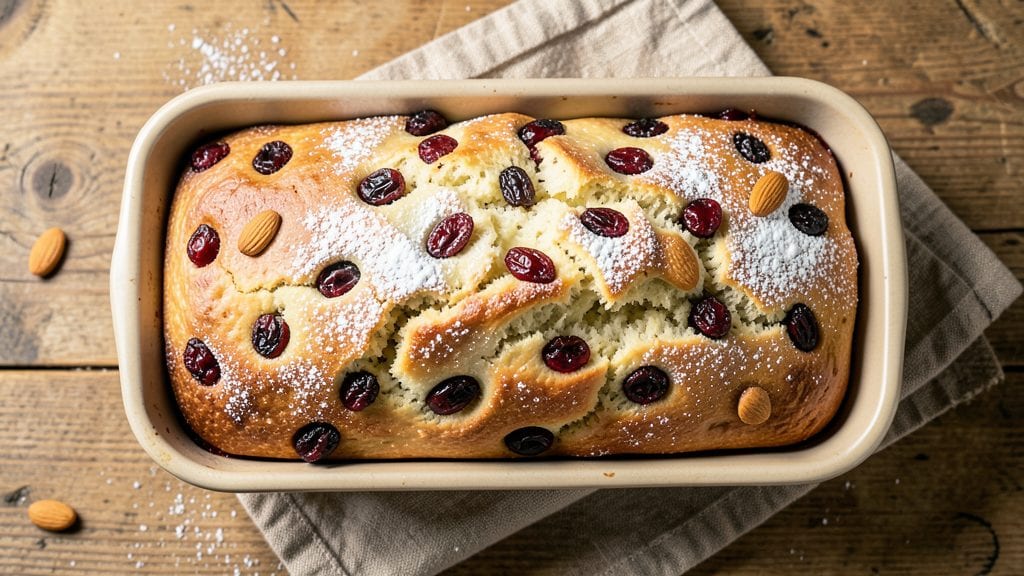
This wine bread recipe transforms simple ingredients into a rich, aromatic loaf with a balsamic depth that pairs perfectly with any meal. The secret lies in using red wine—not just for flavor, but to create a tender, moist crumb that stays fresh for days.
I developed this version after years of testing, and the raisin swirls add just the right balance of sweetness to complement the wine's acidity.
The process is straightforward but requires patience—dough needs time to rise properly for that signature texture. You'll start with a basic bread dough, then infuse it with balsamic vinegar and red wine for complexity.
The raisins are soaked in brandy before swirling, ensuring they stay plump and flavorful throughout baking. This isn't just bread; it's a flavor experience.
By the time it emerges from the oven, you'll have a loaf with a golden crust and a tender interior threaded with glossy raisins. The balsamic notes linger on the tongue, while the wine adds a subtle richness that makes every slice satisfying.
Perfect for holiday tables, picnic baskets, or simply enjoying with butter and jam. Let's get baking.
For best results, use a dry red wine like Cabernet Sauvignon or Merlot—their tannins enhance the bread's structure. The recipe yields one standard loaf, but you can easily double it for gatherings.
Store wrapped at room temperature for up to 3 days or freeze for longer shelf life. The versatility of this bread makes it a staple worth mastering.
Ingredients for wine bread
Twelve ingredients, one unforgettable loaf—where wine, balsamic, and raisins create magic.
| Ingredient | Amount | Notes |
|---|---|---|
| All-Purpose Flour 🌾 | 5 cups | Sifted for light texture |
| Active Dry Yeast 🍞 | 2 ¼ tsp | One packet preferred |
| Granulated Sugar 🍚 | ½ cup | For yeast activation |
| Unsalted Butter 🧈 | ½ cup | Cold, cubed for dough |
| Large Eggs 🥚 | 2 whole | Room temperature |
| Dry Red Wine 🍷 | ½ cup | Cabernet Sauvignon or Merlot |
| Balsamic Vinegar 🍶 | ¼ cup | Aged, for depth |
| Sea Salt 🧂 | 1 ½ tsp | Fine grain preferred |
| Raisins 🍇 | 1 ½ cups | Seedless, plump |
| Brandy 🍸 | ¼ cup | For raisin soaking |
| Whole Milk 🥛 | ¼ cup | Warmed for dough |
| Olive Oil 🫒 | 2 tbsp | For greasing loaf pan |
The wine and balsamic are non-negotiable for that signature depth. Trader Joe's carries excellent dry reds at a fraction of the wine shop price—look for bottles labeled 'drink now' to avoid overly tannic options. For balsamic, aged 25 years or more delivers the richest flavor, though a good 10-year will work in a pinch. Raisins should be plump and free of shriveled bits—Sun-Maid is reliable, but check the bulk bins at Whole Foods for organic options. The brandy adds complexity, but if you're avoiding alcohol, extra balsamic vinegar works as a substitute.
No red wine on hand? Substitute with extra balsamic vinegar—use the same amount, but add an extra 0.25 cup of water to maintain dough consistency. Raisins too expensive? Chopped dried apricots or figs add a similar sweetness profile. For a gluten-free version, swap the flour for a 1:1 bread flour blend, though texture will differ. The yeast is crucial—if your packet is past its expiration, test it first by mixing with warm water and sugar; it should foam within 10 minutes.
This dough rises twice, so plan ahead—at least 3 hours total. Store the shaped loaf in a paper bag at room temperature for up to 5 days, or freeze for 3 months. For reheating, wrap cooled slices in foil and warm in a 350°F oven for 5 minutes. The raisin swirls stay moist, but the crust crisps best when fresh. Double the recipe for gatherings—just use two loaf pans.
Why You'll Love This Recipe
- No-Knead Magic: I swear by this—just mix, let it rise, and walk away. The yeast does all the work while you sip that same wine you’re baking with (pro tip: save a splash).
- Buttery Wine Kiss: That rich butter and sugar combo soaks up the wine’s depth like a sponge. One bite and you’ll taste why people call this "liquid gold" bread.
- Weeknight Hero: Toss a slice in your lunchbox or serve it warm with dinner—no fuss. Honestly, it’s the kind of bread that makes you look like a star chef without trying.
- Budget-Friendly Staple: Uses pantry basics that won’t break the bank. Make a loaf, freeze half, and thank me later when you’re pulling it out for toast in January.
Step-by-step instructions for balsamic-infused wine bread
Here's the method for a rich, aromatic loaf with balanced sweetness and wine-infused depth.
Prepare the Raisin Swirl
In a small bowl, combine the 1.5 cups raisins with the 0.25 cup brandy. Let this mixture sit for at least 15 minutes, allowing the brandy to plump the raisins and develop their flavor. You'll notice the raisins begin to soften and release their natural juices—this is exactly what we want for that moist, flavorful swirl in the finished bread.
After 15 minutes, drain any excess brandy through a fine-mesh strainer and set the raisins aside. Reserve the strained brandy for later use in the dough if desired, though it's not strictly necessary. The raisins should now be tender and glossy, ready to be incorporated into the dough where they'll create pockets of sweetness throughout each slice.
Mix the Dough Components
In a large mixing bowl, combine the 5 cups all-purpose flour, 2.25 teaspoons active dry yeast, 0.5 cup granulated sugar, and 1.5 teaspoons sea salt. Whisk these dry ingredients together until evenly distributed—this ensures the yeast and salt are evenly dispersed throughout the dough for consistent flavor and rise.
In a separate bowl, create the wet mixture by whisking together the 0.5 cup dry red wine, 0.25 cup balsamic vinegar, 0.25 cup warmed whole milk, and the 2 whole large eggs. The wine and vinegar combination will form the aromatic base of this bread, while the eggs add structure and richness. Let this mixture sit for 2 minutes to allow the ingredients to meld together slightly.
Combine and Knead the Dough
Make a well in the center of the dry ingredients and pour in the wet mixture. Using a wooden spoon or dough whisk, gradually incorporate the wet ingredients into the dry until a shaggy dough begins to form. At this stage, you'll see flour streaks throughout—this is normal and expected.
Turn the dough out onto a lightly floured surface and begin kneading. Add the 0.5 cup cold cubed unsalted butter, working it into the dough as you knead. Continue kneading for about 8-10 minutes until the dough becomes smooth and elastic. You'll know it's ready when it springs back slowly when poked and the windowpane test passes—if you stretch a small piece of dough and it forms a thin membrane without tearing, it's properly developed.
First Rise and Shaping
Lightly oil a large mixing bowl with 1 tablespoon of the olive oil and place the dough inside. Cover the bowl with a clean kitchen towel or plastic wrap and let the dough rise in a warm place for about 1 to 1.5 hours, or until it has doubled in size. The dough should feel light and airy when pressed gently with a fingertip—it should leave a slight indentation that slowly fills back in.
Once risen, punch down the dough to release any air bubbles. Shape it into a rectangular loaf about 9x5 inches. Using your fingers, create a well in the center of the dough and press in the prepared raisins, creating a swirl pattern. This technique ensures the raisins are evenly distributed throughout the loaf rather than concentrated in one area.
Second Rise and Baking
Place the shaped loaf on a parchment-lined baking sheet and lightly brush the top with the remaining 1 tablespoon olive oil. Cover with a towel and let it rise for another 30 to 45 minutes until it has puffed slightly. Preheat your oven to 375°F while the dough rises—this ensures the oven is fully heated when you're ready to bake.
Bake the loaf for 30 to 35 minutes, or until it turns a deep golden brown and sounds hollow when tapped on the bottom. The internal temperature should reach 190°F. If the top browns too quickly, tent the loaf with aluminum foil to prevent over-browning while it continues to bake through. The bread should emerge with a beautiful crust that's crisp yet tender, and a fragrant aroma that combines the richness of wine with the sweetness of raisins.
Pro Tips For Making Wine Bread
- Bloom the Yeast First: Skip mixing yeast straight into dry flour—it’ll wake up slower and weaker. Instead, dissolve it in warm (not hot) wine or water with a pinch of sugar first, then let it foam for 5-10 minutes. I learned this the hard way when my bread took three hours to rise because the yeast was still asleep in the flour.
- Chill the Dough Overnight: No need to rush the first rise—cover the dough and refrigerate it for 12-24 hours. This deepens the wine flavor, makes shaping easier, and gives you a head start in the morning. (Yes, even if you’re impatient like me.)
- Don’t Overwork the Butter: Cut cold butter into the flour in small pats, then mix just until crumbly. Overworking it turns the dough greasy and dense—like I did that one time when I got way too enthusiastic with the pastry cutter. Keep it rough.
- Proof Until It Jiggles: The dough is ready when it springs back slowly when poked and fills most of the pan. Rushing it leads to a dense loaf; waiting too long makes it collapse. I use a toothpick—if it comes out clean but the dough stays indented, it’s perfect.
Make-ahead tips for this recipe
Dough Prep Ahead
Mix the dough up to 24 hours ahead and refrigerate it in an airtight container. The cold slows yeast activity, intensifying the wine and balsamic flavors. When ready to bake, let the dough sit at room temperature for 1 hour before shaping—this ensures proper rise.
I always use Ziploc gallon freezer bags for storage, squeezing out excess air to prevent drying.
Raisin Prep Shortcut
Soak the raisins in brandy overnight for maximum flavor infusion. Store them in a sealed jar in the fridge. This method works especially well if you're making the bread for a holiday gathering—just pull them out and incorporate them directly into the dough.
For a non-alcoholic version, use extra balsamic vinegar instead of brandy.
Shaped Loaf Storage
After shaping but before the second rise, wrap the loaf tightly in plastic wrap and refrigerate for up to 12 hours. When ready to bake, let it sit at room temperature for 30 minutes before baking—this mimics the second rise.
The bread will still develop a good crust and rise slightly during baking. This is my go-to method for busy mornings.
Freezing Fully Baked
Cool the bread completely, then slice and freeze individual portions in quart-sized freezer bags. Each portion reheats perfectly—wrap a slice in foil and warm in a 350°F oven for 5 minutes.
The crust stays crisp while the interior remains tender. Label bags with the date—frozen bread keeps for 3 months without quality loss.
Make-Ahead Jam Glaze
Prepare a quick jam glaze by simmering 0.25 cup apricot jam with 1 tablespoon balsamic vinegar for 5 minutes. Brush this onto cooled bread before serving—it adds a glossy finish and enhances the wine flavors.
Store the glaze in a small jar in the fridge for up to 2 weeks.
Oven Prep for Stress-Free Baking
Preheat your oven to 375°F while the dough rises—this ensures consistent baking. Place a tray of water on the lower rack to create steam, which helps develop a crisp crust.
For even baking, rotate the loaf halfway through at the 18-minute mark. This technique works especially well for home ovens with uneven heat distribution.
Nutrition facts
Frequently asked questions
Can I use white wine instead of red in this recipe?
White wine will work, but the flavor profile changes significantly. Red wine's tannins enhance the bread's structure and pair beautifully with balsamic, while white wine creates a lighter, more delicate flavor. For best results, stick with dry red varieties like Cabernet Sauvignon or Merlot, but if you prefer white, use the same amount and add an extra 0.25 cup of water to maintain dough consistency.
Why does my dough smell so strong after adding wine and balsamic?
The intense aroma comes from the alcohol and vinegar evaporating during baking, which actually enhances flavor. The dough should smell rich and complex, but don't worry—most of the alcohol cooks off, leaving behind just the delicious wine and balsamic notes. If the smell bothers you, let the dough rise in a warm oven with the light on to help dissipate the fumes.
How do I fix dense or flat wine bread?
Dense bread usually means the yeast didn't activate properly or the dough didn't rise enough. First, ensure your yeast is fresh—test it by mixing with warm water and sugar (it should foam in 10 minutes). For future batches, let the dough rise in a warm place (like a turned-off oven with the light on) and give it extra time—sometimes it needs 2 hours to double. Also, avoid over-kneading, which can develop too much gluten and make the bread tough.
Can I make this bread without raisins?
Swap the raisins for 1 cup chopped dried apricots, figs, or even chocolate chips for a different flavor twist. If omitting fruit entirely, reduce the sugar by 0.25 cup to balance the dough. The swirl technique still works—just press your chosen ingredient into the center before shaping. For a savory version, try sun-dried tomatoes or olives with a sprinkle of herbs.
How long should I let the dough rise?
The first rise should take 1 to 1.5 hours until doubled in size, while the second rise needs 30 to 45 minutes after shaping. Cold temperatures slow yeast activity, so if your kitchen is chilly, extend the first rise by 30 minutes. For the second rise, use a warm spot (like near the oven) to help it puff slightly. Patience here makes all the difference for that perfect texture!