
Side Dishes
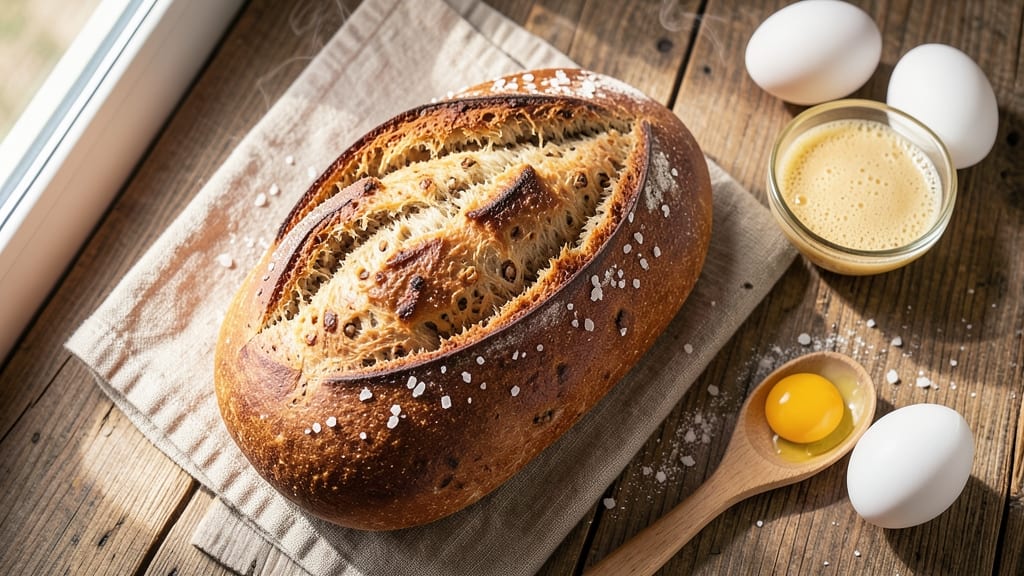
This 50/50 whole wheat bread recipe delivers the perfect balance of hearty whole grains and light, airy texture—ideal for sandwiches, toast, or dinner rolls. The secret lies in using equal parts whole wheat and all-purpose flour, creating a bread with robust flavor and satisfying chew without density. I developed this after years of testing variations, and it consistently yields a crust that's perfectly golden and a crumb so tender it disappears at the first bite.
What sets this recipe apart is its versatility—whether you're a home baker or using a bread machine, the process remains straightforward. We'll cover both traditional kneaded dough and a simplified no-knead method, so you can choose based on your time and skill level.
The dough proofing at room temperature ensures even rising, while baking at 375°F guarantees a crisp crust and evenly baked interior.
The result is a loaf that's sturdy enough for sandwiches but still light enough to enjoy on its own. Brush the baked bread with water for a subtle sheen or oil for extra richness—both options elevate its appearance and flavor.
This recipe also bakes up beautifully in a Dutch oven, creating that coveted oven-spring for a restaurant-quality finish.
Perfect for meal prep, gifting, or daily use, this bread stays fresh for up to 5 days at room temperature or can be frozen for longer storage.
Pair it with soups, use for grilled cheese, or simply toast it with butter for a comforting breakfast. Let's get started on mastering this balanced, crowd-pleasing loaf.
Ingredients for 50 50 whole wheat bread
Five staples plus yeast and milk—this 50/50 mix delivers restaurant-style bread at home.
| Ingredient | Amount | Notes |
|---|---|---|
| All-Purpose Flour 🌾 | 2 cups | Sifted for even texture |
| Whole Wheat Flour 🌾 | 2 cups | Unbleached preferred for flavor |
| Active Dry Yeast 🍞 | ¼ oz | Or 2 1/4 tsp (1 packet) |
| Granulated Sugar 🍚 | ½ cup | Or honey for slight sweetness |
| Salt 🧂 | 1 ½ tsp | Diamond Crystal preferred |
| Large Eggs 🥚 | 2 whole | Room temperature for even mixing |
| Unsalted Butter 🧈 | ½ cup | Softened but not melted |
| Warm Water 💧 | 1 ¼ cups | 110°F for yeast activation |
| Milk 🥛 | ¼ cup | Whole for richness (or plant-based) |
| Olive Oil 🫒 | 1 tbsp | For brushing crust |
The flours are the foundation. Bob's Red Mill whole wheat gives the best texture, but any unbleached brand works. For the yeast, check the expiration date—old yeast won't activate properly. The butter matters here: Land O'Lakes unsalted is my go-to, but European-style works too. Keep it soft but not melted for the perfect dough consistency. Milk adds richness—whole milk creates a tender crumb, but oat milk works in a pinch for a lighter texture.
No whole wheat flour? Substitute half with spelt flour for a lighter loaf. Skip the milk? Add 1 tbsp melted butter to compensate. The eggs can be replaced with 2 tbsp ground flaxseed + 6 tbsp water for vegan (though texture will differ). For the yeast, instant yeast can be used directly without dissolving first. The olive oil is non-negotiable for that golden crust—no substitutions here. And if your kitchen's cold, warm the water to 110°F to activate the yeast properly.
The dough keeps for 24 hours in the fridge, wrapped tightly. For longer storage, freeze portions for up to 3 months. The baked loaf stays fresh 5 days at room temperature, wrapped in a cotton towel. Brush with oil immediately after baking for that artisanal sheen. Slice while still warm for cleaner cuts—a serrated knife is a must. Leftovers? Toast them—everything tastes better toasted.
Why You'll Love This Recipe
- No-Knead Magic: I swear by this trick—just mix the whole wheat and all-purpose flours with warm water, a pinch of sugar, and that yeast. No stand mixer, no overworking, no stress. The dough practically proof itself while you sip your coffee.
- Nutty Heart, Soft Crust: That 50/50 split gives it a subtle whole-grain depth without tasting like health-food propaganda. The crust? Golden and crisp enough to hold toast toppings, but the inside stays tender enough to melt into soup.
- Lunchbox Hero: Between us, this is my go-to for sandwiches that don’t turn into soggy paperweights. Pack it with PB&J or turkey—it holds up for hours, and the kids (or your inner kid) will actually eat it.
- Pantry Stretch: Honestly, this recipe uses ingredients you already own. The whole wheat adds fiber without breaking the bank, and a single batch feeds the family for days. Freeze half for when you’re too tired to bake—just thaw and warm.
Step-by-step instructions for 50/50 whole wheat bread
Perfectly balance texture and flavor with this foolproof method for bread that's light yet hearty.
Activate the Yeast for Maximum Rise
In a small bowl, combine the 1.25 cups warm water (around 110°F—too hot and you'll kill the yeast) with the 0.5 cup granulated sugar and 0.25 oz active dry yeast. Let it sit for 5-10 minutes until it becomes frothy and bubbly. This tells you the yeast is alive and ready to work its magic.
If it doesn't bubble, your yeast might be old or your water too hot. Start fresh with new yeast and slightly cooler water. The goal here is to create a lively starter that will make your bread rise beautifully later.
Mix the Dough Until Smooth
In a large mixing bowl, whisk together the 2 cups all-purpose flour, 2 cups whole wheat flour, 1.5 tsp salt, and the yeast mixture until combined. Add the 2 whole large eggs and 0.5 cup softened unsalted butter, mixing until just incorporated. The dough will look shaggy at first—that's normal.
Gradually add the 0.25 cup milk while mixing. Once everything comes together, turn the dough out onto a lightly floured surface and knead for 8-10 minutes until smooth and elastic. You'll know it's ready when it springs back slowly when poked. This kneading develops gluten, which gives your bread that light, airy texture despite the whole wheat flour.
Let the Dough Rise Until Doubled
Place the dough in a lightly greased bowl, cover it with a damp towel, and let it rise in a warm spot for 1-2 hours or until it has doubled in size. The dough should feel puffy and light when pressed gently with a finger. This first rise is crucial—it allows the yeast to ferment and create those tiny air pockets that make bread tender.
If your kitchen is cold, place the bowl near a warm oven (turned off) or on top of your refrigerator's top shelf. Patience here pays off—rushing this step will result in dense bread. The dough should rise to about 1.5 times its original size before moving to the next step.
Shape and Proof for Final Rise
Punch down the dough to release air, then shape it into a loaf by folding the edges toward the center and sealing the seam. Place it seam-side up in a greased 9x5-inch loaf pan, brush the top with 1 tbsp olive oil, and let it rise again for 30-45 minutes until it domes slightly above the pan.
This second rise is shorter but just as important. It ensures the bread expands properly in the pan, giving you that beautiful, even rise. Don't skip this step—it's what transforms your dough into a properly baked loaf with a crisp crust and tender crumb.
Bake Until Golden and Hollow-Sounding
Preheat your oven to 375°F. Bake the bread for 30-35 minutes until the top is golden brown and an instant-read thermometer inserted into the center reads 190-200°F. Tap the bottom of the loaf—it should sound hollow when done.
For extra browning, brush the top with more olive oil after 20 minutes in the oven. Let the bread cool in the pan for 10 minutes, then transfer to a wire rack to cool completely. This resting period prevents a gummy texture and lets the bread set properly. Slice when fully cooled for clean cuts and maximum enjoyment.
Pro Tips For Making 50 50 Whole Wheat Bread
- Weigh Your Flours: Whole wheat flour is heavier than all-purpose, so don’t eyeball it—use a kitchen scale. I learned this the hard way when my loaves turned dense; 1:1 by weight keeps the texture light and even.
- Bloom the Yeast First: Mix the yeast, warm water (110°F), and a pinch of sugar in a separate bowl before adding to the dough. This ensures it’s active and cuts down on kneading time—no more waiting for a second rise.
- Skip the Over-Kneading: Whole wheat dough is tougher to handle, so knead just until it’s smooth and springs back when poked (about 8-10 minutes). Overworking it makes the bread gummy, and trust me, you’ll taste the difference.
- Use a Dutch Oven: Bake in a preheated 425°F Dutch oven for the first 20 minutes—this traps steam and gives you that perfect crust. I used to bake it on a sheet, and the texture was always disappointing.
Flavor customization for this dish
Sweet Variations
Add ¼ cup honey or ½ cup maple syrup to the dough for a lightly sweetened loaf. I love using local honey for a subtle floral note that pairs beautifully with whole wheat’s earthiness.
For extra richness, swap ½ cup of the milk with ½ cup buttermilk—the tang enhances sweetness without overpowering. 🍯
Herb-Infused Twists
Mix in 1 tbsp dried rosemary or 2 tbsp fresh thyme leaves during kneading for an aromatic twist. The herbs infuse the dough as it rises, creating a fragrant loaf perfect for grilled cheese or soup accompaniment.
For a Mediterranean touch, add 1 tsp dried oregano and ½ tsp garlic powder—this combo works surprisingly well with whole wheat. 🌿
Seeded Crunch
Sprinkle 2 tbsp sesame seeds, 2 tbsp sunflower seeds, or ¼ cup chopped walnuts on top before the final rise for texture. Toast the seeds in a dry pan for 2 minutes first to deepen their flavor.
I especially love the nutty contrast of pumpkin seeds with the bread’s hearty base. Press seeds lightly into the dough for even distribution. 🌰
Savory Additions
For a cheesy pull-apart loaf, fold ½ cup shredded sharp cheddar or feta crumbles into the dough during shaping. The cheese melts slightly during baking, creating pockets of gooey goodness.
For a garlic twist, mix 1 minced garlic clove into the butter before adding it to the dough—this infuses subtle depth without overpowering. 🧀
Spiced Warmth
Add 1 tsp cinnamon and ½ tsp nutmeg for a subtle spiced loaf that’s perfect with butter or jam. The warmth complements the whole wheat’s earthiness beautifully. For a bold kick, include ½ tsp smoked paprika—this adds a subtle smokiness that elevates the bread’s character.
Store-bought spice blends like pumpkin pie spice work too. 🌶️
No-Knead Adaptations
For the no-knead method, simply mix all ingredients in a bowl, cover, and let rise overnight. Add 1 extra tbsp olive oil to improve texture in the absence of kneading.
The slow fermentation enhances flavor, making it ideal for flavor customizations like 1 tbsp molasses or 1 tsp apple cider vinegar for tang. This method is perfect for beginners or busy schedules! ⏳
Nutrition facts
Frequently asked questions
Why does this recipe use equal parts whole wheat and all-purpose flour?
Whole wheat flour adds fiber and nutrients but can make bread dense if used alone. The all-purpose flour creates a lighter texture while keeping the hearty flavor. This 50/50 blend gives you the best of both worlds—a bread with satisfying chew and an airy crumb. The butter and eggs also help balance the whole wheat's heaviness.
Can I make this bread without a stand mixer?
While a mixer makes kneading easier, you can do it by hand on a lightly floured surface. Knead for 8-10 minutes until the dough is smooth and elastic. If your arms get tired, let the dough rest for 5 minutes before finishing. The key is developing enough gluten for that perfect rise and texture.
What's the best way to store leftover bread?
Wrap cooled bread tightly in a cotton towel or beeswax wrap to keep it fresh for 5 days at room temperature. For longer storage, slice and freeze portions for up to 3 months. To revive frozen slices, toast them directly from frozen or warm in a 350°F oven for 5-10 minutes until crisp.
Why did my bread come out dense instead of light?
Dense bread usually means underproofed dough or insufficient kneading. Make sure your yeast is active (it should bubble within 5-10 minutes in warm water). Also verify your water temperature—it should be 110°F, not boiling. For the next batch, knead longer or try the no-knead method with overnight rising for better fermentation.
Can I use this dough for dinner rolls instead of a loaf?
Yes! Divide the dough into 12 equal portions and shape into balls. Place them in a greased baking dish, cover, and let rise for 1 hour until puffy. Bake at 375°F for 15-18 minutes until golden. Brush with melted butter after baking for extra richness. These make perfect dinner rolls for soups or stews!