
Side Dishes
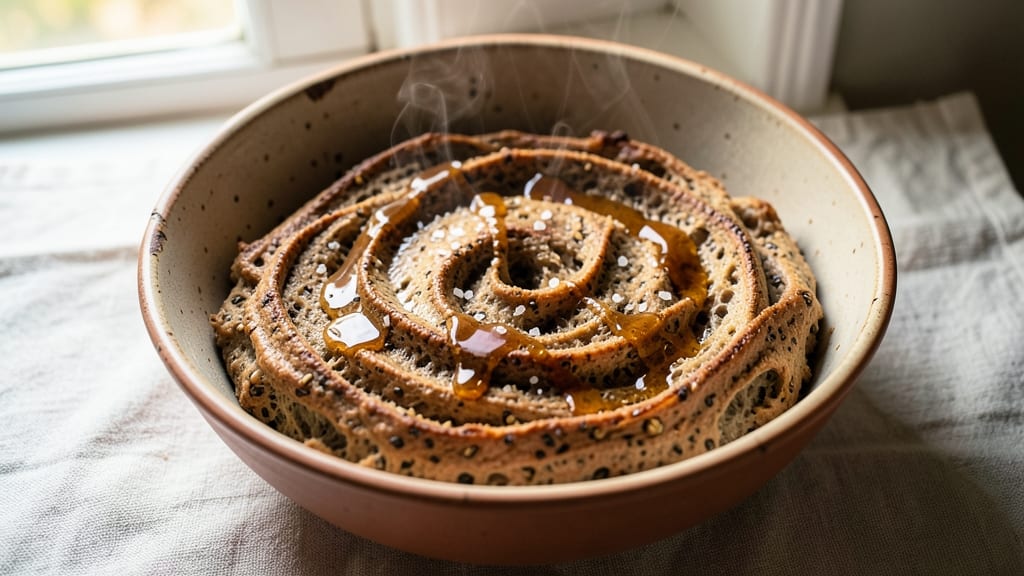
A 50/50 whole wheat sourdough bread recipe delivers the best of both worlds—nutty whole grain flavor with a light, airy crumb and crispy crust. This balanced approach transforms dense whole wheat loaves into something truly special, with an open crumb structure that's impossible to resist.
The secret lies in proper hydration and fermentation, which unlocks the bread's full potential without compromising texture.
This recipe assumes you have an active sourdough starter (or provides instructions if you're starting from scratch), using equal parts whole wheat flour and bread flour for optimal rise and structure.
The dough develops slowly during bulk fermentation, allowing flavors to meld and gluten to relax for that signature open crumb. Precision in timing and temperature ensures consistent results every time.
What you'll end up with is a loaf that's golden and crispy on the outside, with a tender yet open crumb inside—perfect for sandwiches, toast, or serving alongside soups.
The whole wheat adds subtle earthiness while maintaining the lightness of traditional sourdough. This is bread that earns its place as a centerpiece.
Whether you're a seasoned baker or new to sourdough, this recipe breaks down each critical step—from mixing to shaping to baking—with clear guidance. The result? A loaf that tastes like it came from an artisanal bakery, but with the satisfaction of making it yourself.
Let's get started with the foundational elements that make this bread truly exceptional.
Ingredients for 50 50 whole wheat sourdough bread
Equal parts whole wheat and bread flour create the perfect balance for a loaf that's nutty yet light.
| Ingredient | Amount | Notes |
|---|---|---|
| Active Sourdough Starter 🍞 | ¼ cup | 100% hydration, bubbly and active |
| Bread Flour 🌾 | 2 cups | High-protein for structure (King Arthur preferred) |
| Whole Wheat Flour 🌾 | 2 cups | Stone-ground for best flavor |
| Water 💧 | 2 ¾ cups | Filtered, room temperature |
| Salt 🧂 | 1 ½ tsp | Fine sea salt, Diamond Crystal preferred |
| Honey 🍯 | 1 tbsp | For autolyse and starter feeding |
| Olive Oil 🫒 | 1 tbsp | Extra-virgin for dough elasticity |
| Instant Yeast 🍞 | ¼ tsp | Optional for extra rise (omit for pure sourdough) |
| Cornmeal 🌽 | ¼ cup | For dusting baking surface |
| Rice Flour 🌾 | 2 tbsp | For steam generation in Dutch oven |
The flours are the heart of this recipe. King Arthur bread flour gives that signature open crumb, while stone-ground whole wheat from Bob's Red Mill adds depth. If you can't find stone-ground, regular whole wheat works (just expect slightly denser crumb). The sourdough starter needs to be active—look for bubbles and a domed top when you drop a spoonful in water. Feed it well 4-6 hours before using. For the bread flour, King Arthur or Caputo are the gold standards—high protein means better gluten development. Store your flours in airtight containers to prevent rancidity.
No instant yeast? No problem—this recipe works beautifully with just the sourdough starter. The honey is optional but helps kickstart fermentation if your starter is sluggish. For the olive oil, extra-virgin is non-negotiable—it adds that je ne sais quoi to the dough's elasticity. Running short on rice flour? Semolina works too for the Dutch oven trick. The salt matters—Diamond Crystal dissolves better than table salt, giving you more control over flavor. If you're baking in a cold kitchen, warm your water slightly (not hot) to help activate the starter faster. And that cornmeal? Don't skip it—it prevents the dough from sticking when you transfer it to the Dutch oven.
This dough is a patient one—it needs time to develop. Keep it covered at room temp for 8-12 hours during bulk fermentation, or overnight in the fridge for even better flavor. The longer it ferments, the more complex the taste. Once baked, let it cool completely on a wire rack before slicing—at least 2 hours. Store wrapped at room temp for 3-4 days, or freeze slices for up to 3 months. For that perfect crunch, reheat slices in a 350°F oven for 5-10 minutes before serving. The crust stays crispy for days if you're not a fan of stale bread.
Why You'll Love This Recipe
- No-Knead Magic: I swear by this recipe because it’s the only bread I make that doesn’t require me to wrestle dough or time a single knead. Just mix, rest, shape—done. The whole wheat gives it a hearty texture, but the sourdough starter does all the heavy lifting while I’m doing anything else.
- Nutty, Tangy Crunch: Honestly, the flavor combo is what hooked me. That toasty whole wheat warmth pairs with the bright tang of the starter—like a hug for your sandwich. The crust? Perfectly crisp without burning, and it doesn’t scream "health food" (even though it is).
- Meal Prep MVP: Between us, this bread is my lazy Sunday secret weapon. Bake a loaf, and I’ve got toast for breakfasts, sandwiches for lunches, and croutons for salads—all from one batch. It even freezes beautifully, so I pull a slice straight from the freezer for toast when I’m too tired to bake.
- Budget-Friendly Staple: I use this recipe weekly because it’s the most economical way to keep bread on the table. Whole wheat flour is cheaper than buying pre-made, and the starter lasts forever. Plus, a single loaf stretches across three meals—no wasted crust or soggy ends here.
Step-by-step instructions for 50/50 whole wheat sourdough bread
This method balances whole grain nutrition with perfect rise and texture—no shortcuts, just science-backed technique.
Mix the Autolyse for Optimal Gluten Development
In a large mixing bowl, combine the 2 cups bread flour and 2 cups whole wheat flour. Add the 2.75 cups water and 1 tbsp honey, then mix vigorously with a wooden spoon or dough whisk until no dry flour remains. The dough will look shaggy and sticky at this stage—that's normal.
Let the dough rest for 30 minutes while the flour absorbs the water. This autolyse step hydrates the gluten proteins, creating a more extensible dough that handles the whole wheat's higher protein content better. You'll notice the dough become slightly smoother and more cohesive during this time.
Develop the Dough with Starter and Salt
After the autolyse, add the 0.25 cup active sourdough starter, 1.5 tsp salt, and 1 tbsp olive oil to the dough. Using your hands, work the ingredients into the dough for 8-10 minutes, stretching and folding the dough from the center to the edges. This technique strengthens the gluten network while incorporating the starter and fat.
The dough should become smoother and more elastic as you work it. If it's too sticky to handle, wet your hands slightly with water to prevent sticking. The goal is to develop enough gluten to support the whole wheat's density while maintaining good oven spring. The dough will be tacky but manageable—this is perfect for our 50/50 blend.
Bulk Ferment for Maximum Flavor and Rise
Cover the bowl with a damp kitchen towel or plastic wrap and let the dough ferment at room temperature (75-78°F) for 4-6 hours, or until it has nearly doubled in size. During this time, perform 3 sets of stretch-and-folds—every 90 minutes—by wet your hands, grab one side of the dough, stretch it upward, and fold it over itself.
This bulk fermentation develops flavor through microbial activity while building the gluten structure. You'll see bubbles form on the surface and the dough become lighter in color. The whole wheat flour will give it a slightly darker hue than all-white dough, but that's exactly what we want. When the dough passes the "poke test" (press your finger gently into the dough—if it springs back slowly, it's ready), it's time to shape.
Shape and Proof for Open Crumb Structure
Lightly dust a clean surface with the 0.25 cup cornmeal. Turn the dough out and gently shape it into a loose round by pulling the edges toward the center. For a more rustic loaf, you can shape it into a batard or freeform shape. Place the dough seam-side up in a lightly greased bowl, cover, and let it proof at room temperature for 1-2 hours or until it has risen about 50%.
The whole wheat flour will make this dough slightly heavier, so handle it gently to avoid deflating the bubbles. The proofing time may vary based on your starter's activity and room temperature. Look for the dough to feel slightly domed and jiggly when gently shaken—this indicates it's ready for baking.
Bake with Steam for Maximum Crust Development
Preheat your Dutch oven with lid at 450°F for 45 minutes. Sprinkle 2 tbsp rice flour on the bottom of the Dutch oven to create steam. Carefully transfer the dough to the hot Dutch oven, sprinkle the top with additional rice flour, and cover immediately. Bake for 20 minutes covered, then remove the lid and bake for another 20-25 minutes until the crust is deep golden brown and sounds hollow when tapped on the bottom.
The rice flour creates steam during the initial baking phase, which helps develop that coveted open crumb structure. The whole wheat flour will give the crust a beautiful, rustic color and a slightly nutty flavor. The internal temperature should reach 205-210°F when done. Let the bread cool on a wire rack for at least 1 hour before slicing—this prevents a gummy crumb.
Pro Tips For Making 50 50 Whole Wheat Sourdough Bread
- STRETCH THE DOUGH: Whole wheat flour is stubborn—don’t rush the final stretch. Give it 10-15 minutes in the fridge between folds, and you’ll avoid tearing when shaping. I used to skip this, and my loaves would either collapse or look like a sad deflated balloon.
- WEIGH THE WHOLE WHEAT: That flour is denser than bread flour, and scooping it leads to inconsistent batches. Use a kitchen scale for both flours—even a 5-gram difference throws off hydration. Trust me, your starter will thank you for the even mix.
- STEAM THE OVEN: The crust on whole wheat sourdough can turn brick-hard if you skip this. Toss a metal bowl of boiling water on the oven rack before baking, then shut the door. The steam keeps the crumb tender while the crust browns properly—no sad, dry outsides here.
- SALT THE WATER: Yes, even the water. Sprinkle a pinch of salt (about 1/4 tsp per cup) directly into the mixing water. It dissolves faster than adding it later, and the whole wheat flour soaks it up better. I learned this after my first batch tasted unevenly seasoned—now it’s consistent every time.
Creative variations of these flavors
Nutty Seed Boost
Add ¼ cup sunflower seeds or pumpkin seeds to the dough during the final mix for extra crunch and nutrition. Toast the seeds in a dry pan for 3-5 minutes until fragrant, then sprinkle them over the shaped loaf before baking.
The seeds will bake into a crispy topping that contrasts beautifully with the soft crumb inside. 🌿
Herb-Infused Twist
Mix 1 tbsp dried rosemary or 1 tbsp fresh thyme leaves into the dough during the autolyse stage. For a Mediterranean flair, try 1 tsp dried oregano with ½ tsp red pepper flakes.
These herbs pair perfectly with the whole wheat's earthiness and add aromatic depth. Store herbs in airtight containers to preserve freshness.
Sweet Swirl Option
Create a sweet variation by adding ¼ cup honey or maple syrup to the dough along with the starter. For a cinnamon swirl, roll out the dough into a rectangle, sprinkle 1 tbsp cinnamon and 2 tbsp brown sugar evenly, then roll tightly and shape into a loaf.
This works especially well for breakfast sandwiches or French toast. 🍯
Savory Add-Ins
Boost umami by incorporating 1 tbsp nutritional yeast into the dough during mixing. For a cheesy version, add ½ cup shredded sharp cheddar or feta crumbles to the shaped loaf before baking. The cheese will melt slightly, creating pockets of flavor throughout the crumb. Use block cheese for best results.
Whole Grain Mix-Ins
Replace ½ cup of the whole wheat flour with ½ cup rolled oats or spelt flour for a different texture. For extra fiber, add ¼ cup ground flaxseed to the dough.
These alternatives maintain the whole grain benefits while offering subtle flavor variations. Store mix-ins in the freezer for long-term freshness.
Regional Adaptations
For a Mediterranean touch, add 1 tsp dried za'atar and ½ tsp sumac to the dough. In Scandinavian style, incorporate 1 tbsp ground cardamom and a pinch of allspice. These regional spices complement the whole wheat while adding cultural authenticity. Adjust quantities based on your spice tolerance. 🌍
Nutrition facts
Frequently asked questions
Why does my 50/50 whole wheat sourdough come out dense instead of light?
Whole wheat flour absorbs more water and has less gluten than bread flour, which can make the crumb denser. To fix this, ensure your starter is 100% active (bubbly and domed) and perform all 3 stretch-and-folds during bulk fermentation. Also, don't skip the autolyse—it helps develop gluten before adding salt and starter. If the dough feels too stiff, add 1 tbsp water at a time until it's just manageable.
Can I substitute all-purpose flour for bread flour in this recipe?
Yes, but expect a slightly less open crumb since all-purpose has lower protein content. Replace the 2 cups bread flour with 2 cups all-purpose flour, but increase the water by 1-2 tbsp to compensate for the lower absorption. The flavor will still be excellent, though the texture may be a bit tighter. For best results, use King Arthur all-purpose flour if possible.
How do I know when my sourdough starter is ready to use?
Your starter should be bubbly, domed, and pass the float test: drop a spoonful in water—if it floats, it's ready. For this recipe, feed your starter 12-24 hours before baking (mix equal parts starter, flour, and water, then let it ferment at room temperature). A strong starter with 50-75% hydration works best for this dough's structure. If your starter smells sour or has a grayish hue, feed it again to refresh it.
What's the best way to store leftover whole wheat sourdough?
Wrap the cooled loaf tightly in plastic wrap or place it in an airtight container to prevent drying. Store at room temperature for 3-4 days, or freeze slices for up to 3 months. To revive stale bread, warm slices in a 350°F oven for 5-10 minutes or toast them until crispy. Whole wheat bread stays fresh longer than white bread due to its natural oils, but it's best enjoyed fresh.
Can I bake this bread without a Dutch oven?
Yes, but you'll need to create steam another way. Place a metal bowl filled with boiling water on the oven rack below the baking sheet. Bake the loaf on a preheated baking stone or steel at 450°F, spraying it with water every 5 minutes for the first 10 minutes to mimic steam. The crust may not be as crispy, but the crumb will still be open. For even results, use a commercial baking steel if possible.