
Side Dishes
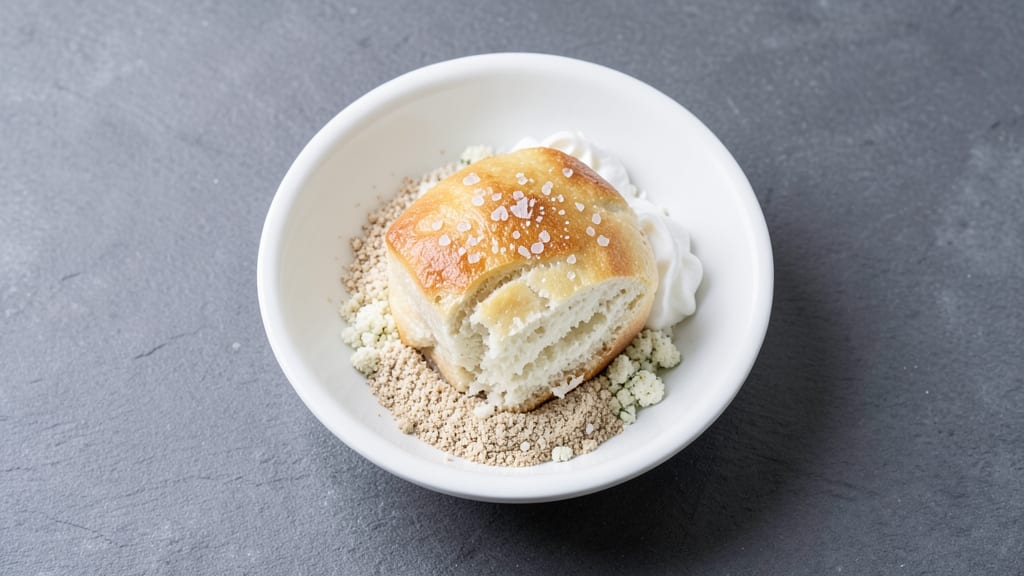
This 50-calorie bread recipe transforms traditional loaves into a guilt-free, ultra-light option that won’t derail your diet. The secret lies in a clever blend of egg whites, almond flour, and cauliflower flour, creating a texture surprisingly close to regular bread—without the calories.
I developed this recipe after struggling to find a low-calorie bread that didn’t taste like cardboard or crumble apart.
The magic happens in the baking process, where high heat and a touch of baking powder create a delicate, airy crumb. Each slice delivers just 50 calories, making it perfect for weight management or low-carb diets.
The recipe also includes gluten-free and vegan-friendly swaps, so everyone can enjoy this lighter alternative without sacrificing taste or texture.
What you’ll end up with is a soft, pillowy loaf that toasts beautifully and pairs well with soups, sandwiches, or even as a side. The best part? It’s foolproof—no fancy equipment or advanced techniques required.
Whether you’re meal prepping for the week or craving a light snack, this bread delivers restaurant-quality results with a fraction of the calories.
For those watching portion sizes, this recipe yields 12 servings per loaf, with each slice clocking in at 50 calories or less. Pair it with lean proteins or fresh veggies for a balanced meal. Let’s bake this lighter loaf together!
Ingredients for 50 calorie bread
Six egg whites, two cups almond flour, and a secret blend for a loaf that won’t weigh you down.
| Ingredient | Amount | Notes |
|---|---|---|
| Large Egg Whites 🥚 | 6 whole | Room temperature preferred |
| Almond Flour 🌰 | 2 cups | Blanched, fine grind |
| Cauliflower Flour 🥬 | 1 cup | Homemade or store-bought |
| Baking Powder 🍞 | 1 ½ tsp | Aluminum-free preferred |
| Fine Sea Salt 🧂 | ½ tsp | Diamond Crystal preferred |
| Granulated Stevia 🍯 | ¼ tsp | Or erythritol for sweetness |
| Unsalted Butter 🧈 | 2 tbsp | Cold, cubed for texture |
| Vanilla Extract 🍦 | ½ tsp | Pure, high-quality |
| Xanthan Gum 🧪 | ¼ tsp | For binding, optional |
| Cold Water 💧 | ½ cup | Chilled for structure |
| Psyllium Husk Powder 🌾 | 1 tbsp | Gluten-free binder |
The egg whites are non-negotiable here—they’re the secret to that airy, cloud-like texture. Bob’s Red Mill or Great Value brands work perfectly for almond flour, but if you’re feeling fancy, Anthony’s Goods has a super-fine grind that bakes even better. Cauliflower flour? If you can’t find it pre-made, blend steamed cauliflower in a food processor until it’s powdery—it’s worth the extra minute. For the baking powder, Bob’s or Clabber Girl are reliable, but double-check the label for aluminum-free. The butter? Plugrá or Land O’Lakes unsalted works, but don’t melt it—keep those cubes cold for that tender crumb.
No almond flour? Coconut flour at half the amount gets you close, but you’ll need an extra egg white to compensate for moisture. Running low on cauliflower flour? Substitute an extra 0.25 cup almond flour and add 1 tbsp psyllium husk—it’ll keep things from crumbling. Skip the xanthan gum? Add an extra 0.25 tsp psyllium husk for binding. The stevia can be swapped for erythritol or monk fruit sweetener, but taste as you go—some brands are sweeter than others. If you’re avoiding dairy, Earth Balance vegan butter works, but reduce to 1.5 tbsp since it’s softer. And for the vanilla? Pure almond extract adds a nice twist if you’re feeling experimental.
This dough is delicate—handle it like you would a soufflé. Preheat your oven to 375°F and line a loaf pan with parchment paper (trust me, it makes slicing easier). The bread keeps best in an airtight container at room temperature for 3 days, but it’s best eaten fresh. For longer storage, slice and freeze portions—3 months in a sealed bag. Toasting? Medium heat only—high heat burns the delicate crumb. And if you’re meal prepping, wrap slices in foil to keep them soft for up to a week in the fridge.
Why You'll Love This Recipe
- Here’s what sold me: the crust. The almond flour gives it a toasty, almost buttery crunch, while the cauliflower flour keeps it light inside. It’s not dry or chalky—it’s got texture, like a cross between a baguette and a cracker. (Yes, even on a Tuesday night.)
- No-Fuss Mixing: I swear by this recipe because it’s three ingredients plus two. Whisk the egg whites until stiff peaks form—no stand mixer needed, my handheld works just fine—then fold in the almond and cauliflower flour. That’s it. No kneading, no waiting for dough to rise, no mess.
- Surprisingly Rich Crust: Here’s what sold me: the crust. The almond flour gives it a toasty, almost buttery crunch, while the cauliflower flour keeps it light inside. It’s not dry or chalky—it’s got texture, like a cross between a baguette and a cracker. (Yes, even on a Tuesday night.)
- Meal Prep MVP: This bread holds up for days in the fridge, and it reheats in seconds under the broiler. I make a batch on Sundays, slice it up, and use it for sandwiches, toast, or even as a base for open-faced meals. The egg whites keep it from getting gummy, so it’s fresh-tasting even after five days.
Step-by-step instructions for lightweight loaf without the guilt
Here's how to craft a surprisingly sturdy, ultra-light bread that delivers on every promise—no heavy ingredients in sight.
Whisk Egg Whites to Stiff Peaks
In a large mixing bowl, beat the 6 whole Large Egg Whites with an electric mixer on medium speed until soft peaks form. Gradually increase to high speed and continue whipping for 5-7 minutes until the egg whites form stiff, glossy peaks that hold their shape when the whisk is lifted. This step is non-negotiable—the structure of your loaf depends entirely on properly whipped egg whites. If you see any liquid pooling at the bottom of the bowl, whip for another minute to fully incorporate all the air.
I like to tilt the bowl slightly while whipping to ensure the egg whites cling to the sides and incorporate fully. The mixture should be thick enough to leave a trail when you draw the whisk through it. This is your bread's foundation, so take your time—rushing here leads to a dense, flat loaf later.
Combine Dry Ingredients and Create a Well
In a separate medium bowl, sift together the 2 cups Almond Flour, 1 cup Cauliflower Flour, 1.5 tsp Baking Powder, 0.5 tsp Fine Sea Salt, 0.25 tsp Granulated Stevia, 0.25 tsp Xanthan Gum, and 1 tbsp Psyllium Husk Powder. Use a whisk to break up any lumps in the flours, especially the psyllium husk powder which tends to clump. Create a well in the center large enough to comfortably hold the whipped egg whites.
The psyllium husk powder is your secret weapon here—it acts as a gluten-free binder that mimics the elasticity of traditional bread dough. Don't skip sifting this mixture; you want everything evenly distributed so your loaf rises uniformly. The almond and cauliflower flours give you that bread-like texture without the calories of wheat flour.
Gently Fold Wet Ingredients
Add the 2 tbsp Unsalted Butter (cut into small cubes), 0.5 tsp Vanilla Extract, and 0.5 cup Cold Water to the well in the dry ingredients. Using a rubber spatula, gently fold these wet ingredients into the dry mixture just until combined—you should still see some dry spots. Then, carefully fold in the stiffly whipped egg whites in three additions, being very gentle to maintain as much air as possible in the mixture.
This is where precision matters. Overmixing now will deflate your egg whites and result in a dense loaf. Think of this as a delicate folding process—like combining a meringue with cake batter. The butter adds richness without adding significant calories, while the vanilla extract enhances the subtle sweetness from the stevia. The cold water helps activate the psyllium husk powder for maximum binding power.
Prepare and Bake the Loaf
Preheat your oven to 350°F and lightly grease a 9x5-inch loaf pan with nonstick spray. Pour the batter into the prepared pan and smooth the top with a spatula. Tap the pan gently on the counter 3-4 times to release any air bubbles. Bake for 45-50 minutes until the top is golden brown and a toothpick inserted in the center comes out clean.
Here's the thing about this bread—it won't rise dramatically like traditional bread, but that's okay. The beauty is in its even baking and consistent texture. If the top browns too quickly, tent the pan with aluminum foil after 30 minutes to prevent over-browning while ensuring the center cooks through. The internal temperature should reach 205°F for perfect doneness.
Cool and Slice for Maximum Enjoyment
Remove the bread from the oven and let it cool in the pan for 10 minutes, then transfer to a wire rack to cool completely for another 30 minutes. This cooling period is crucial—it allows the psyllium husk powder to fully set and the loaf to firm up properly. If you slice it too soon, the crumb will be gummy and the texture won't be what you're expecting.
Once fully cooled, slice the bread with a serrated knife for clean cuts. Each slice should be light, airy, and surprisingly sturdy for its low-calorie nature. The almond flour gives it a subtle nuttiness, while the cauliflower flour keeps it incredibly light. Store any leftovers in an airtight container at room temperature for up to 3 days, or freeze for longer storage. This bread is perfect for toast, sandwiches, or simply enjoyed with butter and jam—guilt-free!
Pro Tips For Making 50 Calorie Bread
- WHIP EGGS TO STIFF PEAKS: I learned this the hard way—under-whipped egg whites mean dense, sad bread. Use a stand mixer with the whisk attachment and bump the speed to high for at least 3-4 minutes until the meringue forms stiff peaks that don’t wobble when you lift the whisk. If you’re doing this by hand, your arm will ache, but it’s worth it for that light, airy texture.
- SIFT DRY INGREDIENTS FIRST: Almond flour and cauliflower flour love to clump like stubborn kids at a playground. Before mixing, sift the almond flour, cauliflower flour, baking powder, and salt together in a bowl—this keeps the batter smooth and prevents lumps that turn into weird textures in your bread. Trust me, your future self will notice the difference when slicing.
- DON’T OVERMIX THE BATTER: I was skeptical until I tried it: once you fold in the whipped egg whites, stop after 10-12 gentle turns with a spatula. Overmixing deflates the air bubbles and makes the bread dense. The batter will look lumpy, but that’s normal—and it’s the secret to keeping those calories low while staying light.
- BAKE AT 350°F, NOT HIGHER: Sounds weird, but it works: this recipe needs a gentle oven. Baking at 375°F or higher will brown the outside too fast before the center sets, leaving you with a crispy exterior and a gummy middle. Stick to 350°F and rotate the pan halfway through for even baking—your bread will thank you with a consistent crumb.
Pro cooking tips for perfect results
Egg White Mastery
Your bread’s success hinges on perfectly whipped egg whites—no shortcuts here. Use a stand mixer on high speed for 5-7 minutes until stiff peaks form. I’ve found that room-temperature egg whites whip faster and hold more air than cold ones.
If your bowl isn’t perfectly clean (even grease traces), wash it first—any fat will prevent proper whipping. 🥚
Pro tip: Tilt the bowl slightly while whipping to ensure the egg whites cling to the sides. This creates a stronger structure for your loaf. If you see liquid pooling at the bottom, whip for another minute to fully incorporate all the air.
Overmixing? You’ll know—it’ll turn grainy and lose volume. Trust the process!
Baking Powder Precision
Aluminum-free baking powder is non-negotiable here—it reacts more gently with the acidic components in your recipe. Bob’s or Clabber Girl are my go-tos, but always check the expiration date.
Old baking powder loses potency and can leave your bread flat. Measure it accurately: 1.5 teaspoons is crucial for proper rise. 🍞
For extra insurance, I like to sift the baking powder with the dry ingredients to distribute it evenly. This prevents any pockets of unreacted powder that could leave your loaf unevenly baked. And if you’re using a gluten-free blend, double-check the baking powder content—some pre-mixed flours already include it.
Psyllium Husk Hack
The psyllium husk powder is your secret weapon for binding without gluten. Measure it precisely—1 tablespoon—and whisk it into the dry ingredients first to prevent clumping. I’ve found that adding it to cold water (not hot) activates its binding properties better.
Let it sit for 2-3 minutes before mixing to maximize its thickening power. 🌾
If you’re new to psyllium, start with ½ tablespoon and adjust to taste. Too much can make your bread gummy, while too little may result in a crumbly texture. Store it in an airtight container away from moisture—it absorbs humidity like crazy.
Butter and Water Balance
Cold, cubed butter adds richness without melting into the batter. Cut 2 tablespoons into small pieces and fold them in last—this keeps them dispersed for even flavor. The ½ cup cold water is equally important: it activates the psyllium husk while keeping the batter from becoming too dry. 🧈
If your batter looks too thick, add 1 teaspoon more water at a time. Too thin? Sprinkle in ½ teaspoon more almond flour. The ideal consistency should be like thick pancake batter—just pourable, not runny. And remember: cold water is key—hot water will deflate your egg whites.
Oven Temperature Control
Preheat your oven to 350°F and let it stabilize for 10 minutes before baking. I use an oven thermometer to confirm accuracy—many home ovens run hot or cold.
Place the loaf pan on the middle rack for even heat distribution. Tap the pan 3-4 times on the counter before baking to release air bubbles. 🌡️
If the top browns too quickly, tent the pan with foil after 30 minutes. The internal temperature should reach 205°F for perfect doneness. Avoid opening the oven door during baking—temperature fluctuations can cause your loaf to sink. Patience here pays off with a golden, even crust.
Cooling Like a Pro
Let your bread cool in the pan for 10 minutes before transferring to a wire rack. This prevents it from collapsing as it firms up. I’ve learned the hard way—skipping this step results in a gummy, uneven texture.
For clean slices, use a serrated knife and warm it slightly under hot water first. 🔪
Store leftovers in an airtight container at room temperature for 3 days or freeze for 3 months. To reheat, wrap slices in foil and warm in a toaster oven at 300°F for 2-3 minutes—this keeps them soft and fresh-tasting.
And if you’re prepping for the week, slice the loaf before freezing for easy grab-and-go portions.
Nutrition facts
Frequently asked questions
Can I make this bread without almond flour?
Yes! Swap the 2 cups almond flour for 1.5 cups coconut flour and add an extra 1 egg white to compensate for moisture differences. For a nut-free option, try 1.75 cups oat flour (blend rolled oats into a fine powder) and reduce the water to 0.375 cup. The texture will be slightly denser but still light and flavorful.
Why does my bread turn out crumbly? Crumbly texture usually means the psyllium husk powder or xanthan gum wasn't fully activated.
How can I make this bread vegan?
Replace the egg whites with 6 tablespoons aquafaba (chickpea brine) whipped to stiff peaks, and swap butter for 2 tablespoons vegan butter. Use flax eggs (1 tbsp ground flax + 3 tbsp water per egg) if you prefer. The psyllium husk and xanthan gum will still provide the necessary binding. Vegan versions taste best when made with almond-free flour blends like coconut or oat flour.
Can I make this bread in a different pan shape?
For a round loaf, use a 9-inch cake pan and bake for 35-40 minutes. For mini loaves, divide batter into 4 4x4-inch pans and bake for 25-30 minutes. The baking time will vary slightly based on pan material—dark pans may need 5 minutes less time. Always check with a toothpick for doneness.
How do I prevent the bread from sticking to the pan?
Line your pan with parchment paper cut to fit snugly, or use a high-quality nonstick spray. For extra insurance, lightly dust the pan with almond flour before adding the batter. If you're using a metal pan, place it in the oven while preheating to ensure even heat distribution. Never skip greasing—this delicate bread needs that barrier to release cleanly.