
Side Dishes
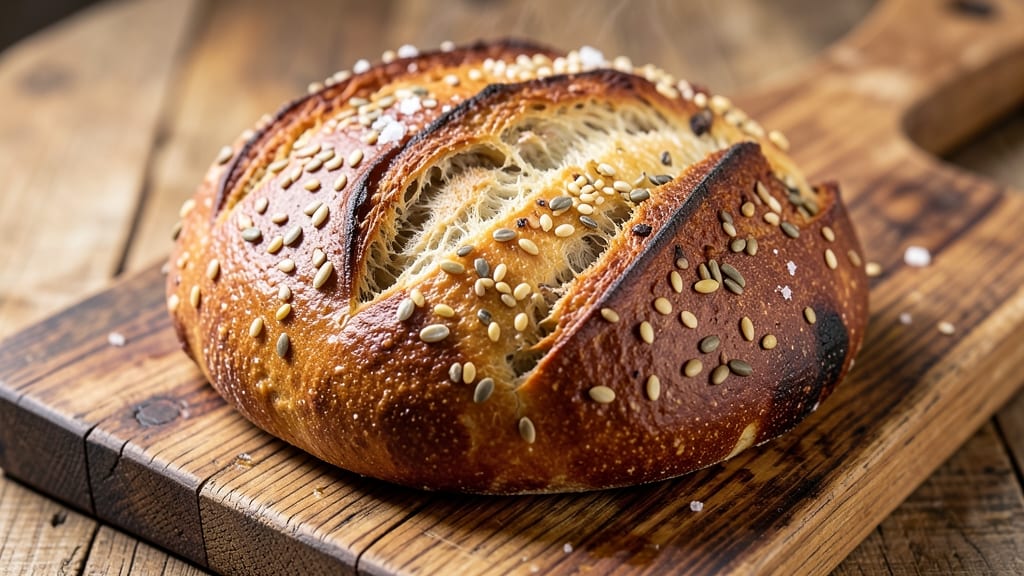
This 6-grain bread recipe delivers a nutty, seeded crust with a hearty, satisfying texture inside—perfect for sandwiches, toast, or serving warm with soups. 🌾 The blend of whole grains creates a robust flavor and impressive texture, transforming your kitchen into a rustic bakery with minimal effort.
Unlike store-bought loaves, this recipe uses a mix of flours and seeds for depth and nutrition, ensuring every slice is packed with flavor and substance.
The beauty of this recipe lies in its simplicity: just six key ingredients (including yeast, whole wheat flour, and a mix of seeds) come together to create a loaf that’s both rustic and refined.
The kneading process is straightforward, and the proofing time allows the dough to develop its signature texture—crisp on the outside, tender yet sturdy within. Whether you're a beginner or an experienced baker, this method ensures consistent results every time.
What sets this bread apart is its versatility—slice it for sandwiches, toast it for breakfast, or serve it warm with butter and jam. The nutty crust and hearty interior make it ideal for any meal, while the seeds add a satisfying crunch.
Baking at 350°F for 30–40 minutes guarantees a golden-brown finish with a satisfying oven spring, giving you a loaf that’s as impressive as it is delicious.
For even better results, consider adding a steam tray to the oven to enhance browning and texture. This bread keeps well for days, making it perfect for meal prep or gifting. Let’s get started on creating your own artisanal loaf at home!
Ingredients for 6 grain bread
Six wholesome grains and simple pantry staples create a rustic loaf with nutty crust and hearty interior.
| Ingredient | Amount | Notes |
|---|---|---|
| Active Dry Yeast 🍞 | ¼ oz | Or 2.5g, dissolved in warm water |
| Whole Wheat Flour 🌾 | 2 cups | Unbleached preferred for nutty flavor |
| All-Purpose Flour 🌾 | 1 cup | Standard white flour for structure |
| Sunflower Seeds 🌻 | ½ cup | Raw, unsalted for crunch |
| Flaxseeds 🌾 | ¼ cup | Whole, for omega-3 richness |
| Sesame Seeds 🌿 | ¼ cup | Toasted for enhanced flavor |
| Pumpkin Seeds 🎃 | ¼ cup | Raw, for nutty depth |
| Honey 🍯 | 2 tbsp | Wildflower preferred for complexity |
| Salt 🧂 | 1 ½ tsp | Diamond Crystal preferred |
| Olive Oil 🫒 | 2 tbsp | Extra-virgin for richness |
| Warm Water 💧 | 1 ¼ cups | 110°F for yeast activation |
The seeds make all the difference here—Bob's Red Mill or Trader Joe's carry pre-mixed seed blends, but buying individual bags lets you customize. Look for raw, unsalted seeds to avoid flavor interference. Toasting sesame seeds in a dry pan for 2 minutes before mixing adds a subtle nuttiness that elevates the whole loaf. Whole wheat flour should be unbleached for that authentic rustic flavor—bleached versions can taste slightly bitter. For yeast, Saf-Instant is my go-to as it doesn't require proofing time, but active dry works perfectly if you're willing to wait the extra 5 minutes.
No sunflower seeds? Pepitas or walnuts work beautifully—just toast them first for that same satisfying crunch. Substituting flaxseeds with chia seeds at equal measure maintains the omega-3 benefits. Running short on honey? Maple syrup or agave in the same amount keeps the dough moist without altering flavor dramatically. The olive oil can be swapped for avocado oil if you prefer a neutral taste, though extra-virgin adds that lovely fruity note. For a lighter texture, replace 0.5 cup of whole wheat flour with white whole wheat flour—it's less dense but still packed with nutrients.
This dough keeps well in the fridge for 3 days wrapped tightly in plastic—perfect for meal prep. For longer storage, freeze the shaped loaf (unbaked) for up to 3 months); thaw overnight in the fridge before baking. Once baked, store at room temperature in a bread bag for up to 5 days. The crust stays crisp for about 2 days, but the interior remains fresh for toasting. Slice with a serrated knife for clean cuts—this bread is dense enough that a regular blade will gum up.
Why You'll Love This Recipe
- No-Knead Magic: I swear by this—just mix the whole wheat and all-purpose flours with the yeast, a splash of warm water, and those crunchy sunflower and flaxseeds. No stand mixer, no fuss, and the dough comes together faster than my coffee brews.
- Nutty Crunch Delight: Between us, the sunflower and flaxseeds are the MVP here. They add this unexpected texture that’s chef’s kiss—toast it, and you’ve got a bread that feels fancy without trying. Honestly, my kids fight over the last slice.
- Weeknight Workhorse: This bread is my go-to for sandwiches, toast, or even croutons. It keeps well for days, so I bake a loaf on Sundays and forget about it—until someone inevitably says, "Wait, there’s more bread?" (Yes, even on a Tuesday night.)
- Budget-Friendly Staple: Whole wheat flour and seeds stretch my grocery budget further than I expected. A single batch feeds my family for days, and the leftovers? Perfect for French toast or breadcrumbs. Not the prettiest, but the taste makes up for it every time.
Step-by-step instructions for 6 grain bread
Transform simple ingredients into a hearty, nutty loaf with this foolproof method.
👨🍳 Step 1: Activate the Yeast with Honey and Warm Water
In a small bowl, combine the 0.25 oz active dry yeast with 1.25 cups warm water (about 110°F) and 2 tbsp honey. Stir gently and let sit for 5-10 minutes until frothy. This step ensures your yeast is alive and ready to work—you'll see bubbles forming as it activates.
If the mixture doesn't bubble after 10 minutes, your yeast is likely inactive. Start fresh with new yeast—this is the foundation of your bread. The honey not only feeds the yeast but also adds subtle sweetness that balances the earthy grains.
👨🍳 Step 2: Mix the Dough with Flours and Seeds
In a large mixing bowl, whisk together the 2 cups whole wheat flour, 1 cup all-purpose flour, 1.5 tsp salt, 0.5 cup sunflower seeds, 0.25 cup flaxseeds, 0.25 cup sesame seeds, and 0.25 cup pumpkin seeds. The seeds add texture and nutrition, but they also need to be evenly distributed throughout the dough.
Make a well in the center and pour in the yeast mixture along with the 2 tbsp olive oil. Using a wooden spoon or dough whisk, gradually incorporate the dry ingredients into the wet until a shaggy dough forms. The olive oil adds richness and helps create a tender crumb—don't skip this step, even though it might seem like too much fat at first.
🍳 Step 3: Knead Until Smooth and Elastic
Turn the dough onto a lightly floured surface and knead for 8-10 minutes until smooth and elastic. You'll know it's ready when it springs back slowly when poked. The whole wheat flour makes this dough denser than white flour bread, so it won't be as light, but it will develop a satisfying chew.
If the dough feels too sticky, add flour 1 tablespoon at a time until it's manageable. Over-kneading can make the bread tough, so stop as soon as it passes the windowpane test. The seeds will give your bread a beautiful, speckled appearance and a satisfying crunch with each bite.
⏰ Step 4: First Rise Until Doubled in Size
Lightly grease a large bowl with olive oil, place the dough inside, and cover with a damp kitchen towel. Let it rise in a warm place for 1-2 hours or until doubled in size. The warm environment helps the yeast work faster—place the bowl near a turned-off oven with the light on, or in a warm spot in your kitchen.
Don't rush this step. The dough needs time to develop flavor and structure. You'll see it puff up noticeably and feel light when pressed gently with a fingertip. The seeds will become more pronounced as the dough expands, giving you a preview of the beautiful texture your bread will have.
🔥 Step 5: Shape, Proof, and Bake to Golden Perfection
Punch down the dough to release air, then shape it into a loaf by folding the sides toward the center and sealing the seam. Place it seam-side down in a greased 9x5-inch loaf pan and let it rise again for 30-45 minutes until it domes slightly above the pan.
Preheat your oven to 375°F and bake the bread for 40-45 minutes until the top is golden brown and sounds hollow when tapped on the bottom. The seeds will toast beautifully, adding depth of flavor and a delightful crunch. For extra shine, brush the top with a little water before baking if desired.
Pro Tips For Making 6 Grain Bread
- Mix the Seeds First: Toast the sunflower and flaxseeds in a dry pan for 2-3 minutes before adding them to the dough—this prevents them from turning rancid during baking and adds a nutty depth. (Yes, it smells amazing, but don’t burn them or you’ll regret it.)
- Test the Yeast Twice: Sprinkle the active dry yeast into warm water with a pinch of sugar first—if it doesn’t foam within 5-10 minutes, toss it and start fresh. Whole wheat flour is a yeast killer, so this step guarantees your bread rises right. (I’ve wasted dough over this, and you don’t want that.)
- Knead Less, Stretch More: Skip the long kneading session—this dough is dense with whole grains. Instead, do 3-4 sets of 30-second stretches and folds during the first rise. It’s less work, and the texture stays tender. (Your arms will thank you.)
- Steam the Loaf: Place a metal bowl of boiling water in the oven for 5 minutes before baking, then slide your shaped loaf in. The steam keeps the crust from drying out too fast, especially with all that whole wheat absorbing moisture. (No weird hack—just physics.)
Pro cooking tips for 6 grain bread
Dough Temperature
Your dough should feel slightly warm but not hot to the touch—around 75-80°F—when ready for shaping. Use a kitchen thermometer to check: if it's too cold (70°F), let it sit for 10 minutes to activate the yeast fully.
If too warm (>85°F), chill for 20 minutes in the fridge to prevent overproofing. I always test by pressing my finger gently—it should leave a slight indentation without sticking. 🌡️
Seed Distribution
For even seed distribution, pulse the seeds in a food processor for 10-15 seconds before mixing into the flour. This breaks them into smaller clusters without grinding completely. Sprinkle them over the flour in the bowl and whisk vigorously to distribute evenly.
Uneven seeds create pockets of crunch—like biting into a sunflower seed sandwich instead of a balanced bite. I find using a Vitamix for this step makes all the difference. 🌻
Proofing Tricks
Create a proofing haven by placing a shallow pan of boiling water in the oven, then turning it off with the light on. This humid environment helps the dough rise faster and develop better oven spring.
For cold kitchens, place the dough bowl on top of a coffee maker (the heat from the machine works wonders). A properly proofed loaf will spring back slowly when poked—press gently with your fingertip and watch it bounce back. 💫
Oven Spring Secret
For that perfect crust, place your loaf pan on the middle rack in a cold oven, then preheat to 375°F immediately. This rapid heat transfer creates steam inside the pan, promoting maximum rise.
For extra shine, brush the top with 1 teaspoon water right before baking. The seeds will toast beautifully, adding depth of flavor and a delightful crunch. 🔥
Crust Control
To prevent a tough crust, cover the loaf with a damp towel for the first 15 minutes of baking. This keeps it moist while still allowing browning. For a darker crust, increase oven temp to 400°F for the last 5 minutes.
I love using a digital thermometer to monitor internal temp—it should reach 190-200°F for perfect doneness. 🌾
Storage Hacks
Wrap cooled bread in beeswax food wrap instead of plastic to maintain freshness for up to 5 days. For longer storage, slice and freeze individual portions on a tray, then transfer to a ziplock bag.
Toast directly from frozen—no thawing needed! The seeds stay crisp even after freezing, making this bread perfect for quick breakfasts. ❄️
Nutrition facts
Frequently asked questions
Can I substitute any of the seeds in this recipe?
The seeds are interchangeable based on what you have. Swap sunflower seeds for pepitas or chopped walnuts, and replace flaxseeds with chia seeds (use equal amounts). Sesame seeds can be omitted if you prefer a less toasted flavor, but they add wonderful crunch. Just toast any nuts/seeds first for enhanced flavor.
Why does my 6-grain dough feel too sticky?
Whole wheat flour absorbs more moisture than all-purpose flour, making the dough stickier. Add flour 1 tablespoon at a time until it's manageable, but don't overdo it—this can make the bread dense. If the dough is still too wet after adding flour, try chilling it for 20 minutes before kneading again.
How do I know when the bread is fully baked?
Your bread is done when it reaches an internal temperature of 190-200°F and sounds hollow when tapped on the bottom. The crust should be golden brown, and the seeds should be toasted but not burnt. For extra certainty, insert a toothpick—it should come out clean or with just a few crumbs.
Can I make this bread without a loaf pan?
Yes! Shape the dough into a round or oval loaf and place it on a parchment-lined baking sheet. For better rise, place a baking tray filled with boiling water in the oven before baking. Brush the top with water for a crispier crust. Bake for 35-40 minutes at 375°F, rotating halfway through for even browning.
What's the best way to reheat sliced 6-grain bread?
For maximum crispiness, toast slices in a toaster or toaster oven until golden. If you prefer softer bread, wrap slices in a damp paper towel and microwave for 10-15 seconds. For a restaurant-style experience, bake slices at 350°F for 5 minutes on a baking sheet.