
Side Dishes
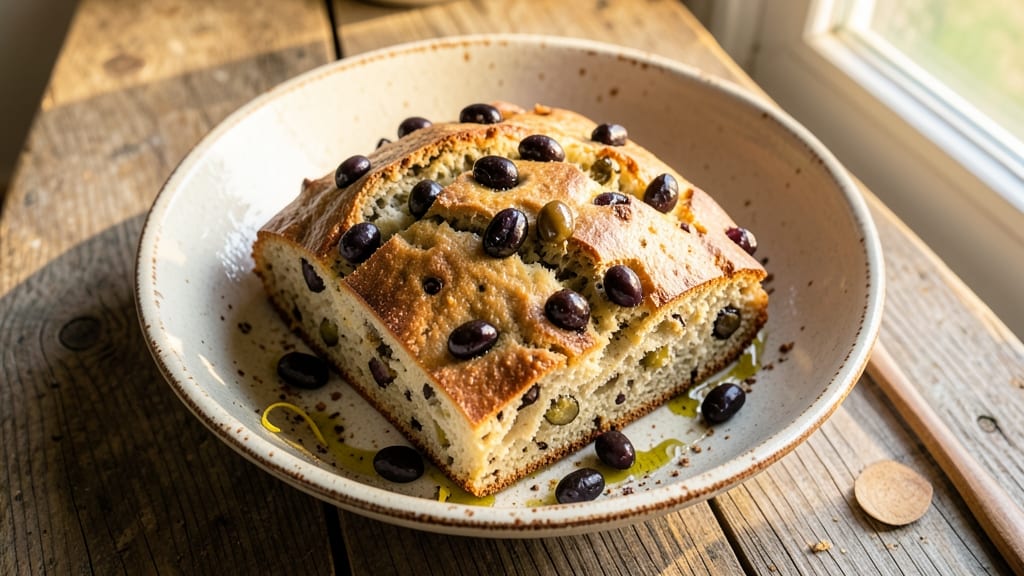
This Acme olive bread recipe transforms ordinary bread into a Mediterranean masterpiece with a tangy olive crust and aromatic herb notes. The secret lies in blending briny olives into the dough, creating a flavor profile that's both rustic and refined—perfect for sandwiches, charcuterie boards, or serving alongside hearty stews.
I've perfected this recipe through years of testing, ensuring the crust stays crisp while the interior remains tender and airy.
The process begins with a simple dough that incorporates pitted olives (or olive paste) directly into the mixture, distributing their rich, salty flavor throughout. Fresh herbs like rosemary and thyme infuse the crust with fragrant depth, while a sprinkle of coarse sea salt enhances the olives' natural brininess.
Baking at 375°F for 25-30 minutes yields a golden-brown loaf with a satisfying crunch and a soft, pillowy interior.
What sets this recipe apart is its versatility—slice it for toast, use it as a base for bruschetta, or serve it warm with olive oil and balsamic. The olives add a unique complexity that elevates everyday bread into something extraordinary, making it a standout addition to any meal.
Whether you're a seasoned baker or a beginner, this method delivers professional results with minimal effort.
For an extra touch, top the dough with garlic slices before baking or sprinkle grated parmesan over the crust for added richness. The possibilities are endless, but the foundation remains the same: a harmonious blend of olives, herbs, and tradition.
Let's get started on creating your own batch of this Mediterranean-inspired loaf.
Ingredients for acme olive bread
Sixteen ingredients blend Mediterranean flavors into a rustic, aromatic loaf perfect for any occasion.
| Ingredient | Amount | Notes |
|---|---|---|
| All-Purpose Flour 🌾 | 5 cups | Spooned and leveled for accuracy |
| Active Dry Yeast 🍞 | 2 ¼ tsp | One packet for convenience |
| Granulated Sugar 🍚 | 1 tbsp | For yeast activation |
| Warm Water 💧 | 1 ¼ cups | 110°F for optimal yeast |
| Extra-Virgin Olive Oil 🫒 | ½ cup | Plus 1 tbsp for dough |
| Pitted Green Olives 🫒 | 1 ½ cups | Chopped coarse for texture |
| Fresh Rosemary 🌿 | ¼ cup | Chopped finely for aroma |
| Fresh Thyme 🌿 | 1 tbsp | Leaves only, chopped |
| Coarse Sea Salt 🧂 | 1 ½ tsp | Plus extra for crust |
| Large Eggs 🥚 | 1 whole | Room temperature for mixing |
| Garlic Cloves 🧄 | 3 whole | For optional topping |
| Parmesan Cheese 🧀 | ¼ cup | Freshly grated for topping |
| Cornmeal 🌽 | ½ cup | For dusting baking sheet |
The olives are the star here. Greek Kalamata olives from Whole Foods or Trader Joe's work best—their briny flavor cuts through the dough perfectly. If using olive paste, Colavita is my go-to for consistent quality. Fresh herbs make all the difference: Trader Joe's sells pre-chopped rosemary and thyme, but fresh is always better. For the yeast, Saf-Instant works without proofing time, but active dry needs the 5-minute activation. Store-bought flour? King Arthur or Bob's Red Mill are reliable for consistent results.
No Kalamata olives? Green olives work too, just chop them slightly finer. Short on rosemary? Oregano or marjoram at half the amount brings similar earthiness. The egg can be omitted for a vegan version (add 1 tbsp ground flaxseed + 3 tbsp water). For extra richness, add 1 tbsp olive paste to the dough. The garlic topping is optional but adds a lovely aroma—roast the cloves first for deeper flavor. Parmesan can be swapped for Pecorino Romano if you prefer a sharper taste.
This dough needs 2 hours of rising time—don't rush it. Store leftovers wrapped in a clean towel for 3-4 days at room temperature. For longer storage, slice and freeze between parchment paper for up to 3 months. The crust stays crisp for about 2 days if kept in an airtight container. To revive stale bread, sprinkle with water and bake at 350°F for 5-10 minutes.
Why You'll Love This Recipe
- No-Knead Magic: I swear by this dough—just mix, let it rise, and bake. No stand mixer, no fancy skills, just flour, yeast, and a little patience while you sip coffee. That olive oil infusion? It’s like a Mediterranean vacation in your kitchen.
- That Olive Oil Crunch: Honestly, the moment I added extra-virgin olive oil to the dough, everything changed. It’s not just flavor—it’s texture. That crispy crust with a tender crumb? You’ll reach for seconds without thinking.
- Weeknight Wonder: Between us, this bread is my go-to when I’m too tired to fuss. Toss it in the oven while dinner simmers, and boom—warm, fragrant loaves ready in under an hour. (Yes, even on a Tuesday night.)
- Budget-Friendly Staple: Flour, yeast, sugar, water, olive oil—these are pantry basics that stretch for days. Freeze half the batch, and you’ve got fresh bread anytime. My wallet and my family thank me every time.
Step-by-step instructions for Acme olive bread recipe
This Mediterranean-inspired olive bread delivers a crispy herb crust and moist interior every time.
Activate the Yeast and Mix the Dough
In a large bowl, combine the 1.25 cups warm water (about 110°F) with the 1 tbsp granulated sugar and 2.25 tsp active dry yeast. Let sit for 5-10 minutes until foamy—this confirms the yeast is alive and ready to work. If it doesn't foam, your yeast may be expired.
In a separate bowl, whisk together the 5 cups all-purpose flour and 1.5 tsp coarse sea salt. Create a well in the center and pour in the yeast mixture along with the 0.5 cup extra-virgin olive oil and 1 whole large egg. Using a wooden spoon, stir until a shaggy dough forms, then turn it out onto a lightly floured surface. Knead for 8-10 minutes until smooth and elastic, adding more flour only if the dough feels too sticky.
Incorporate Olives and Herbs
Return the kneaded dough to the bowl and add the 1.5 cups chopped pitted green olives, 0.25 cup finely chopped fresh rosemary, and 1 tbsp chopped fresh thyme. Gently fold these ingredients into the dough using a spatula, being careful not to overwork it. The olives and herbs should be evenly distributed throughout.
Cover the bowl with a damp towel and let the dough rise in a warm place for 1-2 hours, or until it has doubled in size. The dough should feel light and springy when pressed gently with a finger. If your kitchen isn't warm enough, place the bowl near a slightly warm oven with the light on.
Shape and Second Rise
Punch down the risen dough to release air, then turn it out onto a lightly floured surface. Divide the dough into 6 equal portions (about 12 ounces each) and shape each into a round loaf. Place them on a baking sheet dusted with 0.5 cup cornmeal to prevent sticking, spacing them about 2 inches apart. Cover again and let rise for 30-45 minutes until puffy.
While the dough rises, preheat your oven to 375°F. Brush the tops of the loaves with a little extra extra-virgin olive oil and sprinkle with 0.25 cup freshly grated Parmesan cheese and a pinch of coarse sea salt. For extra flavor, press 3 minced garlic cloves into the tops just before baking.
Bake to Golden Perfection
Bake the olive bread for 25-30 minutes until the crust is deep golden brown and sounds hollow when tapped on the bottom. The internal temperature should reach 190-200°F when measured with an instant-read thermometer. If the tops brown too quickly, tent loosely with foil.
Remove from the oven and let cool on a wire rack for 10 minutes before slicing. The bread should have a crispy, aromatic crust with tender, moist crumb infused with Mediterranean flavors. Serve warm with olive oil for dipping or alongside your favorite soups and salads.
Pro Tips For Making Acme Olive Bread
- Bloom the Yeast First: Skip mixing yeast with flour—dissolve it in warm water (110°F) with sugar first, then let it foam for 5-10 minutes. I learned this the hard way: dry yeast hiding in flour means slower rises and weaker bread. Trust the bubbles—if it’s not active, start over.
- Use Room-Temp Olive Oil: Cold olive oil slows yeast activation. Warm it slightly (just until it drizzles easily) before mixing—this helps the dough come together faster without killing the yeast. (Yes, even if you’re impatient like me.)
- Avoid Over-Kneading: This dough only needs 5-7 minutes of kneading by hand (or 3-4 minutes in a stand mixer with a dough hook). Overwork it, and the gluten tightens too much, making the bread dense. Stop when it springs back slowly when poked—not instantly.
- Shape Loaves Tightly: Press the dough edges toward the center as you roll it into a log—this creates tension that makes the bread rise evenly and hold its shape. My first attempts looked lopsided until I realized "tight" isn’t optional. (Your future self will thank you.)
Pro cooking tips for this recipe
Olive Distribution
For even flavor, chop olives into ¼-inch pieces before mixing—this prevents clumping and ensures each bite has that briny punch. I like to pulse them in a food processor for 3-4 seconds to achieve a consistent texture without turning them into paste.
Spread the chopped olives evenly across the dough surface before folding to avoid concentrated pockets of saltiness. 🌿
Herb Freshness Matters
Fresh herbs make all the difference—dried thyme and rosemary work in a pinch, but they lack the vibrant aroma of fresh. If using dried, reduce to ½ tsp each and crush them lightly between your fingers to release their oils.
For maximum flavor, I like to finely chop the rosemary stems (they're just as aromatic as the leaves) and blend them into the dough. Store-bought chopped herbs from Trader Joe's are a great shortcut, but fresh is always superior.
Dough Temperature Control
Your kitchen's temperature affects rise time dramatically. Ideal dough temperature should be between 75-78°F—too cold and it won't rise properly; too warm and it may overproof. If your kitchen is chilly, place the dough bowl near a slightly warm oven with the light on.
I use an instant-read thermometer to check dough temperature before shaping—if it's below 75°F, let it sit at room temperature for 10-15 minutes before proceeding.
Crust Perfection Tricks
For that restaurant-quality crust, brush the risen loaves with extra-virgin olive oil and sprinkle with coarse sea salt right before baking. The salt enhances the olives' flavor while creating a crispy texture. For extra depth, add 1 tsp smoked paprika to the oil mixture before brushing.
I also recommend baking on the middle rack—this ensures even browning without burning the tops. A baking stone or steel in the oven helps create a crispier crust by conducting heat more evenly.
Garlic Topping Hack
Don't skip the garlic topping—it adds an incredible aroma! For maximum flavor, roast the garlic cloves at 400°F for 10 minutes before pressing them into the dough. This caramelizes the sugars and deepens the garlic's sweetness.
If you're short on time, simply smash the cloves with the flat side of a knife to release their juices. I like to arrange them in a circular pattern on top for both visual appeal and flavor distribution. 🧄
Baking Time Adjustments
Oven hot spots can cause uneven baking. Rotate your baking sheet halfway through (after 15 minutes) for consistent results. If your bread browns too quickly, tent with foil and check for doneness at 25 minutes. The internal temperature should reach 190-200°F—this is more reliable than color alone.
For a darker crust, increase the oven temperature to 400°F for the last 5 minutes of baking. Always let the bread cool for 10 minutes before slicing to prevent a gummy texture.
Nutrition facts
Frequently asked questions
Can I use olive paste instead of chopped olives?
Yes! Olive paste works beautifully and saves prep time. Use ½ cup Colavita olive paste instead of the chopped olives, but reduce the extra-virgin olive oil by 2 tablespoons to balance moisture. Spread it evenly over the dough before folding—this creates a more concentrated olive flavor throughout each slice.
What if my dough doesn't rise properly?
Check your yeast first—it may be expired if the water didn't foam after 5-10 minutes. Ensure your kitchen is warm enough (ideal dough temp is 75-78°F) and give it extra time (up to 2 hours). If still flat, try adding ½ tsp more sugar to activate the yeast.
How do I store leftover olive bread?
Wrap cooled loaves in a clean kitchen towel and store at room temperature for 3-4 days. For longer storage, slice and freeze between parchment paper for up to 3 months. To revive stale slices, sprinkle with water and toast at 350°F for 5 minutes until crisp again.
Can I make this bread without an egg?
For a vegan version, replace the egg with 1 tbsp ground flaxseed + 3 tbsp water. Let it sit for 5 minutes to thicken before mixing. The texture will be slightly denser but still delicious—just be sure to knead the dough a bit longer to compensate for the lack of egg's binding properties.
Why did my crust turn out pale instead of golden?
Pale crusts usually mean the oven wasn't hot enough or the dough needed more time. Preheat your oven for 15 minutes before baking and brush the tops with extra olive oil before sprinkling with salt. For extra color, broil for 1-2 minutes at the end—but watch closely to avoid burning!