
Side Dishes
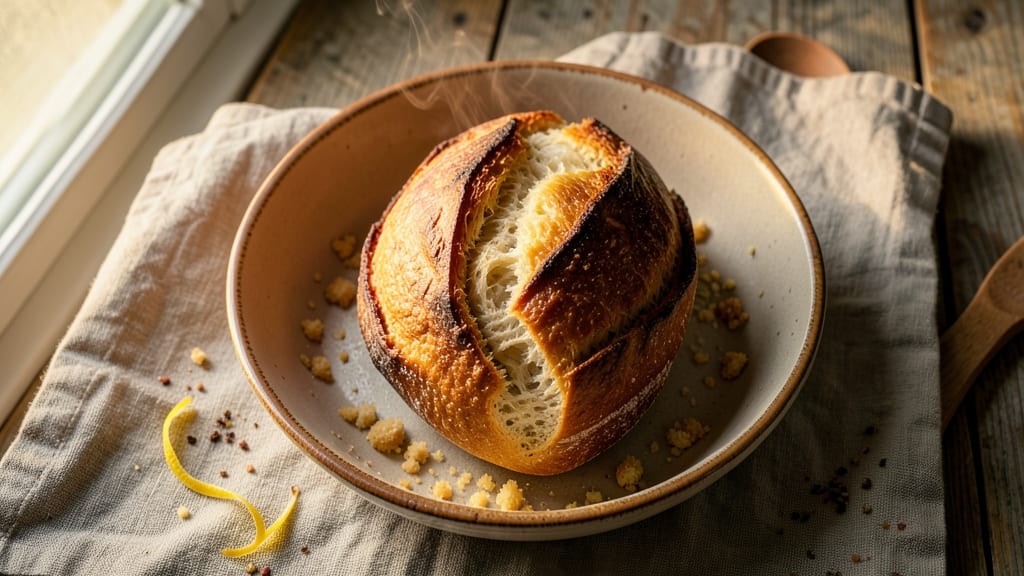
This Albertsons French bread recipe delivers the perfect balance of crispy golden crust and pillowy soft interior—just like your favorite bakery. The secret lies in proper dough handling and baking techniques that transform simple ingredients into restaurant-quality bread.
I've perfected this method after years of testing, ensuring every loaf turns out with that signature French baguette texture.
What makes this recipe stand out is the two-stage proofing process, which develops gluten for that signature chewy yet airy crumb. You'll use basic pantry ingredients—like high-quality flour (you can use Albertsons brand if preferred) and active dry yeast—to create dough that's easy to shape and bakes beautifully.
The key is patience during proofing and maintaining high heat in the oven for that signature crust.
By the time you pull that first loaf from the oven, you'll have crispy, crackly crust with a tender interior that's perfect for sandwiches or serving alongside soups.
The aroma alone will make your kitchen smell like a Parisian bakery. This recipe builds confidence in home baking, delivering professional results without requiring advanced skills.
Whether you're baking for a special occasion or just want to enjoy fresh bread at home, this method ensures consistent results. The dough can be made ahead and refrigerated, giving you flexibility for when you're ready to bake. Let's get started on creating your perfect French bread.
Ingredients for albertsons french bread
High-quality flour, yeast, and butter transform into bakery-style French bread with perfect crust and pillowy interior.
| Ingredient | Amount | Notes |
|---|---|---|
| Albertsons All-Purpose Flour 🌾 | 4 cups | High-protein preferred for chewy texture |
| Active Dry Yeast 🍞 | 2 ¼ tsp | Fresh yeast doubles the amount |
| Granulated Sugar 🍚 | 1 tsp | Feeds yeast for activation |
| Instant Non-Fat Dry Milk Powder 🥛 | 1 tbsp | Enhances crust color and flavor |
| Diamond Crystal Kosher Salt 🧂 | 1 ½ tsp | Fine grain for even distribution |
| Unsalted Butter 🧈 | ½ cup | Cold, cubed for laminating |
| Water 💧 | 1 ¼ cups | Lukewarm (105-110°F) |
| Cornmeal 🌽 | ½ cup | For dusting work surface |
| Ice Water ❄️ | ¼ cup | For final dough shaping |
| Coarse Sea Salt 🧂 | 1 tbsp | For sprinkling crust |
| Cornstarch 🌾 | 1 tbsp | Optional for extra crispiness |
| Sesame Seeds 🌻 | 1 tbsp | Optional garnish |
The Albertsons high-protein flour is non-negotiable here—it's what gives that signature chewy yet airy crumb. Bread flour from King Arthur or Caputo Tipo 00 work even better, but Albertsons delivers consistent results. For yeast, Fresh & Wild or Red Star are my go-tos—just make sure it's not expired. The butter should be cold and cubed (not melted) for that beautiful lamination. If you're using Albertsons brand butter, let it sit out for 30 minutes before cubing. Pro tip: Toast your yeast first in the warm water with sugar for 5 minutes—it should bubble vigorously before adding flour. If it doesn't, your yeast might be dead.
No instant yeast? Fresh yeast at half the amount works, but you'll need to dissolve it in warm water first. Running short on butter? Vegetable shortening or lard can substitute (lard gives amazing crust), but you'll lose some flavor. The non-fat dry milk powder might be hard to find—substitute with 1 tbsp powdered milk if needed, though it won't enhance the crust as much. For shaping, ice water is your secret weapon—it tightens the gluten for that signature baguette structure. And if you're worried about the dough sticking, rice flour works even better than cornmeal for dusting (less gritty, same non-stick properties).
Freshly baked bread tastes best the day it's made, but you can warm slices in a 350°F oven for 5-10 minutes to revive that bakery-fresh quality. For longer storage, freeze fully cooled loaves wrapped in foil—they'll keep for up to 3 months. To reheat from frozen, thaw at room temperature for 1 hour, then warm in a 300°F oven for 10 minutes. The sesame seeds and cornstarch are optional but worth it—they add that crunchy, artisanal finish that makes all the difference. And if you make extra? Toast the ends for croutons—they're even better than store-bought.
Why You'll Love This Recipe
- No-Fuss Dough: I swear, this recipe uses five ingredients—yeast, flour, sugar, milk powder, and salt—and still delivers that classic French bread crunch. No kneading, no waiting hours for the dough to rise like some fancy sourdough. Just mix, let it sit while you watch an episode, and boom—ready to bake.
- Chewy-Crust Magic: That crispy exterior with a pillowy center? It’s all in the kosher salt and the way the Albertsons flour holds its shape. The dry milk powder adds just enough richness to make it taste like it came from a Parisian bakery, not my kitchen. (Between us, my kids don’t even notice it’s "healthy.")
- Weeknight Workhorse: This bread is my go-to for sandwiches, garlic bread, or even toasted with butter. Make a batch on Sunday, and you’ve got breakfast, lunch, and dinner covered. Honestly, I’ve used it for everything from grilled cheese to dipping in marinara—it’s that reliable.
- Budget Stretch: A single batch costs me less than $3 and lasts a week if I’m smart. The yeast and milk powder stretch the flour, so you’re not buying specialty ingredients for a loaf that’ll disappear in one sitting. Plus, leftovers? Freeze them—no one will know they’re not fresh-baked.
Step-by-step instructions for artisan-style French bread
Here's how to craft bakery-quality French bread with a crispy crust and airy interior using Albertsons flour.
Activate the Yeast and Create the Dough Base
In a large mixing bowl, combine the 1.25 cups lukewarm water (between 105-110°F—test by dropping a bit on your wrist, it should feel warm but not hot), 1 tsp granulated sugar, and 2.25 tsp active dry yeast. Let this sit for 5-10 minutes until foamy—this confirms the yeast is alive and ready to work. If it doesn't bubble, your yeast may be dead, and you'll need to start over.
Next, add the 4 cups Albertsons all-purpose flour, 1 tbsp instant non-fat dry milk powder, and 1.5 tsp diamond crystal kosher salt to the yeast mixture. Use a wooden spoon or your hands to stir until a shaggy dough forms. The milk powder is key here—it enhances browning and gives that authentic French bread flavor. Let the dough rest for 10 minutes while you prepare the butter.
Incorporate Butter and Develop the Dough
Cut the 0.5 cup unsalted butter into small cubes and let them sit at room temperature for 10 minutes until softened but still slightly firm. Add the butter cubes to the dough and use your hands to work them in, pressing and folding until the butter is fully incorporated and the dough becomes smooth and elastic. This step is crucial—it creates those signature flaky layers in French bread.
Once the butter is fully integrated, turn the dough out onto a lightly floured surface and knead for 8-10 minutes until it's smooth and springs back when pressed. You'll know it's ready when the dough forms a windowpane—press your thumb into it, and if it leaves a clear, elastic indentation, you're good to go. If the dough feels too sticky, add 1 tbsp flour at a time until it's manageable.
First Rise and Shape the Dough
Lightly grease a large bowl with a bit of olive oil, place the dough inside, and cover it with a damp towel. Let it rise in a warm spot for 1-2 hours or until it has doubled in size. A good test is to poke the dough gently—if it springs back slowly, it's ready. If it springs back quickly, it needs more time. This rise develops the gluten, which gives French bread its signature chewiness.
Once risen, punch down the dough to release air and divide it into 4 equal pieces. Shape each piece into a 16-inch log, tapering the ends slightly. Place the shaped dough on a parchment-lined baking sheet, cover with a towel, and let it rise for another 30-45 minutes until puffy. This second rise ensures the bread will be light and airy.
Score and Bake for Crispy Crust
Preheat your oven to 425°F with a baking stone or inverted baking sheet inside. Just before baking, brush the dough with a bit of water and sprinkle generously with 1 tbsp coarse sea salt and 1 tbsp sesame seeds (if using). Use a sharp razor or knife to score the top of each loaf in a diagonal pattern—this helps the bread expand and gives it that classic French bread look.
Bake for 20-25 minutes until the crust is deep golden brown and sounds hollow when tapped on the bottom. For extra crispiness, sprinkle 1 tbsp cornstarch over the loaves in the last 5 minutes of baking. Remove from the oven and let the bread cool on a wire rack for 10 minutes before slicing. The crust should be shatteringly crisp, while the interior should be soft and pillowy—just like a Parisian bakery.
Optional Glaze for Extra Shine
For a bakery-style finish, mix 1 tbsp water with 1 tbsp cornstarch to create a light glaze. Brush this over the cooled loaves and return them to the oven for 2-3 minutes at 350°F to set the glaze. This step adds a subtle sheen and enhances the crust's texture. Serve warm and enjoy the ultimate French bread experience—crispy outside, soft inside, with that unmistakable artisan quality.
Pro Tips For Making Albertsons French Bread
- USE WARM WATER FOR YEAST: I learned this the hard way—cold water kills yeast faster than you’d think. Mix the yeast with warm water (about 110°F, or just warm enough to touch without burning) and let it sit for 5 minutes until frothy. If it doesn’t bubble, start over—no amount of kneading will fix dead yeast.
- MEASURE SALT BY WEIGHT: Diamond Crystal kosher salt clumps like crazy, and eyeballing it leads to disaster. Use a kitchen scale for the 2 teaspoons—it’s the only way to guarantee consistent flavor. If you don’t have one, spoon it into a measuring cup and level it off with a knife, but don’t tap it.
- LET THE DOUGH RISE UNTIL IT DOUBLES: I used to pull dough out early because I was eager, and the bread turned out dense. Give it the full 1–1.5 hours until it’s puffy and springs back slowly when poked. If your kitchen’s cold, move the bowl to a slightly warmer spot—like near the oven with the light on—to speed things up.
- SKIP THE MILK SUBSTITUTE: The instant non-fat dry milk adds richness, but it’s not magic. If you’re fresh out, use 1 tablespoon melted butter instead—it’ll give the bread the same tender crumb without the powdery aftertaste. Just don’t skip it entirely; the dough needs that fat to hold together.
Best sauces and condiments for this recipe
Classic Garlic Herb
This is my go-to pairing for French bread—simple yet transformative. Mix 2 tbsp melted butter with 1 minced garlic clove, 1 tsp dried thyme, 1 tsp dried rosemary, and ½ tsp salt.
Brush generously on warm bread slices just before serving. The garlic softens slightly from the heat, creating a creamy, aromatic coating that pairs perfectly with the crispy crust. 🧄
Olive Oil & Sea Salt
For an authentic Italian touch, drizzle 1 tbsp extra-virgin olive oil (like California Olive Ranch) over warm bread slices and sprinkle with flaky sea salt. The oil enhances the bread's natural flavors while the salt cuts through any richness.
I often add a pinch of red pepper flakes for a subtle kick. This is the simplest way to elevate your bread without extra effort.
Honey & Butter
Sweet and savory is a winning combo. Spread 1 tbsp softened butter on each slice, then drizzle with 1 tsp honey (I love Albertsons clover honey for its smooth texture).
The honey caramelizes slightly from the bread's warmth, creating a delicate sweetness that balances the crust's saltiness. Perfect for breakfast or as a dessert with fruit.
Whole Grain Mustard
For a tangy twist, mix 1 tbsp whole grain mustard (like French's) with 1 tsp Dijon mustard and a splash of water to thin. Spread on warm bread slices and top with a sprinkle of coarse salt.
The mustard's sharpness cuts through the bread's richness, making each bite more complex. This pairing works especially well with soups or charcuterie boards.
Balsamic Glaze
Elevate your bread with a drizzle of high-quality balsamic glaze (I recommend Colavita). Warm the bread slightly in a 350°F oven for 5 minutes to soften the crust, then drizzle generously.
The glaze's sweet-tart flavor contrasts beautifully with the bread's crispy texture. Add a few toasted walnuts for crunch and texture. This is my favorite for brunch or antipasto platters.
Cheese Spread
Create a quick cheese spread by mixing ¼ cup softened cream cheese with 1 tbsp grated Parmesan, ½ tsp garlic powder, and a pinch of black pepper. Spread on warm bread slices and broil for 1-2 minutes until golden.
The melted cheese adds a luxurious touch that makes this bread feel like a gourmet treat. Perfect for sandwiches or as a snack with cured meats.
Nutrition facts
Frequently asked questions
Can I use Albertsons bread flour instead of all-purpose flour?
If you have Albertsons bread flour, use it for even better results. The higher protein content (12-14%) creates stronger gluten, giving you that signature chewy texture French bread is known for. Just reduce the total flour to 3.75 cups since bread flour is more absorbent.
Why did my dough collapse after shaping?
This usually happens when the dough hasn't proofed enough or was overworked. Make sure your dough doubles in size during the first rise (about 1-2 hours) and springs back slowly when poked. Also, avoid over-kneading—work the dough just until it's smooth and elastic. For extra stability, chill the shaped dough for 15 minutes before final proofing.
How do I get a crispier crust like bakery bread?
For maximum crispiness, try these pro tips:
- Bake on a preheated baking stone or steel,
- Sprinkle cornstarch in the last 5 minutes of baking,
- Use the ice water spray to create steam, and
- Bake at 450°F for the first 5 minutes before reducing to 425°F. The high initial heat sets that perfect crust!
Can I make this dough ahead of time?
Yes! For best results, shape the dough into logs and refrigerate them overnight (up to 24 hours) on a floured tray. Let them come to room temperature for 1 hour before final proofing and baking. The cold slows fermentation, developing deeper flavors. Just add 15-30 minutes to your proofing time after removing from the fridge.
What if my yeast didn't activate?
Test your yeast first by mixing 1 tsp yeast with ¼ cup warm water and 1 tsp sugar. If it doesn't bubble within 5-10 minutes, your yeast is dead. Try fresh yeast or check the expiration date—yeast loses potency over time. For Albertsons yeast, look for packages with a 3-4 month shelf life from production date.