
Side Dishes
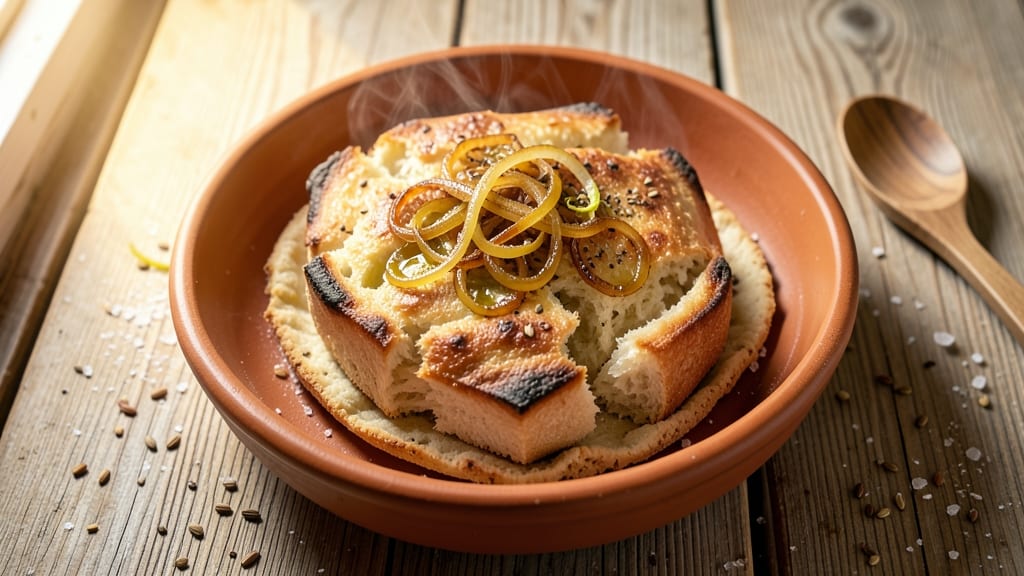
This Algerian bread matlouh recipe transforms simple dough into a flaky, layered masterpiece that captures the heart of North African cuisine. The secret lies in its delicate balance of chickpea flour and all-purpose flour, creating a tender yet sturdy base perfect for stuffing with spiced onions and fresh herbs.
I first discovered this dish during a visit to Algiers, where it's a staple at family gatherings and festive meals.
The magic happens when you roll out the dough thinly, layer it with a fragrant filling of caramelized onions, cumin, and parsley, then fold it into a compact package before grilling.
This method ensures each bite delivers a perfect harmony of textures—crispy edges, tender layers, and a filling that's both aromatic and satisfying. The result is a dish that feels special yet remains approachable for home cooks.
What makes matlouh truly remarkable is its versatility. Serve it warm with a side of spiced yogurt sauce or harissa for dipping, or enjoy it as a standalone vegetarian main course. The combination of earthy spices, sweet onions, and fresh herbs creates a flavor profile that's both comforting and exciting.
This recipe brings a taste of Algeria to your kitchen, proving that simple ingredients can create extraordinary meals.
Perfect for special occasions or a cozy weeknight dinner, matlouh is a dish that invites sharing and celebration. The process is straightforward, but the result is undeniably impressive—ideal for impressing guests or treating yourself to a taste of North Africa. Let's get started on this flavorful journey!
Ingredients for algerian bread matlouh
These simple yet transformative ingredients create Algeria's beloved matlouh bread with perfect flaky layers.
| Ingredient | Amount | Notes |
|---|---|---|
| All-Purpose Flour 🌾 | 2 ½ cups | For tender, sturdy dough |
| Chickpea Flour 🌾 | ½ cup | Gives authentic North African flavor |
| Active Dry Yeast 🍞 | ¼ tsp | Instant yeast works too |
| Granulated Sugar 🍚 | 1 tbsp | Feeds yeast activation |
| Warm Water 💧 | 1 cup | 110°F for optimal yeast |
| Yellow Onions 🧅 | 1 whole | Sweet variety preferred |
| Olive Oil 🫒 | ¼ cup | Extra-virgin for richness |
| Ground Cumin 🌿 | 1 tsp | Earthy North African flavor |
| Salt 🧂 | 1 ½ tsp | Kosher or sea salt |
| Fresh Parsley 🌿 | ¼ cup | Chopped, stems removed |
| Fresh Coriander 🌿 | ¼ cup | Chopped, for bright flavor |
| Vegetable Oil 🫒 | 1 tbsp | For dough rolling |
The chickpea flour is non-negotiable—it's what gives matlouh its signature tender yet sturdy texture. Bob's Red Mill sells it in the baking aisle, but Middle Eastern markets often have better quality. Look for bright yellow flour, not grayish—freshness matters. The onions should be sweet, like Vidalia, for that caramelized depth. I always buy a few extra because they're used in so many dishes. Fresh herbs are key too—Trader Joe's has great parsley and coriander bundles that stay fresh longer than grocery store containers.
No chickpea flour? Substitute with extra all-purpose flour, but the texture won't be quite the same. Sweet onions unavailable? Yellow or red onions work fine, but you'll need to cook them longer for caramelization. Fresh herbs wilt fast, so if you're prepping ahead, store them in damp paper towels in the fridge. The cumin is essential—don't skip it! For extra flakiness, use cold butter instead of oil when rolling the dough (though olive oil gives that authentic Algerian touch).
This dough keeps beautifully for 3 days wrapped in plastic in the fridge. The filling can be prepped 1 day ahead—it actually tastes better after the flavors meld. For grilling, use a cast-iron skillet on medium heat for those perfect crispy edges. Leftovers? Toast them up—they make amazing croutons for soups or salads. Freeze any extras for up to 2 months—just thaw and reheat on a skillet.
Why You'll Love This Recipe
- No Yeast Hassle: I swear by this trick—just mix the yeast with warm water and sugar, let it sit for 5 minutes, and boom. No waiting hours for it to proof like sourdough. The chickpea flour gives it that signature dense, chewy texture without fuss.
- Nutty Depth: That chickpea flour isn’t just for texture—it adds a toasty, almost nutty warmth that regular bread can’t touch. Pair it with garlic butter or olive oil, and you’ve got a flavor punch that feels like a hug from Algeria.
- Weeknight Magic: Toss a batch in the fridge, and it’s ready to toast in minutes for breakfast or a snack. I keep a loaf wrapped in a towel—no reheating needed, just tear and eat. Perfect for when you’re too tired to think.
- Budget Stretch: A single bag of chickpea flour lasts forever, and you’re using basic pantry staples. This bread costs pennies per serving, yet it feels like a treat. Honestly, it’s the kind of recipe that makes grocery shopping less stressful.
Step-by-step instructions for Algerian matlouh bread
This traditional Algerian bread delivers irresistible flaky layers with fragrant spiced onions and herbs baked inside.
Prepare the Spiced Onion Filling
Peel and thinly slice the whole yellow onion into rings about ⅛-inch thick. Heat 1 tablespoon olive oil in a skillet over medium heat until shimmering. Add the onions and cook for 8-10 minutes until softened and translucent.
Reduce heat to low and stir in 1 teaspoon ground cumin, ½ teaspoon salt, and 2 tablespoons chopped fresh parsley. Cook for another 3-4 minutes until the onions are tender and fragrant. Remove from heat and let cool completely before using. This filling is the heart of your matlouh—don't rush the cooking or the onions will turn bitter.
Mix and Knead the Dough
In a large bowl, combine 2.5 cups all-purpose flour, 0.5 cup chickpea flour, 1.5 teaspoons salt, and 0.25 teaspoon active dry yeast. Make a well in the center and add 1 tablespoon granulated sugar, 1 cup warm water (110°F), and 1 tablespoon vegetable oil.
Mix with a wooden spoon until a shaggy dough forms, then turn onto a lightly floured surface and knead for 8-10 minutes until smooth and elastic. The dough should be slightly tacky but not sticky—add more flour 1 tablespoon at a time if needed. Chickpea flour gives this dough its signature texture, so don't substitute it. Cover the bowl with a damp towel and let rise in a warm place for 1 hour or until doubled in size.
Assemble and Shape the Matlouh
Punch down the risen dough and divide it into 4 equal portions. Roll each portion into a 12-inch circle about ⅛-inch thick. Spread ¼ of the spiced onion filling evenly over each circle, leaving a ½-inch border around the edges. Sprinkle with 1 tablespoon chopped fresh coriander.
Fold each circle in half like a half-moon, then fold again into thirds to create a compact rectangle. Seal the edges tightly by pinching with your fingers. Place each sealed packet seam-side down on a parchment-lined baking sheet, leaving 2 inches between them. Cover with a damp towel and let rest for 20 minutes while you preheat the oven to 375°F.
Bake to Golden Perfection
Bake the matlouh for 35-40 minutes until the tops are deep golden brown and the internal temperature reaches 190°F. Rotate the baking sheet halfway through for even browning. The bread should sound hollow when tapped on the bottom.
Remove from the oven and let cool for 5 minutes before slicing. Cut through the center to reveal the flaky layers and fragrant spiced onions. Serve warm with your favorite dips or as a side to soups. The contrast of crispy layers and tender, spiced onions makes this bread unforgettable—worth every minute of the process!
Pro Tips For Making Algerian Bread Matlouh
- SIFT THE CHICKPEA FLOUR: I learned this the hard way—just dumping chickpea flour into the mix leaves lumps that ruin the dough’s texture. Lightly sift it through a fine-mesh strainer before adding it to the flour blend, then whisk it into the wet ingredients first. This ensures the dough stays smooth and the bread rises evenly.
- TEST YEAST TEMPERATURE: Warm water that’s too hot kills yeast, too cool makes it sluggish. Fill a bowl with water, add 1 tablespoon sugar, and let it sit until your finger can linger comfortably (around 105–110°F). The yeast should foam in 5–10 minutes—if not, it’s dead, and your bread won’t rise.
- KNEAD LESS, REST MORE: Overworking the dough with chickpea flour makes it tough. After mixing, knead just until the dough comes together (about 2 minutes by hand), then let it rest 20 minutes. The gluten relaxes, and the chickpea flour’s natural moisture gets absorbed properly—no more dry, crumbly bread.
- STEAM THE FIRST 10 MINUTES: Matlouh’s signature soft crust comes from steam, not oil. Place a metal tray in the oven before preheating, then pour ½ cup boiling water into it when you add the dough. Close the oven door immediately—this creates the steam you need for the first critical minutes of baking.
Best sauces and condiments for algerian bread matlouh
Spiced Yogurt Sauce
This creamy, tangy sauce is a must with matlouh—it cuts through the richness of the spiced onions beautifully. Mix 1 cup plain Greek yogurt with 1 tablespoon lemon juice, ½ teaspoon ground cumin, ½ teaspoon salt, and 1 tablespoon chopped dill.
For extra depth, add 1 teaspoon harissa paste or ½ teaspoon smoked paprika. Chill for 30 minutes before serving to let flavors meld. 💛
Garlic Aioli
For a bold, garlicky contrast, whip up a quick aioli by blending ½ cup mayonnaise with 3 minced garlic cloves, 1 tablespoon lemon juice, and ½ teaspoon salt.
Thin with 1-2 teaspoons water if needed. Serve at room temperature for the best flavor. I love drizzling this over warm matlouh slices before serving. 🌶️
Harissa Oil
Infuse ½ cup olive oil with 2 tablespoons harissa paste and 1 teaspoon cumin seeds by heating gently for 5 minutes over low heat. Strain and let cool. Drizzle lightly over sliced matlouh or use as a dipping sauce.
For extra richness, add a pinch of smoked sea salt before serving. This adds a fiery kick that pairs perfectly with the bread's tender layers.
Fresh Herb Dip
Blend ½ cup tahini with 2 tablespoons lemon juice, 3 tablespoons water, 1 minced garlic clove, and ¼ cup chopped parsley and coriander. Thin with more water if needed for a pourable consistency.
This dip highlights the fresh herbs in the matlouh while adding a nutty depth. Serve chilled for the best texture and flavor balance.
Olive Tapenade
For a Mediterranean twist, combine 1 cup pitted Kalamata olives, 2 tablespoons capers, 1 minced garlic clove, 1 tablespoon red wine vinegar, and 1 tablespoon olive oil.
Pulse in a food processor until chunky. This salty, briny dip adds a sophisticated contrast to the sweet-spiced matlouh. Store in an airtight container for up to 5 days in the refrigerator.
Nutrition facts
Frequently asked questions
What makes Algerian matlouh different from regular flatbread?
Matlouh stands out with its unique combination of chickpea flour and all-purpose flour, creating a tender yet sturdy dough. The real magic comes from the spiced onion and herb filling baked inside, giving it layers of flavor and texture unlike simple flatbreads. The folding technique also creates signature flaky layers when baked.
Can I make matlouh without chickpea flour?
Yes, but the texture will differ. Substitute with extra all-purpose flour (same amount) for a lighter bread, though it won't have that authentic Algerian depth. For best results, use ½ cup chickpea flour and 2 cups all-purpose flour to maintain some of the traditional character. The flavor will be slightly less earthy but still delicious.
How do I know when the matlouh is fully cooked?
Look for deep golden brown tops and listen for a hollow sound when tapped on the bottom. The internal temperature should reach 190°F. If the edges brown too quickly, tent with foil to prevent burning while the center cooks through. Overcooking can make the layers dry, so remove just before they look perfect.
Can I prepare matlouh ahead of time?
The dough can be made 3 days ahead and stored in the fridge. The filling tastes even better when prepped 1 day ahead—flavors meld beautifully. For serving, reheat slices in a skillet for 2-3 minutes per side until crispy. Frozen matlouh keeps for 2 months—thaw overnight in the fridge before reheating.
What's the best way to serve matlouh?
Warm matlouh pairs perfectly with spiced yogurt sauce, harissa oil, or fresh herb dips. Serve as a side with soups, grilled meats, or as a vegetarian main with olives and pickles. The crispy layers make it ideal for dipping—cut into wedges for easy sharing at gatherings.