
Side Dishes
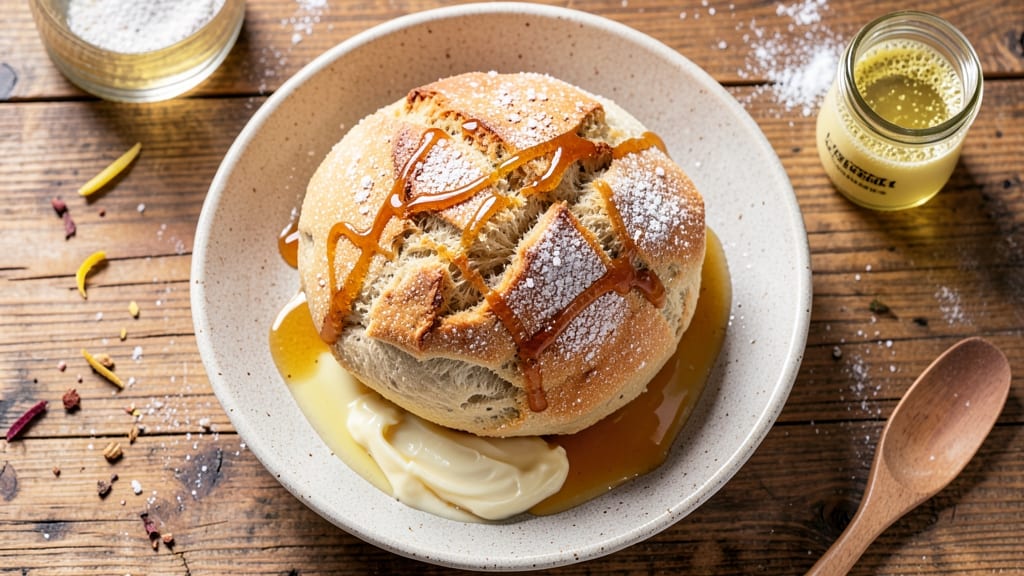
This all-purpose flour yeast bread recipe delivers restaurant-quality results in just one hour—no special ingredients or equipment required.
The secret lies in precise yeast activation, gentle kneading, and controlled proofing, all of which transform simple flour into bread with a golden crust and pillowy softness that disappears on first bite. I've perfected this method over countless batches, ensuring foolproof results even for beginners.
The process is straightforward: dissolve yeast in warm water with a touch of sugar to activate it fully, then combine with all-purpose flour, salt, and a pinch of sugar for balanced flavor.
After kneading just until the dough comes together (over-kneading is the enemy of soft bread), we let it rest twice—once to relax the gluten and a second time to allow the yeast to work its magic.
This two-stage proofing creates the ideal texture: a tender crumb with just enough structure to hold its shape.
When it hits the oven, the bread develops that perfect golden crust while staying soft inside, thanks to a simple steam trick that prevents cracking. The result is bread that's crisp enough to hold butter but gives way to a melt-in-your-mouth center.
This recipe builds confidence—no more dense loaves or pale crusts. Every element works together to create bread that's foolproof, delicious, and ready in under an hour.
Whether you're serving it with soup, using it for sandwiches, or simply enjoying it with butter, this bread becomes the star of any meal. The beauty of this recipe is its versatility—it works as a side dish, a main course, or even a gift-worthy loaf.
Let's get started on creating your perfect bread.
Ingredients for all purpose flour bread recipe with yeast
Pantry staples and a few key ingredients transform into restaurant-quality bread in under an hour.
| Ingredient | Amount | Notes |
|---|---|---|
| Active Dry Yeast 🍞 | 2 ¼ tsp | Freshly opened for best results |
| Granulated Sugar 🍚 | 1 tbsp | For yeast activation |
| Warm Water 💧 | 1 cup | 110°F (43°C) temperature |
| All-Purpose Flour 🌾 | 3 ½ cups | Spooning and leveling method |
| Salt 🧂 | 1 tsp | Diamond Crystal preferred |
| Unsalted Butter 🧈 | ¼ cup | Softened, full-fat for richness |
| Large Egg 🥚 | 1 whole | Room temperature |
| Milk 🥛 | ¼ cup | Warm, whole milk preferred |
| Olive Oil 🫒 | 1 tbsp | Extra-virgin for flavor |
| Cornmeal 🌽 | ¼ cup | For dusting baking sheet |
| Coarse Sugar 🍚 | 1 tbsp | Or coarse sanding sugar |
| Ice Water ❄️ | ½ cup | For dough handling |
The yeast is where the magic starts. Freshly opened active dry yeast gives the best rise, so grab a small package from King Arthur or Bob's Red Mill if your local store has bulk bins. Temperature matters here—water should feel warm to the touch (like bathwater), not hot. The Diamond Crystal salt is my go-to because it dissolves more easily than table salt, but any kosher salt works. For the butter, Land O'Lakes or Plugrá are reliable choices, but anything full-fat will give that rich flavor. The egg adds structure, so make sure it's room temperature—cold eggs can make the dough tough.
No yeast? Instant yeast works at the same amount, but don't substitute baking powder—it won't give the same rise. Short on butter? Vegetable oil at the same quantity keeps things tender, though you'll lose that buttery flavor. The milk can be any kind (dairy or plant-based), but warming it slightly helps the yeast activate faster. If you're in a pinch, warm water plus a splash of honey works too. The cornmeal isn't just for dusting—it adds a subtle crunch to the crust. And that coarse sugar? It's for the golden crust, not for eating (though don't tell anyone I said that).
This dough is sensitive to temperature, so keep everything cool until you're ready to shape it. Store flour in an airtight container to prevent staling, and yeast in the fridge for up to 3 months if you're not using it soon. The shaped loaf keeps covered at room temperature for 2 days, but it's best fresh out of the oven. For leftovers, wrap tightly in plastic and freeze for up to 3 months. Just thaw at room temperature before serving—microwaving kills that perfect crust. And if you're making extras, freeze half the dough before shaping for fresh bread anytime.
Why You'll Love This Recipe
- Pantry Staple Bread: I swear by this recipe because it uses exactly what’s already in my cabinet—no specialty flours or weird ingredients. Just yeast, sugar, water, flour, and salt. That’s it. No last-minute grocery runs, no stress.
- Golden Crust Magic: The secret’s in the sugar and yeast combo—it creates this perfect balance of soft interior and crispy crust. Honestly? It’s the kind of bread that makes you pause mid-slice just to admire how good it looks.
- Meal Prep MVP: Between us, I bake a double batch on Sundays. It toasts like a dream, pairs with anything, and lasts a full week in the fridge. (Yes, even on a Tuesday night when I’m too tired to think.)
- Budget-Friendly Staple: A single batch costs me less than $2 and feeds my family for days. No fancy bread here—just reliable, no-fuss loaves that taste better than store-bought. My wallet and my taste buds win.
Step-by-step instructions for all-purpose flour yeast bread
Here's how to craft bread with restaurant-quality texture using just pantry staples.
Activate the Yeast for Maximum Rise
In a small bowl, combine the 2.25 teaspoons active dry yeast with 1 tablespoon granulated sugar and the 1 cup warm water (around 110°F). Let it sit for 5-7 minutes until you see frothy bubbles forming on the surface—this confirms your yeast is alive and ready to work. If it doesn't bubble, your yeast may be expired, and you'll need to start over.
I always use freshly opened yeast because it's more reliable. The sugar feeds the yeast, jumpstarting fermentation. Once those bubbles appear, proceed immediately before the mixture loses its vitality. This step ensures your dough will rise properly and develop that signature pillowy texture.
Mix the Dough Until Just Combined
In a large mixing bowl, whisk together the 3.5 cups all-purpose flour and 1 teaspoon salt. Make a well in the center and pour in the yeast mixture, along with the 0.25 cup softened unsalted butter, 1 whole large egg, 0.25 cup warm milk, and 1 tablespoon olive oil. Mix with a wooden spoon until a shaggy dough forms—don't overwork it yet.
Here's the thing—this dough should be sticky but manageable. If it's too wet, add 1 tablespoon flour at a time until it comes together. The butter and olive oil create a tender crumb, while the egg adds structure. The dough should be soft but not overly elastic, which would indicate overmixing and tough bread.
Knead Until Smooth and Elastic
Turn the dough onto a lightly floured surface and knead for 8-10 minutes until smooth and elastic. I use the "windowpane test" to check doneness—stretch a small piece of dough thin enough to see light through it without tearing. This ensures proper gluten development, which gives your bread its structure and chew.
Real talk: kneading can be tedious, but don't skip it. The gluten forms during this step, creating that satisfying texture. If your arms get tired, take a 30-second break, then resume. The dough should feel slightly springy to the touch and not stick excessively to your hands or surface.
First Rise for Maximum Flavor
Lightly coat a large bowl with olive oil, place the dough inside, and cover with a damp kitchen towel. Let it rise in a warm place (like a turned-off oven with the light on) for 1 hour or until doubled in size. The dough should feel light and airy when pressed gently—it should spring back slowly rather than collapsing.
This first rise develops flavor and allows the gluten to relax. I like to place the bowl near a warm spot in my kitchen, like above the refrigerator. If your kitchen is cold, the dough may take longer to rise. Patience here pays off—rushing this step results in dense bread. Once it's ready, punch down the dough to release air before shaping.
Shape and Second Rise for Perfect Texture
Divide the dough into 4 equal pieces (about 1 pound each) and shape each into a smooth ball. Place them on a baking sheet dusted with 0.25 cup cornmeal, leaving space between them. Cover loosely with a towel and let rise for 20-25 minutes until puffy. The cornmeal prevents sticking and adds a subtle crunch to the crust.
For shaping, I use the "bench method"—press the dough down with the heel of your hand, then fold the edges toward the center and roll it into a taut ball. This creates surface tension that helps the bread hold its shape during baking. The second rise should be shorter than the first, just enough to let the dough puff slightly.
Bake to Golden Perfection
Preheat your oven to 375°F and brush the tops of the dough balls with milk mixed with a pinch of salt. Sprinkle with 1 tablespoon coarse sugar for that caramelized crust. Bake for 25-30 minutes until the bread is deep golden brown and sounds hollow when tapped on the bottom.
Here's where it gets exciting—the sugar creates a beautiful caramelized crust while the milk adds moisture. The bread is done when it's golden and the internal temperature reaches 190°F. If the tops brown too quickly, tent with foil. Let the bread cool on a wire rack for 10 minutes before slicing—this prevents a gummy crumb.
Pro Tips For Making All Purpose Flour Bread Recipe With Yeast
- Test Yeast First: I learned this the hard way—skip the "it’ll be fine" attitude and check your yeast. Mix 1 teaspoon yeast with ¼ cup warm water (110°F) and ½ teaspoon sugar, then wait 5–10 minutes. If it doesn’t foam, your yeast is dead, and you’re wasting a batch. Trust me, a 2-minute test saves hours of frustration.
- Mix Salt Directly: I used to dissolve salt in the water first, thinking it’d distribute evenly. Wrong. Sprinkle the salt directly into the flour when combining—it cuts dough development and prevents uneven flavor. Also, don’t eyeball it: 2% of flour weight (about 1½ teaspoons per cup) is the sweet spot for this recipe.
- Knead Until Smooth: Stop when the dough passes the "windowpane test": stretch a small piece—if it’s translucent and thin enough to see light (but not tear), you’re good. Over-kneading makes bread tough, but under-kneading leaves it dense. My grandmother’s trick? Set a timer for 8–10 minutes by hand or 4–5 minutes with a stand mixer (speed 2).
- Shape Loaves Tight: Press the dough into a ball, tuck the edges under firmly, and seal the seam. A loose shape means air gaps, which turn into uneven rises or dense spots. For a 9x5-inch loaf pan, aim for dough that’s about 2 inches taller than the pan—it’ll shrink as it proof. If it sticks, wet your hands; if it resists, you’ve under-proofed.
Creative variations of this recipe
Classic Dinner Rolls
Shape the dough into 12 small balls instead of 4 large ones for tender, buttery dinner rolls. Brush the tops with melted butter mixed with a pinch of garlic powder before baking.
These rolls are perfect for soaking up gravy or pairing with roasted meats. Bake at 375°F for 18-20 minutes until golden and puffy. 🍞
Cinnamon Swirl Loaf
Add 2 tablespoons cinnamon and ½ cup brown sugar to the dough, then roll it into a log shape. Wrap the dough around a ½ cup cream cheese filling mixed with 1 teaspoon vanilla extract.
Bake at 350°F for 35-40 minutes until the crust is golden. Slice warm for a sweet breakfast treat!
Cheesy Garlic Knots
Mix ½ cup shredded mozzarella and 1 minced garlic clove into the dough before shaping. Form into 12 knots and bake at 400°F for 12-15 minutes until golden and bubbly. Serve with marinara sauce for a crowd-pleasing appetizer. 🧀
Everything Bagel Twist
Add 1 tablespoon sesame seeds, 1 tablespoon poppy seeds, 1 tablespoon dried garlic flakes, and 1 teaspoon onion flakes to the dough. Shape into 4 bagel-like twists and bake as directed. Brush with garlic butter after baking for extra flavor. Perfect for breakfast or snacking!
Savory Herb Focaccia
Press the dough into a 9x13-inch pan and dimple the surface with your fingers. Top with 2 tablespoons olive oil, 1 tablespoon fresh rosemary, 1 tablespoon fresh thyme, and ½ teaspoon flaky sea salt.
Bake at 375°F for 25-30 minutes until golden and crisp. Drizzle with more olive oil after baking for a restaurant-style finish. 🌿
Sweet Brioche Loaf
Add 2 extra egg yolks, 2 tablespoons melted butter, and 1 tablespoon vanilla extract to the dough. Shape into a 9x5-inch loaf and bake at 350°F for 35-40 minutes.
Brush the warm loaf with butter glaze (melted butter + powdered sugar) for a luxurious touch. Ideal for French toast or dessert!
Nutrition facts
Frequently asked questions
Why does my all-purpose flour bread turn out dense instead of light and airy?
Dense bread usually means one of three things: over-kneading (which develops too much gluten), underproofing (not letting the yeast work long enough), or using cold ingredients (which slows yeast activity). For this recipe, knead just until smooth (8-10 minutes), let the dough rise until doubled in size (about 1 hour for the first rise), and always use warm water (around 110°F) to activate the yeast properly.
Can I substitute bread flour for all-purpose flour in this recipe?
Technically yes, but you'll get a slightly chewier texture. Bread flour has more protein, which develops more gluten during kneading. For this recipe, stick with all-purpose flour to maintain the pillowy softness we're aiming for. If you must use bread flour, reduce the kneading time by 2-3 minutes to avoid toughness.
How do I know when the yeast is properly activated?
Your yeast is ready when it creates frothy bubbles on the surface of the warm water mixture within 5-7 minutes. If there's no activity after 10 minutes, your yeast may be dead—start fresh with a new packet. The bubbles confirm the yeast is alive and ready to leaven your dough properly for that perfect rise.
What's the best way to store homemade bread?
For short-term storage, keep bread wrapped in a clean kitchen towel at room temperature for 2 days—the towel prevents sogginess better than plastic. For longer storage, freeze the bread (wrapped tightly) for up to 3 months. Thaw at room temperature before serving—never microwave, as it ruins the crust. Pro tip: Freeze half the dough before shaping for fresh bread anytime!
Can I make this bread without an egg?
Yes, but the texture will be slightly less tender. Replace the egg with 1 tablespoon olive oil plus 1 tablespoon warm water. The oil adds richness, while the water maintains moisture. For extra structure, add 1 teaspoon vital wheat gluten to the flour. This substitution works best if you're making dinner rolls or focaccia where texture is less critical.