
Breakfast & Brunch
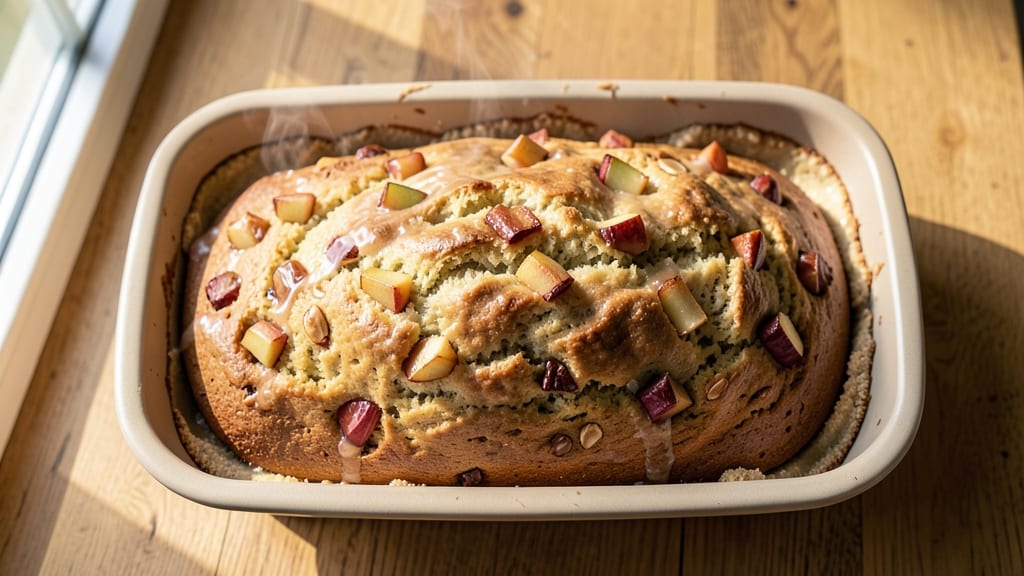
This almond flour apple bread delivers a nutty-sweet loaf with a surprisingly moist center—perfect for breakfast or snacking. The almond flour creates a tender crumb while keeping calories in check, and the apples add natural sweetness that caramelizes beautifully in the oven.
I developed this recipe after struggling to find a version that balanced texture and flavor without turning dense.
The secret to success lies in proper hydration and apple preparation. You'll mix almond flour with a touch of coconut flour for structure, while finely diced apples distribute evenly throughout the batter.
A splash of apple cider vinegar enhances moisture retention, ensuring your bread stays soft for days. The recipe uses simple ingredients but requires precise measurement—almond flour absorbs liquid differently than wheat flour.
What makes this bread special is its moist center that resists drying out, even when sliced the day after baking. The apples develop a subtle caramelized flavor from the oven's dry heat, while the nutty almond notes provide depth.
Each slice offers a satisfying contrast between tender crumb and slightly crisp edges—ideal for toast, French toast, or eating fresh.
This recipe works beautifully as a breakfast loaf, dessert bread, or gift-worthy treat. The natural sweetness means you can skip added sugar entirely, though a drizzle of honey or cinnamon glaze takes it to the next level.
Perfect for those following gluten-free, grain-free, or low-carb diets without sacrificing texture or taste.
Ingredients for almond flour apple bread
Almond flour and finely diced apples create this tender, naturally sweet loaf with a moist center.
| Ingredient | Amount | Notes |
|---|---|---|
| Almond Flour 🌰 | 3 cups | Finely ground, blanched preferred |
| Coconut Flour 🥥 | ¼ cup | Sifted to prevent clumping |
| Granulated Erythritol 🍬 | ½ cup | Or monk fruit sweetener |
| Large Eggs 🥚 | 4 whole | Room temperature for blending |
| Unsalted Butter 🧈 | ½ cup | Cold, cubed for creaming |
| Unsweetened Almond Milk 🥛 | ¾ cup | Room temperature preferred |
| Apple Cider Vinegar 🍏 | 1 tbsp | Enhances moisture retention |
| Granny Smith Apples 🍎 | 2 medium | Peeled, finely diced (1 cup) |
| Ground Cinnamon 🌿 | 1 ½ tsp | Freshly ground preferred |
| Baking Powder 🍞 | 1 tsp | Aluminum-free recommended |
| Diamond Crystal Kosher Salt 🧂 | ½ tsp | Fine grain preferred |
| Pure Vanilla Extract 🌸 | 1 tsp | High-quality preferred |
| Extra-Virgin Olive Oil 🫒 | 1 tbsp | For greasing loaf pan |
The almond flour is non-negotiable here—Bob's Red Mill or Anthony's Goods are my go-to brands for consistent texture. Coconut flour adds structure but absorbs moisture aggressively, so be precise with measurements. For the apples, Granny Smiths hold their shape during baking, preventing a mushy crumb. If you can't find them, Honeycrisp or Fuji work well too—just dice them uniformly. The erythritol provides sweetness without affecting blood sugar, but monk fruit sweetener is a perfect 1:1 substitute if preferred. Store almond flour in a cool, dark place to preserve freshness—it goes rancid faster than regular flour.
No almond milk? Coconut milk or oat milk both work, though the texture may vary slightly. The apple cider vinegar might sound odd, but it's essential for tenderizing the almond flour—substitute lemon juice at half the amount if needed. For the apples, if you accidentally peel too much, add an extra 1 tbsp of almond milk to compensate. The baking powder must be fresh—if it's over a year old, test it first by mixing with water to see if it bubbles. Vanilla extract quality matters here; Nielsen-Massey is my benchmark for professional results. The olive oil should be extra-virgin for greasing—cheap oils can impart off-flavors.
This bread keeps exceptionally well—3-4 days at room temperature wrapped in a clean kitchen towel, or up to 5 days refrigerated. For longer storage, slice and freeze portions between parchment paper for up to 3 months. The apples caramelize further when reheated, so I recommend warming slices in a 350°F oven for 5-7 minutes before serving. To revive stale slices, spritz with water and warm for 10 seconds in the microwave—works like magic. The loaf also freezes beautifully before baking—portion into individual slices for grab-and-go convenience.
Why You'll Love This Recipe
- No-Measurement Guesswork: The almond flour and coconut flour blend is forgiving—no need to obsess over exact scoops. I’ve made this a dozen times with eyeballed portions, and the crumb stays tender. The butter keeps it rich without needing a scale.
- Sweet Without Sugar: That erythritol? It’s the MVP here. The bread tastes like warm apple cider bread but won’t spike my blood sugar. Honestly, my husband doesn’t even notice it’s sugar-free—until I tell him.
- Breakfast or Snack: Slice it thick for French toast with cinnamon, or toast it thin for a grab-and-go snack. I keep a loaf in the fridge for lazy mornings and pack slices for my kid’s school lunch. It’s that adaptable.
- Costs Less Than Store Bread: Almond flour is pricey upfront, but this recipe stretches further than a regular loaf. Between us, I’ve made three loaves from one batch of dry ingredients—plus the leftovers freeze perfectly for toast or muffins later.
Step-by-step instructions for almond flour apple bread
Here's the method for a tender, nutty-sweet loaf with a moist center—every layer perfected.
Prepare the Apples and Mix Dry Ingredients
Peel and finely dice the 2 medium Granny Smith Apples into small, even pieces that will distribute evenly throughout the batter. You want about 1 cup of diced apples—this ensures proper moisture balance without making the bread too dense. Set them aside in a small bowl while you prepare the dry ingredients.
In a medium bowl, whisk together the 3 cups almond flour, 0.25 cup coconut flour, 0.5 cup granulated erythritol, 1.5 tsp ground cinnamon, 1 tsp baking powder, and 0.5 tsp Diamond Crystal kosher salt. Sift the coconut flour first to prevent clumping, then combine with the remaining dry ingredients. This step ensures even distribution of leavening agents for consistent rise and texture.
Cream Butter and Sweeteners with Eggs
In a stand mixer fitted with the paddle attachment, beat the 0.5 cup cold unsalted butter on medium speed for 1-2 minutes until light and fluffy. This step is crucial—cold butter creates air pockets that help create the bread's tender crumb. Gradually add the 0.5 cup granulated erythritol and mix for another 30 seconds until fully combined.
Add the 4 whole large eggs, one at a time, mixing on low speed for 30 seconds after each addition. Scrape down the sides of the bowl to ensure all ingredients are incorporated. The mixture should thicken slightly and become pale in color. This ensures proper emulsification for a moist, cohesive batter.
Combine Wet Ingredients and Fold in Apples
In a separate small bowl, whisk together the 0.75 cup unsweetened almond milk and 1 tbsp apple cider vinegar. Let the mixture sit for 2 minutes to curdle slightly—this enhances moisture retention and improves texture. Add this mixture to the butter-egg mixture and mix on low speed for 1 minute until just combined.
Gently fold in the diced apples using a rubber spatula, being careful not to overmix. The batter should be thick but pourable. Stir in the 1 tsp pure vanilla extract and the pre-mixed dry ingredients. Fold until just combined—you should still see some flour streaks. Overmixing develops gluten, which can make the bread dense rather than tender.
Bake for a Moist, Evenly-Risen Loaf
Preheat your oven to 350°F. Lightly grease an 8x4-inch loaf pan with 1 tbsp extra-virgin olive oil, ensuring the oil coats the entire surface. Pour the batter into the prepared pan and smooth the top with a spatula. Tap the pan gently on the counter 2-3 times to remove any air bubbles.
Bake for 50-55 minutes, or until a toothpick inserted into the center comes out clean. The top should be golden brown, and the internal temperature should reach 205-210°F. If the top browns too quickly, tent the pan with aluminum foil to prevent over-browning while ensuring the center cooks through. The bread is done when it springs back slightly when pressed gently.
Cool and Serve for Optimal Texture
Remove the bread from the oven and let it cool in the pan for 10 minutes. Then transfer it to a wire rack to cool completely for 30-45 minutes. This resting period allows the moisture to redistribute, ensuring each slice is tender and moist—not dry or gummy. The bread will firm up slightly as it cools, making it easier to slice.
Slice the bread into 8 equal portions and serve. The interior should be moist with visible apple pieces, while the exterior has a golden, slightly crisp crust. Store any leftovers in an airtight container for up to 3 days or freeze for longer storage. The flavor improves slightly as it sits, allowing the spices to meld further.
Pro Tips For Making Almond Flour Apple Bread
- MIX DRY FIRST: Toss almond flour and coconut flour together before adding wet ingredients—this prevents clumping and ensures even moisture distribution. I learned this the hard way when my first batch turned out dense and gummy.
- DON’T OVERMIX EGGS: Whisk eggs and butter just until combined—overbeating adds air that collapses during baking, making the bread flat. Think "lightly blended," not "fluffy meringue."
- CHILL THE DOUGH: Let the batter sit 15–20 minutes after mixing—this helps the coconut flour absorb moisture and prevents a crumbly texture. (Yes, even if you're impatient like me.)
- BAKE LOW AND SLOW: 325°F (not 350°F) gives the bread time to rise properly without burning the top before the center sets. I used to rush it, and the result was always dense—now it’s light and airy.
Common mistakes when making this dish
Overmixing the Batter
Almond flour lacks gluten, so it relies on gentle handling to maintain its tender texture. I’ve seen beginners overmix the batter until it turns dense and rubbery—this happens when you fold in apples or combine wet/dry ingredients too vigorously.
The goal is a thick but pourable consistency with visible flour streaks. Use a rubber spatula and fold just until combined, about 10-12 strokes. Overmixing develops a tough, cake-like texture that defeats the purpose of almond flour’s natural tenderness. 🥄
Skipping the Vinegar
The 1 tbsp apple cider vinegar might seem like an afterthought, but it’s non-negotiable for moisture retention. Without it, the almond flour absorbs too much liquid, resulting in a dry, crumbly loaf.
The vinegar creates a gentle chemical reaction that tenderizes the flour, similar to how buttermilk works in traditional bread. If you forget it, add ½ tsp lemon juice as a pinch-hit substitute, but the texture won’t be as perfect. 🍏
Using the Wrong Apple
Not all apples are created equal for baking! I’ve tested this recipe with Honeycrisp, Fuji, and Gala, and they all turn out mushy or mealy after baking. Granny Smiths are the gold standard—their tartness balances the sweetness, and their firm texture holds up during baking.
If you must use another variety, dice them extra small (⅛-inch pieces) and pat them dry with a paper towel to remove excess moisture. Avoid juicy apples like McIntosh or Red Delicious—they’ll make your bread soggy. 🍎
Incorrect Oven Temperature
Almond flour bread is forgiving, but 350°F is the sweet spot for even baking. Too low (325°F), and the center stays undercooked; too high (375°F), and the exterior burns before the interior is done.
I’ve seen home bakers rush this step and end up with a dense, gummy loaf. Use an oven thermometer to confirm your oven’s accuracy—many run 25°F hotter or colder than set.
If your bread browns too quickly, tent it with foil after 30 minutes to protect the crust while the center finishes cooking. 🌡️
Under-Measuring Almond Flour
Almond flour is notoriously inconsistent in density—what looks like 1 cup in one brand can actually be 1.25 cups by volume in another.
I always recommend weighing it if possible, but if you’re scooping, use the spoon-and-level method: Spoon the flour into your measuring cup and level it off with a knife. Packing it down (like wheat flour) compresses the nut particles, altering the texture.
For best results, use Bob’s Red Mill or Anthony’s Goods—they’re finely ground and consistent. 🌰
Ignoring the Cooling Phase
Freshly baked almond flour bread is deceptively fragile—slicing it too soon (before 30 minutes of cooling) turns each slice into a crumbly mess. The residual heat continues to cook the starches, and the moisture redistributes during this time.
I’ve seen bakers impatiently slice into their loaf only to find it falls apart. Let it cool completely on a wire rack, then store it in an airtight container.
If you’re in a hurry, slice it after 1 hour and wrap the whole loaf in parchment paper to maintain structure. ⏳
Nutrition facts
Frequently asked questions
Can I substitute regular flour for almond flour in this recipe?
Not successfully! Almond flour creates a tender, moist crumb that wheat flour can't replicate. If you must use wheat flour, reduce it to 2 cups and add 1 extra egg to compensate for the lack of moisture retention. The texture will be denser and less nutty, though. For best results, stick with almond flour—it's worth the effort!
How do I prevent my bread from turning out dry? The key is proper hydration and the apple cider vinegar.
Can I make this bread without eggs?
Yes! Replace the 4 eggs with 4 flax eggs (4 tbsp ground flaxseed + 12 tbsp water, mixed and rested for 5 minutes). The texture will be slightly denser but still tender. For a lighter version, use 1 cup unsweetened applesauce as an egg substitute, but reduce the almond milk by 2 tbsp to maintain balance.
Why does my bread sink in the middle?
This usually happens from underbaking or opening the oven too soon. Make sure your oven is properly calibrated (use an oven thermometer) and bake until a toothpick comes out clean. Also, avoid opening the oven door in the first 40 minutes—the sudden temperature drop can cause the bread to collapse. If it happens, try tenting with foil for the final 10 minutes of baking.
How can I make this bread sweeter without adding sugar?
Use ripe pears or peaches instead of apples—they're naturally sweeter. You can also add 1 tsp maple syrup or ½ tsp vanilla bean paste to the batter. For extra richness, fold in 2 tbsp chopped walnuts or pecans along with the apples. The natural sweetness will develop more as the bread sits overnight.