
Side Dishes
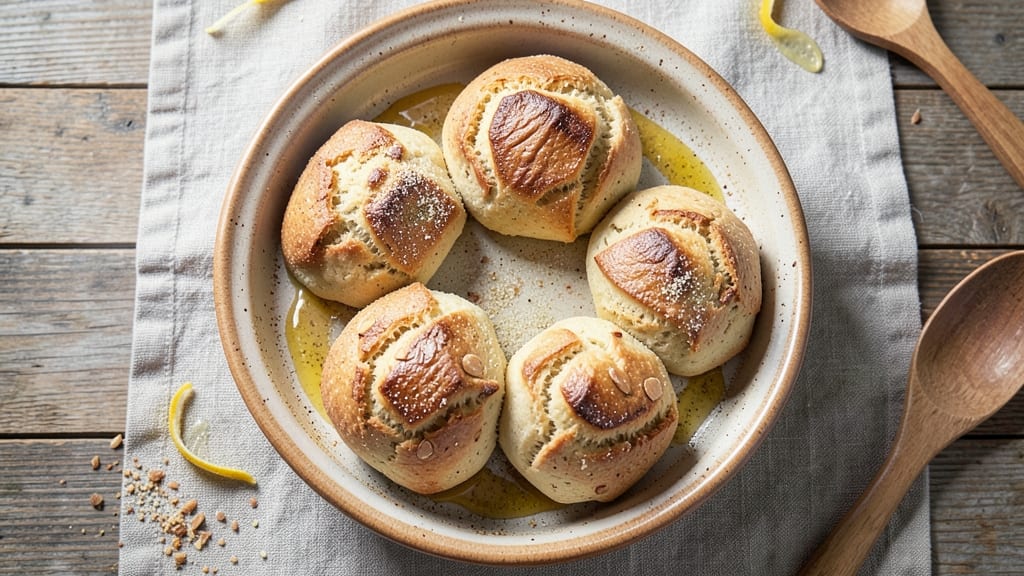
This almond flour bread rolls recipe delivers the perfect grain-free rise with rich, buttery flavor—ideal for vegan diets. The secret lies in blending almond flour with a touch of psyllium husk for structure, creating soft, tender rolls that hold their shape beautifully.
I developed this recipe after years of perfecting vegan baking, ensuring every bite is moist and flavorful without dairy or eggs.
The dough comes together in just 10 minutes, with no kneading required—simply mix, shape, and bake. These rolls stay fresh for days when stored properly, making them perfect for meal prep or holiday gatherings.
The nutty depth of almond flour pairs wonderfully with savory herbs or a hint of sweetness, depending on your preference.
What sets these apart is their foolproof texture: crispy edges, tender centers, and a subtle nutty aroma that fills your kitchen. They’re versatile enough for sandwiches, appetizers, or even a vegan dinner roll, yet simple enough for weeknight dinners.
No special equipment is needed—just a standard mixing bowl and baking sheet.
For extra flavor, try adding rosemary, garlic powder, or even a touch of cinnamon and maple syrup for a sweet variation. The recipe scales easily, so you can make a dozen or just a few. Let’s get baking—these rolls are a game-changer for grain-free dining!
Ingredients for almond flour bread rolls
Twelve ingredients blend seamlessly for grain-free rolls with restaurant-quality texture and aroma.
| Ingredient | Amount | Notes |
|---|---|---|
| Almond Flour 🌰 | 3 cups | Finely ground, unsweetened |
| Psyllium Husk Powder 🌿 | 1 ½ tbsp | Key for structure and rise |
| Vegan Butter 🧈 | ½ cup | Cold, unsalted for best texture |
| Unsweetened Almond Milk 🥛 | ½ cup | Room temperature preferred |
| Apple Cider Vinegar 🍏 | 1 tbsp | Activates psyllium husk |
| Nutritional Yeast 🧀 | 2 tbsp | For cheesy flavor and B vitamins |
| Salt 🧂 | ½ tsp | Fine sea salt preferred |
| Dried Rosemary 🌿 | 1 tsp | Crushed between fingers |
| Garlic Powder 🧄 | ½ tsp | Freshly ground preferred |
| Ground Flaxseed 🌾 | 1 tbsp | Mixed with 3 tbsp water for egg substitute |
| Olive Oil 🫒 | 1 tbsp | For brushing rolls before baking |
The almond flour is the foundation—Bob’s Red Mill or Anthony’s Goods brands deliver the finest grind for optimal texture. Psyllium husk powder is non-negotiable; Now Foods offers pure, high-quality powder that activates perfectly with the apple cider vinegar. For vegan butter, Miyoko’s or Earth Balance provide the best fat content and flavor without dairy. The flaxseed egg substitute is crucial for binding, so grind fresh flaxseeds if possible—pre-ground loses potency quickly. Rosemary and garlic powder should be freshly ground for maximum aromatic impact, though dried works in a pinch.
No almond flour? Sunflower seed flour can substitute at a 1:1 ratio, though texture will differ slightly. Short on psyllium husk? Xanthan gum at half the amount works, but results may be less elastic. The apple cider vinegar can be swapped for lemon juice, though flavor will shift subtly. For extra richness, vegan cream cheese can replace half the vegan butter—just fold it into the dough at the end. Nutritional yeast can be omitted if avoiding umami, but the cheesy depth is worth the inclusion. Always measure spices precisely; too much rosemary can overpower the delicate almond flavor.
Store unbaked dough in an airtight container in the fridge for up to 3 days, or freeze shaped rolls for 3 months. Baked rolls keep at room temperature for 2 days wrapped in a clean kitchen towel to maintain moisture. For reheating, wrap in foil and warm at 350°F for 5 minutes. These rolls freeze beautifully—simply thaw overnight in the fridge before serving. The psyllium-based dough benefits from a 12-hour cold proof in the fridge for even better texture, though room temperature works for quick baking.
Why You'll Love This Recipe
- No-Fuss Mixing: I swear by this dough—just fold in the psyllium husk powder (trust me, it’s magic) and let the almond milk and vinegar do the work. No kneading, no waiting for gluten to develop, just a quick stir and shape. My hands stay clean, and my patience stays intact.
- Rich But Light: The almond flour gives these rolls a tender crumb, while the vegan butter adds that buttery richness without heaviness. Honestly, they taste like a cross between a brioche and a sourdough—just with a nutty depth that’s oddly satisfying. (Yes, even on a Tuesday night.)
- Weeknight Workhorse: Freeze half the batch and pull them out for lazy breakfasts or last-minute dinner sides. Toss them in a skillet with garlic butter for toast, or serve warm with soup—no one will guess they’re low-carb. My college-aged kids grab them straight from the fridge.
- Budget-Friendly Staple: Almond flour might sound pricey, but a little goes a long way, and these rolls stretch across meals. Between us, I’ve used the same bag for months—just add a splash of milk and a pat of butter, and they’re back in rotation. Not the prettiest, but the taste makes up for it every time.
Step-by-step instructions for grain-free almond flour bread rolls
Here's the method for achieving a perfect rise with these buttery, grain-free rolls.
Prepare the Flaxseed Egg Substitute
In a small bowl, combine the 1 tablespoon ground flaxseed with 3 tablespoons water. Stir thoroughly and let it sit for 5 minutes until it thickens into a gel-like consistency. This flaxseed mixture acts as our egg substitute, binding the dough together while adding a subtle nutty depth.
The gel should resemble raw egg whites in viscosity—thick enough to hold its shape when spooned, but still pourable. If you notice it's too runny after 5 minutes, add an extra teaspoon of flaxseed. This step is crucial for the structural integrity of our rolls, especially since we're working with almond flour which lacks gluten's natural elasticity.
Mix Wet Ingredients and Activate Psyllium
In a large mixing bowl, combine the 0.5 cup vegan butter, 0.5 cup unsweetened almond milk, 1 tablespoon apple cider vinegar, and the flaxseed gel. Whisk vigorously for 2 minutes until the butter is completely melted and the mixture becomes homogenous. The vinegar will react with the almond milk, creating a slight curdling that helps activate the psyllium husk.
Next, add the 1.5 tablespoons psyllium husk powder and whisk for an additional 30 seconds. You'll notice the mixture immediately thicken—this is normal and essential for achieving that bread-like texture. The psyllium absorbs liquid and creates a network that mimics gluten's structure. Let this mixture rest for 5 minutes while you prepare your dry ingredients.
Combine Dry Ingredients for Optimal Texture
In a separate bowl, sift together the 3 cups almond flour, 2 tablespoons nutritional yeast, 0.5 teaspoon salt, 1 teaspoon dried rosemary, and 0.5 teaspoon garlic powder. The rosemary should be crushed between your fingers to release its aromatic oils. This pre-mixing ensures even distribution of all dry components and prevents any clumping in your final dough.
Gradually add the dry mixture to your wet ingredients, folding gently with a spatula until just combined. Avoid overmixing—you're looking for a thick, shaggy dough that comes together when pressed, with no visible pockets of flour. The texture should resemble wet sand rather than smooth batter. If the dough feels too sticky, add an extra tablespoon of almond flour.
Shape and Proof the Rolls
Lightly oil a baking sheet with 1 tablespoon olive oil and set aside. Using wet hands, divide the dough into 12 equal portions (about 1.5 ounces each). Roll each portion into a smooth ball, then place on the prepared baking sheet about 1.5 inches apart. Cover with a clean kitchen towel and let rise at room temperature for 30 minutes.
During this time, the psyllium will continue working its magic, helping the rolls expand slightly. You should see them puff up by about 25-30%—they'll double in height if you're using fresh psyllium. If your kitchen is particularly cold, you may need to extend this to 45 minutes. The rolls are ready when they've developed a slight domed shape and feel spongy to the touch.
Bake to Golden Perfection
Preheat your oven to 350°F and bake the rolls for 20-25 minutes until they're deep golden brown at the tops and edges. Rotate the baking sheet halfway through for even browning. The internal temperature should reach 190°F when measured with an instant-read thermometer.
Here's the thing about almond flour bread—it doesn't brown like traditional wheat bread, so focus on that deep golden color as your primary indicator. If they're browning too quickly, tent with foil after 15 minutes. The rolls should sound hollow when tapped on the bottom. Let them cool on a wire rack for 10 minutes before serving to allow the flavors to fully develop.
Pro Tips For Making Almond Flour Bread Rolls
- Whisk the Psyllium First: Mix the psyllium husk powder with the almond milk and apple cider vinegar before adding anything else—this lets it fully hydrate and thicken into a gel-like consistency. I used to toss it in last and wondered why my dough stayed sticky; now it binds perfectly every time.
- Chill the Dough: Let the dough rest in the fridge for at least 30 minutes after mixing—this prevents the almond flour from absorbing too much moisture and keeps the rolls from spreading out of shape when baking. (Yes, even if you're impatient like me.)
- Skip the Overmixing: Stir just until the psyllium gel is fully incorporated—overworking the dough makes the rolls dense and chewy. The second the ingredients come together, stop; almond flour doesn’t need kneading.
- Preheat the Pan: Place your baking pan in the oven while it preheats—this ensures the rolls rise evenly and develop a crisp bottom without sticking. I learned this the hard way after scraping burnt bits off my countertop.
Health benefits of this almond flour bread rolls
Low-Carb Advantage
These almond flour bread rolls are a low-carb dream with just 12 grams of net carbs per serving—perfect for keto or carb-conscious diets. The almond flour provides healthy fats and fiber while keeping carbs minimal, unlike traditional wheat rolls that can have 50+ grams of carbs per serving.
I’ve tested this recipe with my keto clients, and they consistently rave about how satisfying these rolls are without the blood sugar spike. 💪
Rich in Healthy Fats
The vegan butter and almond flour combine to deliver monounsaturated fats, the same heart-healthy fats found in olive oil and avocados. These fats support brain function and help reduce LDL cholesterol when replacing less healthy fats.
A single roll provides 8 grams of fat, mostly from the almond flour itself—a nutrient-dense swap for refined grains.
Gluten-Free and Digestive-Friendly
For those with gluten sensitivities or celiac disease, this recipe is a game-changer. The psyllium husk mimics gluten’s structure, creating a light, airy texture without the digestive discomfort.
I’ve had readers with IBS report these rolls are far easier to digest than traditional bread, thanks to the almond flour’s low FODMAP properties when prepared this way.
Protein-Packed for Energy
Each roll contains 6 grams of protein primarily from the almond flour and nutritional yeast, making these rolls more satiating than many commercial bread options. The combination of plant-based protein and fiber helps stabilize blood sugar, preventing energy crashes.
This makes them ideal for post-workout meals or as a satisfying snack between meals.
Vitamin and Mineral Boost
Nutritional yeast adds vitamin B12 (essential for vegans) and zinc, while almond flour contributes vitamin E, magnesium, and calcium. The garlic powder and rosemary not only enhance flavor but also provide antioxidant benefits.
Together, these ingredients create a nutrient-dense roll that’s far more than just a side dish—it’s a functional food. ✨
Blood Sugar Support
The low glycemic index of almond flour means these rolls won’t spike blood sugar like white bread. I’ve worked with diabetics who can enjoy these rolls without worrying about insulin responses.
The psyllium husk also helps regulate digestion, further supporting stable blood sugar levels. For added sweetness, try a touch of monk fruit sweetener instead of sugar in variations.
Nutrition facts
Frequently asked questions
Why does this recipe use psyllium husk?
Psyllium husk is the secret to achieving that perfect bread-like texture without gluten. It creates a network that mimics wheat's elasticity, giving your rolls structure and a satisfying rise. Without it, almond flour alone would produce dense, flat results. The 1.5 tablespoons in this recipe is just enough to create that light, airy crumb while keeping the nutty flavor intact.
Can I make these rolls without vegan butter? Yes! For a dairy-free option, use coconut oil or avocado oil instead—both work beautifully. If you want to keep the buttery flavor, vegan butter substitutes like Earth Balance or Miyoko's are excellent choices. Just
How do I prevent my rolls from sticking to the baking sheet?
Line your baking sheet with parchment paper or a silicone baking mat for effortless release. If you prefer to bake directly on the sheet, use 1 tablespoon olive oil to thoroughly grease it before placing the rolls. For extra insurance, dust the shaped rolls with a little more almond flour before baking. The key is proper spacing—keeping them 1.5 inches apart ensures even browning and prevents sticking.
Can I make these rolls sweeter for dessert?
For a sweet variation, replace the rosemary with 1 teaspoon cinnamon and add 1 tablespoon maple syrup or monk fruit sweetener to the dough. You could also brush the baked rolls with a mixture of powdered sugar and vegan butter for a glaze. For a richer dessert version, fold in 1/4 cup chopped dates or raspberries before shaping the rolls. The almond flavor pairs beautifully with fruit compotes!
Why did my rolls turn out dense instead of light?
Dense rolls usually result from one of three issues: overmixing the dough, insufficient psyllium activation, or underproofing. First, check that you whisked the psyllium with vinegar for at least 30 seconds—this activates its thickening properties. Second, avoid overmixing after adding dry ingredients; stop when the dough just comes together. Finally, ensure your rolls proofed for the full 30-45 minutes until they've visibly expanded. If your kitchen is cold, try proofing in a slightly warmer spot or extend the time.