
Desserts
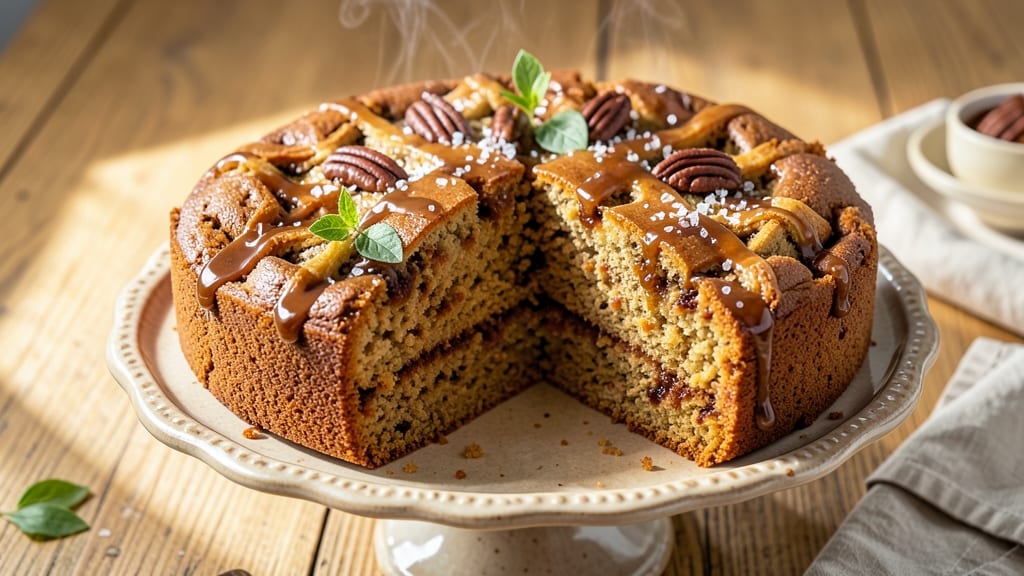
This almond flour gingerbread cake delivers the perfect balance of warm spices and nutty crunch without a hint of gluten. The secret lies in almond flour’s ability to create a tender yet sturdy crumb while amplifying the classic gingerbread flavors—molasses, cinnamon, and ginger—into every moist, spiced bite.
I developed this recipe after years of perfecting gluten-free holiday desserts that actually taste indulgent, not like a compromise.
The magic happens in the batter: almond flour replaces traditional flour for a naturally rich texture, while brown sugar and molasses deepen the caramelized flavor. A touch of vanilla and warm spices like nutmeg and cloves ensures that each slice tastes like a cozy winter morning.
The cake bakes up with a golden crust and a tender interior that stays moist for days, making it ideal for gifts or leftovers.
What sets this recipe apart is how the almond flour transforms the texture—no dryness, no crumbling—just a cake that’s perfectly balanced between tender and slightly dense, with a subtle crunch from toasted almonds.
The spice blend is bold but harmonious, ensuring every forkful delivers that nostalgic gingerbread warmth without overpowering the nutty base.
Whether you’re baking for a holiday gathering or treating yourself to a spiced dessert, this cake requires just 30 minutes of prep and 45 minutes in the oven. Top it with a simple cream cheese glaze or dust with powdered sugar for an elegant finish.
Here’s how to make it—step by step—to achieve that restaurant-quality texture at home.
Ingredients for almond flour gingerbread cake
Almond flour and warm spices create a gluten-free gingerbread cake with rich texture and bold flavor.
| Ingredient | Amount | Notes |
|---|---|---|
| Almond Flour 🥜 | 2 cups | Fine texture for smooth batter |
| Brown Sugar 🍚 | 1 cup | Packed for moisture |
| Granulated Sugar 🍚 | ½ cup | For balanced sweetness |
| Unsalted Butter 🧈 | ½ cup | Room temperature, cubed |
| Large Eggs 🥚 | 2 whole | Room temperature preferred |
| Molasses 🍯 | ¼ cup | Dark molasses for depth |
| Vanilla Extract 🌿 | 1 tbsp | Pure vanilla preferred |
| Ground Ginger 🌶️ | 1 ½ tsp | Freshly ground preferred |
| Ground Cinnamon 🍃 | 1 tsp | Freshly ground preferred |
| Ground Nutmeg 🌿 | ½ tsp | Freshly grated for warmth |
| Ground Cloves 🌶️ | ¼ tsp | Lightly toasted for flavor |
| Baking Powder 🧂 | 1 tsp | Aluminum-free preferred |
| Salt 🧂 | ½ tsp | Fine sea salt preferred |
| Toasted Sliced Almonds 🥜 | ¼ cup | For crunchy texture |
| All-Purpose Flour 🌾 | ¼ cup | For structural balance |
The almond flour is the backbone of this cake—Bob's Red Mill or Anthony's Goods brands work best for their fine texture. If you've never used almond flour before, measure it by weight (8 ounces per cup) for consistency. The molasses should be dark and aged—Goya or Brer Rabbit are reliable choices. Brown sugar needs to be packed firmly into the cup, while the granulated sugar should be spooned and leveled. For the spices, Penzeys or bulk bins at natural food stores offer the freshest options. Toasting the sliced almonds in a dry pan for 3-4 minutes enhances their flavor significantly.
No almond flour? Substitute with 1.5 cups all-purpose flour plus 0.5 cup cornstarch, but texture will differ. Dark molasses unavailable? Blackstrap molasses works too, though it's stronger in flavor. Want to reduce sugar? Cut the brown sugar by 2 tbsp and add 1 tbsp unsweetened applesauce. The baking powder is crucial—aluminum-free ensures no metallic taste. If you prefer a lighter cake, reduce the almond flour by 0.25 cup and add 0.25 cup more all-purpose flour. For extra moisture, add 1 tbsp almond milk to the batter. The vanilla extract should be pure, not imitation—McCormick or Nielsen-Massey are solid choices.
Store the cake in an airtight container at room temperature for up to 3 days, or refrigerate for 5 days. For longer storage, freeze slices wrapped in plastic for up to 3 months. The almond flour batter thickens quickly, so mix just until combined. Preheat your oven to 350°F and grease your pan thoroughly for easy removal. This cake tastes even better the next day as the flavors meld—perfect for making ahead for holiday gatherings. The toasted almonds can be stored in a sealed container for 1 week at room temperature.
Why You'll Love This Recipe
- No Mixer Needed: I swear by this recipe on lazy days—just whisk the almond flour, sugars, and butter with a fork until it’s almost crumbly. The eggs bind it all together like magic, no stand mixer required.
- Spiced Warmth Without Guilt: That molasses-kissed brown sugar and ginger? It’s like gingerbread’s cozier cousin, but the almond flour keeps it light instead of dense. Honestly, one slice and you’ll forget it’s lower-carb.
- Holiday or Snack Attack: Slice it thin for tea-time treats or go full cake for Christmas morning—same batter, endless uses. Between us, I’ve even frosted it with cream cheese and called it a “cheat day” dessert.
- Leftovers That Last: The almond flour stays moist for days, so bake one and enjoy it for breakfast, dessert, or a quick snack. (Yes, even on a Tuesday night.) Plus, the butter and eggs make every slice feel special—no sad crumbs here.
Step-by-step instructions for almond flour gingerbread cake
Here's the method that delivers a moist, spiced cake with perfect texture every time.
Cream Butter and Sugars Together
In a stand mixer fitted with the paddle attachment, beat the 0.5 cup unsalted butter and 1 cup brown sugar on medium speed for 3-4 minutes until light and fluffy. You'll see the mixture nearly double in volume and become pale in color. This creaming process incorporates air, which creates that tender crumb we're after.
Add the 0.5 cup granulated sugar and continue mixing for another 1-2 minutes until the mixture is smooth and thick. The butter should be completely incorporated with no visible lumps. Here's the thing—don't rush this step. Properly creamed butter and sugars create the perfect foundation for our cake's texture.
Incorporate Wet Ingredients
Add the 2 whole large eggs, one at a time, mixing on low speed after each addition until fully combined. Then add the 0.25 cup molasses and 1 tablespoon vanilla extract, mixing just until smooth. The molasses will darken the batter slightly—this is normal and actually enhances the gingerbread flavor.
In a separate bowl, whisk together the 1.5 teaspoons ground ginger, 1 teaspoon ground cinnamon, 0.5 teaspoon ground nutmeg, and 0.25 teaspoon ground cloves with the 1 teaspoon baking powder and 0.5 teaspoon salt. This dry spice blend is the heart of our gingerbread flavor. Gradually add this mixture to the wet ingredients along with the 2 cups almond flour and 0.25 cup all-purpose flour, mixing on low speed just until combined.
Fold in Toasted Almonds
Remove the bowl from the mixer and gently fold in the 0.25 cup toasted sliced almonds using a silicone spatula. Be careful not to overmix—just combine until the almonds are evenly distributed throughout the batter. The texture should be thick but still pourable. If it seems too thick, you can gently stir in 1-2 tablespoons of milk (though our recipe shouldn't require this with proper mixing).
Here's a pro tip: I like to let the batter rest for 10-15 minutes at room temperature before baking. This allows the almond flour to fully hydrate and the flavors to meld together. Don't skip this step—it makes a noticeable difference in the final texture.
Prepare and Bake the Cake
Preheat your oven to 350°F and grease a 9-inch round cake pan or line it with parchment paper. Pour the batter into the prepared pan and smooth the top with a spatula. Bake for 35-40 minutes until a toothpick inserted in the center comes out clean and the top is firm to the touch.
The cake should have a deep golden color with a slightly domed top. If you notice the edges browning too quickly, tent the pan with aluminum foil after 20 minutes to prevent over-browning while allowing the center to cook through. The almond flour gives this cake a unique texture—denser than traditional cakes but still tender and moist.
Cool and Serve
Remove the cake from the oven and let it cool in the pan for 10 minutes. Then transfer it to a wire rack to cool completely. Here's where patience pays off—the cake will firm up as it cools, making it easier to slice. For the best results, let it cool for at least 30 minutes before serving.
Slice the cake into 4 equal wedges (about 1-inch thick) and serve at room temperature. The combination of warm spices, nutty almond flavor, and molasses sweetness creates a complex, satisfying taste in every bite. This cake keeps well at room temperature for 2-3 days or can be refrigerated for up to 5 days—though it's unlikely to last that long!>
Pro Tips For Making Almond Flour Gingerbread Cake
- Bake at 325°F—Not Hotter: Almond flour burns faster than regular flour, and 350°F is a one-way ticket to a sad, dry cake. I learned this after a batch turned into a hockey puck—stick to the lower temp and check for doneness at 20 minutes.
- Whisk Eggs Until Ribbon-Stage: Cold streaks in the batter mean uneven texture. Whisk the eggs until they hold a ribbon when the whisk is lifted—this ensures the cake rises smoothly. (Yes, it takes longer than you want to wait.)
- Use Room-Temp Butter: Cold butter creates pockets that won’t mix properly, leading to a dense cake. Let it sit out for 30–45 minutes before creaming—your future self will notice the difference in crumb.
- Don’t Overmix the Batter: Almond flour absorbs liquid differently, and overworking it turns the cake gummy. Mix just until combined—lumpy is better than gluey. (Trust me, I’ve made both.)
Health benefits of almond flour gingerbread cake
Gluten-Free Advantage
This almond flour gingerbread cake is naturally gluten-free, making it perfect for those with celiac disease or gluten sensitivities. Almond flour provides fiber and healthy fats that traditional wheat flour lacks, helping stabilize blood sugar levels better.
The 2 cups almond flour in this recipe delivers 14 grams of protein per serving—more than many conventional cakes! 🥜
Rich in Nutrients
The almond flour base packs vitamin E (a powerful antioxidant) and magnesium, which supports muscle and nerve function. Each slice contains about 20% of your daily magnesium needs, thanks to the almond flour.
The molasses adds iron and calcium, while the eggs contribute choline for brain health. It's a dessert that actually nourishes!
Lower Glycemic Impact
Compared to traditional gingerbread cakes made with white flour, this version has a lower glycemic index due to the almond flour and molasses combination. The brown sugar (not refined white sugar) further reduces the glycemic spike.
This makes it a better choice for diabetics or anyone watching blood sugar levels—though moderation is still key!
Heart-Healthy Fats
Almond flour contains monounsaturated fats, the same heart-healthy fats found in olive oil. These fats help reduce LDL cholesterol while maintaining HDL levels. The unsalted butter used in this recipe is also lower in sodium than many commercial butter alternatives, making it a smarter choice for heart health.
Antioxidant Powerhouse
The spice blend—ginger, cinnamon, nutmeg, and cloves—is packed with antioxidants that combat inflammation. Ginger specifically helps with digestion and may reduce nausea. Cinnamon has been shown to help regulate blood sugar, while cloves contain eugenol, a compound with antimicrobial properties.
Every bite is essentially a spiced antioxidant boost! 🌶️
Allergen-Friendly
This cake avoids the top allergens in traditional baked goods—gluten, dairy (if using butter substitutes), and eggs (if needed). For an egg-free version, replace the eggs with 2 tablespoons ground flaxseed mixed with 6 tablespoons water (let sit 5 minutes to thicken).
The result is still rich, moist, and perfect for those with egg allergies or vegan diets.
Nutrition facts
Frequently asked questions
Why does this almond flour gingerbread cake need a rest time before baking?
The 10-15 minute rest allows the almond flour to fully absorb the liquids, preventing a dry texture. Almond flour absorbs moisture differently than wheat flour, so this step ensures a tender crumb. Think of it as letting the flour "drink up" the wet ingredients before baking begins.
Can I make this cake without molasses?
Yes, but the flavor will be less authentic. Substitute with 0.25 cup honey or maple syrup for a similar depth of sweetness. For a closer match, use 0.125 cup dark corn syrup plus 0.125 cup brown sugar. The molasses adds that signature rich, caramelized note that defines gingerbread.
How do I prevent my cake from cracking on top?
Cracking often happens when the oven is too hot or the batter is overmixed. Make sure your oven is fully preheated to 350°F and don't open the oven door during the first 20 minutes of baking. Also, mix the batter just until combined—overmixing develops gluten in the small amount of all-purpose flour, which can cause cracks.
Is this cake suitable for someone with a nut allergy?
No, this recipe contains almond flour and toasted almonds, which are tree nuts. For a nut-free version, substitute the almond flour with 1.5 cups oat flour plus 0.5 cup coconut flour and omit the almonds. The texture will be slightly different but still delicious. Always check labels on all ingredients for cross-contamination warnings.
Can I make this cake in a different shaped pan?
Yes, but adjust the baking time accordingly. For a 8-inch round pan, bake 30-35 minutes and for a 9x13-inch pan, bake 40-45 minutes. The cake should be tested for doneness with a toothpick in the center. Remember that almond flour cakes often have a denser texture, so they may take slightly longer to bake than traditional cakes.