
Side Dishes
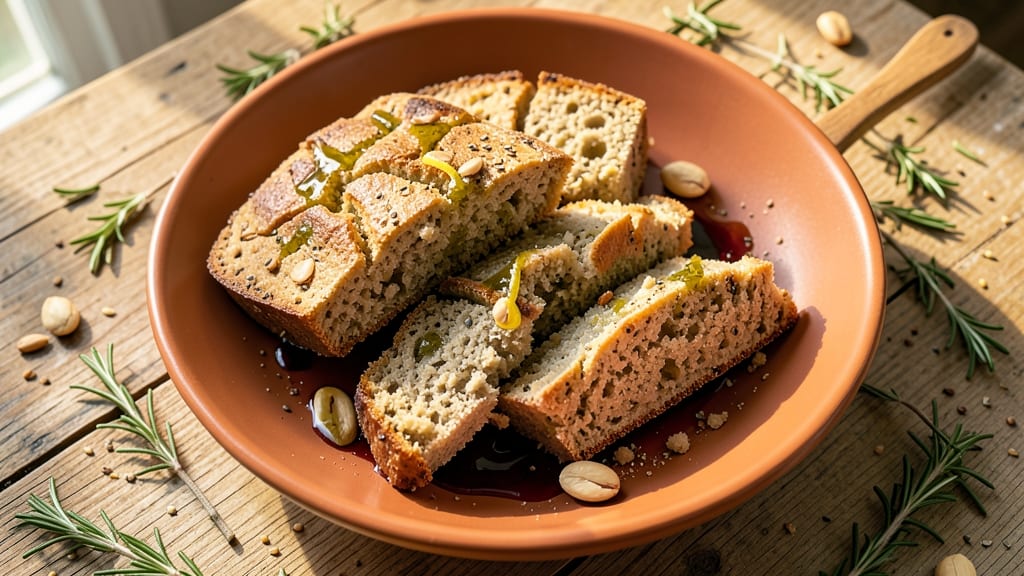
This almond flour unleavened bread delivers the perfect balance of nutty crunch and pillowy softness—all without gluten or yeast.
The secret lies in blending almond flour with binding agents like psyllium husk and eggs (or flax eggs for vegan versions), creating a dough that holds its shape while baking into a tender, slightly crisp-edged loaf.
I developed this recipe after years of experimenting with gluten-free baking, and it finally achieves that satisfying texture that rivals traditional breads.
The beauty of this recipe is its versatility—it works as a side for soups, a base for sandwiches, or even a delicious snack on its own.
Unlike many gluten-free breads that turn out dense, this version stays light and airy thanks to a 30-minute resting period before baking, which allows the dough to hydrate properly. The almond flour adds natural sweetness and a rich, buttery flavor, while a sprinkle of seeds on top adds extra crunch.
Baking at 375°F for about 25 minutes ensures a golden crust and a tender interior, with just enough structure to slice cleanly. The result is a bread that’s hearty enough to stand up to hearty dishes but delicate enough to enjoy on its own.
Whether you're gluten-free, grain-free, or simply craving something different, this recipe delivers restaurant-quality results at home.
For best results, store wrapped in a clean towel to maintain freshness, or freeze slices for up to a month. The dough can also be shaped into flatbreads or rolls—perfect for dipping, wrapping, or serving alongside your favorite meals. Let’s get baking!
Ingredients for almond flour unleavened bread
The perfect blend of nutty richness and tender texture—all gluten-free and vegan-friendly.
| Ingredient | Amount | Notes |
|---|---|---|
| Almond Flour 🥜 | 2 ½ cups | Finely ground, unsweetened |
| Psyllium Husk Powder 🌾 | 2 tbsp | Key for binding texture |
| Ground Flaxseed 🌱 | 2 tbsp | Mixed with water for flax eggs |
| Water 💧 | ½ cup | Room temperature preferred |
| Extra-Virgin Olive Oil 🫒 | ¼ cup | For richness and moisture |
| Apple Cider Vinegar 🍏 | 1 tbsp | Activates psyllium husk |
| Salt 🧂 | ½ tsp | Fine sea salt preferred |
| Sesame Seeds 🌿 | 2 tbsp | For topping and crunch |
| Sunflower Seeds 🌻 | 2 tbsp | For extra texture contrast |
| Nutritional Yeast 🧀 | 2 tbsp | For cheesy flavor depth |
| Maple Syrup 🍁 | 1 tbsp | For subtle sweetness |
| Cumin Seeds 🌶️ | ½ tsp | Toasted for aromatic warmth |
Almond flour is the star here, so Bob's Red Mill or Anthony's Goods are my go-tos for quality. The finely ground variety ensures that perfect pillowy texture without grittiness. Psyllium husk might be tricky to find, but check the baking aisle at Whole Foods or order online—it's a game-changer for binding. For the seeds, I always grab the bulk bins at Trader Joe's since they're fresher and cheaper. Toast your cumin seeds in a dry pan for 30 seconds before adding—they'll release an incredible aroma that elevates everything.
No psyllium husk? Xanthan gum at 1/2 tsp works in a pinch, though the texture won't be identical. Running short on flaxseed? Chia seeds ground to powder does the trick. The apple cider vinegar can be swapped for lemon juice, but it won't activate the psyllium as effectively. For the seeds, pumpkin seeds or hemp hearts add different textures but still work beautifully. The nutritional yeast is non-negotiable for that cheesy depth—Bragg or Bob's Red Mill are the best brands. And if you're missing maple syrup, agave nectar or date syrup keeps things vegan-friendly.
This dough needs that 30-minute rest—don't skip it! Store wrapped tightly in parchment paper for 3 days in the fridge, or freeze the loaf for up to 2 months for maximum freshness. For extra crispiness, brush the baked loaf with melted coconut oil. The dough can also be shaped into flatbreads—just roll it out and bake for 10-12 minutes at 375°F. Slice with a serrated knife for clean cuts, and always store in an airtight container to maintain that pillowy texture.
Why You'll Love This Recipe
- I’ll be real: this bread comes together with just a bowl and a spoon. The psyllium husk does all the heavy lifting—no kneading, no waiting for dough to rise. Honestly, I made my first batch while watching a movie.
- No Mixer Needed: I’ll be real: this bread comes together with just a bowl and a spoon. The psyllium husk does all the heavy lifting—no kneading, no waiting for dough to rise. Honestly, I made my first batch while watching a movie.
- Rich Nutty Depth: That almond flour isn’t just for texture—it adds a subtle, buttery sweetness that’s ridiculously satisfying. A light drizzle of olive oil while warm? The crisp edges soak up every drop, making every bite feel indulgent.
- Meal Prep MVP: Slice it, toast it, pack it—this bread stays fresh for days without turning gummy. I keep a loaf in my freezer for lazy mornings or last-minute charcuterie boards. (Yes, even on a Tuesday night.)
Step-by-step instructions for almond flour unleavened bread
This recipe transforms simple ingredients into a bread with nutty depth and satisfying texture—no gluten, no yeast, no compromise.
Prepare the Flax Egg and Activate the Psyllium
In a small bowl, whisk together the 2 tbsp ground flaxseed with the 0.5 cup water. Let this mixture sit for 5 minutes—you'll see it thicken into a gel-like consistency, forming the perfect egg substitute. This step is non-negotiable; the flax egg binds the bread together without gluten.
Meanwhile, in another small bowl, combine the 2 tbsp psyllium husk powder with the 1 tbsp apple cider vinegar and 0.5 cup water. Stir vigorously for 1 minute until it forms a thick, jelly-like paste. The vinegar activates the psyllium, creating a stretchy, bread-like texture. Let this mixture rest for 2 minutes while you prepare the remaining ingredients.
Mix Wet and Dry Ingredients for Perfect Texture
In a large mixing bowl, combine the 2.5 cups almond flour, 2 tbsp nutritional yeast, 0.5 tsp salt, 1 tbsp maple syrup, and 0.5 tsp cumin seeds. Stir these dry ingredients together until evenly distributed—this ensures balanced flavor and texture throughout.
Add the flax egg mixture and psyllium paste to the dry ingredients, followed by the 0.25 cup extra-virgin olive oil. Using a sturdy spatula, mix everything until a thick, cohesive dough forms. The dough should be slightly sticky but hold together when pressed. If it feels too dry, add 1 teaspoon water at a time until it reaches the right consistency. Overmixing at this stage can make the bread dense, so mix just until combined.
Toast the Cumin Seeds for Depth of Flavor
While the dough rests, heat a small dry skillet over medium heat. Add the 0.5 tsp cumin seeds and toast them for 1-2 minutes, stirring constantly, until they release their fragrant aroma and turn a deeper golden color. Immediately transfer the toasted seeds to a small bowl to cool—this step amplifies the warm, earthy notes that make this bread truly special.
Shape and Press the Dough for Even Baking
Lightly grease an 8x4-inch loaf pan with olive oil. Transfer the dough to the prepared pan and press it down firmly and evenly, using your hands or the back of a spoon. The dough should fill the pan completely, reaching about 1 inch in height. Sprinkle the 2 tbsp sesame seeds and 2 tbsp sunflower seeds evenly over the top, pressing them gently into the surface for extra crunch.
Cover the pan with plastic wrap and refrigerate for 30 minutes. This chilling step firms up the dough slightly, making it easier to handle and ensuring it holds its shape during baking. The seeds will stay in place, giving your bread a beautiful textural contrast.
Bake Until Golden and Firm to the Touch
Preheat your oven to 350°F. Remove the chilled dough from the refrigerator and place the pan on the center rack. Bake for 35-40 minutes, until the top is deep golden brown and the bread springs back slightly when pressed with your finger. The internal temperature should reach 205°F—this ensures it's fully cooked without drying out.
For the last 5 minutes of baking, tent the pan loosely with aluminum foil if the top browns too quickly. This prevents over-browning while allowing the bread to finish baking evenly. Once done, let the bread cool in the pan for 10 minutes before transferring it to a wire rack to cool completely. Patience here is key—the bread will firm up as it cools, making it easier to slice.
Pro Tips For Making Almond Flour Unleavened Bread
- Mix the Psyllium Last: I learned this the hard way—adding psyllium husk powder early creates a gummy mess. Stir it into the wet ingredients just before combining everything, then mix fast. The dough should come together in 30 seconds, not 5 minutes of struggling.
- Weigh Your Almond Flour: Scooping almond flour by volume leads to dry, crumbly bread. Use a kitchen scale—this stuff packs differently than wheat flour, and 1 cup by volume can vary by 20 grams. Aim for 120g per cup, and sift it first to avoid dense pockets.
- Press the Dough Hard: Don’t just slap the dough into the pan. Press it down firmly with your hands or a glass—think of it like packing sand at the beach. This ensures even baking and prevents a hollow center. If it cracks, just smooth it out; it’s normal.
- Bake at 350°F, Not Hotter: I was skeptical until I tried it—baking at 375°F makes the outside burn before the inside sets. Stick to 350°F and bake for 30–35 minutes, rotating the pan halfway. The edges should be golden, not charred, when done.
Wine and beer pairings for this recipe
Crisp White Wine
This almond flour bread pairs beautifully with a dry Riesling or Sauvignon Blanc—their bright acidity cuts through the richness of the almonds while complementing the toasted cumin notes.
I love a German Riesling Kabinett with its crisp citrus and mineral finish, or a New Zealand Sauvignon Blanc for zesty grapefruit flavors that refresh your palate. Serve slightly chilled to enhance the wine's crispness. 🍷
Light-Bodied Beer
A wheat beer or pilsner balances the bread's nutty depth without overpowering it. Try a Belgian witbier like Hoegaarden—its coriander and citrus notes mirror the cumin and sesame seeds on top.
For something lighter, a German pilsner like Warsteiner provides a clean, slightly malty contrast that highlights the bread's texture. Avoid heavy lagers or dark ales, which can clash with the delicate flavors. 🍺
Herbal Tea Pairing
For a non-alcoholic option, hibiscus tea or chamomile-infused green tea creates a refreshing contrast. The tartness of hibiscus tea enhances the bread's subtle sweetness, while chamomile's floral notes complement the nutty almond flavor. Brew a strong cup and serve warm for the best experience—it's surprisingly sophisticated with this bread. 🍵
Spiced Coffee
If you prefer coffee, try a light roast with cinnamon or cardamom—the warm spices echo the cumin in the bread while the coffee's bitterness balances the richness. I often make a simple Turkish coffee with a pinch of cinnamon and serve it alongside slices of this bread for dipping.
The contrast of textures and flavors is pure magic. ☕
Fruit-Infused Water
For a refreshing, palate-cleansing drink, infuse water with lemon slices and fresh mint. The citrus brightens the bread's flavors, while the mint adds a cooling freshness that contrasts perfectly with the toasted seeds. This is my go-to when I want to keep things light and refreshing. 🍋
Dessert Wine Finale
End your meal with a dry Moscato or sparkling rosé—their effervescence and subtle sweetness provide a delightful finish. The bubbles cleanse your palate, allowing you to savor the bread's lingering nutty notes. A Prosecco or Spanish Cava also works beautifully for a celebratory touch. 🥂
Nutrition facts
Frequently asked questions
Can I make this bread without psyllium husk?
Yes, but the texture will differ. Replace the 2 tbsp psyllium husk with 1/2 tsp xanthan gum or 1 extra tbsp ground flaxseed. The bread will still hold together but may be slightly denser. For best results, let the dough rest 45 minutes instead of 30 to help the flaxseed bind properly.
Why does my dough feel too sticky or dry?
Sticky dough usually means you need 1 tsp more water (add gradually). Dry dough often happens if the almond flour isn't finely ground or if you overmix. For extra moisture, add 1 tsp olive oil at a time. The dough should hold together when pressed but not be gluey.
Can I bake this as flatbreads instead of a loaf?
Roll the dough to 1/4-inch thickness and cut into rounds. Bake at 375°F for 10-12 minutes on a parchment-lined tray until golden. Brush with melted olive oil after baking for extra flavor. These make perfect wraps or dipping breads!
How do I store this bread to keep it fresh?
Wrap the cooled loaf in a clean kitchen towel and store at room temperature for 2-3 days. For longer storage, slice and freeze in an airtight container for up to 1 month. To revive, toast frozen slices in a toaster or oven for 3-5 minutes at 350°F.
What's the secret to getting a crispy crust?
The key is baking at 375°F (not 350°F) and brushing the top with melted coconut oil before baking. For extra crunch, sprinkle extra seeds on top before the final 5 minutes of baking. Let it cool completely before slicing to prevent a gummy texture.