
Side Dishes
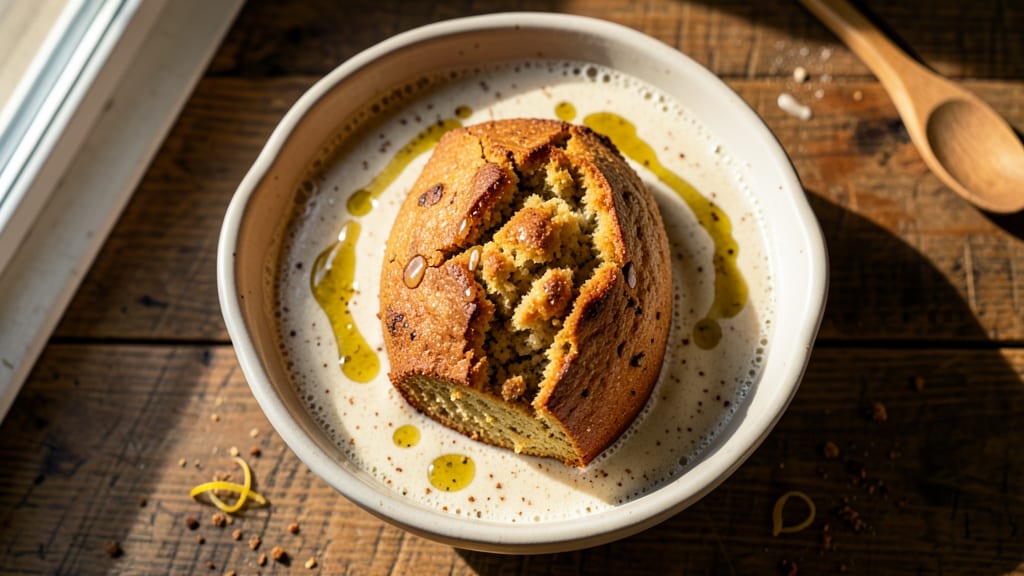
This almond flour soda bread delivers a crispy crust and light, airy crumb that rivals traditional bread—without a single grain. The secret lies in the perfect balance of almond flour, baking soda, and a touch of moisture that creates a tender yet sturdy texture.
Unlike dense gluten-free loaves, this version rises beautifully and holds its shape, making it ideal for toast, sandwiches, or serving alongside soups.
The recipe uses simple ingredients you likely already have, including almond flour, baking soda, and a splash of buttermilk (or a dairy-free substitute). The batter comes together in minutes, and with just 350°F for 30-35 minutes, you’ll have a golden, fragrant loaf ready to slice.
The almond flour adds natural sweetness and a subtle nuttiness, while the baking soda ensures a fluffy rise without yeast.
What sets this apart is the crispy exterior that stays crisp even after cooling, paired with a soft, crumbly interior. It’s perfect for those following grain-free or gluten-free diets but tastes so good that everyone at the table will ask for seconds.
Serve it warm with butter, jam, or alongside a hearty stew for a satisfying, dietary-friendly centerpiece.
For extra flavor, consider topping the batter with seeds (sesame or poppy) or herbs before baking. The bread keeps well at room temperature for a few days or can be frozen for longer storage.
Whether you’re baking for dietary needs or simply craving something new, this recipe delivers restaurant-quality results at home.
Ingredients for almond flour soda bread
Simple ingredients, professional results—this almond flour bread delivers crispy crust and airy crumb effortlessly.
| Ingredient | Amount | Notes |
|---|---|---|
| Almond Flour 🥜 | 2 ½ cups | Finely ground, unsweetened preferred |
| Baking Soda 🧂 | 1 ½ tsp | Freshly opened for best rise |
| Buttermilk 🥛 | ¾ cup | Dairy or unsweetened almond milk alternative |
| Large Eggs 🥚 | 2 whole | Room temperature for even mixing |
| Extra-Virgin Olive Oil 🫒 | ¼ cup | For moisture and richness |
| Pure Vanilla Extract 🌿 | 1 tsp | For subtle sweetness |
| Sea Salt 🧂 | 1 tsp | Fine grain preferred |
| Sesame Seeds 🌾 | 2 tbsp | For topping, optional |
| Poppy Seeds 🌾 | 1 tbsp | For topping, optional |
| Unsalted Butter 🧈 | ½ cup | Melted for brushing crust |
| Raw Honey 🍯 | 1 tbsp | For brushing crust (optional) |
| Fresh Rosemary 🌿 | 1 tbsp | Chopped, for topping (optional) |
Almond flour is the star here, so choose a finely ground, unsweetened version—the texture makes all the difference. Bob’s Red Mill or Anthony’s Goods are reliable brands, but check the label for any added gums or sweeteners. The flour should be vibrant and nutty-smelling, not stale. If you're buying whole almonds to grind your own, pulse them in a food processor until you get a fine, powdery consistency—no gritty bits. The baking soda is critical for that signature rise, so open the container fresh before measuring. If it's been sitting in your pantry for months, it may have lost potency.
No buttermilk? Mix 0.75 cup milk (dairy or almond) with 1 tsp vinegar or lemon juice—let it sit 5 minutes to curdle. The eggs add structure, but if you're vegan, flax eggs (2 tbsp ground flaxseed + 6 tbsp water per egg) work beautifully. For the olive oil, extra-virgin is ideal, but any neutral oil in a pinch. The sesame and poppy seeds are optional but add that bakery-style crunch—Trader Joe’s has pre-portioned packets if you want to skip measuring. Fresh rosemary is a game-changer for flavor, but dried works at half the amount if you're in a hurry.
This bread keeps best at room temperature in a loaf pan with a clean kitchen towel for up to 3 days—it stays crispy longer that way. For longer storage, wrap tightly in foil and freeze for up to 3 months. Reheat slices in a toaster or under the broiler for 2-3 minutes to restore crispiness. The butter and honey brushing is optional but worth it—melt the butter first to avoid lumps. Portion into individual slices before freezing if you want grab-and-go toast in the morning.
Why You'll Love This Recipe
- No Mixer Needed: I swear by this recipe when I’m too tired to measure flour by the cup. Just toss the almond flour, baking soda, and salt in a bowl, crack in the eggs, drizzle the olive oil, and stir in the buttermilk—no electric help required. The dough comes together faster than you can say "soda bread."
- Rich Without the Gluten: That buttermilk and olive oil combo? It’s the secret weapon here. The bread has this deep, nutty warmth from the almond flour, but the tangy buttermilk keeps it from tasting dry or heavy. Honestly, it’s the kind of flavor that makes you forget it’s gluten-free.
- Weeknight & Picnic Hero: Between us, this bread is my go-to for lazy dinners—slather it with butter and jam for breakfast, or pack slices for lunch. It stays fresh for days, so I can bake one batch and not think about bread for a week. (Yes, even on a Tuesday night.)
- Budget-Friendly Luxury: Almond flour might sound fancy, but a little goes a long way, and the rest of the ingredients are pantry staples. I make two loaves at once, freeze half, and still save money compared to buying artisanal bread. Plus, the leftovers? Perfect for toast crumbs or breadcrumbs.
Step-by-step instructions for almond flour soda bread
Transform simple ingredients into a golden, crisp-crusted loaf with a light, airy interior.
Mix Wet Ingredients for Perfect Texture
In a large mixing bowl, whisk together the 0.75 cup buttermilk, 2 whole large eggs, 0.25 cup extra-virgin olive oil, 1 tsp pure vanilla extract, and 1 tsp sea salt. The buttermilk should be at room temperature to ensure even incorporation. I like to whisk vigorously for about 30 seconds until the mixture is completely smooth—this prevents any future lumps that could affect the bread's texture.
Here's the thing—adding the eggs last helps create a stable emulsion with the olive oil, which keeps the crumb tender. If you notice any separation, simply whisk again until fully combined. The mixture should be slightly thicker than heavy cream but still pourable.
Combine Dry Ingredients Gently
In a separate bowl, sift together the 2.5 cups almond flour and 1.5 tsp baking soda. Sifting prevents dense pockets in the batter and ensures even distribution of the leavening agent. Gradually add the dry mixture to the wet ingredients while stirring gently with a spatula—just until combined. Overmixing develops gluten in the almond flour, which can make the bread dense rather than light and airy.
Stop mixing as soon as the batter comes together. You'll see some streaks of flour remaining, and that's perfect. The goal is to maintain as much air as possible in the batter for that signature soda bread rise. If the batter looks too thick, you can add 1-2 tablespoons of buttermilk to loosen it slightly.
Shape the Loaf for Even Baking
Transfer the batter to a parchment-lined loaf pan (about 9x5 inches). Using a spatula, spread the batter evenly, tapping the pan gently on the counter to release any air bubbles. The batter should come up about ¾ of the way in the pan—don't overfill, as the bread will rise significantly.
For that classic rustic look, I recommend using your hands to create a slight dimple in the center of the loaf. This prevents excessive expansion in one direction and helps create a more even crust. Once shaped, let the batter rest at room temperature for 15-20 minutes while you preheat the oven.
Bake for a Golden, Crispy Crust
Preheat your oven to 350°F. While it heats, melt the 0.5 cup unsalted butter in a small saucepan over low heat. Once melted, remove from heat and stir in the 1 tbsp raw honey and 1 tbsp chopped fresh rosemary. Brush this mixture generously over the top of the loaf—this creates that signature crispy crust while adding subtle sweetness and herbal notes.
Sprinkle the 2 tbsp sesame seeds and 1 tbsp poppy seeds evenly over the top for texture and visual appeal. Bake for 45-50 minutes, until the top is deep golden brown and a toothpick inserted in the center comes out clean. The internal temperature should reach 190°F—this ensures the bread is fully baked without drying out.
Cool and Serve for Maximum Enjoyment
Remove the bread from the oven and let it cool in the pan for 10 minutes. Then transfer it to a wire rack to cool completely. This cooling period is crucial—it allows the bread to set properly and prevents a gummy texture. While cooling, you'll notice the crust becomes even more crispy as it firms up.
Slice the bread while still slightly warm for the best texture. Each slice should reveal an airy, crumbly interior with a crisp exterior. Serve with your favorite butter or jam, or use it to make delicious toast. The bread keeps well at room temperature for 2-3 days or can be frozen for up to 1 month for freshness whenever you need it.
Pro Tips For Making Almond Flour Soda Bread
- Mix the Dough Just Until Combined: I learned this the hard way—overmixing almond flour dough turns it gummy. Stop when the ingredients look shaggy, not smooth. Almond flour lacks gluten, so it won’t develop like wheat flour, and forcing it will ruin the texture.
- Use Room-Temperature Eggs: Cold eggs make the dough stiff and uneven. Crack them into a bowl 10 minutes before mixing, or run them under warm water for 30 seconds. The batter should coat the spoon easily—if it clumps, your bread will be dense.
- Don’t Overcrowd the Pan: Almond flour bread spreads more than wheat bread. Fill your loaf pan only ⅔ full, or bake in a smaller pan. I once tried a full 9x5-inch pan, and the edges burned before the center cooked—now I use an 8x4-inch loaf pan for perfect rise.
- Add Olive Oil Last: Pour the extra-virgin olive oil in after mixing everything else. It keeps the dough from drying out while you shape it, and it adds that rich flavor without making the bread greasy. (Yes, even if you’re impatient like me, wait until the very end.)
Flavor customization for this recipe
Sweet Variations
For a dessert-style loaf, swap the sesame seeds for 1 tbsp cinnamon and add ¼ cup chopped dates or 2 tbsp maple syrup to the wet ingredients. This creates a naturally sweet, moist bread perfect for breakfast or as a snack with a dollop of whipped cream.
I love using Bob’s Red Mill cinnamon for its warm, aromatic flavor. 🍯
Herb-Infused Twist
Boost the savory profile by adding 1 tbsp chopped fresh thyme or 1 tbsp chopped fresh dill to the batter. The herbs pair beautifully with the nuttiness of the almond flour, creating a bread that’s perfect for serving alongside soups or charcuterie boards.
For extra flavor, sprinkle 1 tbsp dried herbs on top before baking if fresh isn’t available.
Spiced Cranberry
Add a festive touch by mixing ½ cup dried cranberries (chopped) and ½ tsp pumpkin pie spice into the batter. The tartness of the cranberries balances the richness of the almond flour, while the spices add warmth.
This variation is especially magical during the holidays and pairs wonderfully with holiday cheese platters. Use Trader Joe’s dried cranberries for a consistent texture. 🎄
Cheesy Garlic
For a savory kick, fold in ½ cup shredded cheddar cheese and 1 tsp garlic powder into the batter. The cheese melts into the bread, creating pockets of gooey goodness, while the garlic adds depth.
This version is perfect for sandwiches or as a side to spicy dishes. I recommend using sharp cheddar for the best flavor impact.
Citrus Zest
Brighten up the flavor with 1 tbsp lemon zest or 1 tbsp orange zest added to the wet ingredients. The citrus zest adds a refreshing tang that cuts through the richness of the almond flour.
This variation is ideal for breakfast or pairing with light, fresh salads. Use organic citrus for the best flavor and avoid any bitter pith.
Everything Bagel
Create a flavor explosion by topping the batter with a mix of 1 tbsp sesame seeds, 1 tbsp poppy seeds, 1 tbsp garlic granules, 1 tbsp onion flakes, and 1 tsp dried parsley.
This everything bagel-inspired topping adds a savory crunch and complexity that’s perfect for dipping in hummus or pairing with smoked salmon. Pre-mixed seasoning blends from Trader Joe’s make this even easier. 🧅
Nutrition facts
Frequently asked questions
Why does almond flour bread turn out dense instead of light and airy?
Overmixing the batter or using old baking soda are the most common culprits. Almond flour lacks gluten, so gentle folding is key—stop mixing as soon as the dry ingredients disappear. Also, fresh baking soda (within 6 months) is essential for proper rise. If your batter looks too thick, add 1-2 tbsp buttermilk to improve aeration.
Can I make this recipe without eggs for a vegan version?
Replace the 2 eggs with 2 flax eggs (2 tbsp ground flaxseed + 6 tbsp water per egg) or ½ cup unsweetened applesauce. Let the flax mixture sit for 5 minutes to thicken before using. The texture will be slightly denser but still delicious.
How do I store almond flour bread to keep it crispy?
Store it in an airtight container at room temperature for up to 3 days. For longer storage, wrap individual slices in parchment paper and freeze for up to 1 month. To restore crispiness, toast slices in a toaster or under the broiler for 2-3 minutes before serving.
What's the best way to reheat sliced almond flour bread?
For maximum crispiness, use a toaster or toaster oven set to 375°F for 1-2 minutes per side. If you prefer a softer texture, warm slices in a 350°F oven for 5-7 minutes wrapped in foil. Microwaving works in a pinch but may make the crust soggy.
Can I use this bread for sandwiches or does it crumble too easily?
This bread holds up surprisingly well for sandwiches! For extra stability, lightly toast slices before assembling, and use a thin layer of butter or cream cheese as "glue." It works best with soft fillings like avocado, hummus, or fresh veggies rather than heavy meats that might tear through the crumb.