
Side Dishes
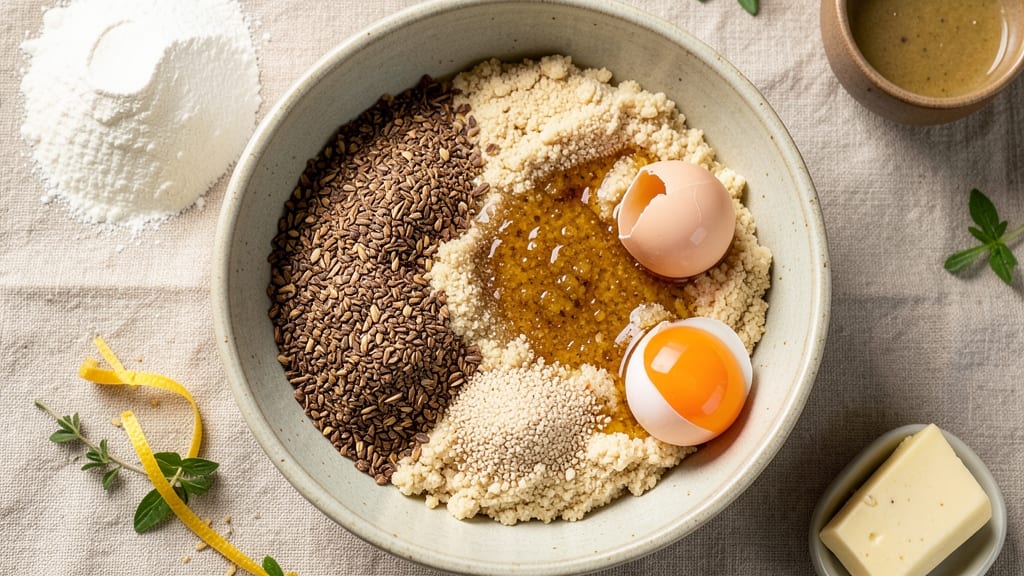
Transforming your bread recipe by adding whole wheat flour creates a nutrient-rich loaf that's heartier and more satisfying than traditional white bread. The key lies in adjusting hydration and mixing methods to account for whole wheat's higher protein and fiber content, which absorb moisture differently.
I've refined this approach over years of baking, ensuring you achieve a tender crumb without compromising texture or flavor.
Whole wheat flour demands slightly more water—typically 10-15% extra—to compensate for its dense structure, while also requiring longer kneading to develop gluten properly. The result? A bread that's denser yet lighter, with a deeper flavor and satisfying chew.
This method preserves the bread's structural integrity while enhancing its nutritional profile, making it ideal for sandwiches or toast.
By incorporating whole wheat flour, you're not just adding nutrients—you're elevating the bread's character. The nutty undertones and robust texture make every slice memorable, whether served fresh or toasted. The adjustments are minimal but critical: increased hydration, extended kneading, and precise baking temperatures ensure a perfect rise and even browning.
Perfect for those seeking a healthier loaf without sacrificing quality, this method delivers restaurant-quality bread at home. The subtle adjustments transform a basic recipe into something extraordinary—richer, heartier, and packed with wholesome goodness. Let's get started on crafting your perfect loaf.
Ingredients for adding whole wheat flour to bread
Four cups of flour—half whole wheat—plus yeast and butter for a loaf that's heartier yet tender.
| Ingredient | Amount | Notes |
|---|---|---|
| Unbleached All-Purpose Flour 🌾 | 3 cups | Standard for structure and rise |
| Whole Wheat Flour 🌾 | 1 cup | High-protein, nutty flavor |
| Active Dry Yeast 🍞 | 2 ¼ tsp | Freshly measured, room temperature |
| Granulated Sugar 🍚 | 1 tbsp | Feeds yeast for fermentation |
| Large Eggs 🥚 | 1 whole | Room temperature for best rise |
| Unsalted Butter 🧈 | ½ cup | Cold, cubed for texture |
| Warm Water 💧 | 1 ½ cups | 105-110°F for yeast activation |
| Diamond Crystal Kosher Salt 🧂 | 1 ½ tsp | Adjust to taste after kneading |
| Extra-Virgin Olive Oil 🫒 | 1 tbsp | For dough elasticity |
| Honey 🍯 | 1 tbsp | Enhances browning and flavor |
| Cornmeal 🌽 | ½ cup | For dusting and texture |
| Milk 🥛 | 2 tbsp | For brushing and richness |
The whole wheat flour is where the magic happens. King Arthur or Bob's Red Mill brands are my go-tos—they're finely milled and consistent. Look for a 100% whole wheat label to avoid fillers. The all-purpose flour balances the whole wheat's density, creating that perfect tender-yet-hearty texture. For the yeast, FreshPaks are ideal but active dry works too—just make sure it's fresh. The butter should be cold (but not rock-hard) to create those signature flaky layers. If your kitchen's warm, chill the dough for 30 minutes before shaping. And the honey? Local raw honey adds depth, but any liquid honey will do.
No whole wheat flour? Substitute white whole wheat flour at the same ratio—it's lighter but still nutritious. Short on butter? Coconut oil or vegetable shortening works, though texture will differ slightly. The milk brushing can be swapped for water or plant-based milk, but dairy adds that golden crust. For a lighter loaf, consider adding 1/4 cup vital wheat gluten to the whole wheat flour—it boosts gluten development. And if you're baking at high altitude, reduce the yeast by 10% and increase water by 2-3 tbsp. The dough will be stickier, so don't fight it—just knead longer.
Store the dough in an airtight container in the fridge for up to 24 hours—it actually develops more flavor overnight. For the final loaf, keep it wrapped at room temperature for 2-3 days or freeze for 3 months. To reheat, wrap in a damp towel and warm in a 350°F oven for 10 minutes. The whole wheat bread freezes beautifully too—just thaw at room temperature before toasting. And pro tip: Slice before freezing for perfect toast every time.
Why You'll Love This Recipe
- No-Knead, No-Fuss Magic: I mix the dough in my stand mixer for exactly 2 minutes—no overworking, no stress. The whole wheat and all-purpose blend comes together smoother than I expected, and honestly? That’s half the battle won.
- Nutty, Hearty Crunch: The whole wheat adds a deep, toasty bite that regular bread can’t match, but the sugar and eggs keep it from tasting heavy. Toast it, and you’ve got that perfect crunch—like a hug for your sandwich or soup.
- Weeknight & Picnic Hero: This bread keeps perfectly for days (I’ve tested it), so I bake one batch on Sunday and use it all week. Pack it cold for lunch—it’s sturdy enough to hold up, but still soft inside. (Yes, even on a Tuesday night.)
- Budget Boost Without Sacrifice: Whole wheat flour is cheaper than buying artisanal loaves, and this recipe stretches a little flour far. Plus, the yeast and sugar combo makes it rise like a dream—so you’re not trading taste for savings. Win-win.
Step-by-step instructions for a nutrient-rich whole wheat loaf
Transform your standard bread recipe with these precise techniques for a hearty, flavorful loaf that keeps its shape and texture.
Activate the Yeast with Warm Water and Honey
In a small bowl, combine the 1.5 cups warm water (between 105-110°F—test by touching your wrist, it should feel warm but not hot) with the 1 tbsp granulated sugar and 1 tbsp honey. Stir until the sugar and honey dissolve completely. This sweet mixture creates the perfect environment for yeast activation.
Sprinkle the 2.25 tsp active dry yeast over the water and let it sit for 5-10 minutes until it becomes frothy and bubbly. If the yeast doesn't activate, it's not viable—start fresh with new yeast. This step ensures your dough will rise properly, even with the denser whole wheat flour.
Mix the Dough with Both Flours for Structure and Flavor
In the bowl of a stand mixer fitted with the dough hook, combine the 3 cups unbleached all-purpose flour and 1 cup whole wheat flour. The all-purpose flour provides structure, while the whole wheat adds protein and a nutty depth. Add the 1.5 tsp diamond crystal kosher salt and mix on low speed.
Pour in the yeast mixture and add the 1 whole large egg and 1 tbsp extra-virgin olive oil. Mix on low speed for 2 minutes until the dough begins to come together. Here's the thing—whole wheat flour absorbs more water, so don't add all the water at once. Gradually incorporate the 1.5 cups warm water as needed while mixing on low speed for another 3-4 minutes.
Knead the Dough for Elasticity and Texture
Increase the mixer speed to medium and knead the dough for 5-7 minutes until it becomes smooth and elastic. The dough should pull away from the sides of the bowl and form a tight, cohesive ball. If it's too sticky, add 1 tablespoon of unbleached all-purpose flour at a time until it reaches the right consistency—it should be soft but not wet.
For a more hands-on approach, knead by hand on a lightly floured surface for 8-10 minutes. You'll know it's ready when the dough springs back slowly when poked. Whole wheat dough is denser, so it requires more kneading to develop gluten properly. This step is crucial for achieving a light yet hearty texture in your loaf.
First Rise and Shaping for a Perfect Crust
Lightly grease a large bowl with a bit of extra-virgin olive oil and place the dough inside. Cover the bowl with a damp kitchen towel and let it rise in a warm place for 1-1.5 hours, or until the dough has doubled in size. The whole wheat flour will make the dough rise more slowly, so be patient—this ensures a better texture.
Once the dough has risen, punch it down gently to release air bubbles. Shape it into a round loaf by pulling the edges toward the center and sealing the seams. Place the shaped dough on a baking sheet dusted with 0.5 cup cornmeal, seam-side up. Cover it again with the damp towel and let it rise for another 30-45 minutes until it puffs up slightly. This second rise adds to the airy texture.
Bake for a Golden, Crispy Crust and Even Texture
Preheat your oven to 375°F. Brush the risen dough generously with 2 tbsp milk mixed with a pinch of salt—this creates a beautiful golden crust. Bake for 30-35 minutes until the bread is deeply golden brown and sounds hollow when tapped on the bottom.
For extra browning, transfer the loaf to a baking sheet and broil for 1-2 minutes at the end, watching closely to avoid burning. Let the bread cool on a wire rack for at least 30 minutes before slicing—this allows the crumb to set and prevents a gummy texture. The result? A loaf with a crisp crust, an open crumb, and the satisfying heartiness of whole wheat.
Pro Tips For Making Adding Whole Wheat Flour To Bread
- Mix Flours First: Combine your whole wheat and all-purpose flours before adding liquids—this prevents clumping and ensures even distribution. I learned this the hard way when my first batch turned into a lumpy mess; now I sift them together like I’m prepping for a fine-dining exam.
- Hydrate the Yeast Properly: Use warm water (105–110°F) and let the yeast sit for exactly 5–10 minutes until foamy—no longer, or it dies. I once skipped this step and ended up with dense, flat bread because the yeast was sluggish; now I test the water with my wrist (should feel like bathwater).
- Add Extra Fat or Sugar: Whole wheat flour absorbs moisture faster, so toss in an extra tablespoon of oil or 1–2 teaspoons more sugar to keep the dough tender. My grandmother swore by this, and she was right: the bread stays soft for days instead of turning gummy.
- Knead Less, Rest More: Whole wheat dough is stickier and tougher, so skip the marathon kneading—just mix until combined, then let it rest 20 minutes under a damp towel. I used to overwork it, and the bread turned out dense; now I trust the gluten to relax on its own.
Creative variations of this recipe
Nutty-Sweet Variations
Add 1 teaspoon cinnamon and ½ teaspoon nutmeg to the dough for a subtle sweetness that pairs beautifully with whole wheat's earthy notes. I often sprinkle ½ cup chopped walnuts or pecans into the dough before the first rise for crunch and richness.
For extra decadence, fold in 2 tablespoons honey during mixing—this enhances the bread's natural sweetness while keeping it moist for days. 🌰
Seeded Heartiness
Boost nutrition and texture by stirring in 2 tablespoons flaxseeds or sunflower seeds during the final kneading stage. These seeds add a satisfying bite and omega-3s without altering the dough's structure.
For a Mediterranean twist, mix in 1 tablespoon sesame seeds with 1 teaspoon garlic powder—this creates a flavorful crust that's perfect for dipping in olive oil. 🌿
Herb-Infused Crust
Brush the risen dough with 1 tablespoon melted butter mixed with 1 teaspoon dried rosemary or thyme before baking for an aromatic crust. Fresh herbs like chopped parsley or basil can also be sprinkled on top after brushing with milk for a bright, fresh finish.
I love using fresh rosemary from my garden—it adds a piney depth that complements the whole wheat beautifully. 🌿
Savory Twist
Transform your loaf into a savory masterpiece by adding 1 teaspoon onion powder and ½ teaspoon smoked paprika to the dough. For extra flavor, fold in ¼ cup finely chopped sun-dried tomatoes or caramelized onions during the final kneading.
This variation works wonderfully as a side for soups or paired with sharp cheeses like aged cheddar or gouda. 🧀
Gluten-Free Adaptation
For a lighter gluten-free version, replace ¼ cup of the whole wheat flour with ¼ cup vital wheat gluten or a 1:1 gluten-free flour blend. Add 1 extra tablespoon of olive oil to compensate for reduced gluten development.
The texture won't be identical, but it'll still be tender and flavorful. I've found King Arthur gluten-free flour works best for this substitution. 🌾
Spiced Pumpkin Loaf
Incorporate ½ cup pumpkin puree and 1 teaspoon pumpkin pie spice for a seasonal twist. The pumpkin adds moisture, reducing the need for extra water, while the spices create a warm, cozy flavor. This variation is perfect for fall and pairs wonderfully with maple butter or apple slices. 🎃
Nutrition facts
Frequently asked questions
Why does my whole wheat dough need more water than regular bread?
Whole wheat flour contains more protein and fiber than all-purpose flour, which absorbs moisture differently. The extra 10-15% hydration helps compensate for its denser structure, ensuring a tender crumb rather than a dry, crumbly loaf. Think of it like adding more water to a sponge that's already packed with fibers.
Can I replace all the all-purpose flour with whole wheat?
You can try a 100% whole wheat substitution, but expect a denser, heavier loaf. For best results, use a 50/50 ratio (like this recipe) or add 1-2 tablespoons vital wheat gluten per cup of whole wheat flour to improve rise and texture. The gluten helps mimic the lightness of all-purpose flour.
How do I fix dough that's too sticky?
If your dough feels too wet, sprinkle in 1 tablespoon of all-purpose flour at a time while kneading until it reaches a soft but manageable consistency. Avoid over-flouring, as this can make the bread dry. Whole wheat dough naturally sticks more due to its higher fiber content, so be patient—it should pull away cleanly when kneaded properly.
Will my bread rise as high with whole wheat flour?
Whole wheat bread typically rises 20-30% less than all-purpose bread due to its denser structure. The key is patience: allow extra time for fermentation (up to 1.5 hours for the first rise) and avoid over-kneading, which can toughen the dough. A slower rise actually enhances flavor and texture!
Can I use whole wheat flour in sandwich bread?
This recipe works perfectly for sandwich bread—just shape the dough into a long baguette or round loaf before baking. For extra softness, brush the crust with butter or olive oil after baking. The whole wheat adds a nutty depth that pairs beautifully with fillings like turkey, cheese, or avocado.