Side Dishes
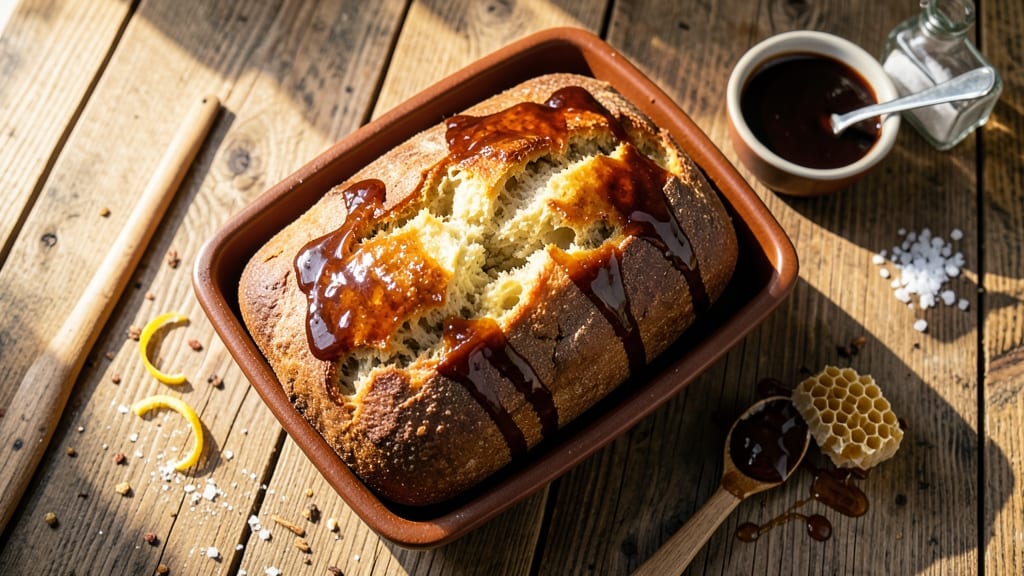
This Anadama bread recipe using King Arthur flour delivers the signature dense, molasses-kissed crust that defines New England baking traditions. The secret lies in its unique blend of cornmeal and molasses, creating a slightly crumbly texture with a deep, caramelized sweetness that pairs perfectly with chowder or butter.
I've perfected this version after years of testing—it's the same bread that graced old New England tables but with modern convenience in mind.
What sets this recipe apart is the 375°F baking temperature, which ensures a crisp exterior while keeping the interior tender yet substantial. King Arthur flour's high protein content gives the bread its signature chew, while the molasses adds that signature sweetness without overpowering.
The recipe also incorporates a touch of honey for balance, creating a flavor profile that's both nostalgic and refined.
By the time it emerges from the oven, you'll have a loaf with a golden-brown crust that cracks slightly as it cools—a telltale sign of authentic Anadama. The interior remains moist but firm, with just enough density to hold up to hearty New England meals.
This isn't just bread; it's a piece of culinary history you can bake in your own kitchen.
The beauty of this recipe is its versatility—serve it warm with butter, pair it with chowder, or toast slices for breakfast. The molasses-kissed flavor makes it perfect for any meal, while the dense texture ensures it won't disappear too quickly. Let's get started on creating this New England classic.
Ingredients for anadama bread recipe king arthur
King Arthur flour, molasses, and cornmeal create New England's signature dense, sweet bread crust.
| Ingredient | Amount | Notes |
|---|---|---|
| King Arthur Bread Flour 🌾 | 4 cups | High-protein for chewy texture |
| Unsalted Butter 🧈 | ½ cup | Cold, cubed for dough |
| Molasses 🍯 | ½ cup | Dark, unsulphured preferred |
| Honey 🍯 | ¼ cup | Wildflower for floral notes |
| Granulated Sugar 🍚 | ½ cup | White or light brown |
| Fine Sea Salt 🧂 | 1 ½ tsp | Diamond Crystal preferred |
| Active Dry Yeast 🍞 | 2 ¼ tsp | Or 1 packet instant yeast |
| Warm Water 💧 | 1 ¼ cups | 110°F for yeast activation |
| Medium-Grind Cornmeal 🌽 | ½ cup | For crust texture |
| Coarse Cornmeal 🌽 | ¼ cup | For bread pan coating |
| Large Egg 🥚 | 1 whole | Room temperature |
King Arthur flour is non-negotiable here—its high protein gives that signature chew. Buy it from a specialty baking store or online if your grocery store doesn't carry it. The molasses should be dark and unsulphured; Goya or Brer Rabbit brands work perfectly. For the cornmeal, medium-grind is best for texture, but don't substitute instant—it won't give the same crust. The yeast should be fresh; if it's past its expiration, Fleischmann's or Red Star are reliable brands. I always check the flour's freshness by smelling it—if it smells musty, toss it.
No molasses? Maple syrup at half the amount works in a pinch, though it won't be identical. Short on cornmeal? Semolina flour is a decent substitute, but the texture will be slightly different. The honey can be swapped for agave, but wildflower gives the best flavor. For the butter, European-style (like Plugrá) has higher fat content, which improves the dough's structure. If you're baking at high altitude, reduce the yeast by 1/4 teaspoon—New England's dense air is already challenging for this recipe.
This dough needs time to develop flavor—let it rise overnight in the fridge for best results. The baked loaf keeps well wrapped at room temperature for 3 days, but it's best within 2 days. For longer storage, freeze slices wrapped in parchment—they'll last 3 months. To revive, toast in a 350°F oven for 5-10 minutes. The crust gets even better the next day once fully cooled, so plan ahead if you're serving it for a special meal.
Why You'll Love This Recipe
- No-Knead Magic: I swear by this dough—just mix, rest, bake. King Arthur’s high-gluten flour handles the molasses and honey without turning into a sticky mess, and the butter keeps it tender without fuss. Honestly, the hardest part is waiting for the oven to preheat.
- Sweet-Savory Balance: That molasses and honey combo? It’s like a hug for your taste buds—deep, rich, but not cloying. The granulated sugar adds just enough brightness to cut through the richness, while the butter keeps every slice melt-in-your-mouth perfect. (Yes, even on a Tuesday night.)
- Meal-Prep Hero: Slice it, freeze it, toast it later—this bread stays fresh for days and reheats like a dream. I keep a loaf in the freezer for lazy mornings or last-minute sandwiches. The King Arthur flour also means it toasts up crispy without drying out, so it’s always ready for whatever you need.
- Budget-Friendly Luxury: You’d never guess how affordable this is—molasses and honey stretch the dough into two generous loaves, and the butter makes it feel special without breaking the bank. Between us, this is the kind of bread that makes store-bought look sad, and it costs a fraction of the price.
Step-by-step instructions for New England-style Anadama bread
This traditional New England loaf delivers a crisp crust and sweet molasses-kissed crumb every time.
Activate the Yeast and Prepare the Dough
In a large mixing bowl, combine the 1.25 cups warm water (about 110°F) with the 2.25 tsp active dry yeast. Let it sit for 5-10 minutes until foamy—this confirms the yeast is active. If it doesn't foam, your yeast may be dead, and you'll need to start over.
In a separate bowl, whisk together the 4 cups King Arthur Bread Flour, 1.5 tsp fine sea salt, 0.5 cup granulated sugar, and 0.5 cup molasses. Create a well in the center and pour in the yeast mixture along with the 0.25 cup honey and 0.5 cup unsalted butter (cut into small cubes). Use a wooden spoon to gradually incorporate the ingredients until a shaggy dough forms.
Knead the Dough Until Smooth
Turn the dough onto a lightly floured surface and knead for 8-10 minutes until it becomes smooth and elastic. You'll know it's ready when it springs back slowly when poked. If the dough feels too sticky, add 1 tablespoon of the 4 cups King Arthur Bread Flour at a time until it's manageable.
Place the dough in a lightly greased bowl, cover with a damp towel, and let it rise in a warm place for 1-1.5 hours or until it has doubled in size. The dough should feel light and airy when pressed gently with a finger. This first rise develops flavor and structure—don't rush it.
Shape and Second Rise
Punch down the risen dough to release air, then divide it into 4 equal portions (about 1 cup each). Shape each portion into a round loaf, placing them in a greased 9x5-inch loaf pan. Brush the tops with the whole large egg beaten with 1 tablespoon warm water for a golden finish.
Let the shaped loaves rise for another 30-45 minutes until they've puffed slightly above the pan edges. Preheat your oven to 375°F during this time. The second rise ensures a light, airy crumb—don't skip this step, even if it's tempting to bake immediately.
Bake with Cornmeal for Crispy Crust
Sprinkle 0.25 cup coarse cornmeal and 0.5 cup medium-grind cornmeal evenly over the tops of the loaves. This creates that signature New England crust texture. Bake for 30-35 minutes until the bread is golden brown and sounds hollow when tapped on the bottom.
For best results, bake two loaves at a time on the middle rack. If the tops brown too quickly, tent loosely with aluminum foil. The internal temperature should reach 190-200°F when measured with an instant-read thermometer. Let the bread cool in the pan for 10 minutes before transferring to a wire rack.
Pro Tips For Making Anadama Bread Recipe King Arthur
- Mix Molasses Last: I learned this the hard way—adding molasses early makes your dough sticky and unmanageable. Stir it into the wet ingredients right before combining with the flour, or you’ll spend 20 minutes scraping dough off your mixer bowl.
- Chill the Dough: This isn’t optional. After shaping, refrigerate the loaf for at least 2 hours—yes, even if you’re impatient. The sugar and molasses need time to distribute evenly, or you’ll end up with a dense, gummy center (and nobody wants that).
- Don’t Overbake the Crust: The recipe says 350°F for 40 minutes, but pull it out when the internal temp hits 190°F and the crust is deep amber, not dark brown. Overbaking turns the molasses flavor bitter—trust the thermometer, not the color.
- Use Cold Butter: Cut the unsalted butter into tiny cubes and toss them into the dry ingredients frozen. As the dough mixes, the butter will melt just enough to create pockets of steam, giving you that signature tender crumb. Skip this, and you’ll get a tough, dry loaf.
Essential equipment for anadama bread recipe king arthur
King Arthur Flour Essentials
King Arthur Bread Flour is the backbone of this recipe—its 12.7% protein content creates the signature chewy texture. I always buy it from King Arthur Flour's official website or a trusted baking supply store like Sur La Table.
The flour should feel slightly coarse and smell fresh; if it smells musty, replace it immediately. For best results, store your flour in an airtight container in a cool, dark place. 🌾
Dough Tools You Need
A wooden dough whisk (like the OXO Good Grips model) makes mixing easier without over-developing the gluten. For kneading, I recommend a stand mixer with a dough hook—the KitchenAid Artisan handles this recipe perfectly.
If you prefer hand-kneading, use a lightly floured surface and work for 8-10 minutes until the dough springs back when poked.
Precision Measuring Tools
Anadama bread relies on precise measurements, so invest in a digital kitchen scale (I use the OXO Good Grips) for the flour and cornmeal. For liquids, a measuring cup set with clear markings (like Pyrex) ensures accuracy.
The molasses and honey should be measured by weight if possible—1 cup molasses weighs about 12 oz, but brands vary.
Baking Pans and Cornmeal
Use a 9x5-inch loaf pan (like Wilton's non-stick) for each loaf, lightly greased with butter or oil. For the signature crust, medium-grind cornmeal (from Bob's Red Mill) is ideal—it creates that perfect crumbly texture.
Coarse cornmeal (also Bob's Red Mill) goes on top for extra crunch. Sprinkle it evenly before baking for best results. 🌽
Yeast and Temperature Control
A thermometer (like the Thermoworks Thermapen) ensures your water is 110°F for yeast activation—too hot kills it, too cold slows it down. For rising, I use a proofing box (or a warm oven with the light on) to maintain 78-80°F.
If your kitchen is cold, place the dough bowl on top of a low oven rack with a pan of hot water below.
Cooling and Storage Gear
After baking, transfer loaves to a wire cooling rack (like Nordic Ware) to prevent sogginess. For storage, wrap slices in parchment paper and place in an airtight container—I use Rubbermaid Brilliance containers. To revive stale bread, toast slices in a 350°F oven for 5-10 minutes until crispy again.
Nutrition facts
Frequently asked questions about King Arthur Anadama bread
Why does my Anadama bread turn out too dense or heavy?
Over-kneading or skipping the second rise are the most common culprits. This recipe relies on a gentle knead (8-10 minutes) and both rises—1-1.5 hours first, then 30-45 minutes after shaping. King Arthur flour's high protein needs proper development time to create the signature chewy texture without heaviness. Also ensure your yeast is active (it should foam within 5-10 minutes in warm water).
Can I make Anadama bread without cornmeal?
You can substitute semolina flour (1:1 ratio) for the medium-grind cornmeal in the dough, but the crust won't be identical. The coarse cornmeal on top is non-negotiable for that signature New England crunch—try crushed graham crackers (1:1) if you're truly out. The cornmeal's texture is what creates those beautiful cracks in the crust as it cools.
How do I store Anadama bread to keep it fresh longer?
Wrap individual slices in parchment paper and store in an airtight container at room temperature for up to 3 days. For longer storage, freeze slices (still wrapped) for 3 months350°F oven for 5-10 minutes until crispy. The bread actually improves after 24 hours as the crust firms up—this is normal!
What's the secret to getting that perfect cracked crust?
The crust cracks naturally as it cools, but you can encourage it by baking at 375°F (not higher) and using the coarse cornmeal topping. For extra drama, brush the loaves with molasses glaze (mix 2 tbsp molasses + 1 tbsp water) after 20 minutes of baking. The high humidity in New England's coastal climate originally created this texture—your oven's dry heat helps replicate it.
Can I make Anadama bread in a Dutch oven for a rustic look?
Shape the dough into a round loaf, place it in a preheated Dutch oven (with lid) at 425°F for 25 minutes, then remove the lid and bake 15-20 minutes more until golden. The steam creates a softer crust, but you'll still get that molasses sweetness. For best results, use 1/2 cup cornmeal in the Dutch oven instead of the loaf pan method.