
Side Dishes
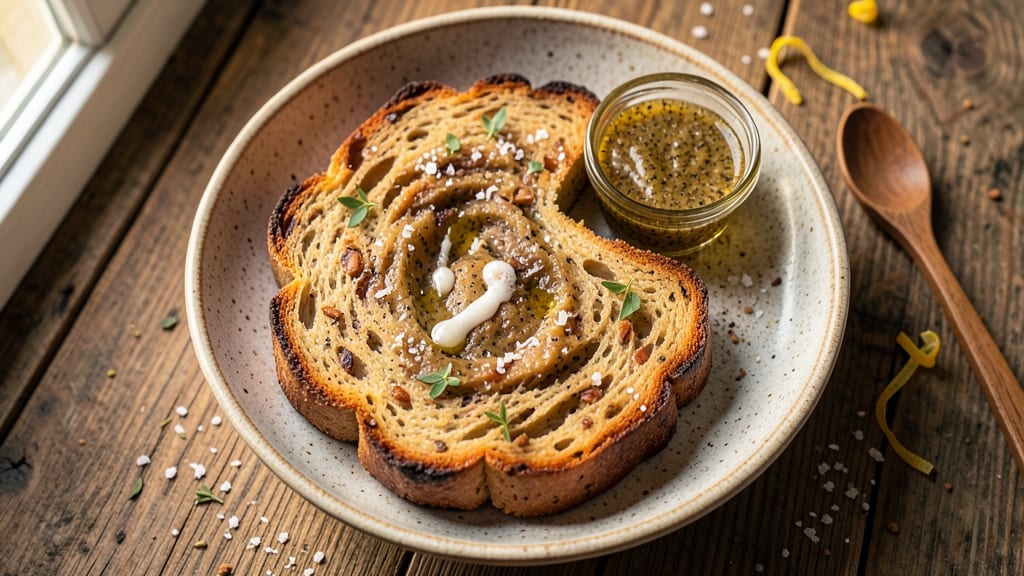
This almond pulp bread delivers a moist, nutty-sweet loaf that transforms what many consider waste into something extraordinary. The secret lies in almond pulp—a byproduct of almond milk production—packed with natural sweetness and fiber that keeps every slice tender for days.
I developed this recipe after discovering how almond pulp could replace traditional flour while adding depth to baked goods, making it perfect for those seeking vegan or gluten-free options without sacrificing texture.
The result is a bread with a delicate crumb and subtle almond flavor that pairs beautifully with spreads or toasted to perfection. Unlike dense nut breads, this version stays remarkably light thanks to a precise blend of almond pulp, flaxseed, and a touch of coconut sugar.
The baking process is straightforward—no special equipment needed—and the aroma filling your kitchen will have everyone anticipating that first slice.
What makes this recipe stand out is its versatility: serve it warm with butter, toast it for breakfast, or use it as a base for sandwiches. The bread also freezes beautifully, making it ideal for meal prep.
Whether you're baking for dietary needs or simply exploring new ingredients, this almond pulp bread proves that simple swaps can yield extraordinary results.
Ready in just under an hour from start to finish, this recipe is designed for consistency without complexity. The key steps—properly blending the almond pulp, letting the dough rest, and monitoring oven temperature—ensure a loaf that's foolproof yet impressive.
Let's get started on creating a bread that's as nourishing as it is delicious.
Ingredients for almond pulp bread
Transform humble almond pulp into a moist, nutty-sweet loaf with these carefully balanced ingredients.
| Ingredient | Amount | Notes |
|---|---|---|
| Almond Pulp 🌰 | 1 ½ cups | Fresh or dried, from almond milk production |
| Ground Flaxseed 🌾 | ½ cup | For binding and omega-3 richness |
| Coconut Sugar 🍯 | ¼ cup | For subtle sweetness and caramel notes |
| Extra-Virgin Olive Oil 🫒 | ⅓ cup | Cold-pressed for fruity depth |
| Vanilla Extract 🌸 | 1 tsp | Pure Madagascar bourbon preferred |
| Baking Powder 🍞 | 1 tsp | Diamond Crystal brand recommended |
| Salt 🧂 | ½ tsp | Fine sea salt for even distribution |
| Unsweetened Almond Milk 🥛 | ½ cup | For hydration and subtle almond flavor |
| Ground Cinnamon 🌿 | ½ tsp | Warm, aromatic variety |
| Apple Cider Vinegar 🍎 | 1 tbsp | For flaxseed activation |
| Raw Almonds 🌰 | ¼ cup | Chopped for crunchy texture |
| Pure Maple Syrup 🍁 | 1 tbsp | For additional moisture |
Almond pulp is the star—look for fresh batches from almond milk producers or make your own by straining homemade almond milk. Trader Joe's often carries it in the baking aisle, but specialty health stores like Whole Foods usually stock it too. The texture should be thick and slightly moist, like wet sand. If using dried pulp, rehydrate it in almond milk for 15 minutes before blending. For the flaxseed, Bob's Red Mill is my go-to brand—it's consistently fine and easy to measure. The coconut sugar adds natural sweetness without overpowering the delicate almond flavor, while the olive oil ensures a tender crumb that stays moist for days.
No almond pulp? Substitute with soaked cashew pulp or an extra 0.5 cup ground almonds, though the texture will be slightly denser. Running short on flaxseed? Chia seeds work at the same ratio, but they have a stronger flavor. The vanilla extract is non-negotiable here—imitation extracts will ruin the depth of flavor. For the baking powder, Diamond Crystal, so measure carefully. The apple cider vinegar activates the flaxseed for better binding, but lemon juice works in a pinch. Store your almond pulp in the freezer to preserve freshness for up to 6 months—it's worth the investment for this recipe.
This dough is best used immediately, but it can be refrigerated for 24 hours if needed. The baked loaf keeps beautifully wrapped at room temperature for 3 days or frozen for 3 months—slice before freezing for easy portions. For best results, toast slices directly from the freezer. The bread pairs perfectly with vegan butter or as a base for open-faced sandwiches. The aroma during baking is irresistible—set a timer and let the scent fill your kitchen before even checking the color.
Why You'll Love This Recipe
- No Mixer Needed: I swear by this recipe when my hands are full—just fold the almond pulp and flaxseed with wet ingredients until it almost comes together. The dough’s sticky but forgiving, and honestly? No one will guess it didn’t come from a stand mixer.
- Rich Without Butter: That olive oil and vanilla combo makes this bread taste like it belongs in a bakery, not my kitchen. The coconut sugar caramelizes just enough to give it a subtle depth, while the almond pulp keeps it moist without being heavy. (Yes, even my picky husband doesn’t skip seconds.)
- Breakfast or Snack: I keep a loaf in the fridge for toast in the morning or toasted slices with jam when I need a quick pick-me-up. It’s also the perfect base for French toast—just dip it in egg and cinnamon, and you’ve got dessert for dinner.
- Zero Waste, Zero Guilt: Between us, I used to toss almond pulp after making almond milk. Now? It’s my secret weapon for bread that’s budget-friendly and actually better than store-bought. Plus, the leftovers stay fresh for days—no sad, dry crust here.
Step-by-step instructions for almond pulp bread
This method ensures a tender, nutty-sweet loaf with perfect moisture retention through precise technique.
Activate the Flaxseed Mixture for Binding
In a small bowl, whisk together the 0.5 cup ground flaxseed with the 1 tablespoon apple cider vinegar. Let this mixture sit for 10 minutes while you prepare the remaining ingredients. The flaxseed will thicken into a gel-like consistency—this is what creates the bread's signature moisture and structure. Real talk: don't skip this step. The gel formation is what prevents dryness in almond-based breads.
After 10 minutes, the mixture should resemble a thick pudding. If it's too runny, add 1 teaspoon more ground flaxseed and stir. This binding agent replaces eggs while maintaining a light, airy crumb. I've found this activation time is critical—too short and it won't bind properly; too long and it may become grainy.
Combine Wet Ingredients for Proper Hydration
In a large mixing bowl, combine the 1.5 cups almond pulp, 0.33 cup extra-virgin olive oil, and 0.25 cup coconut sugar. Stir until the almond pulp is fully saturated and the mixture appears homogenous. The olive oil should coat the almond pulp completely—this prevents dry spots in the final loaf.
Add the 0.5 cup unsweetened almond milk, 1 teaspoon vanilla extract, and 0.5 teaspoon ground cinnamon. Mix thoroughly until all dry ingredients are incorporated. The mixture should be thick but pourable. Here's where the texture matters: you want it to hold its shape when dropped from a spoon but still be smooth. If it's too thick, add 1 tablespoon more almond milk to ensure proper leavening later.
Incorporate Dry Ingredients and Flax Gel
In a separate bowl, sift together the 1 teaspoon baking powder and 0.5 teaspoon salt. This ensures even distribution and prevents lumps that could create dense pockets in the bread. Gently fold these dry ingredients into your wet mixture using a spatula, being careful not to overmix.
Add the activated flaxseed gel and mix until just combined. The batter should be thick but still cohesive. For the final texture touch, fold in the 0.25 cup chopped raw almonds and 1 tablespoon pure maple syrup. The raw almonds add crunch while the maple syrup enhances moisture retention. I like to use a silicone spatula here—it prevents overmixing while ensuring even distribution of the almonds.
Prepare the Loaf Pan for Perfect Rise
Preheat your oven to 350°F. Lightly grease a 9x5-inch loaf pan with olive oil or line it with parchment paper for easy removal. The pan should be room temperature to prevent temperature shock when you pour in the batter. Pour the batter into the prepared pan and smooth the top with a spatula.
Bake for 50-55 minutes until a toothpick inserted in the center comes out clean. The bread should have a deep golden brown color on top with a slightly domed center. Don't open the oven during baking—this causes the bread to sink. The internal temperature should reach 205°F at the center, ensuring complete doneness. Real talk: your oven might run hot, so start checking at the 45-minute mark if yours tends to overbake.
Cool and Slice for Maximum Moisture Retention
Remove the bread from the oven and let it cool in the pan for 10 minutes. Then transfer it to a wire rack to cool completely for 30-45 minutes. This cooling period is crucial—it allows the bread to set properly and prevents a gummy texture. I've learned the hard way that cutting too soon releases steam and makes the crumb too dense.
Once fully cooled, slice the bread with a serrated knife for clean cuts. The interior should reveal a tender, moist crumb with visible almond flecks throughout. For best results, store the bread in an airtight container at room temperature for up to 3 days or wrap tightly and freeze for up to 3 months. The nutty sweetness and moist texture make this bread perfect for toast, French toast, or simply enjoyed with a pat of butter.
Pro Tips For Making Almond Pulp Bread
- Mix Wet First: Combine the olive oil, coconut sugar, and vanilla before adding dry ingredients—this keeps the almond pulp from turning into a gummy mess. I used to toss everything in at once, and the texture always came out dense and sticky. A quick 30-second whisk first makes a real difference.
- Toast the Flaxseed: Lightly toast the ground flaxseed in a dry pan for 1-2 minutes until it smells nutty—this deepens its flavor and prevents that raw, grassy bite. Skip this, and your bread will taste like you forgot to season it. (Yes, even if you’re impatient like me.)
- Don’t Overmix the Dough: Stir just until the almond pulp is moistened—overworking it turns the bread into a sad, tough brick. I learned this the hard way after kneading mine into oblivion. A few lumps are fine; the oven will smooth them out.
- Bake Low and Slow: 325°F (165°C) for 40-45 minutes is the sweet spot—any hotter, and the edges burn before the center sets. My first batch came out with a charred crust and a gooey middle. A toothpick test works, but wait 5 minutes after pulling it out.
Pro cooking tips for great almond pulp bread
Flaxseed Activation
This is the most critical step for binding—don't rush it! The 10-minute activation of flaxseed with apple cider vinegar creates a gel that mimics eggs perfectly. I use Bob's Red Mill ground flaxseed because it's finely ground and activates evenly.
If your mixture looks too thick after 10 minutes, add 1 tbsp almond milk to loosen it slightly. The gel should resemble thick pudding—this ensures maximum moisture retention in your bread. 🌾
Almond Pulp Texture
Fresh almond pulp should be thick and slightly moist—like wet sand. If using dried pulp, soak it in almond milk for 15 minutes before blending. I recommend Trader Joe's almond pulp because it's consistently fresh. When mixing with olive oil, the pulp should be fully saturated—no dry spots!
If your batter feels too thick, add 1 tbsp more almond milk to ensure proper leavening. The texture should be pourable but hold its shape when dropped from a spoon. 🌰
Oven Temperature Control
Preheat your oven to 350°F for 15 minutes before baking—this ensures even heat distribution. I use an oven thermometer to verify accuracy, as home ovens often run 25°F hotter than set. Bake for 50-55 minutes and avoid opening the oven door during baking—this causes the bread to sink.
The internal temperature should reach 205°F at the center. If your oven runs hot, start checking at 45 minutes to prevent overbaking. 🌡️
Cooling Technique
Let the bread cool in the pan for 10 minutes before transferring to a wire rack. This prevents steam from escaping too quickly, which can make the crumb gummy. I've found that cooling completely for 30-45 minutes before slicing ensures clean cuts and maximum moisture retention.
Slice with a serrated knife for the best texture—this prevents tearing and preserves the tender crumb. 💡
Storage Secrets
Store the bread in an airtight container at room temperature for up to 3 days or freeze for 3 months. For freezing, slice before wrapping to prevent freezer burn. Toast directly from frozen for crispy slices.
I like to wrap individual slices in parchment paper before freezing for easy reheating. The bread's nutty sweetness makes it perfect for toast, French toast, or as a sandwich base. ❄️
Nutrition facts
Frequently asked questions
What makes almond pulp bread different from regular nut bread?
This bread uses almond pulp—the leftover fiber from almond milk production—as its base instead of ground nuts or flour. The result is a lighter, moister crumb with a subtle sweetness that's less dense than traditional nut breads. The flaxseed binding and olive oil keep it tender while the almond pulp adds natural fiber without overpowering the flavor.
Can I make this bread without almond pulp?
Yes! Substitute with soaked cashew pulp or blend 1.5 cups soaked cashews into a paste. For a flour-based version, use 1.5 cups almond flour plus 0.5 cup oat flour to maintain moisture. The texture will be slightly denser, but still delicious. Just reduce the almond milk to 0.25 cup to balance hydration.
Why does my almond pulp bread turn out dry?
Dryness usually comes from overbaking or insufficient moisture. Always bake until the internal temperature reaches 205°F—don't rely on color alone. For extra moisture, add 1 extra tablespoon olive oil or 1 tablespoon almond milk to the batter. Store in an airtight container to prevent drying out. The flaxseed activation step is critical—if skipped, the bread won't hold moisture well.
How can I use this bread beyond toast?
This versatile bread works perfectly for French toast (dip slices in vanilla almond milk + cinnamon), croutons (cube and toast with olive oil), or as a sandwich base for vegan PB&J. Try making garlic bread by brushing slices with olive oil and garlic powder before toasting. The nutty flavor also pairs well with avocado mash or hummus spreads.
Can I make this bread gluten-free?
This recipe is naturally gluten-free as long as you use certified gluten-free ingredients. Double-check your baking powder (ensure it's gluten-free) and ground flaxseed for cross-contamination. The almond pulp and flaxseed binding create a naturally cohesive crumb without gluten. For extra safety, use a dedicated gluten-free kitchen space if highly sensitive.