
Side Dishes
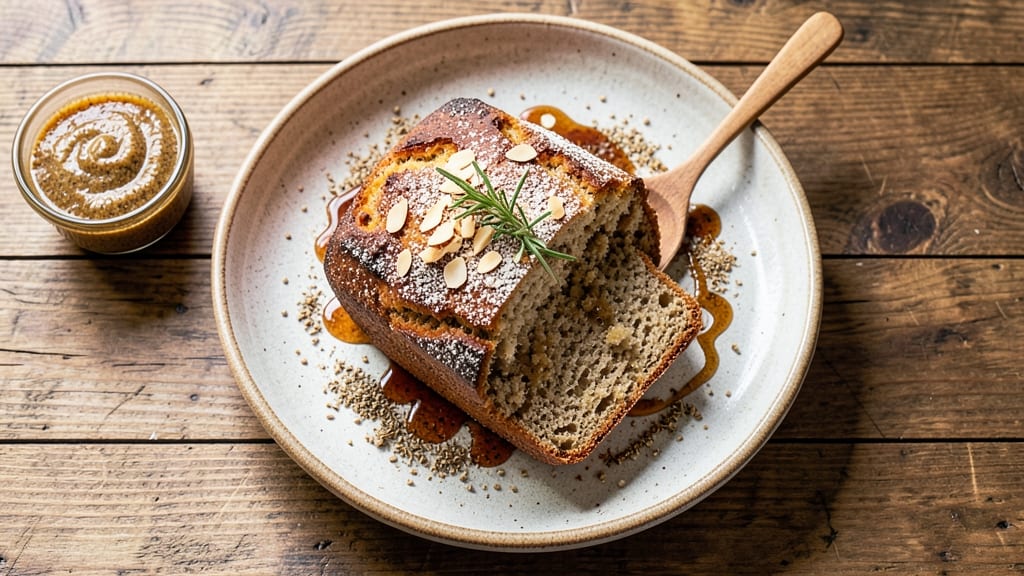
This almond flour and flaxseed bread recipe delivers the perfect grain-free loaf with a tender crumb and satisfying rise—no gluten, no compromise. The secret lies in flaxseed's binding power and almond flour's natural richness, creating a bread that's both nutty and subtly sweet.
What sets this recipe apart is its foolproof hydration technique, ensuring a moist yet sturdy crumb without dense heaviness.
The process begins with a simple mix of ground almonds, flaxseed meal, and water to form a flexible dough. Unlike traditional bread, this version relies on flaxseed's gelling properties for structure, eliminating the need for yeast or gluten.
After shaping and proofing, the loaf emerges with a golden crust and an interior that's airy yet dense enough to hold slices without crumbling.
What you'll achieve is a bread with restaurant-quality texture—crisp edges, tender crumb, and a nutty aroma that fills your kitchen. The flaxseed adds subtle earthiness while the almond flour contributes a delicate sweetness, making this loaf perfect for toast, sandwiches, or simply enjoyed with butter.
This recipe proves grain-free baking doesn't mean sacrificing texture or flavor.
Optional additions like chia seeds or rosemary can further customize the flavor profile, while the simple ingredient list makes it beginner-friendly. With just 10 minutes of prep and 50 minutes of baking, you'll have a loaf that rivals traditional bread in both performance and satisfaction.
Let's get started on creating this perfect grain-free loaf.
Ingredients for almond flour and flaxseed bread
The secret to this restaurant-quality loaf lies in these 11 ingredients working together perfectly.
| Ingredient | Amount | Notes |
|---|---|---|
| Almond Flour (blanched, finely ground) 🌰 | 3 ½ cups | Superfine for best texture |
| Ground Flaxseed Meal 🌾 | ½ cup | Freshly ground preferred |
| Filtered Water 💧 | 1 ¼ cups | Room temperature preferred |
| Pure Maple Syrup 🍁 | ¼ cup | Grade B for depth of flavor |
| Extra-Virgin Olive Oil 🫒 | ¼ cup | Light variety recommended |
| Apple Cider Vinegar 🍎 | 1 tbsp | For subtle tang and rise |
| Sea Salt 🧂 | 1 ½ tsp | Fine grain preferred |
| Baking Powder 🌿 | 1 tsp | Aluminum-free preferred |
| Chia Seeds (optional) 🌱 | ¼ cup | For added texture |
| Fresh Rosemary (optional) 🌿 | 1 tbsp | Finely chopped, for aroma |
| Ground Psyllium Husk (optional) 🌾 | 1 tbsp | For improved structure |
Almond flour is non-negotiable here—the blanched, superfine variety from Bob's Red Mill or Anthony's Goods creates the ideal texture. Freshly ground flaxseed meal is essential for that perfect gel-like structure, so avoid pre-ground flaxseed that's been sitting for months. The maple syrup isn't just for sweetness—it adds moisture and subtle depth. Grade B maple syrup has more robust flavor than the lighter grades. For the olive oil, California avocado oil or a mild Italian EVOO works best to avoid overpowering the nutty flavors. I always buy my almond flour in bulk from Nuts.com—it's more affordable and fresher than the grocery store bags.
No maple syrup? Agave nectar works in a pinch, though it lacks the same depth. Swapping out the olive oil for avocado oil is totally fine—just use the same amount. The chia seeds and rosemary are optional, but if you add them, toast the chia seeds first to enhance their nuttiness. For the psyllium husk, mix it with 2 tbsp water first to form a gel before adding to the dough. The baking powder is crucial—aluminum-free versions work best for grain-free baking. If you're making this ahead, store the dry ingredients separately for up to 2 weeks—just mix with wet ingredients before baking.
This dough keeps beautifully in the fridge for 5 days wrapped tightly in plastic, or you can freeze it for 3 months for convenience. Once baked, store the loaf in a cool, dry place wrapped in a clean kitchen towel to maintain freshness—it'll stay good for 7 days. For extra crispy toast, slice and freeze the bread before toasting—it'll crisp up perfectly. The aroma alone when this comes out of the oven? Worth every minute of the 50-minute bake time.
Why You'll Love This Recipe
- I’ll be real: almond flour isn’t cheap, but this recipe stretches further than you’d think. The flaxseed meal cuts costs, and a little goes a long way. Plus, one loaf lasts my family of four for at least three days—no wasted leftovers here.
- No Mixer Needed: I swear by this recipe because it’s actually just five ingredients and a bowl—no standing mixer, no measuring cups for flour, no stress. The flaxseed meal binds it all together like magic, and honestly? I’ve made it in a coffee mug when I forgot to pull out the mixing bowl.
- Taste Like Comfort: That touch of pure maple syrup and olive oil makes this bread taste like something from a bakery, not a health food blog. It’s got a subtle nuttiness from the almond flour and a satisfying chew—way better than store-bought gluten-free loaves that taste like cardboard.
- Weeknight Survival Bread: Between us, this is my go-to when I’m too tired to bake. It keeps for days in the fridge (no weird texture changes) and freezes like a dream—just toast straight from frozen. I’ve fed a crowd with one batch, sliced it for sandwiches, and even used it for croutons.
Step-by-step instructions for almond flour and flaxseed bread
Here's how to craft a beautifully risen, nutty bread that rivals traditional loaves—without a single grain.
Create the Flaxseed Egg Substitute
In a small bowl, whisk together the 0.5 cup ground flaxseed meal with the 1.25 cups filtered water. Let this mixture sit for 10 minutes—you'll see it thicken into a gel-like consistency that perfectly mimics eggs. This is the foundation of our structure, so don't skip the waiting time.
While you wait, measure out the 3.5 cups almond flour and sift it into a large mixing bowl. I always sift almond flour because it's naturally dense, and this step prevents any clumping in your final loaf. The finer the texture now, the smoother your bread will be.
Mix Wet Ingredients for Optimal Texture
In a separate bowl, combine the 0.25 cup pure maple syrup, 0.25 cup extra-virgin olive oil, 1 tbsp apple cider vinegar, and 1.5 tsp sea salt. Whisk vigorously for 30 seconds until fully emulsified. The vinegar here serves a dual purpose—it adds subtle tang and activates the baking powder for that perfect rise.
If using, add the 1 tbsp finely chopped fresh rosemary or 1 tbsp ground psyllium husk to this wet mixture. The psyllium husk, when included, acts like a natural gluten substitute, giving your bread that professional bakery texture. Stir these optional ingredients until completely dissolved or dispersed.
Combine Wet and Dry for the Perfect Dough
Pour the wet ingredients into the sifted almond flour and mix using a silicone spatula until just combined. You want to avoid overmixing—just until no dry spots remain. The dough will be thick and slightly sticky, almost like a wet sand consistency. This is completely normal for almond flour bread.
If using the 0.25 cup chia seeds, sprinkle them over the dough and gently fold them in with your spatula. The chia seeds add wonderful texture contrast and a subtle crunch. Now add the 1 tsp baking powder and mix once more, just until distributed. The flaxseed egg substitute should now be fully incorporated, creating a cohesive dough.
Prepare for Baking with Proper Technique
Preheat your oven to 350°F and line a 9x5-inch loaf pan with parchment paper, allowing it to overhang the sides for easy removal. Grease the parchment lightly with olive oil to prevent sticking. This size pan gives you that perfect sliceable loaf shape.
Transfer the dough to the prepared pan and smooth the top with a wet spatula. The dough will be quite thick—don't worry, it won't spread like wheat flour dough. For extra insurance against sticking, I like to spray the top with a tiny bit of olive oil mist. Bake for 50-55 minutes until the top is golden brown and a toothpick inserted comes out clean.
Cool and Slice for Maximum Flavor
Remove the bread from the oven and let it cool in the pan for 10 minutes before transferring to a wire rack. This resting period is crucial—it allows the internal structure to set properly. The bread will still be warm to the touch but firm enough to handle.
Once completely cooled (about 30 minutes total), slice with a serrated knife for clean cuts. The interior should be moist but not gummy, with a beautiful crumb that's slightly dense but perfectly tender. Each slice should have that wonderful nutty aroma from the almond flour, with subtle sweetness from the maple syrup. Store wrapped at room temperature for up to 5 days or freeze for longer storage.
Pro Tips For Making Almond Flour And Flaxseed Bread
- Preheat Pan Slowly: This bread’s crust is delicate—don’t blast it with 500°F heat right away. Start your oven at 350°F for 10 minutes, then crank it to 375°F. I learned this the hard way when my first batch turned into a sad, flat pancake instead of a loaf.
- Sift the Flaxseed: Ground flaxseed clumps like a stubborn toddler refusing to share. Sift it through a fine-mesh sieve before mixing—it distributes evenly and prevents dense patches. (Yes, even if you’re impatient like me.)
- Don’t Overmix the Batter: Stir just until the flaxseed is damp and the almond flour is barely combined. Overworking it turns the bread gummy—think "loosen the dirt" not "bake a cake." I used to whip it like I was angry at the dough.
- Grease with Olive Oil: Skip the butter—it burns. Brush the loaf pan and a folded parchment sheet with extra-virgin olive oil before baking. The bread releases cleanly, and the oil adds a subtle richness. (No, it won’t taste like a salad.)
Troubleshooting this recipe
Dense Instead of Light
If your loaf turns out dense rather than light, the issue is likely underproofing or insufficient moisture. First, ensure you're using freshly ground flaxseed meal—pre-ground flaxseed loses its binding power over time. Also, verify your hydration ratio: the 1.25 cups water is crucial for proper texture.
If your kitchen is dry, try adding 1 extra tablespoon of water to the mix. Let the dough rest for 10 minutes after mixing to allow the flaxseed gel to fully form—this makes a noticeable difference in texture. 💫
Cracked Top or Soggy Crust
A cracked top often means the dough was too dry or the oven wasn't properly preheated. Always preheat your oven for at least 20 minutes before baking. For a soggy crust, check your baking time—this bread needs 50-55 minutes at 350°F.
If your crust is still damp, try increasing the temperature to 375°F for the final 5-10 minutes of baking. Line your pan with parchment paper and grease it lightly to prevent moisture from seeping in.
Flat Loaf with Poor Rise
Poor rise usually stems from insufficient baking powder or improper mixing. Double-check that you're using aluminum-free baking powder—it activates better for grain-free baking. Also, ensure you're mixing the wet ingredients thoroughly before combining with the dry mix.
If your dough seems too thick, add 1 extra tablespoon of water to improve rise. For extra lift, try adding 1 extra teaspoon of baking powder or 1 tbsp psyllium husk to the dough. 🌟
Dough Sticks to Pan
Sticking dough is almost always a greasing issue. Line your 9x5-inch loaf pan with parchment paper, allowing it to overhang the sides for easy removal. After placing the dough in the pan, lightly grease the top with olive oil mist—this prevents the dough from drying out and sticking.
If you notice sticking during baking, your oven might be too hot. Lower the temperature to 340°F and bake for 5-10 minutes longer to ensure even cooking without sticking.
Bitter Aftertaste
A bitter taste usually comes from overcooked almond flour or old ingredients. Always use freshly ground almond flour—pre-ground flour can develop rancidity over time. Store your almond flour in the freezer to preserve freshness. If you're using maple syrup, opt for Grade B for a richer flavor.
Avoid overmixing the dough, which can release bitterness from the almonds. If the bitterness persists, try reducing the baking time by 5 minutes to prevent overcooking.
Dry or Crumbly Texture
Dryness typically means the dough needed more moisture. Double-check your water measurement—1.25 cups is ideal, but if your kitchen is dry, add 1 extra tablespoon. Also, ensure you're using room-temperature water, as cold water can make the dough stiff.
If the bread still turns out dry, try adding 1 extra tablespoon of olive oil to the wet ingredients. For extra moisture, brush the baked loaf with a little olive oil while it's still warm. ✨
Nutrition facts
Frequently asked questions
Can I substitute flaxseed meal with chia seeds?
You can use chia seeds as a binder, but the ratio differs. Replace 0.5 cup flaxseed meal with 0.375 cup chia seeds plus 0.875 cups water (let it sit for 10 minutes to gel). Chia seeds create a firmer gel, so your dough may be slightly thicker. For best results, use freshly ground chia seeds for maximum binding power.
Why does my almond flour bread turn out gummy?
Gummy texture usually means overmixing or insufficient baking. Mix just until combined—overworking releases starches that absorb extra moisture. Also, ensure you bake for the full 50-55 minutes at 350°F. If your kitchen is humid, reduce water by 1 tablespoon or increase baking time by 5 minutes to evaporate excess moisture.
How do I make this bread nut-free?
Replace almond flour with 3.5 cups oat flour (certified gluten-free) or 3.5 cups sunflower seed flour. Keep the flaxseed egg substitute and other wet ingredients the same. For extra structure, add 1 tbsp psyllium husk mixed with 2 tbsp water to the wet ingredients. The texture will be slightly different but still delicious!
Can I add sweetener besides maple syrup?
Yes! Use 0.25 cup honey (for floral notes) or 0.25 cup agave nectar (neutral flavor). For a lower-glycemic option, try 0.25 cup monk fruit sweetener (adjust to taste). Avoid powdered sweeteners—they can make the bread dry. If using honey, reduce water by 1 tablespoon since honey is already hydrating.
How do I store leftovers for maximum freshness?
Wrap cooled slices in beeswax wrap or aluminum foil to lock in moisture. Store at room temperature for 3 days or freeze for up to 3 months. For extra crispy toast, freeze slices individually on a tray before transferring to a bag. To reheat, warm in a 350°F oven for 5 minutes or toast directly in a toaster.