
Sauces & Condiments
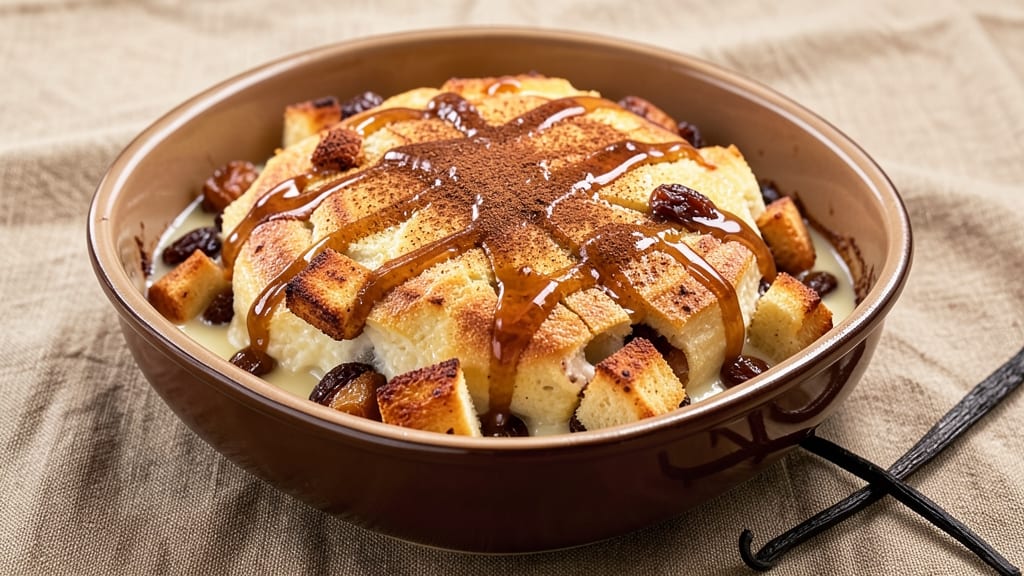
This amaretto bread pudding sauce transforms ordinary dessert into a luxurious experience with its rich, nutty depth and velvety texture. The secret lies in balancing amaretto's almond essence with butter and sugar for a sauce that clings perfectly to warm bread pudding, adding layers of comfort in every spoonful.
Crafted with just five simple ingredients—amaretto liqueur, butter, sugar, vanilla, and a pinch of cinnamon—this sauce requires minimal effort but delivers restaurant-quality results. The process is straightforward: simmer until thickened, then let it cool slightly before drizzling over freshly baked bread pudding for that signature restaurant finish.
What makes this sauce truly special is how it enhances the dessert's natural flavors while introducing a sophisticated twist. The amaretto's nutty warmth complements the custardy bread pudding, creating a harmonious balance that feels indulgent yet approachable. Perfect for special occasions or cozy weeknight treats.
Store any leftovers in the refrigerator for up to a week, making it ideal for meal prep or hosting. Whether you're serving it over bread pudding, ice cream, or even pancakes, this sauce elevates every bite to new heights of comfort and elegance.
Ingredients for amaretto sauce for bread pudding
Five ingredients elevate bread pudding to restaurant-quality dessert perfection.
| Ingredient | Amount | Notes |
|---|---|---|
| Amaretto Liqueur 🍷 | ½ cup | High-quality, 28% ABV preferred |
| Unsalted Butter 🧈 | ½ cup | Cold, cubed for even melting |
| Granulated Sugar 🍚 | ¾ cup | Superfine preferred for smooth texture |
| Pure Vanilla Extract 🌿 | 1 tbsp | Bottled for consistency |
| Ground Cinnamon 🌶️ | ¼ tsp | Freshly ground for optimal flavor |
| Heavy Cream 🥛 | ¼ cup | Whole milk for richer finish |
The amaretto liqueur is the heart of this sauce, so quality matters. Opt for brands like Disaronno or Giffard, both of which offer a balanced almond flavor without overpowering bitterness. The butter should be cold and cubed—this ensures even melting and prevents lumps. For sugar, superfine or powdered sugar dissolves more smoothly, though granulated works if you pulse it briefly in a food processor. Store your amaretto in a cool, dark place to preserve its delicate almond notes, and keep butter wrapped tightly to prevent oxidation.
No amaretto on hand? Almond extract at half the amount provides a similar nutty depth, though it lacks the liqueur's complexity. Substituting butter with vegetable shortening works in a pinch but sacrifices richness. For a lighter texture, replace the heavy cream with half-and-half or whole milk, though the sauce will be slightly less luxurious. If you prefer a spicier kick, add a pinch of nutmeg alongside the cinnamon. The vanilla extract can be swapped for vanilla bean paste if you want visible specks of vanilla in the finished sauce—just use the same quantity.
This sauce thickens beautifully when cooled, so let it sit at room temperature for 10-15 minutes before serving. Store leftovers in an airtight container in the refrigerator for up to 1 week, though the flavor actually improves over time as the amaretto's essence infuses further. For a restaurant-style presentation, warm the sauce gently before drizzling—it should coat the back of a spoon but remain pourable. Freeze portions in ice cube trays for 3 months, perfect for quick dessert upgrades.
Why You'll Love This Recipe
- Foolproof Simplicity: I swear by this sauce because it’s three ingredients plus a splash of amaretto—no whisking, no straining, just melt butter and sugar, stir in the liqueur, and let it simmer until it thickens like a dream. Honestly, I’ve made it while chatting on the phone; that’s how easy it is.
- Almond-Kissed Magic: That first spoonful of warm, boozy-amaretto sauce cutting through the custardy bread pudding? It’s like a hug for your taste buds—nutty, slightly sweet, with just enough cinnamon warmth to make it feel cozy. The vanilla ties it all together without overpowering.
- Weeknight Hero: Between us, this sauce turns a basic bread pudding into something that feels special—no fancy plating, no last-minute shopping. I’ve used it for lazy Sunday breakfasts, impromptu dessert nights, and even drizzled it over vanilla ice cream when I’m too tired to bake.
- Pantry Staple Power: A half-cup of this sauce costs me less than a coffee outing and keeps in the fridge for a week, ready to elevate stale bread or even pancakes. I double the batch and freeze half; it’s my secret weapon for when I want flavor without the fuss.
Step-by-step instructions for amaretto bread pudding sauce
This sauce transforms ordinary bread pudding into a luxurious dessert with its rich, nutty depth and velvety texture.
Melt Butter and Sugar for a Silky Base
In a medium saucepan over medium-low heat, melt the 0.5 cup unsalted butter until it becomes completely liquid but not browned. Add the 0.75 cup granulated sugar and whisk constantly for 3-4 minutes until the mixture turns a pale golden color and becomes smooth. This step creates the foundation for your sauce—don't rush it, as proper emulsification is key to preventing graininess later.
Watch for small bubbles forming around the edges of the pan, which indicate the butter and sugar have fully incorporated. If the mixture starts to darken, reduce the heat slightly to prevent burning. The sugar should dissolve completely, creating a glossy, syrupy consistency that coats the back of a spoon.
Infuse with Amaretto and Vanilla
Once the butter-sugar mixture reaches a gentle simmer, remove the pan from heat and carefully whisk in the 0.5 cup amaretto liqueur and 1 tbsp pure vanilla extract. The alcohol will initially cause the mixture to bubble vigorously, but it will settle into a smooth, fragrant liquid. Return the pan to low heat and let the sauce simmer gently for 5 minutes, allowing the amaretto's nutty essence to fully infuse into the base.
Here's the thing—this is where the sauce develops its signature character. You'll notice the aroma intensify as the alcohol cooks off slightly, leaving behind a warm, almond-like fragrance. Keep the heat low to prevent the sauce from curdling or losing its delicate balance of sweetness and boozy depth.
Incorporate Cinnamon and Cream for Richness
Reduce the heat to lowest setting and sprinkle in the 0.25 tsp ground cinnamon, whisking until fully dissolved. Then, gradually pour in the 0.25 cup heavy cream while whisking continuously to prevent curdling. The sauce should thicken noticeably as it comes together, forming a velvety, golden-brown liquid with a glossy sheen.
Simmer for an additional 2-3 minutes, stirring frequently, until the sauce reaches a consistency where it lightly coats the back of a spoon. This is your ideal pouring consistency—thick enough to cling to bread pudding but still fluid enough to drizzle elegantly. Taste and adjust sweetness if needed, though the sugar and amaretto should balance perfectly at this stage.
Cool and Temper for Perfect Texture
Remove the sauce from heat and transfer it to a heatproof bowl. Let it cool to room temperature while stirring occasionally to prevent skin formation. This cooling step is crucial—it allows the sauce to thicken slightly as it comes down from its simmering temperature, ensuring it won't be too runny when poured over warm bread pudding.
For an extra-luxurious finish, you can temper the sauce by whisking in 1 tablespoon of cold heavy cream at the end. This step adds a silky mouthfeel and prevents the sauce from becoming too warm when drizzled over freshly baked bread pudding. The final sauce should be thick enough to coat the back of a spoon but still flow smoothly when poured.
Pro Tips For Making Amaretto Sauce For Bread Pudding
- Simmer Slowly: This sauce isn’t a race—bring it to a gentle bubble and let it simmer for at least 5 minutes after the butter melts. I used to rush it, and the alcohol burned off too fast, leaving a sharp, bitter edge instead of that smooth, boozy richness you want. Let it work.
- Use Cold Butter: Cut that unsalted butter into small cubes and toss them into the warm sugar mixture—cold, not softened. The butter should melt gradually, emulsifying the sauce instead of clumping. I learned this the hard way after scraping burnt bits off the bottom of the pan twice.
- Measure the Amaretto: Don’t eyeball it—use a measuring spoon for the amaretto. Too little and the sauce tastes like vanilla custard; too much and it’s just boozy. Start with 2 tablespoons, simmer it down, then adjust to taste. (Yes, even if you’re impatient like me.)
- Toast the Cinnamon: Lightly toast the ground cinnamon in a dry pan for 30 seconds until fragrant—it deepens the flavor without bitterness. Skip this, and the cinnamon just tastes like dust. (Your future self will notice the difference.)
Common mistakes when making perfect results
Overcooking the Alcohol
Amaretto's delicate almond flavor evaporates when exposed to prolonged heat. Simmering the sauce for more than 5-7 minutes total causes the alcohol to burn off completely, leaving behind a flat, overly sweet mixture.
I’ve ruined batches by letting it bubble too long—trust your nose: when you can’t smell the amaretto anymore, it’s time to remove from heat. 🌶️
Skipping the Cooling Step
Pouring warm sauce over bread pudding creates a sad, watery puddle. Always let the sauce cool to room temperature (about 10-15 minutes) before drizzling. The starches in the butter and cream thicken as they cool, giving you that perfect clingy consistency.
I once served it warm and watched my guests’ faces fall—don’t make that mistake!
Using Low-Quality Amaretto
Cheap amaretto with artificial flavors or excessive bitterness will ruin the sauce. Stick to premium brands like Disaronno or Giffard, which balance sweetness and nutty depth.
I’ve tried store-brand versions, and they leave a harsh aftertaste. If you must substitute, use almond extract at half the amount, but expect less complexity.
Adding Cream Too Quickly
Dumping cold heavy cream into hot sauce causes it to curdle and separate. Instead, whisk it in gradually while maintaining low heat. I learned this the hard way when my sauce turned into a lumpy mess.
For extra insurance, temper the cream by whisking in 1 tablespoon at a time until fully incorporated.
Ignoring the Sugar Stage
Rushing the butter-sugar phase leads to grainy sauce. Whisk constantly for 3-4 minutes until the sugar fully dissolves and the mixture turns pale golden. Skipping this step means tiny sugar crystals will remain, making the sauce taste gritty. Think of it like making caramel—patience is key!
Overmixing After Cooling
Stirring the cooled sauce vigorously reintroduces air, causing it to thin out. Once it reaches the right consistency, let it sit undisturbed for 5 minutes before serving.
I’ve seen sauces go from perfect to runny in seconds from overmixing. If it thickens too much, reheat gently with 1 tsp water to restore smoothness.
Nutrition facts
Frequently asked questions about amaretto bread pudding sauce
Can I make this sauce without alcohol?
Yes! Replace the 0.5 cup amaretto with 1.5 teaspoons almond extract for a similar nutty flavor. For extra depth, add 1 teaspoon vanilla bean paste and 0.25 teaspoon almond extract to mimic the amaretto's complexity. The sauce will be slightly less rich but still delicious.
How long does homemade amaretto sauce keep?
Store in an airtight container in the fridge for up to 1 week. For longer storage, freeze in ice cube trays for 3 months. Thaw overnight in the fridge before using. The flavor actually improves over time as the amaretto's essence infuses deeper into the sauce.
Can I use this sauce on other desserts?
Drizzle over warm pancakes, ice cream, or cheesecake for instant flavor upgrade. It also pairs beautifully with cinnamon rolls or fruit tarts. The nutty depth complements both sweet and slightly tart desserts perfectly.
Why did my sauce turn grainy?
This usually happens from two mistakes: either the sugar didn't dissolve fully during the 3-4 minute butter-sugar phase, or the sauce cooled too quickly. Fix it by whisking in 1 tablespoon warm water to dissolve any sugar crystals, then reheat gently while stirring constantly until smooth.
What's the best way to reheat leftover sauce?
Gently warm in a small saucepan over low heat for 1-2 minutes, stirring constantly until just melted. Never microwave as it can separate. For extra smoothness, whisk in 1 teaspoon heavy cream while reheating. The sauce should be warm enough to drizzle but not hot.