
Side Dishes
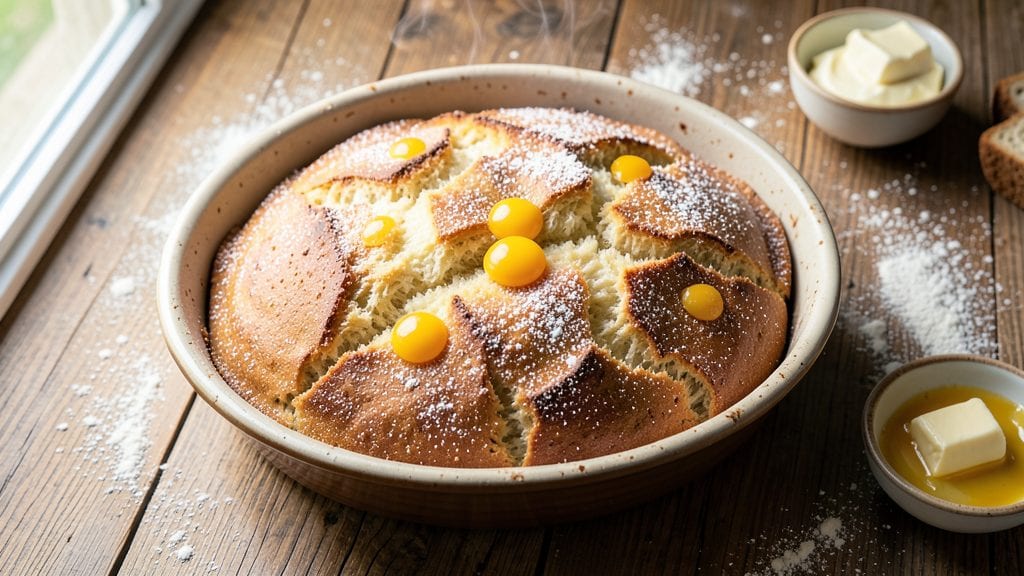
This Amish friendship bread recipe delivers the comforting aroma of warm spices and buttery crust that has become a staple at family gatherings and church potlucks. The rich, swirled dough—traditionally made with yeast, flour, and a touch of cinnamon—creates a tender, slightly sweet loaf that pairs perfectly with any meal.
I first discovered the recipe while visiting an Amish community, where neighbors would bring freshly baked loaves to share with one another, symbolizing their bond.
The beauty of this recipe lies in its simplicity and tradition. You'll work with basic ingredients like all-purpose flour, yeast, and butter, but the result is anything but ordinary.
The dough requires a gentle kneading process and two rounds of rising—one to develop flavor and another to achieve that perfect golden-brown crust. This method ensures a loaf that's both hearty and delicate, with a slightly crisp exterior and soft, spiced interior.
What makes this bread truly special is its cultural significance. In Amish communities, friendship bread is often baked in large batches and shared among neighbors as a gesture of care and fellowship.
The warm spices—cinnamon and nutmeg—create an inviting aroma that fills your kitchen, while the buttery crust adds a touch of indulgence. Once baked, it stays fresh for days, making it ideal for meal prep or gifting.
Whether you're baking for a family gathering or simply craving a taste of tradition, this recipe delivers restaurant-quality results with a homemade touch. The process may require patience, but the reward is a loaf that tastes like comfort itself. Let's get started on creating this timeless classic.
Ingredients for amish frienship bread
Basic pantry staples transform into a fragrant, spiced loaf with buttery swirls and golden crust.
| Ingredient | Amount | Notes |
|---|---|---|
| All-Purpose Flour 🌾 | 4 cups | Sifted for light texture |
| Active Dry Yeast 🍞 | ¼ oz | Or 2 1/4 tsp packet |
| Granulated Sugar 🍚 | ¼ cup | For yeast activation |
| Unsalted Butter 🧈 | ½ cup | Cold, cubed for swirl |
| Warm Milk 🥛 | 1 ¼ cups | 110°F for yeast activation |
| Large Egg 🥚 | 1 whole | Room temperature |
| Ground Cinnamon 🌶️ | 2 tbsp | Freshly ground preferred |
| Ground Nutmeg 🌿 | ½ tsp | Freshly grated nutmeg |
| Salt 🧂 | 1 tsp | Kosher or sea salt |
| Vanilla Extract 🍯 | 1 tsp | Pure vanilla preferred |
| Brown Sugar 🍚 | ¼ cup | Packed for swirl layer |
| Turbinado Sugar 🍚 | ¼ cup | For crust crunch |
The flour is the foundation—King Arthur or Gold Medal brands yield the best texture. Yeast is critical: use within expiration date and test it in warm milk first (it should foam in 5-10 minutes). For the butter, Land O'Lakes or Plugrá work best—avoid salted varieties. The cinnamon should be freshly ground for maximum aroma; pre-ground loses potency quickly. Nutmeg is non-negotiable here—grate it yourself from a whole nutmeg for that authentic Amish touch. Most grocery stores carry whole nutmeg in the spice aisle, often near the vanilla.
No vanilla extract? Vanilla bean paste works beautifully, or almond extract at half the amount adds depth. Running low on brown sugar? Lightly pack granulated sugar to mimic the moisture content. The turbinado sugar can be swapped for white sugar, though it won't have the same caramelized crunch. For a dairy-free option, use coconut oil instead of butter—reduce by 1 tbsp to account for its moisture. Prefer a sweeter loaf? Add 1 tbsp maple syrup to the dough. The spices can be adjusted: reduce cinnamon by 1 tsp if you prefer subtle warmth, or add 0.25 tsp cardamom for a Middle Eastern twist.
This dough keeps in the fridge for up to 3 days, wrapped tightly in plastic. For longer storage, freeze portions for up to 6 months—thaw overnight in the fridge before baking. The baked loaves stay fresh for 4-5 days at room temperature, wrapped in a clean kitchen towel. Slice and toast for breakfast—the buttery swirls melt perfectly when reheated. Portion into individual slices for easy gifting, or freeze whole loaves for Amish-style sharing.
Why You'll Love This Recipe
- No Knead Necessary: This bread doesn’t demand hours of kneading—just mix, let rise, and bake. The warm milk and butter melt into the flour so effortlessly, you’ll wonder why you ever struggled with dough.
- Rich & Buttery Magic: The unsalted butter and sugar create that perfect balance—soft, tender crumb with a golden, buttery crust. It’s the kind of bread that makes you lick your fingers after the last bite.
- Freezer-Friendly Treasure: Make a batch on Sunday and freeze half. Pull it out whenever you need a warm loaf for sandwiches or toast—no reheating required, just slice and serve. My secret for busy weeknights.
- Budget’s Best Friend: A few pantry staples—flour, yeast, milk—turn into something restaurant-worthy for pennies per serving. Honestly, this is the only bread I buy now; homemade always wins.
Step-by-step instructions for Amish friendship bread
Here's the method that delivers those signature swirled layers and crispy crust every time.
Activate the Yeast and Prepare the Dough
In a small bowl, combine the 1.25 cups warm milk (about 110°F) with the 0.25 oz active dry yeast and 0.25 cup granulated sugar. Let this sit for 5-10 minutes until frothy—this confirms your yeast is active. If it doesn't bubble, your bread won't rise properly.
In a large mixing bowl, whisk together the 4 cups all-purpose flour, 2 tbsp ground cinnamon, 0.5 tsp ground nutmeg, 1 tsp salt, and 1 tsp vanilla extract. Make a well in the center and pour in the yeast mixture along with the 1 whole large egg. Mix with a wooden spoon until just combined, then gradually add the 0.5 cup unsalted butter, cubed, mixing until the dough comes together.
Knead and Shape the Dough
Turn the dough onto a lightly floured surface and knead for 5-7 minutes until smooth and elastic. You'll know it's ready when it springs back slowly when poked. If it feels sticky, add a little more flour—just enough to prevent sticking.
Divide the dough into two equal parts. Roll each piece into a 12-inch circle, about ½-inch thick. For the swirl layer, mix together 0.25 cup brown sugar and 0.25 cup turbinado sugar with 1 tbsp ground cinnamon. Sprinkle half of this mixture evenly over one of the dough circles, leaving a 1-inch border uncovered.
Create the Signature Swirl
Starting from one edge, gently roll the sugared dough into a tight log. Place this log on top of the second plain dough circle, aligning the edges. Press lightly to seal, then roll the entire thing into a 12-inch spiral, tucking the ends under as you go. Place seam-side down on a parchment-lined baking sheet.
Cover the dough with a clean kitchen towel and let it rise in a warm place for 1-1.5 hours, or until nearly doubled in size. The dough should feel light and airy when pressed gently—this ensures a tender crumb in your finished bread.
Bake to Golden Perfection
Preheat your oven to 375°F. Brush the risen dough with a little warm milk for a golden finish. Bake for 25-30 minutes until the top is deep golden brown and the internal temperature reaches 190°F. You'll smell that unmistakable cinnamon-sugar aroma filling your kitchen.
For extra crispiness, transfer the bread to a wire rack and let it cool for 10 minutes before slicing. The crust should be firm enough to hold its shape, while the swirl layers remain soft and fragrant. Serve warm with butter or coffee for the full Amish tradition experience.
Pro Tips For Making Amish Frienship Bread
- Test Yeast First: Skip the guesswork—mix 1 packet yeast, 1 tsp sugar, and ¼ cup warm milk (110°F) in a small bowl. If it bubbles within 5 minutes, your yeast is alive and ready; if not, start over with fresh yeast. I learned this the hard way after baking a flat loaf because my yeast was old and stubborn.
- Soften Butter Properly: Don’t microwave the butter—cut it into small cubes and let it sit at room temperature for 30 minutes until it’s soft but still holds shape. If it melts into the dough, the bread turns dense. My grandmother swore by this, and she was right: the butter should press into the flour with light resistance, not smear like buttercream.
- Knead Until Smooth: Stop when the dough pulls cleanly away from the bowl and springs back slowly when poked—about 8–10 minutes by hand or 5–6 minutes with a stand mixer. Over-kneading makes gluten tough; under-kneading leaves it gummy. I was skeptical until I tried it: the difference in texture is night and day.
- Shape Loaves Tightly: Roll the dough into a log, pinch the seams shut, and tuck the ends under for a snug seal. Loose seams let air escape, resulting in a sad, flat loaf. Does it look weird? Yes. Does it work? Every single time—no more deflated bread that looks like it collapsed mid-bake.
Common mistakes when making perfect results
Yeast Activation Fail
Skipping the yeast test is a common mistake that can ruin your entire loaf. Always verify your yeast by mixing it with 110°F warm milk and 0.25 cup sugar—it should foam within 5-10 minutes. If it doesn't bubble, your bread won't rise properly.
I've learned the hard way: expired yeast or cold milk (below 100°F) kills yeast activity. Keep a spare packet handy in case your first batch fails. 🔥
Over-Kneading the Dough
Kneading for too long develops gluten excessively, making your bread tough instead of tender. Aim for 5-7 minutes until the dough springs back slowly when poked. I once kneaded mine for 15 minutes—the result was a dense, chewy loaf that lacked the signature softness.
Use a kitchen scale for accuracy: the dough should weigh about 2 pounds total when divided. A stand mixer with a dough hook works well, but don't exceed 3 minutes on medium speed.
Skipping the Proofing Test
Many bakers overlook the "poke test" during proofing. Gently press your finger into the dough—if it springs back slowly (not immediately), it's ready. Underproofed bread collapses in the oven, while overproofed bread loses its structure.
I've seen loaves that didn't double in size after 1.5 hours—they ended up flat and dense. Keep your dough in a warm spot (like a turned-off oven with a bowl of hot water) for consistent results. A proofing basket adds structure, but a parchment-lined sheet works too.
Uneven Sugar Distribution
The swirl effect depends on even sugar distribution. Sprinkle the brown sugar-turbinado mix thinly over the dough circle, leaving a 1-inch border uncovered. I once clumped the sugar in the center—my bread had a concentrated sweet spot with dry edges.
For perfect swirls, use a fine-mesh sieve or sprinkle gently by hand. The cinnamon should be evenly dispersed too; pre-ground spices work better than whole sticks for consistent flavor. 🌶️
Baking at Wrong Temperature
Ovens vary wildly—your 375°F setting might actually be 350°F. Invest in an oven thermometer to confirm accuracy. I've had breads bake too slowly or burn prematurely because of this. Brush the dough with warm milk before baking for a golden crust.
Rotate the pan halfway through for even browning. The internal temperature should reach 190°F—use an instant-read thermometer to avoid guesswork. A dark baking sheet enhances browning if your oven runs hot.
Cutting Too Soon
Resist the urge to slice immediately! The bread needs 10-15 minutes on a wire rack to firm up its crust. I've seen loaves fall apart when sliced too early. The swirl layers should hold their shape when lifted gently.
For gift-wrapped slices, let them cool completely on a rack—they'll stay fresher longer. Store leftovers in an airtight container with a slice of bread to absorb moisture. Reheat slices in a 350°F oven for 5 minutes to restore their warmth and buttery texture.
Nutrition facts
Frequently asked questions
Why does Amish friendship bread have a swirled pattern?
The signature swirl creates both visual appeal and flavor contrast. The cinnamon-sugar layer adds sweetness and warmth while the plain dough keeps the texture tender. This traditional technique comes from Amish baking traditions where decorative patterns symbolize care and craftsmanship in homemade goods.
Can I make this bread without a stand mixer?
The dough requires only gentle kneading by hand for 5-7 minutes until smooth. Use a lightly floured surface and your knuckles as a guide - the dough should feel elastic but not sticky. A wooden spoon works well for initial mixing too.
How do I store homemade friendship bread?
Wrap cooled loaves tightly in plastic wrap or foil and store at room temperature for 3-4 days. For longer storage, freeze for up to 3 months - thaw overnight in the fridge. The spices actually intensify in flavor over time!
What's the secret to getting that perfect golden crust?
Brush the risen dough with warm milk before baking and use turbinado sugar on top. Bake at 375°F until internal temp reaches 190°F. A dark baking sheet also helps create that beautiful caramelized finish.
Can I substitute any ingredients?
For dairy-free, replace butter with coconut oil (reduce by 1 tbsp). Use white sugar instead of turbinado, though it won't be as crunchy. For gluten-free, substitute with a 1:1 GF flour blend - the texture will differ but still taste delicious.