
Desserts
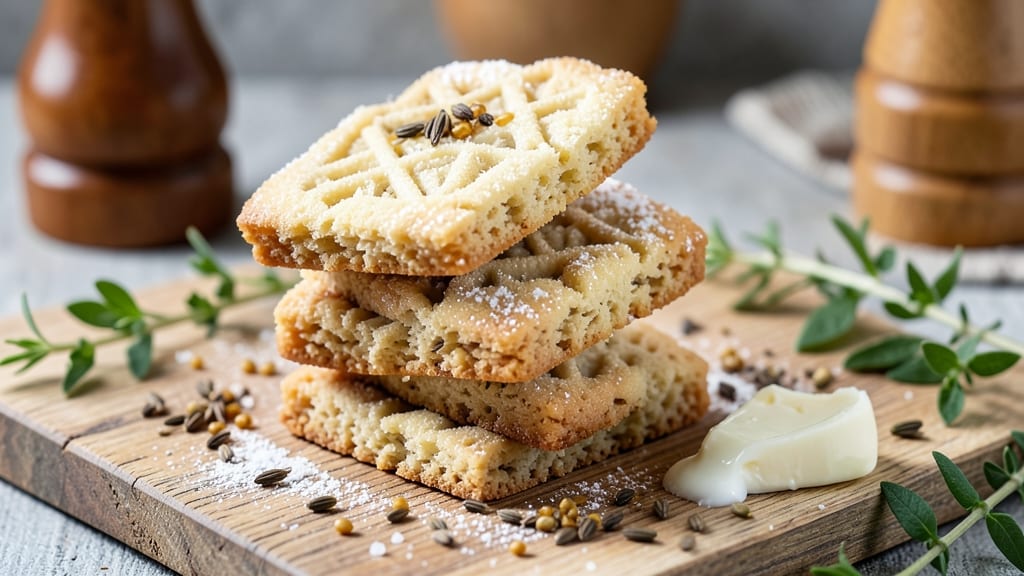
This anise shortbread cookie recipe delivers the perfect balance of licorice-kissed warmth and buttery crunch—every bite is a harmony of traditional shortbread texture with an unexpected aromatic twist.
The secret lies in the anise seeds, which add a subtle, earthy sweetness that lingers like a whisper of licorice without overpowering the delicate vanilla notes.
I developed this recipe after years of experimenting with classic shortbread, determined to elevate it with a sophisticated flavor profile that still feels comforting and familiar.
The foundation of these cookies is simple: cold butter, flour, and sugar mixed just until combined, then baked until golden at 325°F for a crisp yet tender result. What sets them apart is the anise—ground into the dough for an even distribution of that distinctive, slightly sweet licorice flavor.
The addition of vanilla bean paste deepens the aroma, while a pinch of salt enhances every nuance. This recipe is foolproof, with a technique that ensures consistent texture and flavor, batch after batch.
What you’ll end up with is a tray of golden, fragrant cookies with edges that crisp slightly while maintaining a melt-in-your-mouth center. The anise flavor is subtle enough to intrigue without dominating, making these cookies a crowd-pleaser for both licorice lovers and those new to the spice.
They’re perfect for holiday gifting, afternoon tea, or a sophisticated dessert alongside a cup of coffee.
For those who love to experiment, try adding a sprinkle of citrus zest or a handful of dark chocolate chips to the dough—these variations keep the shortbread’s signature crumbly texture while introducing new layers of flavor.
The recipe scales easily, so you can bake a single batch for personal indulgence or double it for sharing. Let’s get baking!
Ingredients for anise shortbread cookie
Eight essential ingredients transform into delicate, anise-infused shortbread with perfect crunch and subtle licorice warmth.
| Ingredient | Amount | Notes |
|---|---|---|
| Unsalted Butter 🧈 | 1 lb | Cold, cut into cubes for even baking |
| All-Purpose Flour 🌾 | 3 cups | Sifted for light texture, plus extra for rolling |
| Granulated Sugar 🍚 | 1 cup | Superfine preferred for smoother crumb |
| Ground Anise Seeds 🌿 | 2 tbsp | Freshly ground for maximum aroma |
| Vanilla Bean Paste 🍦 | 1 tbsp | High-quality for authentic vanilla depth |
| Fine Sea Salt 🧂 | ½ tsp | Diamond Crystal preferred for delicate flavor |
| Baking Soda 🍞 | ¼ tsp | Ensures proper rise and texture |
| Toasted Slivered Almonds 🌰 | ½ cup | Optional garnish for added crunch |
The unsalted butter is non-negotiable—it must be cold when mixed to create that signature shortbread crumb. I recommend Plugrá or European-style butter for superior flavor and higher fat content, which prevents over-browning. For the anise, whole anise seeds are best—grind them fresh using a mortar and pestle or coffee grinder right before mixing. The vanilla bean paste from Madagascar or Tahitian beans adds depth that powdered extracts simply can’t match. If substituting, use 1 tsp vanilla extract but expect slightly less complexity. King Arthur or Gold Medal flour yields the best texture, and sifting is crucial to avoid dense cookies.
No ground anise seeds? Crush whole anise seeds in a spice grinder—just 1 tbsp whole seeds yields about 2 tbsp ground. The vanilla bean paste can be swapped for high-quality vanilla extract, though the flavor will be less nuanced. For a citrus twist, add 1 tbsp lemon zest to the dough. The slivered almonds can be omitted entirely or replaced with chopped pistachios for a different texture contrast. If your butter isn’t cold enough, chill the dough for 30 minutes before baking. The baking soda is essential—baking powder cannot substitute as it introduces moisture that alters the texture.
Store cookies in an airtight container at room temperature for up to 1 week, though they’ll likely disappear faster. For longer storage, freeze portions between layers of parchment paper for up to 3 months. The anise flavor intensifies slightly over time, making them even more aromatic. To maintain crispness, reheat at 300°F for 3-5 minutes before serving. These cookies are perfect for holiday gifting—package in clear cellophane bags tied with ribbon for an elegant presentation. The subtle licorice note pairs beautifully with black tea or espresso, enhancing their sophisticated appeal.
Why You'll Love This Recipe
- No-Fuss Mixing: I swear by the "cream and fold" method here—just soft butter, sugar, and vanilla blended until smooth, then flour and anise stirred in like you’re making pancakes. No food processor, no stress, and zero cleanup beyond one bowl.
- Licorice-Like Magic: That ground anise? It’s the secret weapon—warm, herbal, and just sweet enough to taste like a fancy European bakery, not your average cookie. The vanilla paste ties it all together with a whisper of depth.
- Party or Snack: These hold their shape like a dream, so they’re perfect for holiday platters (they look elegant, even if they’re not fancy). But honestly? I make them on random Tuesday nights because they disappear faster than my willpower.
- Budget Crunch-Saver: Butter and flour are pantry staples, and a little vanilla paste goes a long way. One batch makes 24 cookies, and they freeze like champs—so you’re never stuck scrambling for dessert. Win.
Step-by-step instructions for anise shortbread cookies
Mastering these delicate cookies requires precision—follow these steps exactly for perfect texture and aromatic balance.
Cut and Cream the Cold Butter
Cut the 1 lb unsalted butter into ½-inch cubes and place them in the freezer for 10 minutes to ensure they remain firm. In a stand mixer fitted with the paddle attachment, cream the butter on low speed for 2-3 minutes until it forms a light, fluffy base with no graininess.
This cold butter method creates the signature shortbread crumb—too much heat will melt the fat prematurely. I press down gently on the butter with a spatula during the first minute to break it down evenly. You're aiming for a texture that's light but still holds its shape when pressed between fingers.
Gradually Incorporate Dry Ingredients
Add the 1 cup granulated sugar and mix on low speed for 1 minute until fully combined with the butter. In a separate bowl, whisk together the 3 cups all-purpose flour, 2 tbsp ground anise seeds, 0.5 tsp fine sea salt, and 0.25 tsp baking soda. With the mixer running on low speed, gradually add the dry ingredients to the butter mixture.
Mix just until the dough begins to come together—about 30-45 seconds. Overmixing develops gluten, which makes these delicate cookies dense. The dough should look shaggy and slightly crumbly. If it appears too dry, press it together with your hands to form a cohesive mass.
Add Wet Ingredients and Knead
Add the 1 tbsp vanilla bean paste and mix on low speed for 30 seconds until fully incorporated. Turn off the mixer and use a silicone spatula to scrape down the sides of the bowl. Then, using your hands, knead the dough gently for 1-2 minutes until it holds together when pressed.
This step ensures the vanilla flavor is evenly distributed throughout the dough. The dough should be soft but not sticky—if it feels too wet, chill it for 10 minutes before proceeding. Wrap the dough in plastic wrap and refrigerate for at least 1 hour (up to 24 hours) to allow the gluten to relax and the flavors to meld.
Roll, Cut, and Bake
Preheat your oven to 325°F and line two baking sheets with parchment paper. On a lightly floured surface, roll out the chilled dough to ¼-inch thickness. Use a 2-inch round cutter to cut out cookies, pressing firmly to ensure clean edges. Place the cutouts on the prepared baking sheets, spacing them 1 inch apart. Sprinkle the tops with the 0.5 cup toasted slivered almonds if using.
Bake for 18-22 minutes until the edges are light golden brown and the centers still look slightly pale. The cookies should be firm to the touch but not hard. Rotate the baking sheets halfway through for even baking. Remove from the oven and let cool on the baking sheets for 5 minutes before transferring to a wire rack to cool completely.
Rest and Store for Maximum Flavor
Allow the cookies to cool completely before storing. For the best flavor and texture, store them in an airtight container at room temperature for up to 1 week. If you prefer them extra crisp, spread a thin layer of vanilla bean paste between layers of cookies before sealing the container.
These cookies develop their full anise aroma over time, so they taste even better the next day. Serve them with a cup of black tea or coffee to highlight their licorice-kissed crunch and vanilla depth. The delicate balance of flavors and textures makes them a standout treat for any occasion.
Pro Tips For Making Anise Shortbread Cookie
- Chill the Dough Hard: I learned this the hard way—skipping the 1-hour fridge rest makes for crumbly, uneven cookies. Press the dough into a flat disc, wrap it in plastic, and let it sit until it’s rock-solid (yes, even if you’re impatient like me).
- Use Cold Butter: Cut the unsalted butter into small cubes and freeze it for 10 minutes first. This prevents the dough from getting greasy and ensures those signature crisp edges instead of a sad, flat cookie.
- Measure Anise Precisely: Ground anise seeds are potent—don’t eyeball it. Use a kitchen scale for 1 teaspoon (not tablespoons) per recipe, or you’ll end up with a licorice-flavored disaster. Taste as you go.
- Press for Even Thickness: Roll the dough to a consistent ¼-inch thickness—no thicker, no thinner. A cookie press or rolling pin with guides makes this easier, but even pressure by hand works if you’re patient. Uneven dough = uneven baking.
Wine and beer pairings for anise shortbread cookie
Tea Pairings
Earl Grey tea is my go-to pairing—its bergamot notes complement the anise's licorice warmth beautifully. The citrusy brightness cuts through the buttery richness, creating a perfect balance. I steep a high-quality loose-leaf for 3-4 minutes to avoid bitterness.
For a bolder match, try Lapsang Souchong, whose smoky depth enhances the anise's earthy complexity. 🍵
Coffee Complements
A medium-roast coffee with chocolate or nutty undertones works wonders, like a Sumatra Mandheling or Brazilian Santos. The coffee's natural sweetness mirrors the cookies' vanilla depth while the anise adds an intriguing herbal note.
I recommend serving cookies with a lightly sweetened brew—no syrup needed. For espresso lovers, a ristretto with its concentrated flavor brings out the anise's subtle licorice character. ☕
Alcohol Pairings
For a boozy twist, pair with dry sherry like Pedro Ximénez or a crisp Fino. The sherry's nutty, caramel notes harmonize with the cookies' buttery texture. If you prefer beer, a Belgian witbier with its coriander and citrus flavors creates a refreshing contrast.
For a dessert wine option, try Port—its rich, fruity profile stands up to the anise's complexity. 🍷
Unexpected Pairings
Spiced chai tea adds warmth with its cinnamon and cardamom, creating a cozy flavor symphony. For a non-alcoholic option, ginger beer with its effervescence and spice cuts through the richness. I also love pairing these cookies with dark chocolate (70% or higher)—the bitterness balances the sweetness perfectly.
The anise's licorice note even complements spiced rum cocktails like a Dark 'n' Stormy. 🌶️
Nutrition facts
Frequently asked questions
Can I substitute anise seeds with another spice?
The anise seeds are key to this recipe's unique flavor, but you can try 1 tbsp fennel seeds or ½ tsp ground licorice root powder for a similar licorice-like note. However, these alternatives won't be identical—anise has a more delicate, slightly sweet warmth that's hard to replicate. For a different twist, consider 1 tsp ground cardamom for warmth or ½ tsp orange zest for brightness.
Why do my anise shortbread cookies taste bland?
Overbaking or underseasoning usually causes blandness. Ensure your oven is properly calibrated (use an oven thermometer) and bake for 18-22 minutes at 325°F—any longer makes them dry. Double-check your anise measurement (use 2 tbsp freshly ground seeds) and ensure your vanilla bean paste is high-quality. For extra depth, add ½ tsp lemon zest to the dough.
Can I make these cookies gluten-free?
Yes, but texture will differ. Replace the all-purpose flour with a 1:1 gluten-free baking flour blend (like Bob's Red Mill) plus ½ tsp xanthan gum. Chill the dough longer (2 hours) and handle gently to prevent crumbling. Expect slightly denser cookies—shortbread relies on gluten for its signature crumb, so gluten-free versions will be more cake-like.
How do I store these cookies to keep them crisp?
Store in an airtight container with a slice of bread or a silica gel packet to absorb moisture. For extra crispness, place cookies on a wire rack in a 200°F oven for 5-10 minutes before serving. Avoid refrigerating—cold temperatures make shortbread soft. At room temperature, they'll stay fresh for up to 1 week and crispy for 3-4 days.
Can I make these cookies ahead for holiday gifting?
These cookies improve with age—make them 3 days ahead and store in an airtight container. For gifting, package in clear cellophane bags with a ribbon tie and include a note about pairing with tea or coffee. The anise flavor intensifies over time, making them even more aromatic. Freeze portions between parchment paper for up to 3 months—thaw at room temperature before serving.