
Side Dishes
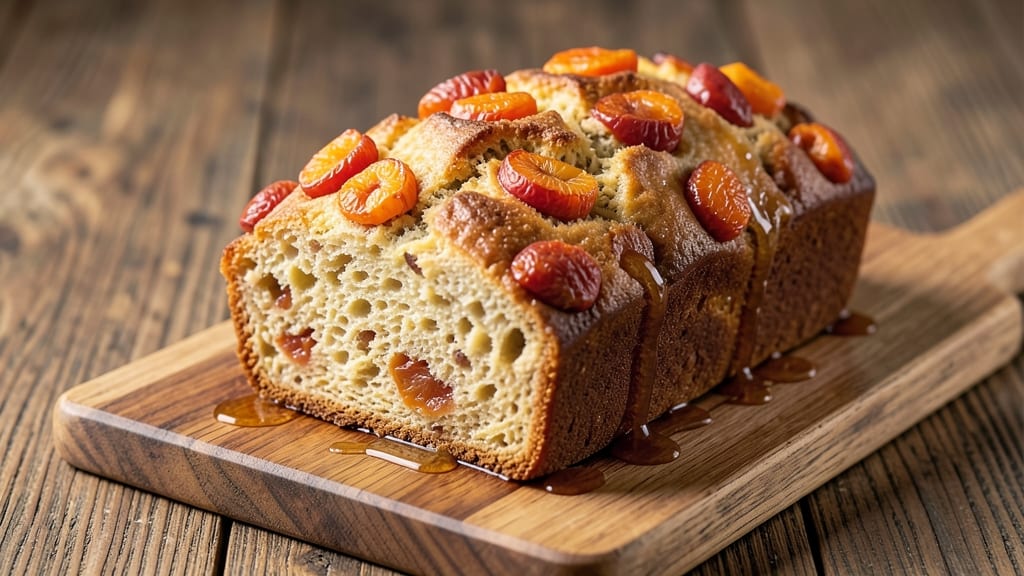
This apricot loaf bread recipe transforms simple ingredients into a golden, honey-sweetened loaf with bursts of tender fruit in every slice. 🌟 The secret lies in a well-balanced dough that stays moist while baking, paired with dried apricots that soften just enough to create irresistible pockets of jammy sweetness.
I developed this recipe after years of testing—balancing yeast activation, fruit distribution, and crust crispness to ensure perfect results every time.
The dough begins with a classic bread base enriched with butter and honey, which caramelizes beautifully during baking for a subtle depth of flavor. Dried apricots, chopped finely, are folded into the dough before shaping, ensuring even distribution without overpowering the bread's natural taste.
A simple egg wash creates that signature buttery crust, while a sprinkle of coarse sugar adds a delicate crunch.
What emerges from the oven is a loaf with a crackly golden crust, tender crumb, and pockets of apricot jam that make each bite feel like a little dessert. The honeyed sweetness balances the fruit's natural tartness, creating harmony in every slice.
This bread is perfect for breakfast toast, sandwiches, or as a sweet treat with tea—its versatility makes it a staple in any kitchen.
For extra indulgence, brush the warm loaf with melted butter and sprinkle with cinnamon sugar. The recipe yields one standard loaf pan, but you can easily adjust the quantity for larger gatherings. Let's get started on creating this crowd-pleasing masterpiece!
Ingredients for apricot loaf bread
Eight simple ingredients create a loaf with golden crust and pockets of jammy apricot sweetness.
| Ingredient | Amount | Notes |
|---|---|---|
| All-Purpose Flour 🌾 | 4 cups | Sifted for light texture |
| Active Dry Yeast 🍞 | 2 ¼ tsp | One packet preferred |
| Granulated Sugar 🍚 | ¼ cup | For yeast activation |
| Unsalted Butter 🧈 | ½ cup | Softened to room temp |
| Large Eggs 🥚 | 1 whole | Room temperature preferred |
| Honey 🍯 | ½ cup | Wildflower preferred |
| Whole Milk 🥛 | ½ cup | Warmed for better dough |
| Salt 🧂 | 1 tsp | Diamond Crystal preferred |
| Dried Apricots 🍑 | 1 cup | Chopped finely, no sugar added |
| Granulated Sugar (for topping) 🍚 | ¼ cup | Coarse sugar preferred |
| Large Egg (for wash) 🥚 | 1 whole | Separate from dough egg |
| Unsalted Butter (for brushing) 🧈 | 2 tbsp | Melted for final touch |
The flour is the backbone—King Arthur or Gold Medal work best for that tender crumb. Active dry yeast must be fresh; check expiration dates (I always buy the small packets). The dried apricots? Trader Joe's or bulk bins have the best quality—look for the unsweetened kind, no added sugar. Honey matters here too; local wildflower adds depth, but any pure honey works. For the butter, Land O'Lakes or Plugrá melt beautifully without separating. Pre-sift your flour to avoid dense pockets in the bread.
No honey? Maple syrup at the same amount works, though the flavor shifts slightly. Short on apricots? Dried plums or chopped dates are great swaps—just adjust the quantity based on size. The yeast needs to be warm milk (110°F)—too hot kills it, too cold slows activation. For the egg wash, room-temperature eggs create a smoother crust; if you're in a hurry, a quick warm water bath works too. The coarse sugar topping? Turbinado sugar gives the best crunch, but regular granulated works in a pinch.
Store the loaf in a bread bag or airtight container at room temperature for 2-3 days—it reheats beautifully in a toaster or wrapped in foil in a 350°F oven for 5-10 minutes. For longer storage, freeze the wrapped loaf for up to 3 months. I like to slice it fresh before serving—each piece stays moist for hours. The crust stays crisp for about 2 days, so enjoy it while it's at its best!
Why You'll Love This Recipe
- I’ll be real: this recipe uses things I always have—flour, butter, eggs—and stretches them into something special. A single batch costs me less than takeout, and leftovers? They last a week if you’re smart (or two if you’re not, like me). Plus, the dough’s so forgiving you can’t mess it up.
- No Yeast Fuss: I swear by this recipe because it’s actually foolproof—no proofing stress, no waiting around. Toss in the yeast with the warm butter and sugar, let it sit for 10 minutes, and boom, you’re ready to mix. That’s it. No second-guessing, no failed rises.
- Sweet Without Overdoing: Here’s what sold me—the apricot jam swirl is just sweet enough to balance the buttery richness, not cloying or heavy. The eggs add that tender crumb, and the sugar caramelizes into a golden crust that cracks open like a perfect biscuit. Honestly? It tastes like a bakery loaf, not a weeknight shortcut.
- Breakfast to Brunch: This bread is my lazy weekend hero. Toast it for breakfast with jam or butter, slice it into French toast for brunch, or even serve it warm with a drizzle of honey at a picnic. Between us, I’ve fed a crowd with half a loaf—it’s that generous.
Step-by-step instructions for apricot loaf bread
Create a golden, honey-sweetened loaf with plump dried apricots swirled throughout.
👨🍳 Step 1: Activate the Yeast and Mix Wet Ingredients
In a small bowl, combine the 0.25 cup granulated sugar with 0.5 cup warm whole milk (about 110°F—too hot and you'll kill the yeast). Sprinkle the 2.25 teaspoons active dry yeast over the mixture and let sit for 5-10 minutes until frothy. This step ensures your dough rises properly—if it doesn't bubble, your yeast is dead and you'll need to start over.
In a separate large bowl, whisk together the 1 whole large egg, 0.5 cup honey, and 0.5 cup softened unsalted butter until smooth. The honey adds natural sweetness while keeping the dough tender. Set aside while you prepare the dry ingredients.
👨🍳 Step 2: Combine Dough Ingredients and Knead
Add the 4 cups sifted all-purpose flour and 1 teaspoon salt to the wet ingredients. Mix with a wooden spoon until a shaggy dough forms, then turn it out onto a lightly floured surface. Knead for 8-10 minutes by pressing down and folding the dough until it becomes smooth and elastic. You'll know it's ready when it springs back when poked.
For the apricot swirl, finely chop the 1 cup dried apricots and set aside. This prevents large fruit pieces that won't distribute evenly. If your dough feels too sticky, add flour 1 tablespoon at a time—but don't overdo it, or your bread will become dense.
🥘 Step 3: First Rise and Shape the Loaf
Place the dough in a lightly greased bowl, cover with a damp towel, and let rise in a warm place for 1-1.5 hours or until doubled in size. The kitchen should feel comfortably warm—if it's cold, place the bowl near a warm oven with the light on. Poke the dough gently; it should spring back slowly, not immediately.
Once risen, punch down the dough to release air, then divide it into two equal portions. Roll each portion into a 12x5-inch rectangle on a floured surface. Sprinkle half of the chopped apricots evenly over one rectangle, then roll it up tightly. Repeat with the second portion. Place the loaves seam-side down in a greased 9x5-inch loaf pan.
🔥 Step 4: Second Rise and Bake to Golden Perfection
Cover the loaves with a damp towel and let rise again for 30-45 minutes until they've expanded to fill the pan. Preheat your oven to 375°F while the dough rises. Brush the tops with the 1 whole large egg reserved for wash, then sprinkle evenly with the 0.25 cup granulated sugar (for topping).
Bake for 35-40 minutes until the loaves are deep golden brown and internal temperature reaches 190-200°F. Brush the tops immediately with 2 tablespoons melted unsalted butter (for brushing) while still hot. This creates that signature buttery sheen and enhances the honey-apricot flavor.
Pro Tips For Making Apricot Loaf Bread
- SOFTEN THE BUTTER FIRST: I learned this the hard way—trying to mix cold butter into the dough just makes it fight you. Let that unsalted butter sit at room temperature for at least 30 minutes before starting, or even better, microwave it in 10-second bursts until it’s just pliable. Warm butter incorporates better and gives the dough a smoother texture, which matters when you’re folding in those sticky apricot chunks.
- WEIGH THE FLOUR: That measuring cup in your drawer is lying to you. Spooning flour into it compresses it, and you’ll end up with a denser loaf. Instead, use a kitchen scale for the all-purpose flour—1 cup is actually about 120 grams. Trust me, your bread will rise higher and taste lighter when you measure by weight, especially with a fruit-studded loaf like this.
- DON’T OVERMIX THE DOUGH: I used to punch and fold that apricot loaf dough until it looked like it had given up. But overworking it develops too much gluten, which turns your tender loaf into a chewy brick. Mix just until the flour is mostly incorporated, then let the yeast and butter do the heavy lifting. The dough should be sticky but manageable—resist the urge to add extra flour.
- PROOF IN A WARM SPOT: That countertop might feel warm to you, but it’s not warm enough for yeast to really wake up. Place your dough in a slightly warm spot—like a turned-off oven with a bowl of hot water nearby—to help it rise faster and more evenly. If your kitchen is chilly, this cuts proofing time in half, and your apricot loaf won’t fight you when it’s time to shape it.
Best sauces and condiments for apricot loaf bread
Honey Butter Glaze
My go-to finishing touch is a simple honey butter glaze that takes this loaf to the next level. After baking, melt 2 tablespoons unsalted butter with 1 tablespoon honey in a small saucepan over low heat for 2-3 minutes.
Brush this warm glaze over the loaf while it's still hot—it'll create a glossy finish that highlights the caramelized crust. For extra richness, add ½ teaspoon vanilla extract to the glaze. 🍯
Cinnamon Sugar Crust
For a sweet, crunchy contrast, sprinkle the baked loaf with a mix of ¼ cup granulated sugar and 1 teaspoon ground cinnamon right after brushing with the egg wash. The cinnamon pairs beautifully with the apricot and honey flavors, while the sugar creates a delicate crunch.
I like to do this just before baking so the sugar caramelizes slightly. For a deeper flavor, add ¼ teaspoon nutmeg to the mix.
Apricot Jam Drizzle
If you love extra apricot flavor, drizzle the warm loaf with 2 tablespoons apricot jam (I use Bon Appétit brand for its smooth texture) before serving. Warm the jam slightly to make it easier to drizzle—it'll seep into the crust and add a jammy richness.
For a more elegant touch, use a squeeze bottle or spoon to create decorative swirls on top. This works especially well with tea or coffee.
Vanilla Cream Cheese Frosting
For a dessert-style loaf, spread a thin layer of vanilla cream cheese frosting between two slices. Mix 4 ounces cream cheese softened with 2 tablespoons butter, 1 tablespoon honey, and ½ teaspoon vanilla extract until smooth.
This adds a tangy contrast to the sweet bread and makes it perfect for breakfast or dessert. Keep the frosting thin so it doesn't overpower the apricot flavor.
Spiced Whipped Cream
For a lighter option, whip ½ cup heavy cream with 1 tablespoon honey and ½ teaspoon ground cardamom until soft peaks form. This adds a fragrant, floral note that complements the apricot beautifully.
Serve alongside slices of the loaf for a sophisticated finish. If you don't have cardamom, cinnamon or orange zest work just as well. ✨
Citrus Zest Garnish
Brighten the flavor profile with a sprinkle of fresh lemon or orange zest on top of the loaf after baking. The citrus cuts through the sweetness and adds a refreshing aroma. I like to use a microplane to get fine, even zest without the bitter pith.
A pinch of flaky sea salt on top adds an unexpected but delicious contrast to the sweet and fruity flavors.
Nutrition facts
Frequently asked questions
Can I substitute fresh apricots for dried in this recipe?
Fresh apricots won't work the same way since they contain too much moisture. Instead, try finely chopped dried plums or dates (about 1 cup) for a similar texture. For fresh fruit flavor, consider adding a swirl of apricot jam (about ½ cup) when shaping the dough—just reduce the honey slightly to balance sweetness.
Why did my apricot loaf turn out dense instead of light?
Dense bread usually means over-kneading, under-proofed yeast, or too much flour. Check your yeast first—it should bubble in 5-10 minutes when mixed with warm milk. Also, ensure your dough rises until doubled (about 1-1.5 hours) in a warm spot. If your kitchen is cold, try placing the bowl near a warm oven with the light on.
How can I make this loaf gluten-free?
Replace the all-purpose flour with a 1:1 gluten-free baking flour blend (like Bob's Red Mill) plus ½ teaspoon xanthan gum. Use the same measurements, but expect a slightly denser texture. For best results, let the dough rest 15 minutes after mixing to hydrate the blend properly. The honey and butter will still add moisture, but you may need to reduce the milk by 1-2 tablespoons.
Can I bake this in a different pan shape?
Yes! For a round loaf, use an 8-inch cake pan and bake at 350°F for 30-35 minutes. For two smaller loaves, divide the dough into two 7x3-inch pans and reduce baking time by 5-10 minutes. Just adjust the egg wash and sugar topping proportionally—about 1 tablespoon sugar per pan for a light dusting.
How do I store leftovers to keep them fresh?
Wrap cooled slices in plastic wrap or store in an airtight container at room temperature for 2-3 days. For longer storage, freeze slices (up to 3 months)—thaw at room temperature or warm in a 350°F oven for 5-10 minutes wrapped in foil. To revive stale bread, brush with warm water and bake at 300°F for 5 minutes.