
Side Dishes
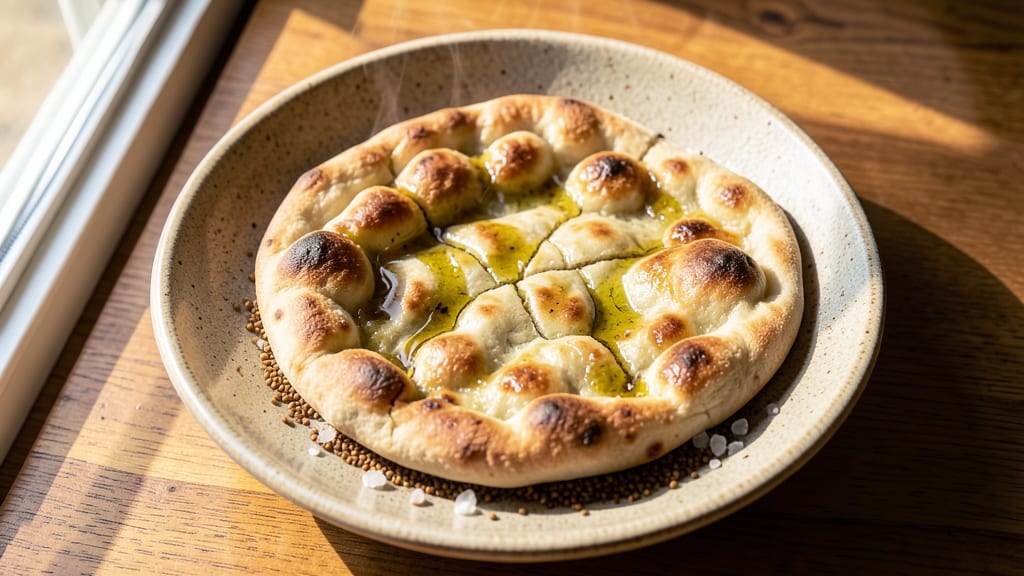
This Arabic bread recipe without yeast delivers the perfect balance of crispy edges and soft centers in just 15 minutes—no waiting for dough to rise.
The secret lies in a simple dough of flour, water, oil, and salt, combined with a quick baking technique that transforms it into restaurant-quality flatbread every time. I developed this version after craving warm, fragrant bread that pairs beautifully with stews or dips, but without the long fermentation process.
The dough comes together in minutes with just four ingredients, making it ideal for busy weeknights or last-minute meals. Unlike traditional yeast-based breads, this recipe relies on baking soda for a gentle lift, while the high-heat baking creates those coveted crispy edges and chewy interiors.
The warm spices—like cumin or sesame seeds—add an authentic touch that elevates every bite.
By the time you pull it from the oven, you’ll have golden, blistered flatbread with a satisfying crunch that gives way to a soft, pillowy center. The aroma alone will have everyone at the table reaching for seconds.
This bread is versatile enough for everyday meals or special occasions, and it reheats beautifully for days afterward.
Perfect for serving with hummus, olive oil drizzles, or as a side to grilled meats, this recipe proves you don’t need yeast to create bread that feels like a hug. Let’s get started—your kitchen will smell like a Middle Eastern bakery in no time.
Ingredients for arabic bread recipe without yeast
Four core ingredients plus spices create restaurant-quality flatbread in minutes—no yeast needed.
| Ingredient | Amount | Notes |
|---|---|---|
| All-Purpose Flour 🌾 | 3 cups | Sifted for light texture |
| Extra-Virgin Olive Oil 🫒 | ½ cup | High quality for flavor |
| Warm Water 💧 | 1 ¼ cups | 110°F for optimal mixing |
| Salt 🧂 | 1 ½ tsp | Fine sea salt preferred |
| Baking Soda 🧪 | 1 tsp | For gentle lift |
| Ground Cumin 🌿 | 1 tsp | Authentic Middle Eastern touch |
| Sesame Seeds 🌰 | 2 tbsp | Toasted for extra flavor |
| Vegetable Oil 🫒 | 2 tbsp | For brushing bread |
The flour is the foundation—King Arthur or Bob's Red Mill work best for their protein balance. Warm water (around 110°F) helps activate the baking soda instantly, so don't skip heating it slightly. Extra-virgin olive oil adds richness, but any neutral oil works in a pinch. For the spices, Penzeys carries excellent cumin, but the regular grocery store variety is fine—just make sure it smells fresh. Sesame seeds can be toasted in a dry pan for 30 seconds before mixing for deeper flavor. Store-bought sesame seeds are pre-toasted, but a quick toast revives them if they've been sitting in your pantry too long.
No baking soda? Double the amount of baking powder works, but the texture won't be identical. Running short on olive oil? Vegetable or canola oil keeps the same neutral profile. The dough should be just slightly sticky—if it feels too dry, add 1 tsp more warm water. For a nutty variation, swap 1 tbsp of flour for ground almonds. Want extra crispiness? Brush the baked bread with a mix of melted butter and garlic powder while still hot. The bread freezes beautifully—just reheat in a 350°F oven for 5-7 minutes to restore crispness.
This dough keeps in the fridge for up to 2 days wrapped in plastic, though it's best used fresh. For longer storage, freeze portions between parchment paper for up to 3 months. The baked bread reheats best in a skillet over medium heat for 1-2 minutes per side—watch closely to avoid burning. Store baked flatbread in an airtight container at room temperature for 2-3 days, separated by parchment to maintain crispness. The aroma alone makes this worth the effort, and the versatility (great with hummus, soups, or as a wrap) seals the deal.
Why You'll Love This Recipe
- No Yeast, No Stress: The baking soda does all the work—no waiting for dough to rise, no yeast fiascos. Mix, shape, bake. That’s it. Honestly, I’ve made this on days when I forgot to take the bread out of the fridge.
- Olive Oil Magic: That rich, fruity olive oil gets absorbed just enough to keep the bread tender but never greasy. The crust? Crispy enough to hold up to soups or dips, but soft enough to tear with your hands. (Yes, even on a Tuesday night.)
- Pantry Staple Power: Five ingredients, all of which you probably already have. Between us, this is the bread I pull out when guests show up unannounced—or when I’m too tired to grocery shop.
- Freezer-Friendly Flex: Make a batch, freeze half, and thaw as needed. Toss it in the oven straight from frozen—no defrosting, no fuss. I keep a loaf stashed for lazy mornings or last-minute meal prep. It’s my secret weapon for busy weeks.
Step-by-step instructions for Arabic bread without yeast
Here's how to craft authentic Middle Eastern flatbread with crisp edges and warm spice notes in under 30 minutes.
Mix the Dough with Warm Water and Olive Oil
In a large mixing bowl, combine the 3 cups all-purpose flour and 1.5 teaspoons salt. Create a well in the center and pour in the 0.5 cup extra-virgin olive oil and 1.25 cups warm water (about 110°F). The water should be warm enough to dissolve the baking soda completely but not hot enough to cook the flour.
Using a wooden spoon or your hands, gradually incorporate the flour into the wet ingredients until a shaggy dough forms. The dough will be sticky - this is normal. Add the 1 teaspoon baking soda and 1 teaspoon ground cumin, mixing until fully combined. The cumin will infuse the dough with its distinctive warm aroma, giving your bread that authentic Middle Eastern character.
Knead Briefly and Rest the Dough
Turn the dough onto a lightly floured surface and knead for just 2-3 minutes until smooth and elastic. You're not making bread for rising here - this quick kneading helps develop just enough gluten for structure. The dough should be soft and slightly tacky.
Divide the dough into 6 equal portions (about 3 ounces each) and cover with a damp towel. Let the dough rest for 10 minutes at room temperature. This brief rest helps relax the gluten and makes rolling easier. Don't skip this step - it prevents the bread from tearing when you stretch it later.
Shape and Cook the Flatbreads
Heat a clean skillet or griddle over medium-high heat until very hot. Lightly brush the surface with 1 tablespoon vegetable oil (using half of the total amount). Take one dough portion and gently press it between your palms to form a ¼-inch thick circle about 6 inches in diameter.
Place the shaped dough in the hot skillet. Cook for 1-2 minutes until bubbles form on the surface and the edges begin to crisp. Flip carefully using a thin spatula and cook the other side for another 1-2 minutes until golden brown spots appear. Remove to a clean towel and repeat with remaining dough portions, re-oiling the skillet as needed.
Toast and Finish with Sesame Seeds
Return all cooked flatbreads to the skillet for 30 seconds to warm through and develop crisp edges. Working quickly, brush the tops with any remaining 1 tablespoon vegetable oil and sprinkle with 2 tablespoons toasted sesame seeds, pressing gently to adhere. The seeds should be toasted separately in a dry skillet for 1-2 minutes until fragrant before sprinkling.
Serve immediately while still warm. The bread should have a crisp exterior with a soft, slightly chewy interior. Each flatbread should be about 8 inches in diameter with golden brown edges and a subtle cumin aroma. These flatbreads are perfect for wrapping around grilled meats, dipping in hummus, or serving alongside soups.
Pro Tips For Making Arabic Bread Recipe Without Yeast
- Mix Until Gluten Stops Fighting: Stop folding the dough like you’re kneading pizza—this isn’t yeast bread. After adding warm water, stir with a fork until the flour forms a shaggy mass, then let it sit for 5 minutes. The gluten will relax on its own, and you’ll avoid a tough, chewy result that tastes like you overworked it.
- Salt the Water Like the Sea: Skip the half-teaspoon "just in case" and use a full teaspoon of salt in the warm water. Arabic bread needs bold flavor to stand up to olive oil and baking soda’s tang. Trust me, your bread will taste flat if you skimp—like eating a shadow of itself.
- Bake on High, Then Embrace the Steam: Crank your oven to 475°F (245°C) and bake for 3 minutes before dropping the heat to 375°F (190°C). That initial blast gets the crust crisping fast, while the lower temp finishes it evenly. I learned this after my first batch turned out like a sad, dense pancake.
- Olive Oil Isn’t Just Flavor: Brush the dough and the baking tray with extra-virgin olive oil before shaping. The oil on the tray prevents sticking, and the dough absorbs it better when warm. Dry, flaky bread? Not here. This is where the magic happens—don’t skip it.
Pro cooking tips for great arabic bread recipe without yeast
Heat Control Secrets
Your skillet must be scorchingly hot before adding dough—think medium-high to high heat (about 400-450°F). I use a cast-iron skillet like Lodge because it retains heat perfectly and creates those signature crispy edges.
Test the heat by sprinkling a few drops of water—if they sizzle and evaporate instantly, you're ready. Too cool? The bread will steam instead of crisp, and you'll end up with soggy flatbread. 🔥
Dough Thickness Matters
Roll each portion to exactly ¼-inch thickness—any thicker, and the center stays doughy; any thinner, and it burns before cooking through. I use a rolling pin with a ¼-inch thickness guide (available on Amazon) to ensure consistency.
Press firmly but evenly—uneven thickness leads to uneven cooking. For extra crispiness, stretch the dough slightly with your fingers before placing it in the skillet.
Oil Brush Technique
Lightly brush the skillet with vegetable oil between batches using a pastry brush—this prevents sticking and adds flavor. I find Amber Leaf brushes work best for their stiff bristles. Don’t overdo it: just enough to coat the surface lightly.
The oil should sizzle when the dough hits the skillet, creating those golden blisters. For a nutty variation, swap the final oil brush with melted ghee—it adds a rich depth of flavor.
Timing the Flip
Flip your flatbread when you see bubbles forming on the surface and the edges start to lift—usually 1-1.5 minutes in. Use a thin metal spatula (I love OXO Good Grips) to flip carefully.
If the bread tears, no worries—it’s still delicious! The second side should cook for 30-45 seconds until golden brown spots appear. Overcooking here is easy, so keep an eye on it. 💡
Resting for Crispiness
After cooking, let the flatbreads rest on a clean kitchen towel for 1-2 minutes before stacking. This short rest helps set the structure and prevents them from sticking together. For extra crisp edges, return them to the skillet for 10-15 seconds on the second side after the initial cook.
Pro tip: If you’re making a big batch, keep the cooked flatbreads in a 200°F oven while you finish the rest—they’ll stay warm and crisp.
Nutrition facts
Frequently asked questions
Can I make this Arabic flatbread without a rolling pin?
If you don't have a rolling pin, press each dough portion between your palms to flatten it first, then use the bottom of a heavy pan or even a wine bottle to roll it out to ¼-inch thickness. For extra crispiness, stretch the dough gently with your fingers before cooking. The key is even thickness—about 6 inches in diameter for each flatbread.
Why did my bread turn out dense instead of crispy?
Dense flatbread usually means the dough was too thick or the skillet wasn't hot enough. Aim for ¼-inch thickness and preheat your skillet until it's scorchingly hot—test with water droplets that sizzle instantly. Another common issue is over-kneading, which develops too much gluten. Just 2-3 minutes of kneading is enough for this quick recipe.
How do I store leftover flatbread?
Keep baked flatbreads in an airtight container at room temperature for 2-3 days, separated by parchment paper to maintain crispness. For longer storage, freeze individual flatbreads wrapped in plastic for up to 3 months. To reheat, warm in a 350°F oven for 5-7 minutes or toast in a dry skillet over medium heat for 1-2 minutes per side.
Can I add other spices besides cumin? Yes! Try 1 tsp smoked paprika for depth, ½ tsp garlic powder for savory notes, or even a pinch of cinnamon for warmth. For a herby twist, mix in 1 tbsp chopped fresh parsley or thyme after shaping. Just
What's the best way to serve this bread?
These flatbreads shine with hummus and baba ganoush, or use them to wrap grilled meats like shawarma. For a simple meal, tear warm bread into a 200°F oven for 5 minutes to crisp again, then drizzle with extra-virgin olive oil and sprinkle with flaky salt. They're also perfect alongside soups or as a base for open-faced sandwiches.