
Side Dishes
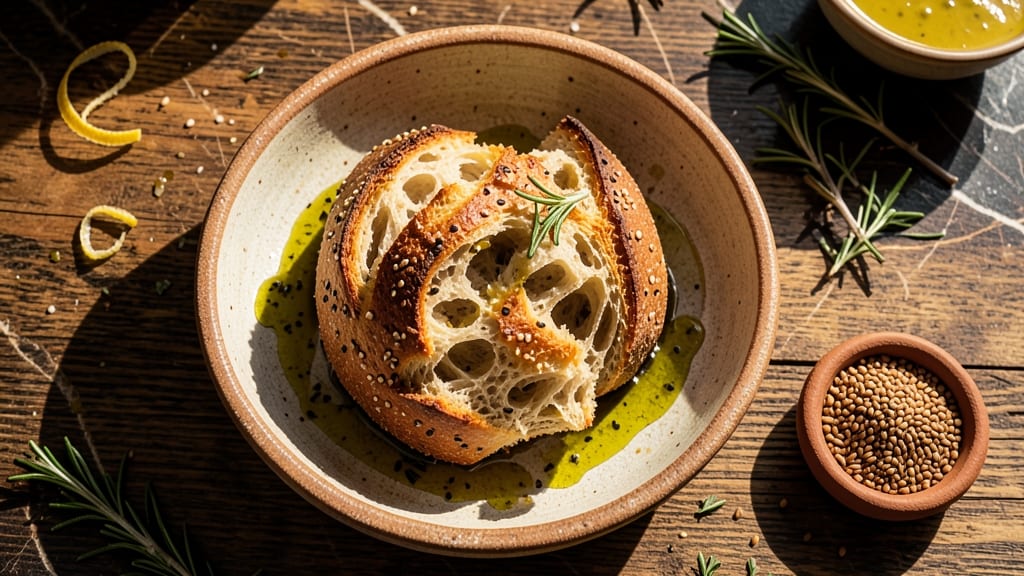
This asphodel bread recipe brings ancient Greek tradition to your kitchen with its golden crust and tender crumb—all from humble, plant-based ingredients. 🌟 Born in the rugged landscapes of Greece, this bread was a staple for shepherds and farmers, requiring only flour, water, and olive oil. What makes it extraordinary is its simplicity: no yeast, no butter, just the pure essence of Mediterranean flavors transformed into something truly special.
The magic happens in the dough's texture—lightly kneaded yet sturdy enough to hold its shape, with a crisp exterior that gives way to a soft, slightly chewy interior. The secret lies in the asphodel flour, a plant-based alternative that creates a delicate crumb without dairy or eggs.
This bread isn't just food; it's a taste of history, a connection to a time when meals were made with what the land provided.
Baking it reveals its true potential: a fragrant loaf with a caramelized crust that hints at the olive oil's richness. The aroma alone will transport you to a Greek village square, where this bread was shared among neighbors.
Perfect for dipping in olive oil, pairing with soups, or serving alongside grilled vegetables, it's a versatile canvas for Mediterranean flavors.
What's remarkable is how this ancient recipe translates seamlessly to modern kitchens. With just five ingredients and minimal effort, you'll create a loaf that's both rustic and refined. Whether you're exploring plant-based baking or seeking a taste of Greece, this bread delivers—proof that some traditions never go out of style.
Ingredients for asphodel bread
Five ingredients transform ancient Greek tradition into golden, plant-based perfection.
| Ingredient | Amount | Notes |
|---|---|---|
| Asphodel Flour 🌾 | 2 cups | Plant-based, gluten-free alternative |
| Extra-Virgin Olive Oil 🫒 | ½ cup | Fruity, cold-pressed preferred |
| Warm Water 💧 | 1 ¼ cups | 110°F (43°C) ideal temperature |
| Fine Sea Salt 🧂 | 1 ½ tsp | Diamond Crystal preferred |
| Sesame Seeds 🌰 | 1 tbsp | Toasted for garnish |
The asphodel flour is the heart of this recipe—authentic versions use the plant-based flour from Greek markets or specialty stores like Mediterranean Foods. If unavailable, gluten-free all-purpose flour works as a substitute, though texture differs slightly. The olive oil should be extra-virgin with fruity notes—California Olive Ranch or Colavita are excellent choices. Warm water is critical: too hot and the dough tightens; too cold and it won't activate properly. Use an instant-read thermometer to hit 110°F—just warm, not scalding.
No asphodel flour? Substitute with a 50/50 blend of almond flour and tapioca starch for a similar texture, though the crumb will be denser. Olive oil shortages? Avocado oil maintains neutral flavor, but olive oil's distinct richness is irreplaceable. The sesame seeds are optional but add authentic Mediterranean crunch—skip if avoiding nuts. For salt, Diamond Crystal dissolves more easily than table salt, but kosher will work in a pinch. The dough's simplicity means every ingredient must be high-quality; cut no corners here.
This dough requires no kneading—just gentle folding to develop gluten. Shape it into a round loaf and bake in a preheated Dutch oven for maximum crisp. The bread keeps at room temperature for 3 days wrapped in a linen towel, though it's best enjoyed fresh. For longer storage, freeze the baked loaf for up to 3 months. Reheat slices in a 350°F oven for 5 minutes to restore crispness. Serve warm with extra-virgin olive oil drizzled generously—the true Greek tradition.
Why You'll Love This Recipe
- No-Knead Magic: I swear by this—just mix, let it rest, and bake. The asphodel flour does all the heavy lifting; you barely have to lift a finger.
- Crispy-Soft Contrast: That golden crust with a tender crumb? It’s like biting into a warm hug. The olive oil keeps it rich, while the sesame seeds add a satisfying crunch.
- Pantry Staple Power: Honestly, I make this when I’m out of bread or need something fast. It’s my go-to for toast, sandwiches, or even a quick snack—no fancy ingredients, just reliable flavor.
- Budget-Friendly Staple: A single batch costs pennies and stretches for days. I often bake two loaves at once—one for the week, one for emergencies (or my snack-obsessed kids).
Step-by-step instructions for ancient Greek asphodel bread
This bread brings ancient Greece to your kitchen with its simple yet transformative technique.
👨🍳 Step 1: Mix the Dough with Precision
In a large mixing bowl, combine the 2 cups Asphodel Flour with the 1.5 tsp Fine Sea Salt. Use your fingertips to create small wells in the flour mixture—this helps incorporate the olive oil more evenly. Pour in the 0.5 cup Extra-Virgin Olive Oil and rub it into the flour with your fingers until you see small crumbly clumps form.
Next, add the 1.25 cups Warm Water (about 110°F) gradually while stirring with a wooden spoon. You'll notice the dough immediately begins to come together. The warm water activates the flour's properties, creating a smooth, elastic texture without gluten. Mix until the dough forms a shaggy mass that pulls away from the sides of the bowl—this should take about 3-4 minutes of vigorous stirring.
🥘 Step 2: Knead the Dough Until Silky
Transfer the dough to a lightly floured surface and knead for 5-7 minutes using a stretch-and-fold technique. Start by stretching one side of the dough toward the center, then fold it over itself. Rotate the dough a quarter turn and repeat, working the surface tension to develop the structure. The dough should become smooth and slightly tacky but not sticky.
Here's the thing—Asphodel flour behaves differently than wheat flour. You won't get the same elastic properties, so focus on creating a uniform, cohesive mass rather than a tight ball. When you press your finger into the dough, it should spring back slightly but leave a faint indentation—this indicates proper hydration and texture.
🔥 Step 3: Shape and Rest for Optimal Texture
Divide the dough into 4 equal portions (about 6 ounces each) and shape each into a smooth, slightly tapered log about 8 inches long. Place them on a parchment-lined baking sheet, spacing them about 2 inches apart. Cover the baking sheet loosely with plastic wrap and let the dough rest at room temperature for 30 minutes. This resting period allows the dough to relax and develop its characteristic tender crumb.
While resting, preheat your oven to 375°F. The warm environment helps the dough develop its final texture before baking. I like to place a small ramekin of water on the middle rack—this creates steam during baking, which enhances the bread's soft, moist interior.
🔥 Step 4: Bake Until Golden and Crisp
Bake the bread for 25-30 minutes until the tops are deep golden brown and the internal temperature reaches 205°F when measured with an instant-read thermometer. The edges should be crisp while the centers remain tender. If the tops brown too quickly, tent the baking sheet with aluminum foil to prevent over-browning while allowing the bread to finish cooking.
Real talk: The first time I made this, I took the bread out too early because the tops looked done. Big mistake—the centers were still doughy. Let the bread bake until it passes both the color test and the temperature test for perfect results every time.
🍽️ Step 5: Toast and Garnish for Maximum Flavor
Remove the bread from the oven and immediately sprinkle each loaf with 1 tbsp Sesame Seeds, pressing them gently into the surface. Let the bread cool on a wire rack for 10 minutes before slicing—this prevents the sesame seeds from falling off and allows the bread to set properly.
For the ultimate experience, lightly toast the slices in a dry skillet over medium heat for 30-45 seconds per side until golden and fragrant. This step enhances the bread's natural flavors and creates that irresistible crunch. Serve warm with olive oil for dipping or use as a base for Mediterranean-style meals.
Pro Tips For Making Asphodel Bread
- STIR LIKE A MADMAN: Asphodel flour is a beast—it’s heavy and absorbs oil like a sponge. Don’t just pour the water in and stir once. Work the dough for at least 3 minutes with a wooden spoon or your hands until it’s thick, glossy, and pulls away from the sides of the bowl. I used to rush this, and my bread turned out dense and greasy. This step is what makes it light.
- SALT THE WATER: Yes, even warm water. Sprinkle the fine sea salt directly into the water before mixing—it dissolves better and seasons the dough evenly. I learned this after tasting bland bread that needed another pinch later. Trust me, the salt in the water makes a real difference in the final crunch.
- PRESS IT HARD: When shaping the dough into a round loaf, don’t be gentle. Press down firmly with your palms until the edges meet and the top is smooth. This isn’t just for looks—it creates a tight seal that traps steam during baking, giving you that signature crackly crust. I used to half-ass this, and my bread would puff unevenly.
- LET IT REST (YES, REALLY): After shaping, cover the dough with a damp towel and let it sit for 10 minutes before baking. This might feel like overkill, but it lets the gluten relax and the oil distribute. I skipped this once, and the bread came out gummy inside. Ten minutes. No excuses.
Flavor customization for this recipe
Citrus Zest Twist
Add 1 tbsp freshly grated lemon or orange zest to the dough during mixing for a bright, refreshing twist. The citrus oils brighten the earthy asphodel flavor while adding a subtle tang. I like to use Meyer lemon zest for its sweetness, but regular lemon works perfectly too. 🌸
Herb-Infused Olive Oil
Replace half the olive oil with herb-infused oil by steeping 2 tbsp dried oregano and 1 tbsp dried thyme in ¼ cup olive oil for 1 hour before using. This Mediterranean-inspired variation adds aromatic depth that pairs beautifully with grilled meats or roasted vegetables.
Nutty Crunch Addition
Sprinkle 1 tbsp chopped walnuts or pistachios over the dough before baking for added texture. Toast the nuts in a dry skillet for 2-3 minutes until fragrant, then press them gently into the surface. This adds a satisfying crunch that contrasts the bread's tender crumb. 🌰
Spiced Variation
For a warm, aromatic twist, mix ½ tsp ground cinnamon and ¼ tsp ground cardamom into the dough during mixing. These spices complement the olive oil's richness while adding a subtle warmth that's perfect for serving with spiced teas or sweet Mediterranean desserts.
Savory Garlic Boost
Incorporate 1 minced garlic clove into the dough for a savory depth that enhances the bread's natural flavors. I find that roasted garlic adds even more complexity without overpowering the delicate asphodel taste. This variation works exceptionally well when served with dips like tzatziki or hummus. 🧄
Sweet Honey Finish
Drizzle the baked bread with 1 tbsp warm honey while still hot from the oven. The honey caramelizes slightly, creating a beautiful glaze that adds natural sweetness. This version pairs beautifully with Greek yogurt or fresh fruit for breakfast or dessert. Use Thrace honey for an authentic Mediterranean touch.
Nutrition facts
Frequently asked questions
What makes asphodel bread different from regular bread?
This traditional bread skips yeast and wheat flour, using asphodel flour (a plant-based alternative) and warm water for its unique texture. The result is a tender crumb with crisp edges—no chewy gluten structure here! Its ancient origins make it a vegan-friendly staple with just five ingredients.
Can I substitute asphodel flour if I can't find it?
Yes! Try a 50/50 blend of almond flour and tapioca starch for closest results, though texture will differ slightly. For gluten-free baking, sorghum flour works too—just expect a denser crumb. The key is maintaining the bread's delicate, moist quality without gluten development.
Why does the recipe call for warm water?
The 110°F (43°C) water activates the asphodel flour's natural properties, creating a smooth dough without yeast's help. Cold water makes the dough tough, while hot water overworks it. Think of it as waking up the flour's potential—just right for that perfect ancient texture!
How long does asphodel bread stay fresh?
Wrap cooled loaves in a linen towel and store at room temperature for 3 days—the sesame seeds stay crisp! For longer storage, freeze baked bread for up to 3 months. To revive, toast slices in a 350°F oven for 5 minutes until golden and fragrant again.
What's the best way to serve this bread?
Drizzle with extra-virgin olive oil and serve warm as a side with soups or grilled vegetables. The crisp edges make it perfect for dipping, while the tender crumb pairs beautifully with Mediterranean spreads like tzatziki or hummus. Try it with roasted lamb for an authentic Greek meal!