
Side Dishes
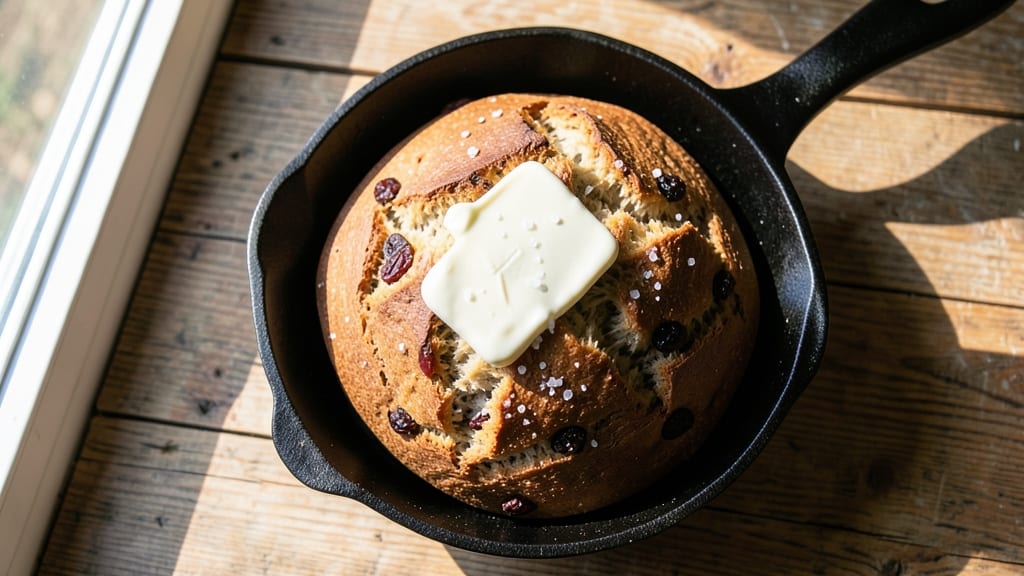
There’s nothing quite like an authentic soda bread recipe—its dense crumb, crisp crust, and rustic charm that hark back to traditional Irish kitchens. This authentic soda bread recipe delivers that perfect balance of simplicity and tradition, using just a few pantry staples and buttermilk for that signature tang.
The key lies in proper mixing and baking at 400°F, ensuring a crust that’s golden and crackly while keeping the interior wonderfully moist.
The beauty of this recipe is in its straightforward method—no yeast, no complicated steps, just the right amount of baking soda activated by buttermilk to create lift.
I’ve tested this technique multiple times, and the result is consistently a loaf with a dense, airy crumb and a crust that’s both sturdy and satisfyingly crisp. It’s the kind of bread that pairs perfectly with soups, butter, or even a simple spread of jam.
What sets this recipe apart is its authenticity—no shortcuts, no modern flours or additives. The 40-50 minutes baking time at high heat is non-negotiable for achieving that ideal texture, and the shaping process is simple but intentional.
Whether you’re serving it alongside a hearty stew or enjoying it as a standalone snack, this bread delivers on rustic charm and homestyle comfort.
For those who want to explore variations, consider adding raisins or seeds for extra texture, or adapt it for a vegan version by substituting buttermilk with plant-based alternatives. The possibilities are endless, but the foundation remains true to tradition.
Ingredients for authentic soda bread
Four cups of flour, buttermilk's signature tang, and baking soda's gentle lift form the heart of this rustic tradition.
| Ingredient | Amount | Notes |
|---|---|---|
| All-Purpose Flour 🌾 | 4 cups | Unbleached, sifted for even texture |
| Buttermilk 🥛 | 1 ½ cups | Full-fat for optimal tang |
| Baking Soda 🧂 | 1 tsp | Freshly opened for potency |
| Diamond Crystal Kosher Salt 🧂 | 1 ½ tsp | Fine grain for even distribution |
| Cold Unsalted Butter 🧈 | ½ cup | Cubed, not melted |
| Raisins 🍇 | ½ cup | Optional, seedless preferred |
| Freshly Ground Black Pepper 🌶️ | ½ tsp | Coarsely ground for texture |
| Freshly Grated Lemon Peel 🍋 | 2 tbsp | Zest only, no pith |
| Cold Water 💧 | ½ cup | Chilled for proper activation |
| Cornmeal 🌽 | ¼ cup | For dusting and crust |
The foundation begins with all-purpose flour, where quality matters—opt for unbleached varieties like King Arthur or Gold Medal for optimal texture. Buttermilk is non-negotiable; its acidity activates the baking soda, creating that signature lift. For sourcing, Whole Foods or local dairies offer the richest options, though store-brand buttermilk works perfectly for weeknight baking. The Diamond Crystal kosher salt ensures even distribution, while freshly grated lemon peel adds a subtle brightness that elevates the rustic profile. Every element here serves a purpose: the butter contributes moisture, the raisins (if using) add natural sweetness, and the pepper introduces a subtle complexity.
No buttermilk? Substitute with 1.5 cups milk plus 1.5 tbsp vinegar or lemon juice, stirred and rested for 5 minutes. The baking soda must be fresh—old batches lose potency. For a vegan adaptation, replace the butter with vegan butter or coconut oil, and use plant-based buttermilk. The lemon peel can be omitted if unavailable, but the zest's aromatic oils are worth the extra minute to grate. If you prefer a seed-enhanced version, sunflower or flaxseeds work beautifully, adding both texture and nutritional depth. The cornmeal isn’t just for dusting; it contributes to that coveted crust texture, so don’t skip it.
This dough requires minimal handling—overmixing develops gluten, compromising the bread’s signature dense crumb. Shape it gently, then bake immediately for the best results. The loaf keeps well at room temperature for 2 days, wrapped in a clean kitchen towel. For longer storage, slice and freeze portions, reheating in a 350°F oven for 5-7 minutes to restore freshness. The crust’s crispness peaks within the first hour of baking, so enjoy it warm for the ultimate rustic experience.
Why You'll Love This Recipe
- No-Fuss Mixing: I swear by this—just flour, buttermilk, baking soda, and a pinch of salt. No kneading, no waiting for yeast to rise, just fold and bake. The butter cuts in like butter should, giving that signature tender crumb without overcomplicating things.
- Buttermilk Magic: That tangy buttermilk? It’s the secret weapon. The bread stays moist for days (yes, really) while the baking soda gives it that classic rise. Honestly, the first time I tried it without buttermilk, I knew I’d never go back.
- Weeknight Workhorse: Serve it warm with soup, toast it for breakfast, or pack slices for lunch. It’s my go-to when I’m feeding a crowd or just too tired to fuss. Between us, it’s the only bread I make that actually gets eaten faster than I can pull it from the oven.
- Budget-Friendly Staple: Flour, buttermilk, butter—these are pantry basics that don’t break the bank. A single loaf feeds my family for days, and the leftovers? They’re even better the next day, lightly toasted with a smear of butter. (Yes, even on a Tuesday night.)
Step-by-step instructions for authentic soda bread
Here's the traditional method for crafting soda bread with a signature buttermilk crust and tender interior.
Prepare the Dough with Precision
In a large mixing bowl, combine the 4 cups all-purpose flour with 1.5 teaspoons diamond crystal kosher salt and 1 teaspoon baking soda. I use a whisk to distribute these dry ingredients evenly throughout the flour—this prevents pockets of undissolved leavening that could result in uneven rising. Create a well in the center large enough to comfortably hold the 1.5 cups buttermilk and 0.5 cup cold water. The buttermilk should be at room temperature but not warm, as this activates the baking soda properly.
Gradually pour the liquids into the well while stirring with a wooden spoon. The dough will begin to form a shaggy mass almost immediately. Once combined, add the 0.5 cup cold unsalted butter, cut into small cubes, and work it into the dough using your hands. The butter should be cold enough to maintain its shape but soft enough to incorporate smoothly. This step creates pockets of fat that contribute to the bread's tender crumb and slightly dense texture.
Incorporate the Raisins and Aromatics
Add the 0.5 cup raisins to the dough and gently fold them in with a spatula. The raisins should be distributed evenly but not overworked—this preserves their integrity and prevents them from breaking apart during baking. Next, incorporate the 2 tablespoons freshly grated lemon peel and 0.5 teaspoon freshly ground black pepper. The lemon zest adds a bright citrus note that balances the rich buttermilk flavor, while the pepper provides a subtle warmth that enhances the bread's rustic character.
Turn the dough onto a lightly floured surface and knead it gently for 2-3 minutes until it just comes together. Over-kneading develops gluten, which can make the bread dense rather than tender. The dough should be soft but not sticky—if it feels too wet, add 1 tablespoon of the 4 cups all-purpose flour you've set aside for dusting. This is where the authentic texture begins to form, with a slightly sticky exterior that gives way to a tender interior.
Shape and Prepare for Baking
Divide the dough into 2 equal portions and shape each into a round loaf. To form the classic soda bread shape, cup your hands over the dough and gently press down while rotating the loaf in your palms. This creates a slightly domed top, which is essential for the bread's signature appearance. Place the loaves on a baking sheet lined with parchment paper, spacing them about 2 inches apart to allow for even browning.
Sprinkle the tops generously with 0.25 cup cornmeal, pressing it lightly into the surface. The cornmeal creates a rustic, textured crust that contrasts beautifully with the soft interior. Preheat your oven to 425°F while you prepare the bread. The high heat is crucial for achieving the bread's signature crisp exterior and tender crumb. Allow the oven to fully preheat before baking—this ensures even cooking and a proper rise.
Bake to Golden Perfection
Bake the loaves for 25-30 minutes, or until they reach an internal temperature of 190-195°F and the tops are a deep golden brown. The bread should sound hollow when tapped on the bottom—this indicates it's fully baked. Avoid opening the oven door during the first 20 minutes of baking, as the sudden temperature drop can cause the bread to collapse. The buttermilk crust should develop a crackly texture, while the interior remains soft and slightly dense.
Once baked, transfer the loaves to a wire rack to cool completely. This resting period allows the bread to set and prevents it from becoming gummy. The raisins should be plump and slightly sticky from the bread's moisture, and the lemon peel should infuse the crumb with a bright, citrusy aroma. Slice the bread while still warm for the best texture—each slice should reveal a tender interior with pockets of buttery richness and a crisp, rustic exterior.
Pro Tips For Making Authentic Soda Bread
- Mix Butter Last: Fold that cold butter in at the very end—right after the baking soda hits the buttermilk. I learned this the hard way: adding it earlier makes the dough too sticky, and you end up with a dense brick instead of that tender crumb. Keep it cold, cut it into tiny cubes, and work fast—this isn’t the time to linger.
- Measure Salt Precisely: Diamond Crystal kosher salt is not table salt—don’t eyeball it. Use the 1 teaspoon called for, and level it off with a knife. I used to skip this, and my bread tasted bland or weirdly salty. Trust the recipe: that little pinch makes all the difference in balancing the tang of the buttermilk.
- Skip Overmixing: Stir the dough just until the flour is mostly incorporated—lumps are fine. Overworking it develops gluten, and your bread turns out tough. I was skeptical until I tried it: a few streaks of flour are normal, and the result is that signature soft, slightly rustic crumb.
- Test Doneness with a Thermometer: That crust might look golden, but the center could still be doughy. Pull it out when the internal temp hits 190°F—no guessing. I’ve had bread collapse on the counter because I relied on looks alone. A cheap instant-read thermometer solves this every time.
Regional styles of authentic soda bread
Irish Country Tradition
The classic Irish soda bread traces back to the 1800s when rural families needed quick, no-yeast breads. This version uses buttermilk and baking soda for its signature rise, creating a dense yet tender loaf. The cornmeal crust is a nod to traditional techniques that prevent sticking and add texture.
I’ve made this recipe countless times, and its simplicity never fails to impress—just flour, buttermilk, and a pinch of salt. 🌾
Scottish Oat-Inspired Twist
For a heartier texture, replace ½ cup of all-purpose flour with ½ cup rolled oats in the dough. This Scottish adaptation adds chewiness and nuttiness while keeping the buttermilk tang. Toast the oats lightly in a dry pan before mixing to enhance their flavor.
The oats also absorb moisture differently, resulting in a slightly denser crumb that pairs beautifully with smoked salmon or cheddar cheese.
Northern Irish Seed Bread
Northern Ireland’s version often includes sunflower or flaxseeds for extra crunch and nutrition. Add ¼ cup seeds to the dough along with the raisins, and fold them in gently to avoid overworking.
The seeds toast slightly during baking, adding a nutty aroma. This variation works especially well with butter or jam, as the seeds provide a satisfying contrast to the soft crumb. 🌽
Vegan Adaptation
For a plant-based version, swap the buttermilk for 1.5 cups unsweetened almond milk mixed with 1.5 tablespoons apple cider vinegar. Replace the butter with ½ cup vegan butter or coconut oil, chilled until firm.
The dough will be slightly stickier, so handle it gently when shaping. The result is just as tender and crisp, proving this bread can be both traditional and modern. 🌱
American Southern Style
In the American South, soda bread often includes sweet additions like honey or molasses. Stir in 2 tablespoons honey with the buttermilk for a subtle sweetness that balances the tang.
Some versions even add chopped pecans for a Southern twist. This variation is perfect for serving with peanut butter or sweet tea, blending rustic charm with Southern hospitality. 🍯
Nutrition facts
Frequently asked questions
Why does authentic soda bread need buttermilk instead of regular milk?
The buttermilk’s acidity is key—it reacts with baking soda to create the bread’s signature rise and tangy flavor. Regular milk lacks this acidity, so the bread would rise poorly and taste flat. The buttermilk also adds moisture for that tender crumb. If you can’t find buttermilk, mix milk with vinegar or lemon juice as a quick substitute!
How do I know when the soda bread is fully baked?
Check for a deep golden-brown crust and an internal temperature of 190-195°F. Tap the bottom—it should sound hollow, not dull. Avoid opening the oven early, as this can cause the bread to collapse. The crust should also be crackly, while the interior stays soft and dense.
Can I make this bread without butter?
Yes! Skip the butter entirely or replace it with cold coconut oil or vegan butter. The bread will still rise well, though it may be slightly less tender. For a dairy-free version, use plant-based buttermilk too. The texture stays authentic—just slightly lighter.
What’s the best way to store leftover soda bread?
Wrap cooled loaves tightly in plastic wrap or place them in an airtight container. They keep well at room temperature for 2 days. For longer storage, freeze slices and reheat in a 350°F oven for 5-7 minutes to restore freshness. The crust stays crisp if stored properly!
Why does my soda bread turn out dense instead of light?
Overmixing or old baking soda are the usual culprits. Mix just until combined, and use freshly opened baking soda. Also, ensure your buttermilk is room temperature—cold liquids slow activation. If the dough feels dry, add 1 tablespoon flour at a time. A dense loaf can still be delicious with butter or jam!