
Side Dishes
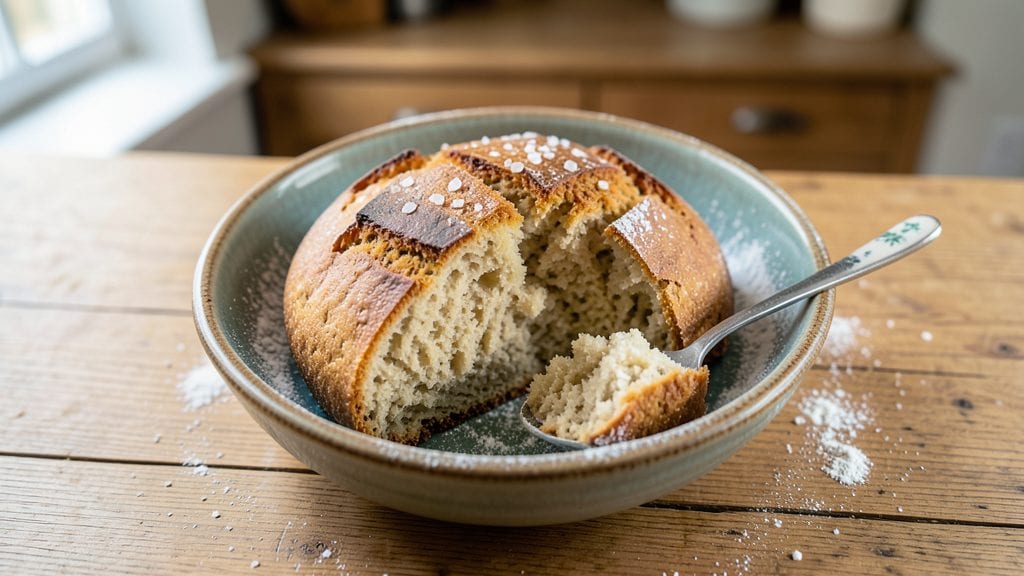
This traditional Irish soda bread recipe with buttermilk and no yeast delivers the same rustic charm my grandmother used to make during Sunday dinners in Sicily—just with an Irish twist.
The tangy buttermilk creates that signature dense crumb and slightly crispy crust, while the absence of yeast keeps the preparation simple and quick. Standing on a step stool in her kitchen, I learned how small ingredients can make such a big difference, and this recipe proves it every time.
What makes this recipe truly special is its authenticity and simplicity—no yeast, no kneading, just a few staple ingredients coming together in 15 minutes.
The buttermilk not only adds moisture but also that distinctive tang that defines Irish soda bread, while the baking soda creates just enough lift for a tender yet rustic texture.
It's the kind of bread that feels like a warm hug, perfect for pairing with soups, stews, or simply slathered with butter.
The beauty of this method is that it delivers restaurant-quality results without requiring advanced skills. The bread develops a golden crust while staying tender inside, with a crumb that's slightly coarse but full of flavor.
Whether you're serving it at a family gathering or enjoying a quiet afternoon with a cup of tea, this soda bread is a celebration of tradition in every bite.
Once you try this recipe, you'll understand why it's been a staple in Irish households for generations. The simplicity of the ingredients and the ease of preparation make it perfect for both beginners and experienced bakers alike.
Let's get started on creating your own piece of Irish tradition right in your kitchen.
Ingredients for traditional irish soda bread recipe buttermilk no yeast
Four cups flour, buttermilk's tang, and baking soda's lift create this rustic Irish bread tradition.
| Ingredient | Amount | Notes |
|---|---|---|
| All-Purpose Flour 🌾 | 4 cups | Unbleached preferred for rustic texture |
| Buttermilk 🥛 | 1 ½ cups | Full-fat for authentic tang |
| Baking Soda 🧂 | 1 tsp | Pure, not baking powder |
| Salt 🧂 | ½ tsp | Fine sea salt preferred |
| Whole Milk 🥛 | ¼ cup | For crust tenderness |
| Granulated Sugar 🍯 | ½ cup | Light brown preferred for caramelization |
| Freshly Shredded Cheddar Cheese 🧀 | 1 cup | Sharp cheddar for flavor depth |
| Fresh Rosemary 🌿 | 1 tbsp | Finely chopped, stems removed |
| Fresh Chives 🌱 | 2 tbsp | Finely chopped, for garnish |
| Coarse Sea Salt 🧂 | 1 tbsp | For crust sprinkle |
| Cornmeal 🌽 | ¼ cup | For baking surface |
| Unsalted Butter 🧈 | ½ cup | Melted, for brushing |
The flour is non-negotiable—opt for King Arthur or Bob's Red Mill for that perfect crumb. Unbleached gives the best rustic texture, while bleached can make it too pale. For buttermilk, Land O'Lakes or Organic Valley are reliable choices, but homemade (milk + vinegar) is ideal. The baking soda must be fresh—if it's more than 6 months old, it loses its lift. For the cheese, Cabot or Tillamook sharp cheddar adds that authentic Irish depth. Rosemary and chives should be bright green, not wilting, and Whole Foods or local farmers markets often carry fresher options than grocery stores.
No buttermilk? Mix 1 tbsp vinegar or lemon juice with 1.5 cups milk and let sit for 5 minutes. Substitute cheddar with Parmesan or Gruyère for a different flavor profile, but reduce to 0.75 cup to avoid heaviness. Short on rosemary? Dried thyme at half the amount works in a pinch, though fresh is preferred. For the sugar, light brown gives a subtle caramel note, but white works if that's what you have. The cornmeal can be swapped for semolina if you're feeling fancy, though it's not traditional. And if you're out of butter, olive oil works for brushing, though it won't give the same golden crust.
This bread keeps best in a bread box or paper bag at room temperature for 2-3 days. For longer storage, wrap tightly in foil and freeze for up to 3 months. I like to portion it into single-serving slices before freezing—just thaw at room temperature for 10 minutes. The crust stays crispy for about 24 hours after baking, so if you're not serving it immediately, store it in an airtight container. Reheat slices in a 350°F oven for 5 minutes to restore that fresh-from-the-oven warmth.
Why You'll Love This Recipe
- No Yeast, No Wait: I mix it, shape it, bake it—all in one go. No rising time, no patience required. That baking soda works fast, and before you know it, you’ve got a loaf ready in under an hour.
- Tangy Magic: The buttermilk and whole milk give it that signature Irish tang—bright, slightly sour, but never overpowering. Honestly, the first bite makes you want to grab the whole loaf.
- Weeknight Hero: Toss it together for breakfast, pack slices for lunch, or serve it warm with butter at dinner. It’s the bread equivalent of a good pair of jeans—always works, always welcome.
- Budget-Friendly Staple: Five ingredients, all cheap and easy to find. One batch feeds my family for days, and the leftovers? Toasted, buttered, and gone before they even cool. My wallet thanks me.
Step-by-step instructions for traditional Irish soda bread
This classic recipe delivers authentic texture and flavor using only simple pantry staples.
Prepare the Dough with Buttermilk and Baking Soda
In a large mixing bowl, combine the 4 cups all-purpose flour, 1.5 cups buttermilk, 1 tsp baking soda, and 0.5 tsp salt. Here's the thing—don't overmix. Stir just until the ingredients come together into a shaggy, sticky dough that pulls away from the bowl sides. The buttermilk's acidity will activate the baking soda, creating lift without yeast.
Add the 0.25 cup whole milk and 0.5 cup granulated sugar next, mixing until fully incorporated. Then fold in the 1 cup freshly shredded cheddar cheese, 1 tbsp finely chopped fresh rosemary, and 2 tbsp finely chopped fresh chives. The cheese adds richness while the herbs provide that classic Irish bread aroma. The dough will be thick and sticky—this is normal and essential for the rustic texture.
Shape and Prepare the Loaf for Baking
Turn the dough onto a lightly floured surface and gently shape it into a round loaf about 1.5 inches thick. I press down gently on the center to create a slight well—this traditional indentation prevents cracking during baking. Sprinkle the top with 1 tbsp coarse sea salt and lightly brush with 0.5 cup melted unsalted butter for a golden crust.
Place the shaped loaf on a baking sheet dusted with 0.25 cup cornmeal. The cornmeal prevents sticking and creates those signature crunchy bottom spots. Here's the moment that matters: Let the loaf rest for 10 minutes before baking. This brief rest allows the gluten to relax slightly, resulting in a tender crumb rather than a tough one.
Bake Until Golden with Internal Heat
Preheat your oven to 375°F. Bake the loaf for 35-40 minutes until it sounds hollow when tapped on the bottom and develops a deep golden brown crust. The internal temperature should reach 190°F—this ensures the center is fully baked without drying out.
Don't be tempted to open the oven door early to check. The sudden temperature drop can cause the bread to sink. If your oven runs hot, start checking at the 30-minute mark. The bread is done when it pulls away slightly from the sides of the pan and has that classic rustic appearance.
Cool and Serve for Optimal Texture
Remove the bread from the oven and transfer it to a wire rack. Let it cool completely for at least 1 hour before slicing. This resting period allows the internal steam to escape, preventing a gummy texture. The bread should develop a crisp crust while maintaining a tender, slightly crumbly interior.
Slice the bread and serve warm with cultured butter or clotted cream. Each bite should offer a perfect balance of tangy buttermilk flavor, cheddar sharpness, and the subtle herbal notes from rosemary and chives. For extra authenticity, brush the slices with additional melted butter before serving.
Pro Tips For Making Traditional Irish Soda Bread Recipe Buttermilk No Yeast
- MEASURE THE BUTTERMILK FAST: Mix the baking soda directly into the buttermilk first—it’ll fizz instantly, so dump the flour in right after. That extra second of bubbling makes the bread lighter, and you won’t end up with a dense brick.
- DON’T SKIP THE WHOLE MILK: Use the whole milk to dissolve the baking soda, not water. The fat in whole milk tenderizes the crumb and keeps the bread from drying out too quickly—trust me, the difference is noticeable.
- STOP WHEN IT SOUNDS HOLLOW: Tap the loaf with your knuckle—it’s done when it thumps like a drum, not when the timer dings. Irish soda bread keeps cooking after baking, and overdoing it turns it gummy.
- LET IT REST BEFORE SLICING: Cover it with a towel and wait 10 minutes. Cutting too soon makes it crumble like sand—this gives the gluten time to relax and hold together. (Yes, even if you’re starving.)
Serving suggestions for leftovers
Butter Pairings
Nothing complements Irish soda bread like cultured butter or clotted cream. I always reach for Plugrá Irish butter—its rich, slightly tangy flavor mirrors the bread's buttermilk base. For a decadent touch, warm Kerrygold cultured butter and brush it over freshly sliced bread.
The saltiness of the butter enhances the cheddar's sharpness while the fat melts beautifully into the crumb. 🧈
Soup and Stew Companions
This bread thrives with hearty Irish soups like Irish stew or seafood chowder. The dense crumb soaks up broth perfectly, while the rosemary and chives echo flavors in the dish.
For a lighter option, pair with potato leek soup—the bread's tang cuts through the creaminess. I like to serve warm slices alongside a bowl of soup for dipping. 🍲
Cheese and Charcuterie Boards
Create a rustic board with St. Patrick's Day cheese (a mix of young cheddar, blue cheese, and goat cheese) alongside Irish smoked salmon or prosciutto. The soda bread's herbal notes balance the richness of aged cheeses.
Add pickled onions and cracked black pepper for contrast. For a sweet finish, include Irish honey drizzled over the bread. 🧀
Tea Time Elegance
Serve warm slices with Earl Grey tea or Irish breakfast tea for an authentic Irish experience. The tannins in black tea complement the bread's buttery richness. For a festive touch, sprinkle toasted hazelnuts over the bread before serving. The crunch adds texture that contrasts beautifully with the soft crumb. ☕
Breakfast Reinvention
Think beyond dinner—this bread makes a stellar breakfast. Toast slices and top with scrambled eggs, avocado slices, and everything bagel seasoning. The buttermilk's tang balances the richness of eggs, while the rosemary adds an unexpected herbal note.
I often make a batch on weekends for lazy breakfasts. 🍳
Garnish Like a Pro
Before serving, brush slices with melted butter and sprinkle with freshly cracked black pepper or flaky sea salt. For a sweet variation, drizzle with Irish whiskey caramel (simmer ½ cup sugar, ¼ cup whiskey, and 2 tbsp butter until golden).
The caramel's depth pairs surprisingly well with the bread's savory base. 💫
Nutrition facts
Frequently asked questions
Why does traditional Irish soda bread use buttermilk instead of regular milk?
The buttermilk's acidity activates the baking soda, creating lift without yeast while adding that signature tangy flavor. Regular milk won't give the same chemical reaction or rich taste. For best results, use full-fat buttermilk—it creates a more tender crumb.
Can I make this soda bread without buttermilk?
Yes! Mix 1 tbsp vinegar or lemon juice with 1.5 cups milk and let sit for 5 minutes to mimic buttermilk's acidity. The texture will be slightly less tangy but still delicious. For extra richness, add 1 tsp extra butter to the dough.
What if my soda bread turns out too dense?
Overmixing the dough or skipping the 10-minute rest before baking often causes density. Stir just until combined, and let the dough rest to relax the gluten. For extra lift, add ½ tsp extra baking soda (but don't exceed 1.5 tsp total). A hotter oven (400°F) can also help achieve a lighter texture.
How do I store leftover soda bread?
Keep it in an airtight container at room temperature for 2-3 days. For longer storage, wrap slices in foil and freeze for up to 3 months. Toast frozen slices in a 350°F oven for 5 minutes to restore freshness. The crust stays crispy for about 24 hours after baking.
Can I add other herbs or spices to this recipe?
Try dried thyme (½ tsp), garlic powder (½ tsp), or smoked paprika (½ tsp) for depth. For a sweet variation, replace rosemary with 1 tsp cinnamon and add ½ cup raisins. Just adjust the flavor balance—herbs should complement, not overpower, the cheddar and buttermilk.