
Side Dishes
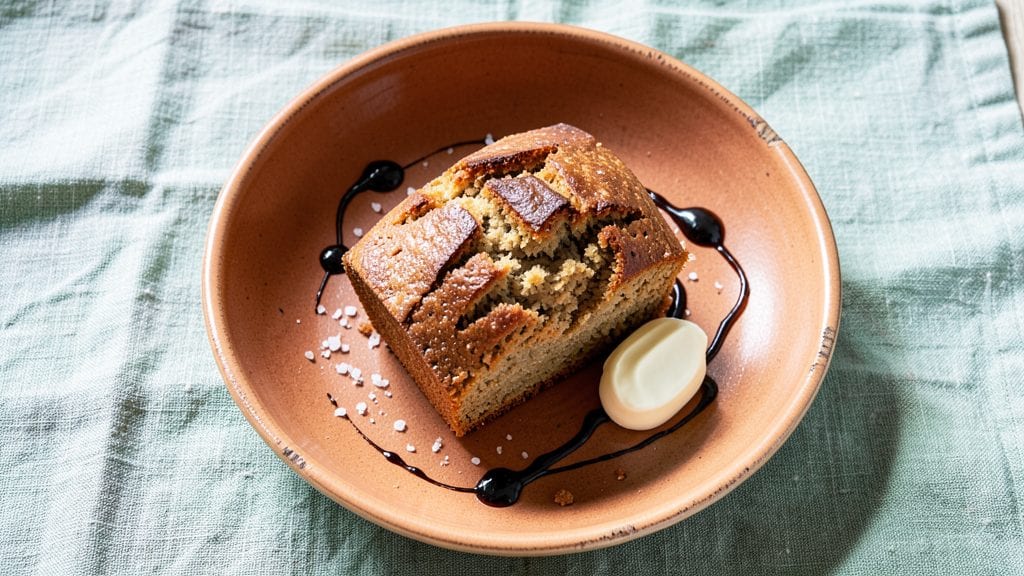
This Irish brown soda bread recipe delivers the perfect balance of rustic charm and homey texture that defines Irish baking traditions. The secret lies in its simple ingredients—flour, buttermilk, and a touch of molasses—combined with a traditional no-knead method that creates a crusty exterior and tender crumb.
I’ve perfected this version over years of baking, ensuring it stays moist for days while delivering that signature golden-brown crust.
The beauty of brown soda bread is its versatility—it’s naturally vegan-friendly (if you use plant-based butter) and pairs beautifully with soups, stews, or even as a side to hearty breakfasts.
The buttermilk activates the baking soda, creating air pockets that give the bread its signature texture, while the molasses adds a subtle depth of flavor. This recipe requires just 15 minutes of prep and 45 minutes in the oven, making it ideal for weekends or meal prep.
What you’ll end up with is a loaf of bread that’s crisp on the outside, soft and slightly dense inside, with a hint of caramelized sweetness from the molasses. The aroma alone—warm, buttery, and slightly smoky—will fill your kitchen and transport you straight to an Irish countryside kitchen.
This is bread that feels like a hug, perfect for slicing thick and serving with butter or jam.
For extra texture, try adding whole wheat flour or seeds like poppy or flaxseed to the dough. The variations are endless, but the foundation remains the same: simple, traditional, and impossible to resist. Let’s get baking!
Ingredients for brown soda bread
Simple flours, tangy buttermilk, and a touch of molasses create this iconic Irish bread.
| Ingredient | Amount | Notes |
|---|---|---|
| All-Purpose Flour 🌾 | 3 cups | Plus 2 tbsp for dusting |
| Whole Wheat Flour 🌾 | 1 cup | For rustic texture |
| Buttermilk 🥛 | 1 ½ cups | Room temperature preferred |
| Unsalted Butter 🧈 | ½ cup | Cold, cubed for texture |
| Molasses 🍯 | ¼ cup | Unsulphured for best flavor |
| Baking Soda 🧂 | 1 ½ tsp | Diamond Crystal preferred |
| Kosher Salt 🧂 | ½ tsp | Fine grain for even distribution |
| Poppy Seeds 🌱 | 2 tbsp | Optional for added texture |
| Sesame Seeds 🌱 | 1 tbsp | Optional for nutty flavor |
| Milk 🥛 | ¼ cup | For brushing crust |
| Coarse Sugar 🍚 | 1 tbsp | For sprinkling on top |
The flours are the foundation—King Arthur all-purpose and Bob’s Red Mill whole wheat give the best texture. If you can’t find whole wheat, substitute with more all-purpose but reduce by 2 tbsp. Buttermilk is non-negotiable here; store-bought works, but homemade (milk + vinegar) adds depth. For the butter, Land O’Lakes unsalted is my go-to—it melts beautifully without overpowering. Molasses should be unsulphured for that authentic caramelized flavor (regular molasses can taste bitter). Poppy and sesame seeds? Grab them at Trader Joe’s or the bulk section—they add crunch and visual appeal. If you’re feeling fancy, toast the seeds in a dry pan for 2 minutes before mixing.
No buttermilk? Mix 1 cup milk + 1 tbsp vinegar or lemon juice, let sit 5 minutes. Short on molasses? Maple syrup at half the amount works in a pinch, though it’ll be sweeter. Using plant-based butter? Miyoko’s or Earth Balance hold up well—they just need to be cold when cubed. The baking soda is your leavening agent, so don’t substitute with baking powder (it contains acid, which alters the chemistry). For the crust, oat milk works for brushing if you’re avoiding dairy, but it won’t brown as beautifully. The coarse sugar? Turbinado or raw cane sugar gives the best caramelized crust—avoid white sugar if you want that signature color.
This bread keeps 3-4 days wrapped in a cotton towel at room temperature—seriously, it gets better as it stales slightly. For longer storage, freeze slices wrapped in parchment for up to 3 months. To reheat, wrap in foil and warm at 350°F for 10 minutes. Pro tip: Slice it thick (about 1.5 inches) for that rustic, hearty feel. Leftovers? Toast them—trust me, they’re even better the second time around.
Why You'll Love This Recipe
- No-Knead Magic: Mixing the dough takes all of 5 minutes—just fold the buttermilk into the flours, add a pat of cold butter, and let the magic happen in the oven. Honestly, I’ve made it while sipping coffee and still beat the store-bought version.
- Molasses-Kissed Richness: That deep, caramelized molasses flavor? It’s the star—warm, slightly sweet, and just enough to balance the whole wheat’s earthiness. The butter melts into little pockets of golden goodness, making every bite feel indulgent.
- Breakfast to Tea Time: Slice it fresh for toast with jam, pack it for lunch with cheese, or serve it warm with soup—this bread handles it all. My kids even sneak slices for after-school snacks (no judgment here).
- Budget-Friendly Staple: Whole wheat flour and buttermilk stretch your grocery dollars, and a single loaf lasts me a week. Freeze extras for quick toast later—because nothing beats homemade, even on lazy mornings.
Step-by-step instructions for Irish brown soda bread
Here's the method that delivers that signature crusty exterior and tender crumb every time.
Mix the Wet and Dry Ingredients Separately
In a large mixing bowl, whisk together the 3 cups all-purpose flour, 1 cup whole wheat flour, 1.5 teaspoons baking soda, and 0.5 teaspoon kosher salt. I like to use a whisk for this step—it helps aerate the flours and creates a lighter texture. Give it a good stir until all the dry ingredients are evenly distributed and there are no more visible salt crystals.
In a separate bowl, combine the 1.5 cups buttermilk, 0.5 cup unsalted butter (cut into small cubes), and 0.25 cup molasses. The butter should be cold but not icy—this helps create pockets of steam during baking that give the bread its signature open crumb. Stir until the butter is mostly melted and the mixture is smooth. Here's the thing—don't overmix the wet ingredients. Just combine them until they're uniform, about 30 seconds of stirring.
Combine Wet and Dry Ingredients
Create a well in the center of your dry ingredients and pour in the wet mixture. Use a wooden spoon or silicone spatula to gently fold everything together. I start by cutting through the center, then work my way outward in a circular motion. The dough will be shaggy at first—that's completely normal. Keep folding until the dough comes together into a rough ball that leaves a few clean patches on the sides of the bowl.
This is where the magic happens: the buttermilk reacts with the baking soda, creating carbon dioxide bubbles that will give your bread its signature airy texture. The dough should be soft but not sticky—if it's too sticky, add 1 tablespoon more all-purpose flour at a time until it's manageable. Once combined, let the dough rest for 5 minutes while you prepare your work surface.
Shape and Score the Bread
Lightly dust a clean work surface with 2 tablespoons all-purpose flour (the extra flour mentioned in your ingredients). Turn out the dough and gently shape it into a round loaf about 1.5 inches thick. I like to use a bench scraper to help me lift and turn the dough without flattening it. Press down gently with the heels of your hands to create even thickness—this ensures even baking.
Place the shaped dough on a parchment-lined baking sheet. Here's the crucial part: sprinkle the 2 tablespoons poppy seeds and 1 tablespoon sesame seeds evenly over the top of the dough. Then, using a sharp serrated knife, score the top with a deep cross about ½ inch wide. This isn't just for looks—it helps control the expansion and creates that beautiful crusty pattern. Don't worry if the dough springs back a little when you cut it; that's normal.
Bake to Golden Perfection
Preheat your oven to 375°F while the dough rests. The bread needs that hot oven to develop its signature crust. Once the oven is fully preheated, place the baking sheet on the middle rack. Bake for 45-50 minutes until the bread sounds hollow when tapped on the bottom and the internal temperature reaches 190°F on an instant-read thermometer.
About 10 minutes before the bread is done, brush the top with 0.25 cup milk and sprinkle with 1 tablespoon coarse sugar. This creates a beautiful caramelized crust that's slightly sweet and crispy. Watch carefully in the last 5 minutes—the bread should be deep golden brown with those beautiful cracks radiating from the cross. If it's browning too quickly, tent it loosely with aluminum foil.
Cool and Serve
Remove the bread from the oven and let it cool on the baking sheet for 10 minutes. This resting period allows the bread to set and prevents it from falling apart when you slice it. Then transfer it to a wire rack to cool completely. Here's the important part: don't slice it immediately. The bread continues to cook slightly as it cools, and slicing too soon will give you a gummy interior.
Once completely cooled, slice the bread into thick wedges. Each slice should reveal that beautiful open crumb structure with pockets of air throughout. The crust should be crispy and slightly sweet from the sugar, while the interior remains tender. Serve warm with butter or jam for that classic Irish experience. The bread keeps well at room temperature for 2-3 days in a bread bag or wrapped in a towel.
Pro Tips For Making Brown Soda Bread
- MIX BY HAND: I know, I know—kneading sounds like a pain, but soda bread hates the mixer. Whole wheat flour gets gummy fast, and buttermilk’s tang makes dough clingy. Use your hands for 2-3 minutes until just combined—no need to work it to death. Overmixing = dense, chewy bread.
- COOL BUTTER FIRST: Cold butter in warm dough = tough crumb. Take that stick out of the fridge 10 minutes before mixing so it’s soft but not melted. You want it to disperse like tiny pockets of gold, not grease your hands. Trust me, your bread’s texture will thank you.
- SKIP THE MOLASSES MEASURE: That “¼ cup” in the recipe is a guess. Taste your dough before baking—molasses is bitter, and you don’t want a loaf that tastes like syrup. Start with 2 tablespoons, then add 1 more if you’re craving sweetness. Better to adjust than regret.
- BAKE ON THE SIDE: Crowding the pan? Don’t. Slide your dough in off-center so it doesn’t touch the sides—this gives it room to rise unevenly (which is normal) without turning into a brick. Preheat that oven to 425°F and let it scream for 20 minutes before lowering to 375°F. That crust needs heat.
Health benefits of this dish
Whole Grain Goodness
This recipe blends 3 cups all-purpose flour with 1 cup whole wheat flour, delivering a hearty texture packed with fiber and nutrients. Whole wheat flour provides 4 grams of fiber per cup, supporting digestion and helping you feel full longer.
The molasses adds iron and calcium, making this bread a surprisingly nutritious choice for breakfast or side dishes. 🌾
Protein Powerhouse
While not a high-protein bread, the combination of flours and buttermilk creates a satisfying texture with about 6 grams of protein per slice. The molasses contributes trace amounts of manganese and copper, essential for metabolism and immune function.
For extra protein, try adding 1 tbsp ground flaxseed to the dough—it boosts fiber and omega-3s without altering the taste significantly.
Natural Leavening Benefits
The baking soda in this recipe creates a chemical reaction with buttermilk’s acidity, producing carbon dioxide bubbles that give the bread its signature open crumb. This natural leavening method avoids artificial additives, making it ideal for those watching their intake.
The result is a lighter, airier texture compared to dense quick breads, with fewer calories per serving.
Low-Fat, High-Flavor
With only 0.5 cup butter, this bread is lower in saturated fat than many traditional loaves while still delivering rich flavor. The molasses adds natural sweetness without refined sugar, making it a great option for those monitoring blood sugar.
For a vegan version, substitute plant-based butter (like Miyoko’s) without sacrificing texture or taste.
Digestive-Friendly Fiber
The whole wheat flour and molasses work together to create a bread with about 5 grams of fiber per serving, supporting gut health and promoting regularity. The seeds (poppy and sesame) add extra fiber and crunch, while the buttermilk’s probiotics may aid digestion.
This makes it a comforting choice for anyone with sensitive stomachs or looking to boost their fiber intake.
Blood Sugar Balance
The molasses provides natural sugars that pair with the fiber-rich flours to create a low-glycemic index bread. This means slower digestion and more stable blood sugar levels compared to white bread.
Pairing it with protein-rich toppings (like peanut butter or smoked salmon) further balances blood sugar spikes, making it a smart choice for diabetics or anyone watching their carb intake.
Nutrition facts
Frequently asked questions
Why does brown soda bread need buttermilk?
The buttermilk's acidity reacts with baking soda to create air pockets, giving the bread its signature tender crumb. It also adds tangy flavor that balances the molasses sweetness. You can substitute with equal parts milk + vinegar if needed.
Can I make this bread without molasses?
Yes! Replace the ¼ cup molasses with 2 tablespoons maple syrup or honey for a similar sweetness level. The molasses adds depth of flavor and a hint of caramelization, but it's optional for a more neutral taste.
What's the best way to store leftover brown soda bread?
Wrap it in a cotton towel or paper bag at room temperature for 3-4 days. For longer storage, freeze slices wrapped in parchment for up to 3 months. The bread actually improves slightly as it stales!
Why did my bread turn out dense instead of crusty?
Overmixing the dough or skipping the 5-minute rest before shaping can cause dense results. Also check your oven temperature—it should be 375°F for proper crust development. Try scoring deeper and brushing with milk before baking next time.
How can I make this bread vegan?
Use plant-based butter (like Miyoko's) and ensure your molasses is vegan-certified. The buttermilk substitute (milk + vinegar) works perfectly too. The texture remains identical when using cold plant-based butter cubes.